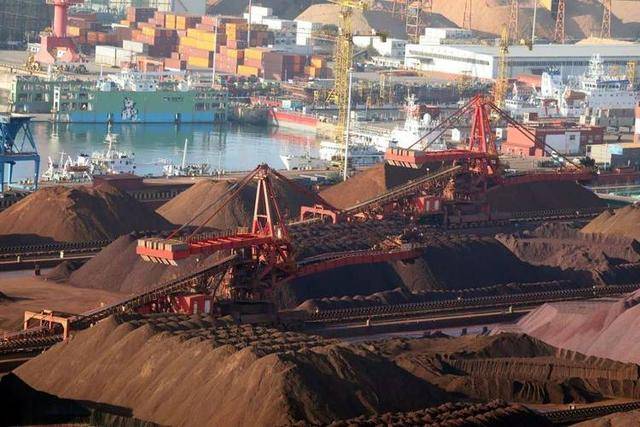
铁矿石开采

Search documents
澳矿“卡脖子”时代落幕,中国1.2亿吨备胎,打破澳洲铁矿石垄断
Sou Hu Cai Jing· 2025-10-21 08:54
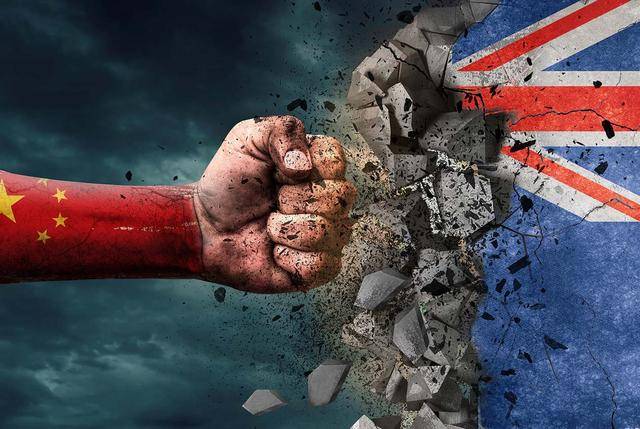
澳大利亚和中国的铁矿石恩怨,最近是闹得沸沸扬扬,一边是每年从中国赚得盆满钵满,赚的钱比美国、欧洲加起来还多。 一边是跟着美国处处针对中国,制裁、抹黑样样来,尤其是在铁矿石贸易上,仗着垄断地位漫天要价,为啥澳大利亚总喜欢针对咱们? 不过最近这事儿有了大反转,中国直接暂停了澳大利亚最大铁矿石企业必和必拓所有以美元计价的交易,这一下可把澳大利亚给整懵了。 要知道,铁矿石是澳大利亚的第一大出口商品,中国常年要吸纳它近70%的铁矿石,以前都是澳大利亚摆架子,动不动就威胁断供,现在轮到中国 主动说"停",它能不慌吗? 后来中国终于想明白了,要打破垄断,首先得团结起来,2022年,中国矿产资源集团成立了,所有铁矿石采购都由它统一负责。 这一下就不一样了,再也没有内部竞价的内耗,还能把零散的小订单整合成长大单,跟国外矿企谈判的时候,腰杆都硬了不少,议价能力直接翻 倍。 光靠内部整合还不够,还得从外部突破,中国开始在全球范围内收购矿业巨头的股份,这招叫"以资本换话语权"。 比如说,中国花1000块钱买铁矿石,矿企能赚800块,要是我们持有这家矿企50%的股份,那相当于实际只花了600块,这就是"权益矿"的好处。 更关键的是,中 ...

澳大利亚算计过头,铁矿石涨价15%,中方主动掀桌,不做冤大头了
Sou Hu Cai Jing· 2025-10-19 12:23
Core Viewpoint - China's decision to suspend the purchase of BHP iron ore priced in USD marks a significant shift in the iron ore market, challenging the pricing power of Australian mining giants and indicating a new era of negotiations based on RMB settlements [2][24]. Group 1: Market Dynamics - On September 30, China Mineral Resources Group notified major steel mills and traders to halt purchases of BHP iron ore priced in USD, including already delivered cargoes [2]. - BHP's request for a 15% increase in long-term contract prices to $109.5 per ton is seen as unreasonable, given the prevailing spot price of around $80 per ton [4][6]. - China accounts for 75% of global seaborne iron ore imports, with an annual import volume exceeding 1 billion tons, yet it has historically lacked pricing power due to the concentrated supply from Australian mining companies [6][11]. Group 2: Financial Implications - From 2003 to 2008, international iron ore prices surged by 337.5%, costing Chinese steel companies over 700 billion RMB [8]. - In 2021, the average import price of iron ore reached $179.1 per ton, contributing $17.3 billion to BHP's net profit, while the entire Chinese steel industry projected a profit of only 70 billion RMB in 2024 [8][11]. - BHP's mining costs range from $18 to $24 per wet ton, allowing for a profit margin exceeding 150% when sold to China at prices above $100 [10]. Group 3: Strategic Shifts - The establishment of China Mineral Resources Group in 2022 consolidated procurement efforts among major steel companies, enhancing negotiation power against international mining firms [17]. - China's diversification of supply chains has reduced its reliance on Australian iron ore, with significant projects like the Simandou iron ore project in Guinea expected to come online by the end of 2025 [19][21]. - The shift towards RMB settlements for iron ore trade represents a strategic move to reclaim pricing power and reduce dependence on USD transactions [28]. Group 4: Market Reactions - Following China's suspension of BHP iron ore purchases, international iron ore prices fell by 3%, and BHP's stock dropped by 6%, resulting in a market capitalization loss of 5 billion AUD [26]. - Australia's economy, heavily reliant on iron ore exports to China, faces potential GDP declines of 1.2% due to the halted purchases [26].

中隐忍20年后,只用了9天时间,打赢了一场没有硝烟的战争
Sou Hu Cai Jing· 2025-10-18 03:23
Core Insights - The global iron ore market is undergoing a significant transformation as a major mining company shifts part of its transactions to be settled in Renminbi, indicating a potential change in the pricing structure of resources [1][9][27] Group 1: Market Dynamics - In early October 2025, a major buyer challenged the pricing and settlement currency for Australian iron ore, leading to a tense negotiation period that lasted nine days [3][9] - The shift to Renminbi settlement is seen as a breakthrough for buyers who have long been subjected to dollar-denominated pricing, marking a shift in pricing power [9][27] - The initial response from the mining company was cautious, reflecting the complexities and risks associated with transitioning to a new currency system [29][31] Group 2: Structural Changes - The transition to Renminbi settlement necessitated a complete overhaul of existing financial systems, including adjustments in banking structures and payment processes [11][27] - The introduction of Renminbi into the settlement system is viewed as a structural reconfiguration of the iron ore trading landscape, moving away from a dollar-dominated framework [11][33] - The first transactions using Renminbi were completed successfully, indicating a gradual acceptance of the new currency in the market [31][39] Group 3: Supply Chain Implications - The Simandou iron ore project in Guinea is set to disrupt the existing market dynamics by providing a new source of high-quality iron ore, potentially reducing the dominance of major players like BHP, Rio Tinto, and Vale [21][23] - As the Simandou project progresses, it is expected to significantly impact the supply chain, with the first shipments anticipated to commence soon [37][39] - The emergence of new supply sources, coupled with the shift to Renminbi settlement, is likely to alter the competitive landscape and pricing mechanisms in the iron ore market [25][41]
金岭矿业暂停挂牌转让金钢矿业,此前挂牌价1.84亿元
Zheng Quan Shi Bao Wang· 2025-10-17 12:01
Group 1 - Jinling Mining announced the suspension of the public transfer of 100% equity and debt of Tashkurgan Jin Gang Mining Co., Ltd. due to the lack of qualified buyers after multiple attempts to sell [1] - The initial listing price for the equity and debt was set at 184 million yuan, with the equity priced at 1 yuan and the debt at 184 million yuan, while the actual debt balance was 644 million yuan [1] - Jin Gang Mining has been in a state of suspension since 2017 due to tightened environmental policies, leading to significant financial distress with total assets of 20.89 million yuan and total liabilities of 645 million yuan as of March 31, 2025 [1] Group 2 - In 2024, Jinling Mining established a transformation strategy focused on strengthening its iron ore business and solidifying its non-ferrous metal industry, including acquiring exploration rights in Qihe County [2] - Despite the setbacks in asset transfer, Jinling Mining experienced a surge in performance, achieving a revenue of 1.247 billion yuan in the first three quarters of 2025, a year-on-year increase of 12.98%, and a net profit of 220 million yuan, up 47.09% year-on-year [2] - As of October 17, Jinling Mining's stock price was 9.92 yuan per share, with a total market capitalization of 5.906 billion yuan, reflecting an increase of over 40% since the second half of the year [2]

金岭矿业股价涨5.26%,华夏基金旗下1只基金位居十大流通股东,持有332.61万股浮盈赚取166.31万元
Xin Lang Cai Jing· 2025-10-17 02:02
Group 1 - The core point of the news is that Jinling Mining's stock price increased by 5.26% to 10.00 CNY per share, with a trading volume of 50.39 million CNY and a turnover rate of 0.86%, resulting in a total market capitalization of 5.953 billion CNY [1] - Jinling Mining, established on September 28, 1996, and listed on November 28, 1996, is primarily engaged in iron ore mining and the production and sale of iron concentrate, copper concentrate, cobalt concentrate, and pellet ore [1] - The revenue composition of Jinling Mining is as follows: iron concentrate accounts for 76.99%, pellets 9.03%, other (supplementary) 8.46%, copper concentrate 5.10%, and mechanical processing 0.41% [1] Group 2 - Among the top circulating shareholders of Jinling Mining, Huaxia Fund has a fund that entered the top ten shareholders in the third quarter, holding 3.3261 million shares, which is 0.56% of the circulating shares, with an estimated floating profit of approximately 1.6631 million CNY [2] - The fund manager of Huaxia Zhuoyue Growth Mixed A (024928) is Zhong Shuai, who has been in the position for 5 years and 83 days, with a total asset scale of 8.253 billion CNY [4] - During Zhong Shuai's tenure, the best fund return was 173.98%, while the worst return was -3.64% [4]
几内亚第三季度铝土矿出口跳增23% 尽管遭遇降雨和监管压力
Wen Hua Cai Jing· 2025-10-17 01:43
Group 1 - Guinea's bauxite exports surged by 23% year-on-year in Q3, reaching 39.41 million tons, despite challenges from heavy rainfall and regulatory hurdles [1] - The average monthly shipment volume for Q3 was 13.14 million tons, which is nearly a 19% decrease compared to the first half of the year due to disruptions in mining and port operations [1] - China accounted for 54.6% of Guinea's bauxite exports in Q3, with Guinea supplying about one-third of China's bauxite imports [1] Group 2 - The long-delayed Simandou iron ore project is set to make its first shipment, primarily of high-grade ore destined for China [1] - In Q3 2025, Guinea exported only 78,000 tons of alumina, as the government increased pressure on miners to build alumina refineries domestically [2]
博弈开始?中方刚要拿回铁矿石定价权,西芒杜铁矿就出事暂停运行
Sou Hu Cai Jing· 2025-10-16 11:53
Core Viewpoint - The ongoing negotiation between BHP and China's newly formed China Mineral Resources Group highlights a significant shift in iron ore pricing and settlement currency, with China pushing for a more favorable pricing model and the use of RMB instead of USD [1][3][15]. Pricing Dispute - BHP aims to increase its iron ore price to $109.5 per ton by 2025, while China Mineral Resources Group insists on a quarterly pricing model closer to market rates, approximately $80 per ton, indicating a nearly $30 difference per ton [1]. - China's annual iron ore imports exceed ten billion tons, suggesting a potential loss of over $20 billion if the price dispute continues [1]. Currency Settlement - The negotiation has evolved beyond mere pricing to a financial confrontation over the settlement currency, with China demanding RMB while BHP insists on USD [3]. - China's recent directive to halt the acceptance of BHP's iron ore priced in USD demonstrates a strategic move to assert its position in the market [5][6]. Market Dynamics - China's dominance in global iron ore consumption, accounting for over 75% of maritime iron ore, has historically left it without pricing power due to fragmented negotiations among numerous steel mills [8]. - The establishment of China Mineral Resources Group consolidates purchasing power, allowing for a more unified approach in negotiations with major mining companies [8]. Strategic Developments - The Simandou iron ore project in Guinea, which holds the world's largest undeveloped iron ore reserves, is a critical asset for China, expected to produce over 100 million tons of high-quality ore annually once operational [10]. - The project is currently on hold due to a serious safety incident, raising concerns about its impact on China's strategic plans and negotiations with BHP [12]. Financial Implications - The recent safety incident at Simandou has led to a rise in international iron ore futures prices, easing pressure on BHP while complicating China's negotiation strategy [13]. - China's push for RMB settlement in iron ore trade aims to reduce reliance on USD, with significant progress already made in agreements with other countries like Russia and Brazil [15][19]. Pricing Index Challenge - China is challenging the Platts Index, which has historically dictated iron ore pricing, by launching its own iron ore price index based on actual transaction data from Chinese ports [17][19]. - This move is part of a broader strategy to establish a new pricing mechanism that reflects real supply and demand rather than manipulated market prices [17][19]. Long-term Outlook - Despite the recent setbacks, China's position as the largest buyer of iron ore remains unchanged, and its commitment to diversifying supply chains and promoting RMB internationalization is steadfast [21]. - The ongoing developments indicate a transformative period in global trade dynamics, with potential shifts in iron ore pricing and settlement practices on the horizon [21].
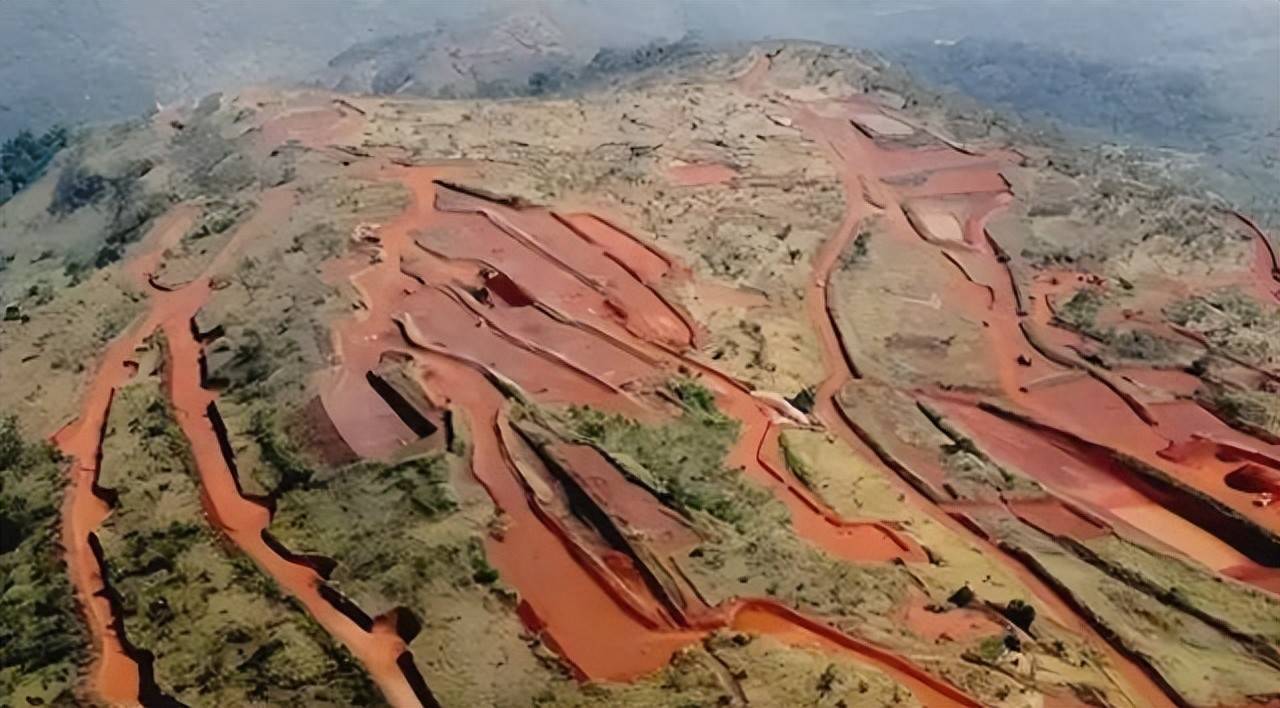
中国首次夺得铁矿石定价权!
Sou Hu Cai Jing· 2025-10-16 11:25
Core Viewpoint - Australia’s BHP will settle iron ore trades in RMB, marking China’s first acquisition of iron ore pricing power and successfully lowering iron ore prices [1][3]. Group 1: Trade Agreements - China Mineral Resources Group has signed an agreement with BHP to implement RMB settlement for iron ore spot trades starting as early as Q4 of this year [1]. - This agreement signifies a shift in pricing power, allowing China to reduce its reliance on USD for iron ore transactions [3]. Group 2: Market Dynamics - Historically, the USD has dominated global commodity pricing, with iron ore trade exceeding $1.2 trillion annually, 80% of which is settled in USD [3]. - Chinese companies have faced significant risks from exchange rate fluctuations and reliance on USD clearing channels [3]. Group 3: Strategic Moves - Following a breakdown in negotiations with BHP, China ordered major steel mills and traders to halt purchases of BHP's iron ore priced in USD, marking the first ban on Australian iron ore imports [3]. - BHP's acceptance of RMB settlement is seen as a result of China's concentrated procurement strategy, which has increased its bargaining power [3][4]. Group 4: Broader Implications - Other major iron ore producers, including Brazil's Vale and Australia's Rio Tinto, have also agreed to RMB settlements, indicating a trend towards de-dollarization in commodity trading [4]. - The agreement with BHP is expected to enhance China's economic security and accelerate the internationalization of the RMB [4].
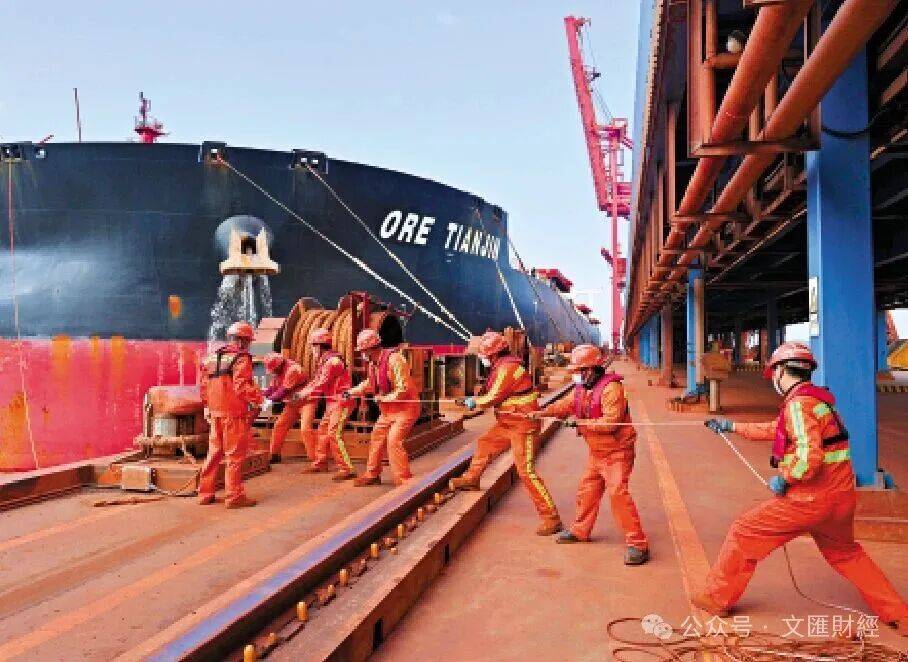
铁矿石到货、发运周度数据-20251013
Bao Cheng Qi Huo· 2025-10-13 11:26
运筹帷幄决胜千里 投资咨询业务资格:证监许可【2011】1778 号 铁矿石到货、发运周度数据(2025 年第 42 周) 一、简评 1、国内 47 港到货量为 3144.10 万吨,环比增 368.30 万吨,持续回升并刷新年内单周新高;其中澳矿 到货环比增 167.00 万吨,巴西矿到货增 95.20 万吨,非澳巴矿环比增 106.10 万吨。 2、海外矿石发运有所回落,全球矿石发运总量为 3207.50 万吨,环比降 71.54 万吨,高位持续小幅回 落。其中澳洲发运环比降 63.56 万吨,多因 RIO 发运减 124.45 万吨所致,巴西矿发运降 31.30 万吨,非澳 巴矿发运环比增 23.32 万吨,低位有所回升; 3、按船期推算国内港口澳巴矿到货量将高位回落,整体降幅有限,海外矿石供应维持高位。 二、矿石到货与发运数据 | | | | | | 铁矿石周度到货和发运数据 | | | | | | | | --- | --- | --- | --- | --- | --- | --- | --- | --- | --- | --- | --- | | | 指标 | 本期值 | 上期值 | 周度变化 ...
中澳铁矿石战争落幕,中国首夺铁矿定价权!澳大利亚为何妥协?
Sou Hu Cai Jing· 2025-10-13 01:25
Core Viewpoint - China has successfully gained pricing power over iron ore, marking a significant shift in the global iron ore market dynamics [1][3][18] Group 1: Background and Context - The struggle for iron ore pricing power between China and Australia has been ongoing for four years, with China being the largest iron ore importer globally [3][5] - Historically, Australia has dominated iron ore pricing, leading to perceived unfairness in international trade, especially given the significant dollar-denominated transactions [3][5] Group 2: Recent Developments - In August 2023, a major disagreement arose between Chinese and Australian companies regarding the pricing and currency for iron ore transactions, with China demanding RMB settlement and a price benchmark of $80 per ton [5][12] - Following the breakdown of negotiations, China announced a suspension of all iron ore imports from Australia's BHP, marking a significant escalation in the trade conflict [6][9] Group 3: China's Strategic Position - China's current high inventory levels and reduced domestic demand for iron ore provide it with leverage, allowing it to pause imports without immediate concern [9][11] - Other suppliers, such as Brazil's Vale and Australia's Fortescue Metals Group, are willing to accept RMB for transactions, further strengthening China's position [11][12] Group 4: Outcome and Implications - BHP has since agreed to settle iron ore trades in RMB starting from the fourth quarter, indicating a significant concession [12][14] - This shift means that approximately 70% of global iron ore trade will now be conducted in RMB, effectively granting China greater control over pricing [14][18] - The establishment of the China Mineral Resources Group has facilitated a unified procurement strategy, allowing China to negotiate from a position of strength [15][17] Group 5: Future Outlook - The successful negotiation is seen as a precursor to China potentially reclaiming pricing power over other commodities, challenging the dominance of the U.S. in global commodity pricing [18][20]