
全球贸易格局转变

Search documents
解读2026年达沃斯论坛的八个关键数字
Xin Lang Cai Jing· 2026-02-07 11:29
Group 1 - The Davos Forum this year was dominated by geopolitical issues, but also highlighted significant topics such as global trade shifts, clean water shortages, AI's impact on employment, species extinction rates, the economic influence of sports, and the future of global cooperation [2][3] - Actor Matt Damon and Gary White from Water.org emphasized that approximately 2.1 billion people lack access to clean water and sanitation, urging focus on this solvable issue [2] - IMF President Kristalina Georgieva revealed that the number of translators at the IMF has decreased from 200 to 50, indicating the impact of AI on employment, with 40% of jobs globally expected to be reshaped or eliminated by AI, rising to 60% in developed economies [5] Group 2 - European leaders at Davos faced challenges regarding new rifts in US-EU relations and the EU's ability to transition in the new global economy, with Ursula von der Leyen mentioning a potential EU-India trade agreement that could impact nearly 25% of global GDP [7] - Public debt was a major theme, with discussions highlighting that many countries have debt levels exceeding 100% of their GDP, a situation considered unsustainable [9] - The ongoing Ukraine conflict was underscored by human rights leader Oleksandra Matviichuk, who reported 14,656 casualties in the past year, marking a nearly one-third increase from the previous year [14] Group 3 - Social issues such as loneliness among young men in the West were discussed, with Alice Evans noting that young men spend as much time alone as 70-year-olds, leading to a lack of empathy towards different genders [11] - FIFA President Gianni Infantino announced that the upcoming World Cup in North America is expected to generate approximately $80 billion in economic value, reflecting the broader significance of sports beyond just events [13] - Saudi Arabia's Finance Minister Mohammed Al-Jadaan highlighted the importance of collaboration among the over 3,000 attendees at Davos to address complex global issues [15]


谈判不欢而散,瑞士拒绝做第二个日本,中国对美国乘胜追击
Sou Hu Cai Jing· 2025-12-02 06:15
Group 1 - The core issue in the recent trade negotiations between the US and Switzerland was Switzerland's refusal to comply with a significant US demand regarding investment allocation [1][5] - Initially, the negotiations were progressing well, with the US planning to reduce tariffs from 39% to 15% and Switzerland agreeing to invest $200 billion, particularly in US manufacturing [3] - The turning point occurred when the US Commerce Department demanded that Switzerland not only fulfill its investment commitment but also grant the US government control over $100 billion of that investment [5] Group 2 - Switzerland's firm stance against the US demand highlights the structural resistance to the US's investment-for-tariff strategy in countries other than Japan, indicating potential challenges to US global strategy [7] - The US's approach, which includes introducing clauses that could disrupt agreements, aims to reshape global trade dynamics but faces significant obstacles, especially in Southeast Asia [7] - China's rapid and assertive response to agreements signed by Malaysia and Cambodia reflects its commitment to protecting regional cooperation and economic sovereignty, contrasting with the US's more aggressive tactics [9] Group 3 - Indonesia's rejection of US-led terms is particularly noteworthy, as it signifies the limitations of US economic pressure on medium-sized economies, revealing a shift in global trade dynamics [11] - The collective resistance from countries like Switzerland and Indonesia suggests a fundamental transformation in global trade patterns, challenging the notion of US hegemony [13] - The evolving landscape indicates a move towards a more multipolar world where multiple powers influence international trade, rather than a single dominant force [13]
集运市场价格持续攀升 航运板块获多重利好支撑(附概念股)
Zhi Tong Cai Jing· 2025-12-02 00:34
Group 1: Market Overview - The Hong Kong port and shipping stocks experienced a general increase, with China COSCO Shipping Energy Transportation Co., Ltd. rising over 4% and China COSCO Shipping Ports up over 3% [1] - The European freight rates surged significantly, interpreted as a sign of recovering demand in the European market or supply chain tightness, altering the previously pessimistic view of the shipping industry [1][2] - The Baltic Dry Index (BDI) rose for 12 consecutive days, reaching 2,560 points, the highest level since December 2023 [2] Group 2: Demand and Supply Dynamics - The increase in shipping prices is primarily driven by route restructuring, tight capacity, and supply-demand imbalances, influenced by geopolitical factors and climate change [2] - The demand for shipping is bolstered by the global oil production cycle, with OPEC+ increasing production, leading to a significant rise in oil shipping volumes [2][3] - The shipping market is expected to see a turning point in 2024, with limited supply growth and several demand catalysts, including the production of iron ore and infrastructure projects [3][4] Group 3: Company Insights - China COSCO Shipping Energy focuses on oil and LNG transportation, operating a leading fleet in the global energy supply chain [5] - Pacific Basin Shipping is a major operator of modern handy and super handy bulk carriers, specializing in the transportation of bulk commodities [6] - China COSCO Shipping Holdings is expanding its routes to meet regional market demands, particularly in Southeast Asia and Latin America [6]

80亿美元市值蒸发!中国停购澳矿十天,人民币结算撬动全球百年贸易格局
Sou Hu Cai Jing· 2025-10-11 20:05
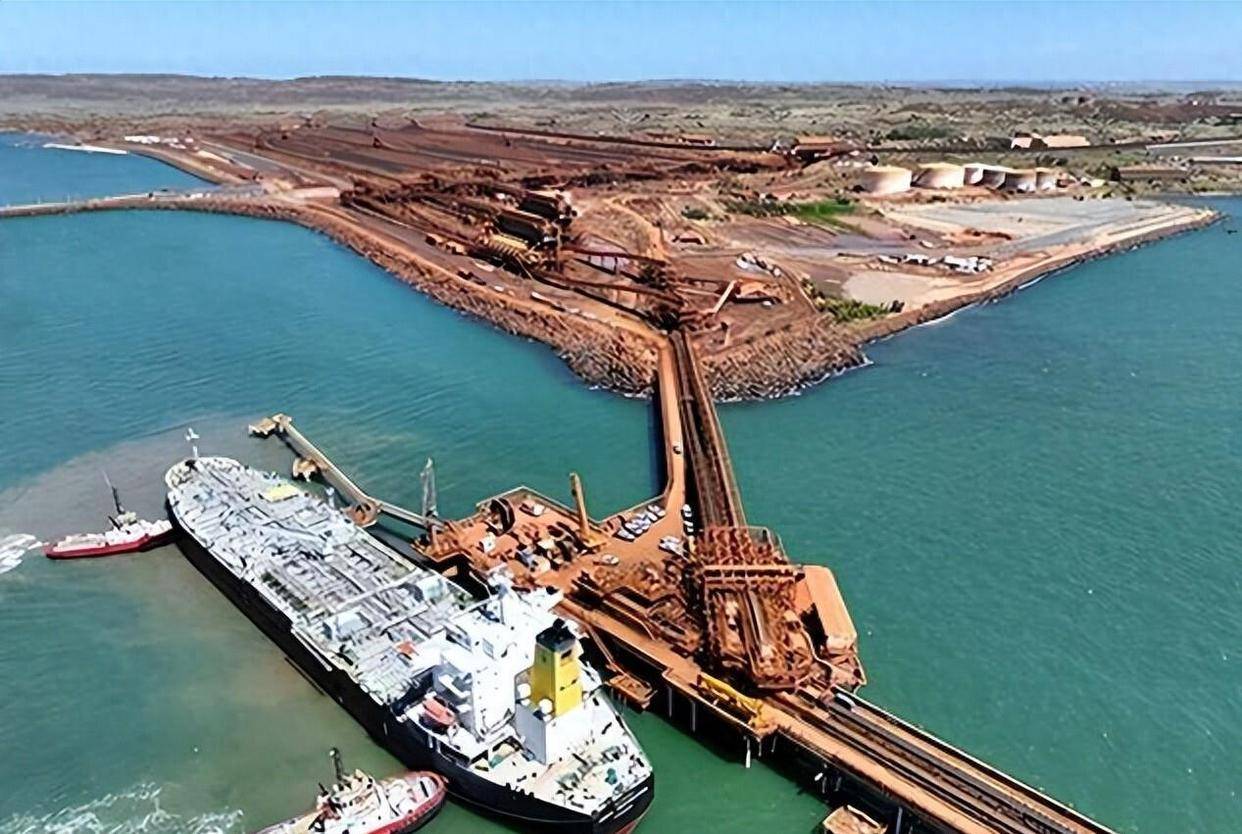
Core Viewpoint - The article discusses China's strategic shift in iron ore procurement, leading to BHP's acceptance of RMB settlement, marking a significant change in the global iron ore pricing and trading landscape [1][5]. Group 1: China's Iron Ore Market Dynamics - China imports over 1.1 billion tons of iron ore annually, accounting for 75% of global seaborne trade, but has been constrained by a Western-dominated pricing system [3]. - The establishment of China Mineral Resources Group aims to consolidate procurement from major steel companies, transforming the buyer-seller dynamic from "many to few" to "one to one" [3][5]. - BHP's revenue in 2024 was $55.6 billion, with $34.7 billion coming from China, while Chinese steel mills operate with an average profit margin of less than 5% [3]. Group 2: Strategic Responses and Market Changes - In the first five months of 2025, China's iron ore imports decreased by 6%, signaling weakened demand [5]. - China is diversifying its supply sources, with Guinea's Simandou mine set to produce 10 million tons annually by the end of 2025, and Brazilian Vale already accepting RMB settlements [5]. - The procurement ban on BHP's dollar-denominated orders directly impacted its revenue, with a potential loss of over $20 billion annually [5]. Group 3: Implications of RMB Settlement - The shift to RMB settlement allows Chinese companies to avoid risks associated with USD exchange rate fluctuations, which have resulted in cumulative losses exceeding 80 billion yuan over five years [5]. - The transition to RMB for iron ore trading could have a ripple effect, with Vale planning to convert 20% of its trade with China to RMB and Saudi Aramco discussing similar plans for oil [7]. - The establishment of the "Beijing Iron Ore Index" challenges the Platts index, promoting a more transparent pricing mechanism based on domestic port spot trading data [7]. Group 4: Global Trade and Currency Dynamics - Australia's economy could shrink by 0.3% if trade with China continues to be disrupted, as iron ore exports constitute 40% of its total exports [7]. - Other resource-rich countries are adjusting their strategies, with Brazil viewing RMB settlement as an opportunity to reduce USD dependency [7]. - The article highlights the ongoing evolution of global trade rules from a unipolar to a multipolar system, questioning who will ultimately dictate these rules [9].

X @外汇交易员
外汇交易员· 2025-08-28 07:46
Economic Impact - The Bank of Korea anticipates a significant blow to the South Korean economy due to the 15% US tariff on Korean exports, affecting trade, financial markets, and business confidence [1] - The US tariff is projected to decrease South Korea's economic growth by 0.45 percentage points this year and 0.6 percentage points by 2026 [1] - The US tariff is also expected to reduce South Korea's CPI by 0.15 percentage points this year and 25 percentage points by 2026 [1] Industry Specific Concerns - The steel and automotive industries are particularly vulnerable to the US tariffs [1] - Increased investment in the US, driven by the tariffs, could potentially deplete South Korean industries [1] Long-Term Risks - South Korea faces the risk of supply chain disruptions, industrial hollowing-out, and shifts in the global trade landscape [1] - These risks could permanently reshape the South Korean economy, potentially leading to job losses and talent drain [1]