
种业

Search documents
国家盐碱地综合利用技术创新中心:把科技“种子”播在希望田野
Qi Lu Wan Bao Wang· 2025-06-06 12:26
Core Insights - The comprehensive utilization of saline-alkali land is crucial for ensuring national food security and stabilizing China's agricultural foundation [1] - The National Saline-Alkali Land Comprehensive Utilization Technology Innovation Center is a key platform for technological innovation in saline-alkali land utilization [1][4] - The development of new peanut varieties that are salt-alkali resistant is a significant achievement, with varieties like "Yuhua 18" being recognized for their high oil content and yield [3][4] Group 1: Technological Innovations - The National Saline-Alkali Land Center has established a breeding innovation system that integrates various stages from resource preservation to field testing, significantly shortening the breeding cycle [5] - The center has collected over 6,600 excellent germplasm resources, including various crops such as soybeans, corn, and peanuts [4] - In the past year, the center has cultivated 37 new varieties and promoted salt-alkali resistant varieties across over 14.89 million acres [5] Group 2: Research and Development - Professor Wang Jingshan's team has made breakthroughs in breeding high-yield, salt-alkali resistant peanut varieties, contributing to improved agricultural outcomes for local farmers [3] - The "Yuhua 18" peanut variety has been recognized as a leading crop in national grain and oil production, showcasing the potential of saline-alkali land [3][4] - The center's efforts are aimed at developing a sustainable agricultural model that balances ecological benefits with economic returns [1][5]

习近平主持召开中央全面深化改革委员会第二十次会议强调统筹指导构建新发展格局 推进种业振兴 推动青藏高原生态环境保护和可持续发展
Xin Hua Wang· 2025-06-06 03:16
Group 1: New Development Pattern - The meeting emphasized that accelerating the construction of a new development pattern is a strategic move to enhance survival, competitiveness, and sustainable development in the face of various challenges [2][3] - It was highlighted that the focus should be on problem-oriented approaches, targeting key bottlenecks and difficulties to drive strategic transformation [3] Group 2: Agricultural Modernization - The meeting underscored the importance of seed industry development as a foundation for agricultural modernization, stressing the need for national seed security [2][4] - Significant progress has been made in the seed industry, but the urgency for self-sufficiency in seed sources is greater than ever, with food security being a top priority [4] Group 3: Ecological Protection and Sustainable Development - The meeting pointed out the need for ecological environment protection and sustainable development in the Qinghai-Tibet Plateau, emphasizing the importance of prioritizing ecological protection as a fundamental premise for regional development [5] - It was noted that since the 18th National Congress, efforts have been made to protect and restore key ecological areas, effectively curbing ecological degradation [4][5] Group 4: Free Trade Zones - The establishment of 21 free trade pilot zones has created a comprehensive testing ground for high-level institutional innovations, contributing significantly to high-quality development [6] - The meeting called for deeper institutional opening-up and greater reform autonomy for free trade zones to enhance their international competitiveness [6]
李荣灿在陵水黎族自治县开展提案督办
Hai Nan Ri Bao· 2025-06-05 23:34
Group 1 - The core focus is on promoting the high-quality development of the southern seed industry in Hainan, emphasizing the importance of seed sovereignty for food security [2] - The provincial government is urged to enhance the construction of southern breeding bases and improve the efficiency of proposal handling related to seed industry development [2] - The proposals from provincial committee members are recognized for their relevance to national food security and seed industry development, highlighting the need for comprehensive public service systems for breeding units [2] Group 2 - The visit to Wuxing Village in Wenluo Town showcases the successful development of mango planting and rural tourism, which contributes to poverty alleviation [3] - The exploration of industrial park construction and new business models such as short dramas and gaming exports indicates a focus on diversifying the local economy [3]
鑫闻界|透过运满满大数据看山东春耕农资供应全国的“货运之旅”
Qi Lu Wan Bao· 2025-06-05 11:53
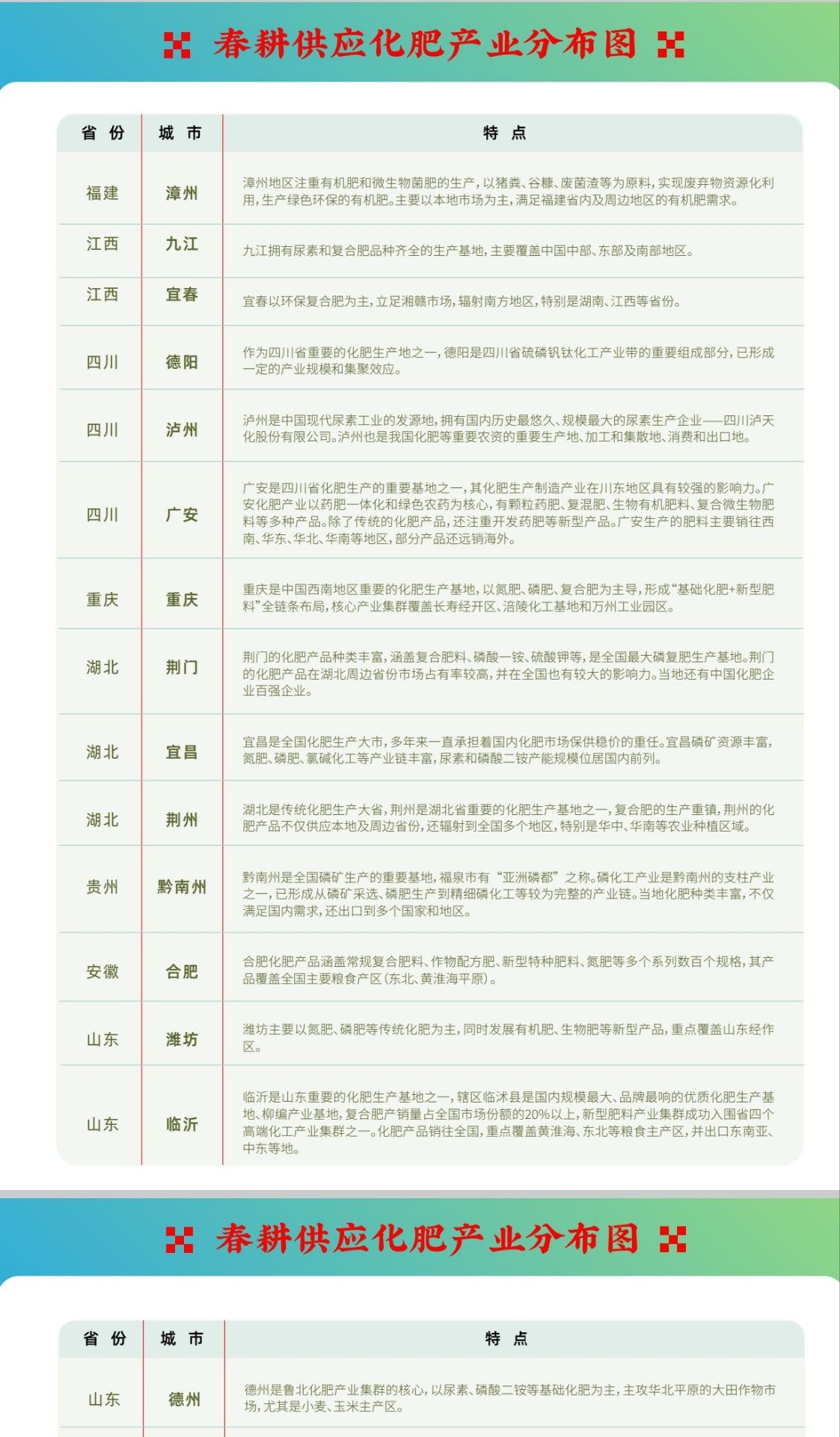
Core Viewpoint - Shandong plays a crucial role in the national agricultural supply chain, acting as both a major producer and distributor of agricultural materials during the spring plowing season, with significant increases in logistics and transportation efficiency [1][2][9]. Group 1: Agricultural Supply and Demand - Shandong is a key agricultural province in China, being the first province to exceed a trillion yuan in agricultural output value, with substantial demand for spring agricultural materials [2]. - The province ranks among the top in both shipping and receiving agricultural materials, indicating a robust supply and demand dynamic [2][5]. - The presence of numerous fertilizer companies in Shandong ensures ample production capacity, supporting both local and regional agricultural needs [5][11]. Group 2: Transportation and Logistics - The digital freight platform, Yunmanman, has reported a significant increase in the transportation volume of agricultural materials, particularly fertilizers, during the spring plowing season [5][12]. - The efficient logistics facilitated by digital platforms have improved the connection between supply and demand, allowing for timely delivery of agricultural inputs to various regions [12]. - Shandong serves as a transportation hub, connecting southern and northern regions, and facilitating the flow of agricultural resources across the country [11][12]. Group 3: Industry Characteristics - Shandong's agricultural industry benefits from a well-established infrastructure for the production and distribution of fertilizers, seeds, and agricultural machinery [4][6]. - The province's agricultural machinery sector is also significant, with a focus on high-end intelligent agricultural equipment, contributing to national food production [8]. - The integration of digital logistics solutions has enhanced the efficiency of agricultural material distribution, reducing costs and improving service delivery [12].
推动现代种业发展,济南多措并举引进种业人才
Qi Lu Wan Bao Wang· 2025-06-05 05:09
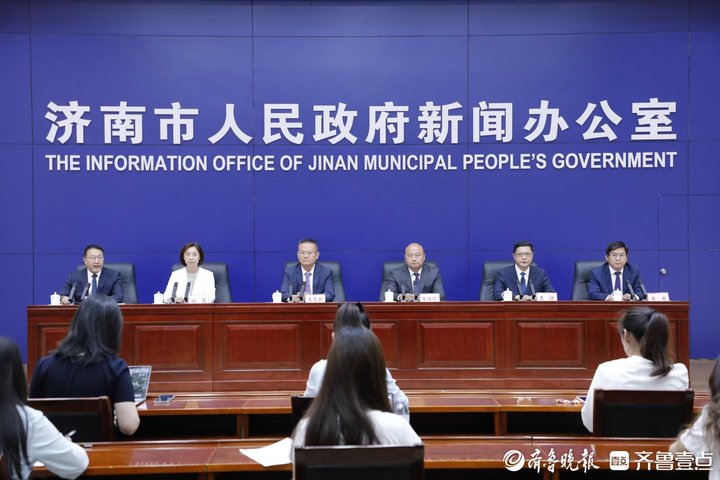
Group 1 - The Jinan municipal government has introduced special policy measures to strengthen talent development in four specific areas: digital economy, youth technology, senior talent, and seed industry [1][3] - The seed industry talent is identified as a key driver for modern seed industry development, with plans to collaborate with renowned agricultural institutions to attract high-level talent in major crops, vegetable seedlings, and livestock breeding [3] - Jinan aims to create innovation and entrepreneurship platforms, focusing on building national key laboratories, provincial scientific innovation platforms, and enterprise research centers [3] Group 2 - The city plans to establish modern seed industry parks with various scales, including a hundred-acre innovation park, a thousand-acre agricultural innovation city, and a ten-thousand-acre demonstration area [3] - Jinan will encourage the formation of breeding innovation alliances led by technology innovation leaders and accelerate the implementation of the "ranking and leadership" project in the seed industry to enhance talent innovation capabilities [3] - Notably, Jinan has included chief scientists and deputy chief scientists from the National Agricultural Industry Technology System in the talent classification recognition scope, allowing for recognition of other significant contributors through expert recommendations [3]
五大连池市:试验播种“绘”新景 科技赋能“谱”新篇
Zhong Guo Fa Zhan Wang· 2025-06-04 09:08
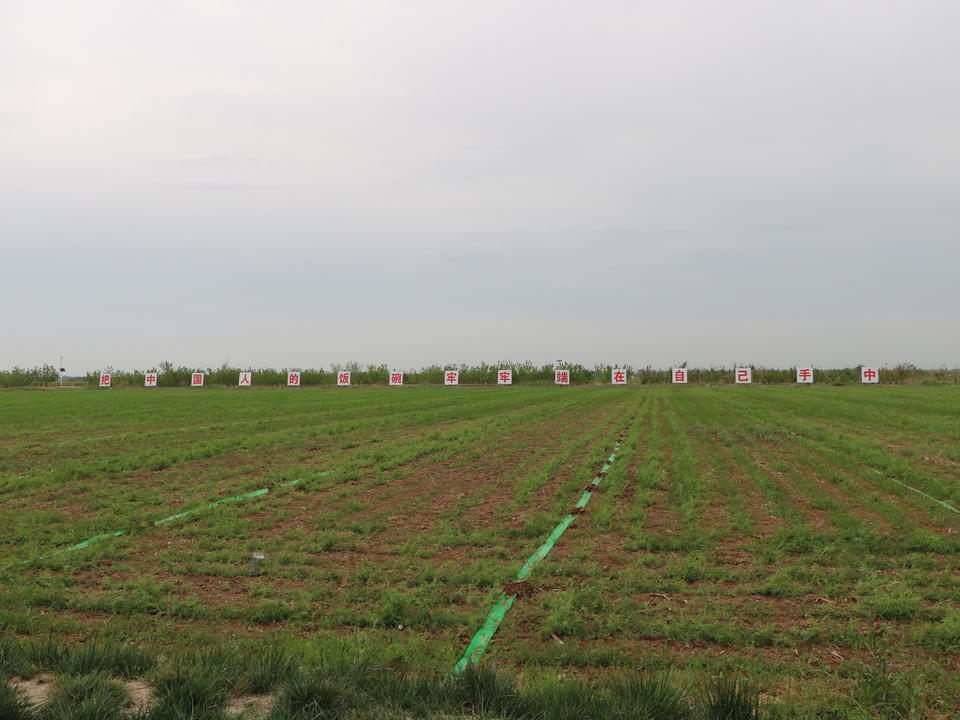
中国发展网讯 记者袁小峰林强报道 近日,黑龙江五大连池市政府与东北农业大学合作共建的大豆育种 研发中心项目正式启动首次春播工作,标志着双方在大豆种质资源创新、品种选育等科研领域的合作进 入实质性阶段,同时也意味着双方将携手探索产学研深度融合新路径,为提升区域大豆育种水平、推动 农业高质量发展注入强劲动能。 五大连池市现代农业产业园的1650亩育种试验田是大豆育种的重要基地,这里不仅为培育大豆新品系提 供种质资源储备,还通过标准化种植模式,发挥农业科技示范引领作用。目前,试验田已形成多元化功 能布局,包含市校合作实验区、种业创新研发区、国家核心品种展示区,以及2025年黑龙江省农作物专 家育种示范核心基地,成为集科研攻关、成果转化、技术推广于一体的现代农业样板区。 五大连池市农业农村局二级主任科员庞友祥表示,今年大豆育种试验田播种工作已经完成了95%以上, 这些地块主要用于高校和种业育种研发使用,通过引入高校的科研力量,为大豆种业的发展注入了新的 活力,促进粮食单产提升,助力农民增收致富。 在五大连池市现代农业产业园育种试验田里,东北农业大学的专家进行播种前的各项准备工作,严格按 照预定的方案进行操作,对播种的 ...
3000多个新品将亮相武汉种业博览会
Chang Jiang Ri Bao· 2025-06-04 02:47
Core Viewpoint - The 2025 Wuhan Seed Industry Expo will be held from June 6 to June 8, focusing on the theme "Empowering the Pivot, Strengthening the Core of Seed Industry" [1] Group 1: Event Overview - The main venue is located at the North Park of Wuhan Academy of Agricultural Sciences, with four sub-venues in various agricultural parks [1] - Over 500 agricultural enterprises will showcase more than 3,000 new varieties, products, and equipment during the expo [1] - The expo will feature a combination of physical and online exhibitions, along with various themed activities such as investment promotion and smart agriculture discussions [1] Group 2: Innovations and Technologies - The expo will highlight the fully biodegradable film technology, which has been successfully applied on a large scale since 2024, demonstrating effective moisture retention and weed prevention [1] - The ARC microbial agent developed by the Chinese Academy of Agricultural Sciences will also be presented, which effectively controls aflatoxin contamination in oilseed crops while promoting sustainable farming practices [1] Group 3: Unique Crop Varieties - A unique "fat-reducing cucumber" will be showcased, which has a significantly higher content of malic acid compared to regular cucumbers, aiding in fat reduction [2] - This year's expo will feature the largest number of varieties of fresh-eating tomatoes, reflecting the growing market demand for healthy food options [2]
助力水稻研究与智能育种 种业大语言模型“丰登·水稻”向全球开放网站
Hai Nan Ri Bao· 2025-06-04 01:19
Core Insights - The "Fengdeng Rice" model, the world's first large language model specifically designed for rice breeding, has been officially launched, integrating a comprehensive rice biological knowledge graph and establishing the largest rice research corpus globally [1][2] - The model aims to enhance the efficiency and quality of agricultural breeding research by providing a deep understanding of crop biology and specialized reasoning capabilities [1][2] Group 1: Model Development - The research team has constructed the largest rice research corpus, integrating over 1.4 million Chinese and English publications, covering more than 98% of published results in the field [2] - The "Fengdeng" model was developed based on Alibaba's Tongyi Qianwen model, with continuous training and fine-tuning processes [2] - An automated evaluation dataset, SeedBench, was created, containing 1,975 question-answer pairs across 10 task categories, demonstrating the model's superior accuracy compared to mainstream models [2] Group 2: Evaluation and Performance - A high-quality human evaluation dataset, HumanDesignRiceQA, was designed with 253 specialized questions focusing on key topics such as gene function and molecular design breeding, evaluated by 326 reviewers, including 83 senior experts in rice research [2] - The results indicate that the "Fengdeng" model outperforms OpenAI's GPT-4 and the average performance of undergraduate students in terms of answer quality [2] Group 3: Knowledge Graph and Practical Applications - The research team has also developed the world's first rice multi-omics knowledge graph, integrating data from 1,879 publications related to rice transcriptomics and proteomics, encompassing over 400,000 nodes and 1.57 million edges [3] - The model's capabilities in language understanding and knowledge reasoning position it as a critical tool for supporting rice research and intelligent breeding [3] - The "Fengdeng" service enables collaborative reasoning across structured graphs, allowing for precise queries and integration of multidimensional evidence [3]
财经观察:中国南北方多维度破解大豆难题
Huan Qiu Shi Bao· 2025-06-03 22:53
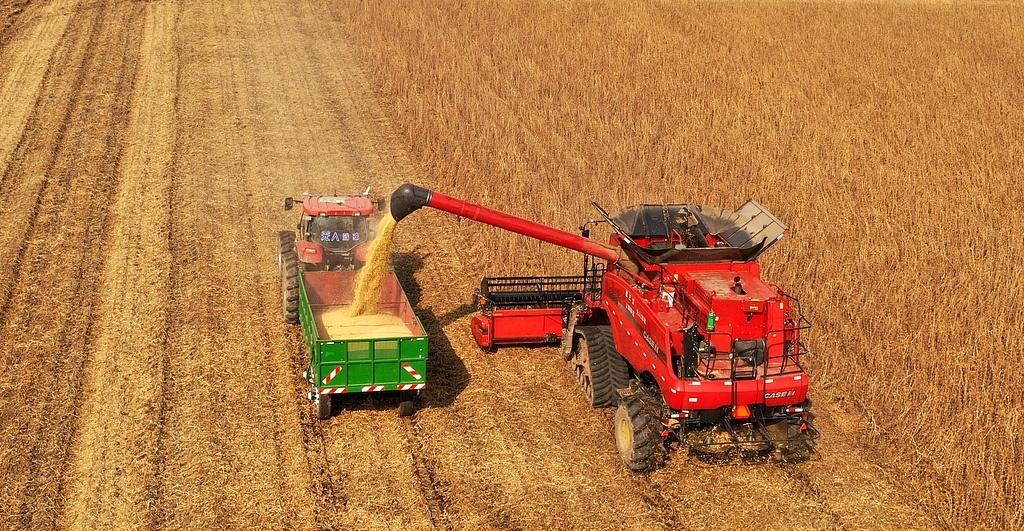
Core Viewpoint - China's soybean industry is adapting to challenges posed by trade tensions, focusing on self-sufficiency and technological advancements in breeding and production [1][10]. Group 1: Soybean Production and Breeding - The southern soybean breeding team has achieved an increase in production by 5 million tons, with new high-yield varieties being developed [2][5]. - In 2024, China's soybean production is projected to reach 20.65 million tons, with a yield of 133.35 kg per mu, marking a significant increase from previous years [5][8]. - The southern region is a key area for high-protein soybean production, meeting domestic demand for edible soybeans, while the feed and oil markets rely heavily on imports [4][5]. Group 2: Technological Advancements - The breeding process has evolved, allowing for multiple generations of hybridization within a year in controlled environments, enhancing the efficiency of developing new soybean varieties [4][8]. - The industry is transitioning from traditional breeding methods to more advanced techniques, including the use of AI and big data, to improve breeding outcomes [8][9]. Group 3: Market Dynamics and Strategies - The trade war has prompted a shift in China's soybean import strategy, with increased focus on diversifying sources and enhancing domestic production capabilities [10][11]. - Experts emphasize the need for improved harvesting technology to reduce losses during soybean collection, which currently sees significant amounts of soybeans lost in the process [11]. - The industry is exploring alternative protein sources and crop rotations to mitigate reliance on soybean imports and enhance domestic supply [11].
四川6个国家级制种大县(市、区)启动种子认证工作一年 种子“持证上岗”制种企业咋“赶考”?
Si Chuan Ri Bao· 2025-06-03 06:59
Core Viewpoint - The establishment of a national seed certification system in China aims to enhance seed quality and competitiveness in the agricultural sector, with specific implementation in Sichuan province [1][5]. Group 1: Seed Certification Process - The seed certification process involves independent third-party organizations overseeing the entire quality control from production to packaging [2]. - Certification requires that seeds exceed national standards by 1 to 3 percentage points in key quality indicators such as germination rate, purity, moisture, and cleanliness [2][4]. - For example, rice seed purity must reach 98% for certification, compared to the national standard of 96% [2]. Group 2: Challenges in Certification - Achieving certification standards is complex, requiring multiple batches of seeds to meet the criteria before they can be marketed [3]. - Weather conditions, such as continuous rainfall during the flowering period, can significantly impact the certification process for seed companies [3]. Group 3: Benefits of Certification - Certified seeds can lead to higher yields, with a 1% increase in germination rate potentially resulting in a 1% increase in production [4]. - Certification enhances market competitiveness and brand reputation for seed companies, making their products more attractive in a crowded market [4]. - The first batch of certification certificates was issued in March, covering 32 companies and totaling 1,104.5 million kilograms of certified seeds [4]. Group 4: Government Support and Future Plans - The Sichuan government has allocated central financial rewards to encourage seed companies to apply for certification [5]. - The 2025 development plan for modern agriculture in Sichuan includes goals for increasing certified seed production areas, particularly for rice and oilseed crops [5].