
智能穿戴设备

Search documents
智能眼镜市场快速增长明年有望迎来规模化拐点
Zheng Quan Shi Bao· 2025-11-21 23:34
Core Insights - The smart glasses market, including XR and AI glasses, is experiencing strong growth driven by major tech companies like Baidu, Alibaba, and Xiaomi accelerating their investments and product launches [1][2][3] Market Growth - According to IDC, the global smart glasses shipment is expected to reach 12.8 million units by 2025, with a year-on-year growth of 26%, and the Chinese market is projected to exceed 2.75 million units, growing by 107% [3] - Tmall reported a 2500% year-on-year increase in sales for AI glasses as of October 30, while JD.com noted a 346% increase during the "Double 11" shopping festival, marking AI glasses as one of the fastest-growing categories in the digital industry [2] Technological Advancements - The integration of AI and AR is seen as a key trend, with AR glasses being the optimal carrier for AI technology in daily life [3] - Micro LED technology is being prioritized by display companies due to its advantages such as high pixel density and low power consumption, which are essential for near-eye displays like smart glasses [6][7] Industry Dynamics - Companies are adopting a dual strategy in the AR glasses market, focusing on both B2B and B2C segments, leveraging existing resources and expanding into consumer markets [7] - The cost structure of smart glasses indicates that hardware components account for 80-85% of total costs, with significant potential for cost reduction through innovations in design and technology [4][8] Future Trends - The market is expected to transition through three development stages, starting with lightweight AI glasses without displays, moving to AI+AR single display, and ultimately achieving AI+AR dual full-color displays [5] - As optical and display technologies mature, the market for AR glasses is anticipated to expand, leading to a gradual "AR-ification" of AI glasses [5]
“潜水手表不能潜水”风波再起,小米否认虚假宣传,南京律师已提交起诉书
Yang Zi Wan Bao Wang· 2025-11-21 14:42
Core Viewpoint - The controversy surrounding Xiaomi's diving watch has escalated due to user complaints about water damage, leading to a lawsuit alleging false advertising regarding the watch's waterproof capabilities [1][6][15] Group 1: Incident Overview - A user reported that their Xiaomi Watch S4 Sport, advertised with a 40-meter diving capability, suffered water damage after four days of use while diving [2][5] - The customer service response indicated that the watch is not recommended for diving, which sparked widespread discussion and ridicule online [4][5] Group 2: Legal Action - Lawyer Hu Youru announced plans to sue Xiaomi for false advertising, claiming the watch's 5ATM waterproof rating is misleading given the typical requirements for swimming and professional diving [6][11] - The lawsuit highlights discrepancies between the advertised features and the actual performance of the watch, particularly regarding its waterproof certification [11][13] Group 3: Xiaomi's Response - Xiaomi issued a statement denying any false advertising, claiming that the customer service recording was misrepresented and that the watch is certified for various diving modes [13][14] - The company acknowledged service shortcomings but maintained that the watch meets the EN13319 international diving certification standards [14][15] Group 4: Ongoing Developments - Hu Youru confirmed that he has submitted the lawsuit and plans to provide additional materials as required by the court [15] - The core issue remains whether the watch's 5ATM rating is sufficient for diving, with Hu expressing doubts about its safety and performance [15]


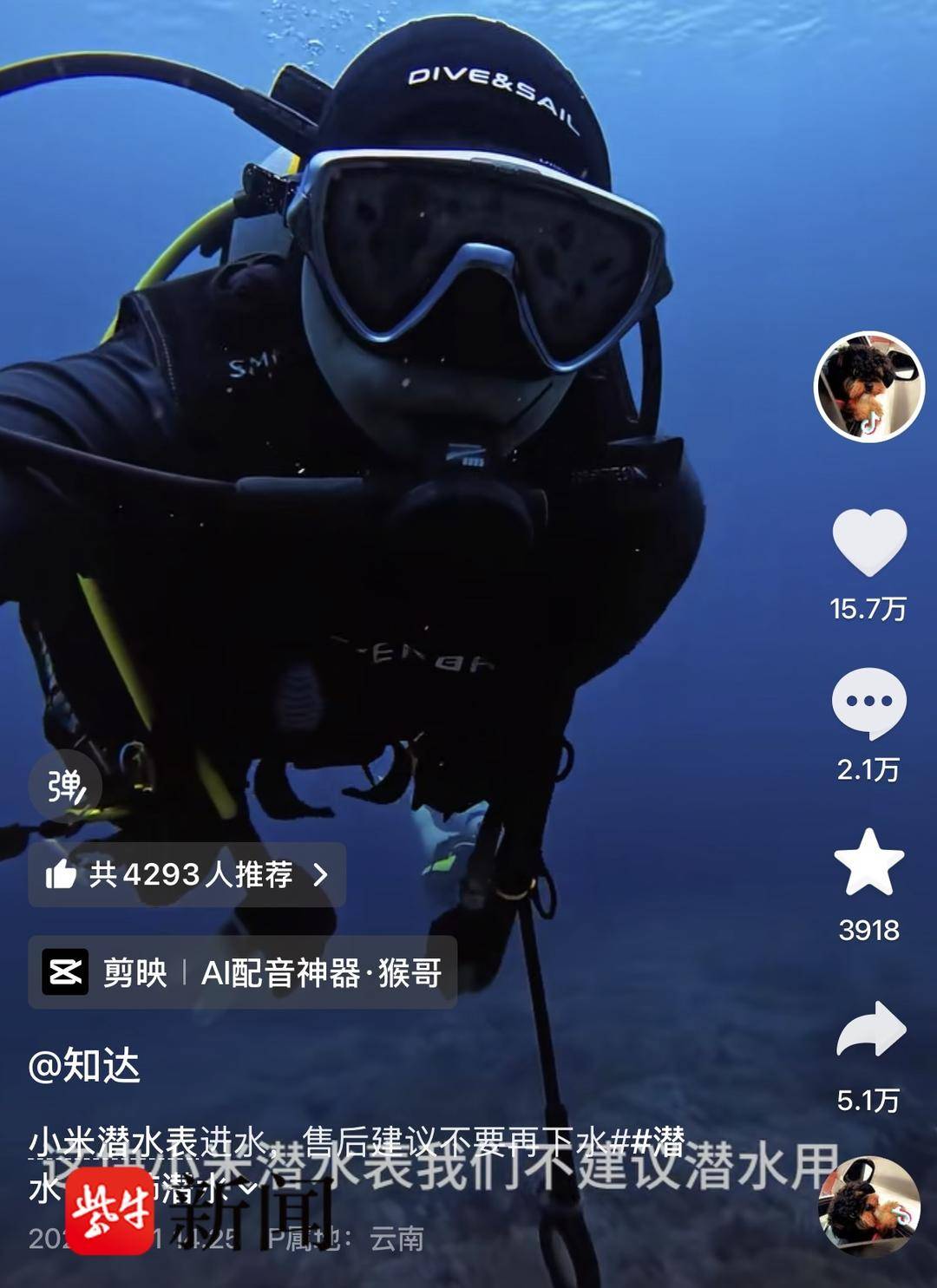
小米回应潜水表争议:网传视频存在移花接木,S4标准版并不支持潜水
Feng Huang Wang· 2025-11-21 05:35
Core Viewpoint - Xiaomi addressed the controversy regarding its "Xiaomi Watch S4" and clarified that the customer service inquiry in the viral video was related to the standard version, which is not designed for diving, while the sport version is certified for such activities [1][2] Group 1 - Xiaomi confirmed that the customer in question owned the "Xiaomi Watch S4 Sport," which is designed for diving and has undergone hardware repairs to restore its functionality [2] - The company acknowledged that the communication from customer service regarding the repaired product was not precise, leading to user concerns about reliability, and expressed apologies for this [2] - Xiaomi emphasized the importance of understanding the limitations of professional diving equipment, stating that even the certified "Xiaomi Watch S4 Sport" should avoid exposure to extreme conditions such as hot water showers and high-pressure water flows [2] Group 2 - The company clarified that the standard version of the "Xiaomi Watch S4" has a 5ATM water resistance rating but does not claim to support diving, while the sport version has both 5ATM certification and SGS EN13319 international diving certification [1] - Xiaomi highlighted that the misleading information arose from the mixing of customer service inquiries related to different product lines, which could confuse consumers [1] - The official statement included a commitment to review service standards to prevent similar issues in the future [2]

Rokid“风林火山”四大国潮系列发布
Xin Lang Ke Ji· 2025-11-20 07:20
Core Insights - Rokid has launched the "Wind, Forest, Fire, Mountain" series of national trend smart glasses, integrating traditional cultural symbols with modern technology [1] - The new series showcases advancements in functional innovation and fashion integration within the company's wearable devices [1] Product Details - The "Wind" series model, named "Liu Lan," features Hangzhou embroidery craftsmanship, embodying the theme of "poetry of nature" [1] - The "Forest" series model, named "Lin Xi," utilizes wood carving craftsmanship, conveying the philosophy of "coexistence with nature," priced at 5688 [1] - The "Fire" series model, named "Zhuo Hua," employs dripping glaze craftsmanship, priced at 5858 [1] - The "Mountain" series model, named "Shan Jing," uses leather carving craftsmanship, priced at 4599 [1] User Engagement - Rokid reports an average daily usage time of nearly 8 hours for the smart glasses, with cumulative usage exceeding 15 million times [1] - A significant 81% of users express willingness to create and share content related to the product [1]
IDC:预计2026年中国智能眼镜市场将迎来规模化关键转折点
Zheng Quan Shi Bao Wang· 2025-11-20 06:10
人民财讯11月20日电,IDC发文称,2025年,智能眼镜在硬件轻量化和在基础AI功能上持续突破,为体 验升级和产品功能创新奠定基础。2026年,中国智能眼镜市场将迎来规模化的关键转折点,产品形态、 交互方式与服务模式都将发生重要变化。2026年,全球智能眼镜市场出货量预计将突破2368.7万台,其 中中国智能眼镜市场出货量将突破491.5万台,市场正式迈入规模化增长新阶段。 ...
与清华实验室共创未来:灵希连续血压手表的N+1个技术突破
Sou Hu Wang· 2025-11-20 03:07
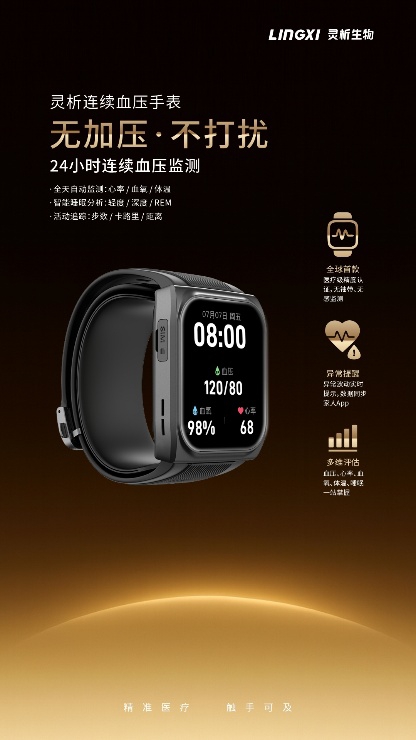
Core Insights - The article discusses the breakthrough of the "Lingxi Continuous Dynamic Blood Pressure Watch," which addresses the challenges of continuous blood pressure monitoring, a critical health indicator closely related to cardiovascular health [3][10] Group 1: Technological Breakthroughs - The watch utilizes a unique combination of PPG (Photoplethysmography) and micro-pressure technology, allowing for accurate and comfortable blood pressure measurements without the discomfort of traditional methods [5] - It enables continuous monitoring of nighttime blood pressure, which has been overlooked in traditional methods, providing valuable data for predicting cardiovascular events [6] - The device is designed for a wide range of users, from diagnosed hypertension patients to healthy individuals, offering personalized health management solutions [8] Group 2: User Experience and Functionality - The watch features independent 4G communication, allowing for real-time data upload and emergency contact capabilities, enhancing user safety in critical situations [8] - It simplifies the calibration process through AI clustering, making it user-friendly and potentially reducing the need for frequent calibrations in the future [9] - The collaboration between Tsinghua University and Lingxi Bio represents a successful integration of academic research and market application, aiming to improve public health management [10]
夸克AI眼镜与支付宝合作再升级 骨传导拾音、准心辅助等独家能力曝光
Zheng Quan Ri Bao Wang· 2025-11-19 12:18
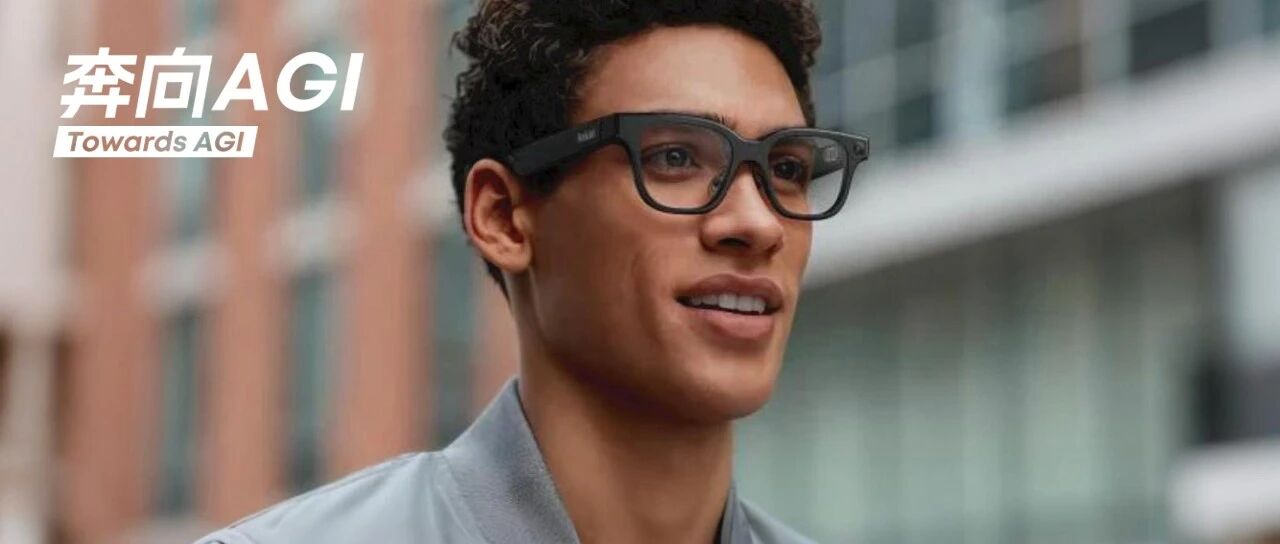
Core Insights - Quark AI glasses and Alipay have upgraded their collaboration to enhance payment experiences with new features like "crosshair assistance" and bone conduction audio pickup [1] - The "crosshair assistance" function improves the accuracy of scanning various payment codes, significantly enhancing the scanning efficiency and overall user experience [1] - The payment interface has been optimized for smart glasses usage, making the payment process more intuitive and convenient [1] - To address potential noise interference and unclear voice recognition, Quark AI glasses are equipped with a microphone array consisting of five microphones and one bone conduction unit, improving audio capture [1] - The combination of audio capture technology and financial-grade voiceprint verification, along with Alipay's multi-dimensional risk control system, enhances the security of the payment process [1] - Quark AI glasses currently support various payment codes and devices, with plans to expand into broader scenarios such as parking payments, bike scanning, lifestyle services, and online ordering [1] - A new product launch event for Quark AI glasses is scheduled for November 27, with the first batch of products expected to ship in early December [2]
退货率高达50%!AI眼镜是下一个iPhone,还是下一个“智商税”?
创业邦· 2025-11-19 10:11
Core Viewpoint - The AI glasses market is experiencing explosive growth, with significant sales increases during events like Double Eleven, but high return rates pose challenges for companies [3][6][18]. Sales Performance - During Double Eleven, Rokid achieved the highest sales in the AI glasses category, with a 10-fold increase on JD and an overall growth of 800%, surpassing 50 million yuan in sales [6][10]. - Rokid's new AI glasses sold 40,000 units within five days of launch, with total orders reaching 200,000 units since the beginning of 2025 [3][10]. Product Features and Comparisons - Rokid AI glasses feature a green screen display and can integrate with prescription lenses, while the Baolong AI glasses focus solely on voice control and are lighter but lack visual information [6][8]. - The weight and battery life of the glasses present trade-offs, with Rokid's glasses weighing 49 grams and having shorter battery life compared to Baolong's 39 grams and longer battery life [6][8]. Market Dynamics - The AI glasses market is expected to see intense competition by 2025, with nearly 20 companies launching products, including major players like Alibaba and Baidu [13][16]. - Rokid and other leading companies are backed by government support, which aids in their growth and funding [13][14]. Consumer Behavior and Challenges - High return rates, estimated at over 50%, are driven by consumer dissatisfaction after trying the glasses, often due to expectations not being met [4][18]. - Consumers question the value of AI glasses compared to traditional glasses and smartphones, leading to hesitance in purchasing [18]. Strategies to Reduce Returns - Implementing offline try-on services in traditional eyewear stores can help reduce return rates by allowing consumers to assess fit and comfort before purchase [19][21]. - Rokid's collaboration with Baolong includes providing trial services in over 15 eyewear chains, enhancing consumer experience and reducing returns [21]. Industry Outlook - The industry is still in its early growth phase, with companies needing to find unique positioning to succeed [22]. - The challenge of balancing weight, battery life, and performance remains, with the potential for a company to emerge as a leader akin to the iPhone if they can achieve this balance [22].
儿童手表暗藏“社交黑箱”,刷赞养号成中小学生“硬通货”
Xi Niu Cai Jing· 2025-11-19 06:40
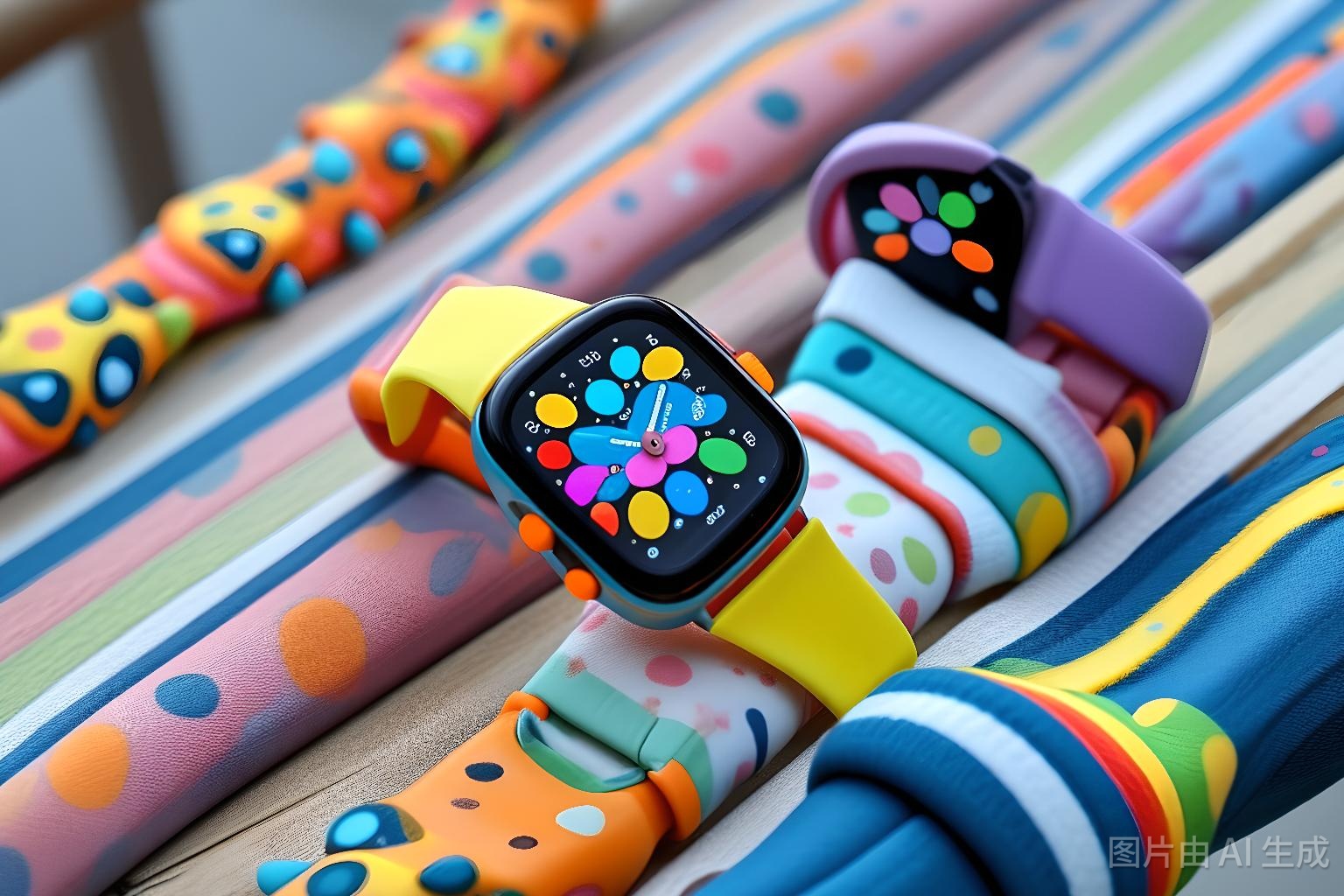
Core Viewpoint - The children's smartwatch, originally designed for safety, has transformed into a platform for commercial exploitation and social comparison, leading to the emergence of gray market activities such as account leasing and like farming [2] Group 1: Product Features and Market Dynamics - The smartwatch utilizes a "tap to add friends" feature to create a social circle for children, incorporating gamification elements like points, badges, and levels to appeal to minors' desire for recognition and competition [2] - The "homepage likes" metric has become a key indicator of social status within the "Little Genius" community, simplifying social interactions into a data competition [2] Group 2: Psychological and Social Implications - The design that quantifies social interactions into numerical rankings leads children to invest significant time and energy in seeking likes and points, potentially encroaching on their study and rest time, and may induce anxiety and distort their developing values [2] - There is a concerning trend of social pressure among children, exemplified by the slang "not liking will get you scolded," which reflects the invisible social stress created by these platforms [2] Group 3: Regulatory and Industry Challenges - Analysts highlight that the "Minor Protection Law" mandates that products aimed at minors must prevent addiction and avoid negative influences; however, the smartwatch's like and ranking system encourages comparison and prolonged use without effective intervention mechanisms [3] - The rapid growth of the children's smart wearable market necessitates finding a balance between commercial innovation and the protection of minors, which remains a pressing issue for the industry [3]
智能AI眼镜市场较去年同期增长64.2% 消委发报告 看谁更好用
Shen Zhen Shang Bao· 2025-11-18 23:23
Core Insights - The global smart AI glasses market is rapidly expanding, with a projected shipment volume of 4.065 million units in the first half of 2025, representing a significant year-on-year increase of 64.2% [1] Group 1: Product Testing and Performance - A comparative testing report was released by consumer associations in Guangdong, Shenzhen, and Zhongshan, evaluating 15 smart AI glasses samples purchased from e-commerce platforms, priced between 398 yuan and 4999 yuan [2] - All tested samples met safety standards for thermal burns, sound energy source protection, retinal blue light hazard, and electrostatic discharge immunity, indicating strong performance in these areas [2] - The battery life of the samples ranged from 97 minutes to 673 minutes, with RXRH and KRETA brands exceeding 500 minutes, showcasing excellent endurance [3] - Brands such as HUAWEI and Ray-Ban excelled in comfort, while HUAWEI, Xiaomi, INMO, and JBL demonstrated superior ease of control [3] - MYVU, Xuanjing MLVISION, and INMO offered a diverse range of functionalities, with Xiaomi and Ray-Ban excelling in photography features, and INMO providing real-time translation capabilities [3] - Despite the overall quality and safety, 13 samples were found to have vulnerabilities related to data tampering and repackaging, indicating a need for improved information security [3] Group 2: Recommendations for Industry and Consumers - The Guangdong Consumer Council suggested that companies enhance product security by addressing vulnerabilities, improving user data protection, and optimizing practical functionalities [4] - Companies are encouraged to lower user learning costs by providing clear usage tutorials and simplifying core operational steps [4] - Consumers are advised to choose reputable brands and verify product information to avoid counterfeit products, select features based on actual needs, and be cautious about privacy by using only certified applications [5]