
固体废物处理

Search documents
驱动“无废城市”双引擎:通过经济激励变“包袱”为财富,以技术赋能破处置难题
Guang Zhou Ri Bao· 2026-01-12 06:51
Group 1 - The core idea of the news is the promotion of "waste-free cities" in approximately 200 cities during the 14th Five-Year Plan period, aiming to enhance the green foundation of Chinese modernization [1] - Since the pilot program began in 2018, 113 cities and 8 regions have engaged in "waste-free city" construction, with over 1 trillion yuan invested and thousands of "waste-free cells" established [1] - Despite positive data, challenges remain, such as high solid waste storage levels and insufficient hazardous waste disposal rates, indicating a gap between data and reality [1] Group 2 - Economic incentives are crucial for driving participation in "waste-free city" initiatives, as merely advocating for environmental protection is insufficient [2] - The concept of waste as a "misplaced resource" highlights the need to create pathways for businesses and individuals to transform resources into assets [2] - In Guangzhou, the switch to "green electricity" for waste treatment has proven effective, with significant energy generation from waste incineration and a notable increase in the oil yield from kitchen waste [2] Group 3 - Continuous technological upgrades are essential for overcoming obstacles in "waste-free" initiatives, necessitating support for research and development [3] - Collaborative innovation mechanisms between industry, academia, and research institutions are vital for the application of technological advancements [3] - Successful examples, such as the collaboration in Hubei for soil improvement using industrial solid waste, illustrate the potential for comprehensive waste utilization [3]
科技创新成“固废大循环”核心驱动力
Ke Ji Ri Bao· 2026-01-07 01:21
Core Viewpoint - The "Solid Waste Ten Measures" plan is a significant policy milestone in China's environmental protection sector, emphasizing technological innovation as the core driver for enhancing solid waste management and promoting a "circular economy" [1][2]. Group 1: Key Objectives and Targets - By 2030, the plan aims for substantial improvements in solid waste management, including controlling historical waste stockpiles and curbing illegal disposal practices, with a target of 4.5 billion tons of annual comprehensive utilization of major solid waste and 510 million tons of annual recycling of key resources [1]. - A three-year special action against illegal disposal of solid waste will be initiated in 2025, focusing on hazardous waste, industrial solid waste, construction debris, and household waste [1]. Group 2: Emphasis on Resource Recycling - The plan highlights the importance of resource recycling, setting specific targets for the comprehensive utilization of major solid waste and recycling of key resources [2]. - It mandates that at least 1% of industrial land be allocated for resource recycling facility construction and emphasizes the integration of waste classification and storage into public infrastructure [2]. Group 3: Technological Innovation and Regulation - The plan stresses the need for technological innovation to support solid waste recycling and heavy metal pollution control, advocating for the development of key technologies and major equipment for resource recycling [2]. - It calls for enhanced information technology capabilities for monitoring the entire lifecycle of solid waste, promoting smart monitoring upgrades for enterprises to ensure traceability and control throughout the waste management process [3].

“固废十条”印发:以科技创新提升“固废大循环”能力
Ke Ji Ri Bao· 2026-01-06 14:45
Core Viewpoint - The "Solid Waste Comprehensive Management Action Plan" (referred to as "Solid Waste Ten Measures") is a significant policy milestone in China's environmental protection sector, emphasizing technological innovation as the core driving force for enhancing "solid waste circular economy" [1] Group 1: Policy Objectives - By 2030, the plan aims for significant improvements in solid waste management, including effective control of historical waste stockpiles and a reduction in illegal dumping, with annual comprehensive utilization of major solid waste reaching 4.5 billion tons and recycling of key resources reaching 510 million tons [1] - A three-year special action against illegal dumping of solid waste will be initiated in 2025, focusing on hazardous waste, industrial solid waste, construction waste, and household waste [1] Group 2: Resource Utilization and Technological Innovation - The plan emphasizes resource recycling, setting specific targets for the annual comprehensive utilization of major solid waste and recycling of key resources, while also integrating waste classification and storage into public infrastructure [2] - It promotes the development of key technologies for solid waste recycling and heavy metal pollution control, highlighting that technological innovation is essential for transforming low-quality solid waste into high-value products [2] Group 3: Regulatory and Monitoring Enhancements - The plan calls for improved information-based regulatory capabilities, advocating for the use of smart monitoring systems to ensure traceability and control throughout the entire lifecycle of solid waste [3] - It suggests that for solid waste that is currently uneconomical to recycle, compliant sanitary landfilling or ecological disposal methods should be employed until conditions for recycling are met [3]
严查电子垃圾进口 扩大禁塑令范围 马来西亚加强治理固体废物污染
Ren Min Ri Bao· 2026-01-05 22:33
Group 1 - Malaysia's enforcement agencies have intensified efforts to combat illegal electronic waste imports, with over 4 billion ringgit (approximately 685 million USD) in seized contraband from January to September 2025, marking a historical high for the period [1] - The government has implemented a "box-by-box inspection and random sampling" model at major ports to intercept illegal electronic waste and plastic waste, with a new law effective from July 2025 that bans the import of plastic waste from non-Basel Convention countries [1] - Joint operations between police and customs have conducted 7,136 maritime enforcement actions by October 2025, with electronic waste accounting for over 90% of the total value of seized contraband [1] Group 2 - Malaysia generates approximately 12 million tons of solid waste annually, with plastic pollution constituting over 30%, prompting the government to expand the ban on single-use plastic bags to various protected areas [2] - Penang state has initiated a "daily plastic-free" transition period, with measures such as distributing 100,000 eco-bags and promoting the use of natural materials for packaging, which have received public support [2] - Non-governmental organizations have suggested expanding the ban to include other single-use plastics and called for a comprehensive control system, while the Malaysian Grocers Association urges the government to provide alternative solutions for retailers [2] Group 3 - The federal government plans to enhance enforcement collaboration with states to ensure policy implementation and aims to include solid waste management as a core issue in ASEAN regional cooperation [3] - Research is underway to assess the feasibility of a complete ban on single-use plastic bags, with future policies promoting biodegradable materials and integrating green development concepts into daily life [3]
固体废物综合治理行动计划出台 上市公司积极行动
Zheng Quan Ri Bao· 2026-01-05 16:47
Group 1 - The "Comprehensive Solid Waste Management Action Plan" aims for significant improvements in solid waste management by 2030, including controlling historical waste stockpiles and achieving a comprehensive utilization of 4.5 billion tons of major solid waste annually [1] - The plan signals a strong commitment to ecological civilization and green, low-carbon development, indicating a systematic approach to environmental governance [1] - The solid waste treatment industry is expected to reach a market size of 1.3 trillion yuan by 2030, driven by national policies and technological innovations [1] Group 2 - Companies in the industry are actively positioning themselves, with examples including Fujian South Road Machinery Co., which offers a full chain of products for resource recycling in major infrastructure projects [2] - Zhuzhou Smelter Group's zinc smelting project integrates solid waste treatment, enhancing the recycling of waste generated during the smelting process [2] - Companies are focusing on technological innovation and expanding their service capabilities across the entire solid waste management chain, from collection to resource recovery, to improve market competitiveness and resilience [2]
加强固体废物综合治理,提高资源节约集约利用水平
Xinda Securities· 2026-01-05 06:04
[Table_ReportType] 行业点评报告 [Table_ReportDate] 2026 年 1 月 5 日 郭雪 环保公用行业联席首席分析师 [T事ab件le:_1Su月mm4ar日y],国务院印发《固体废物综合治理行动计划》(以下简称《行 动计划》),旨在加强固体废物综合治理,推进美丽中国建设,加快经济社会 发展全面绿色转型。《行动计划》明确了到 2030 年的主要目标,并部署了 推动源头管控和减量、规范收集转运和贮存、提升资源化利用水平、增加无 害化治理能力、实施重点领域专项整治等方面主要任务。 执业编号:S1500525030002 邮 箱:guoxue @cindasc.com 吴柏莹 环保行业分析师 执业编号:S1500524100001 邮 箱:wuboying@cindasc.com 信达证券股份有限公司 CINDA SECURITIES CO.,LTD 北京市西城区宣武门西大街甲127号金隅大厦B 座 邮编:100031 证券研究报告 行业研究 [Table_Title] 加强固体废物综合治理,提高资源节约集约利 用水平 点评: [Table_Author] [Table_Auth ...
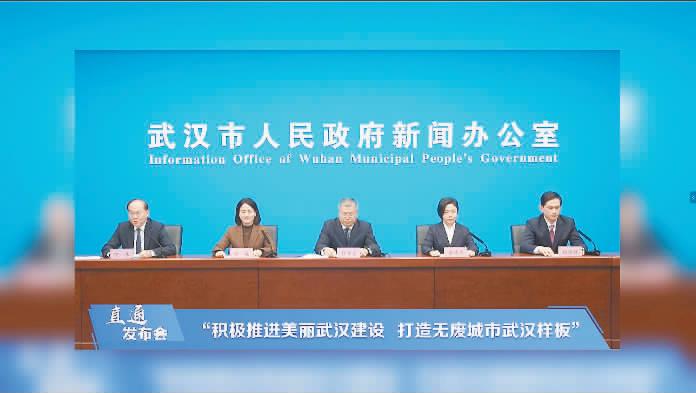
武汉“无废”答卷书写超大城市绿色嬗变
Zhong Guo Huan Jing Bao· 2025-12-18 02:00
Core Viewpoint - Wuhan is advancing its "waste-free city" initiative, integrating solid waste management with ecological protection and urban development, contributing a replicable model for solid waste governance in large cities since its inclusion in the national "waste-free city" list in April 2022 [1] Group 1: Strategic Framework - Solid waste management is identified as a critical bottleneck for sustainable urban development and a key test of governance capabilities in mega cities [2] - Wuhan has established a comprehensive regulatory framework, including the "Implementation Plan for Waste-Free City Construction" and the "Environmental Protection Measures for Solid Waste Pollution," to support its waste management efforts [2] - The city has developed a robust legal and policy system covering five major solid waste areas, ensuring that waste management is legally compliant and systematically organized [2] Group 2: Organizational Support - A leadership group for the "waste-free city" initiative has been formed, led by the city's main government officials, to ensure coordinated efforts across 16 districts and 28 departments [3] - The city has implemented a multi-faceted governance model that includes government leadership, departmental collaboration, and community participation [3] - Wuhan has established the largest circular economy benchmark in Central China, the Qianzi Mountain Circular Economy Industrial Park, with an investment of approximately 5.6 billion yuan, capable of processing 2 million tons of solid waste annually [3] Group 3: Technological and Regulatory Advancements - The city is enhancing its digital regulatory capabilities by creating a comprehensive information management platform for solid waste, ensuring traceability and accountability in waste generation and disposal [4] - A closed-loop management model for hazardous waste has been developed, incorporating early warning systems and lifecycle risk management [4] Group 4: Sector-Specific Initiatives - In the industrial sector, Wuhan has established 204 municipal "waste-free factories" and 82 national-level green factories, reducing industrial solid waste generation intensity from 0.31 tons per 10,000 yuan in 2020 to 0.27 tons per 10,000 yuan by 2024 [5] - The agricultural sector has achieved a comprehensive utilization rate of 95.9% for crop straw, with a resource utilization system that includes over 40 resource utilization entities [6] - The city has built a recycling network for waste resources, achieving a recycling rate of 86.12% through a system of community recycling stations and sorting centers [7] - For construction waste, Wuhan has developed a comprehensive disposal system with a resource utilization rate projected to reach 70% by 2024 [8] - Hazardous waste management has been strengthened, with a 100% safe disposal rate and an increase in comprehensive utilization from 36% in 2020 to 60.24% by 2024 [9] Group 5: Community Engagement and Awareness - Wuhan has created 1,640 "waste-free cells" across various community settings, promoting the "waste-free" concept in daily life [10] - The city encourages the development of unique local brands for waste management, enhancing the effectiveness of the "waste-free city" initiative [11] - A comprehensive public awareness campaign has been launched, utilizing various media and community engagement strategies to promote the "waste-free" philosophy [11] Group 6: Future Goals - Wuhan aims to continue its "waste-free city" construction as a key support for high-quality urban development, focusing on collaborative efforts in waste reduction, resource utilization, and harmless disposal [12]

“无废城市”建设工作成效明显
Qi Lu Wan Bao· 2025-12-03 14:26
Core Viewpoint - The construction of a "waste-free city" is a crucial initiative for solid waste management, promoting ecological civilization, and achieving sustainable economic and social development [1][2] Group 1: Industrial Solid Waste Management - The city has implemented clean production audits in high-energy-consuming industries, supporting pollution reduction and resource recycling [3] - A green manufacturing system has been established, focusing on tailored solutions for individual enterprises and parks to enhance resource utilization efficiency [3] - The comprehensive utilization rate of general industrial solid waste has exceeded 75%, with significant projects recognized as typical cases for pollution reduction and carbon reduction [3] Group 2: Agricultural Solid Waste Utilization - Initiatives have been launched to reduce agricultural solid waste at the source, including the promotion of biodegradable films and green pest control technologies [4] - The resource utilization rate of livestock manure has stabilized above 90%, with multiple model bases established for manure recycling [4] - A comprehensive waste recovery system for agricultural waste has been developed, including the establishment of collection points for used agricultural films [4] Group 3: Living Source Solid Waste Management - The city has implemented a waste classification system, covering approximately 150,000 residents and 3,000 commercial establishments, achieving a resource utilization rate of 87% for urban waste [6] - New green buildings have been promoted, with over 2 million square meters of new construction meeting green building standards since 2022 [6] - The city operates six waste incineration power plants with a daily processing capacity of 4,200 tons, effectively managing urban waste [6] Group 4: Recycled Resources - A comprehensive recycling network has been established with 260 registered enterprises, focusing on various recyclable materials [7] - New recycling models, including "Internet + Recycling," have been explored to enhance the efficiency of electronic waste collection [7] - The city is promoting the standardized development of the recycling industry, with several enterprises recognized for their compliance with industry norms [7]
聊城推动“无废城市”建设
Da Zhong Ri Bao· 2025-12-02 02:50
Core Viewpoint - The city of Liaocheng is actively promoting the construction of a "waste-free city," achieving significant progress in solid waste management and resource utilization, with a focus on industrial, agricultural, and municipal waste [1][2][3][4] Industrial Solid Waste Management - Liaocheng has implemented mandatory clean production audits in high-energy-consuming industries, leading to a comprehensive industrial solid waste utilization rate exceeding 75% [2] - The city's industrial solid waste utilization model has been recognized as a typical case by the Basel Convention Asia-Pacific Regional Center [2] Agricultural Waste Reduction - The city promotes various agricultural waste reduction techniques, achieving a stable resource utilization rate of over 90% for livestock manure [3] - Initiatives include the promotion of biodegradable films and efficient pest control methods to reduce pesticide usage [3] Municipal Solid Waste Management - The "source reduction, front-end sorting, and end comprehensive utilization" model has been adopted, with a municipal solid waste resource utilization rate reaching 87% [4] - The "Green Island" initiative covers approximately 150,000 residents and over 3,000 commercial shops, enhancing community engagement in waste sorting [4] Recycling and Resource Recovery - Liaocheng has established a robust recycling network with 260 recycling enterprises, promoting the development of the recycling industry [4] - Since the launch of the "old for new" appliance recycling program, 333,000 old appliances have been collected, contributing to environmental protection [4]
聊城|聊城推动“无废城市”建设
Da Zhong Ri Bao· 2025-12-02 01:20
Core Viewpoint - Liaocheng is actively promoting the construction of a "waste-free city" as a pilot city, focusing on solid waste management and green development through systematic approaches in regulation, market, technology, and supervision [2][3]. Group 1: Solid Waste Management - The city has collected approximately 36,000 tons of livestock manure and 24,000 tons of agricultural waste, producing over 30,000 tons of biological organic fertilizer [2]. - Liaocheng has implemented mandatory clean production audits in high-energy-consuming industries, achieving a comprehensive utilization rate of over 75% for industrial solid waste [3]. - The city’s industrial solid waste utilization model has been recognized as a typical case by the Basel Convention Asia-Pacific Regional Center [3]. Group 2: Agricultural Waste Reduction - The city promotes the use of biodegradable films and advanced agricultural techniques to reduce pesticide usage and enhance fertilizer efficiency, with a stable resource utilization rate of over 90% for livestock manure [4]. - Initiatives include the establishment of a comprehensive network for the collection and utilization of agricultural waste, including dead livestock [4]. Group 3: Municipal Solid Waste Management - A "source reduction, front-end sorting, and end-use recycling" model has been adopted, achieving a resource utilization rate of 87% for municipal solid waste [5]. - The city has established a robust recycling network with 260 recycling enterprises and has successfully recovered 333,000 old appliances since the launch of the "old-for-new" program [5]. - The construction and management of construction waste have been significantly improved, addressing long-standing challenges in this area [5].