
烟草制造

Search documents
马尔代夫实施“世代禁烟令” 外国游客也需遵守
Xin Hua Wang· 2025-11-02 02:59
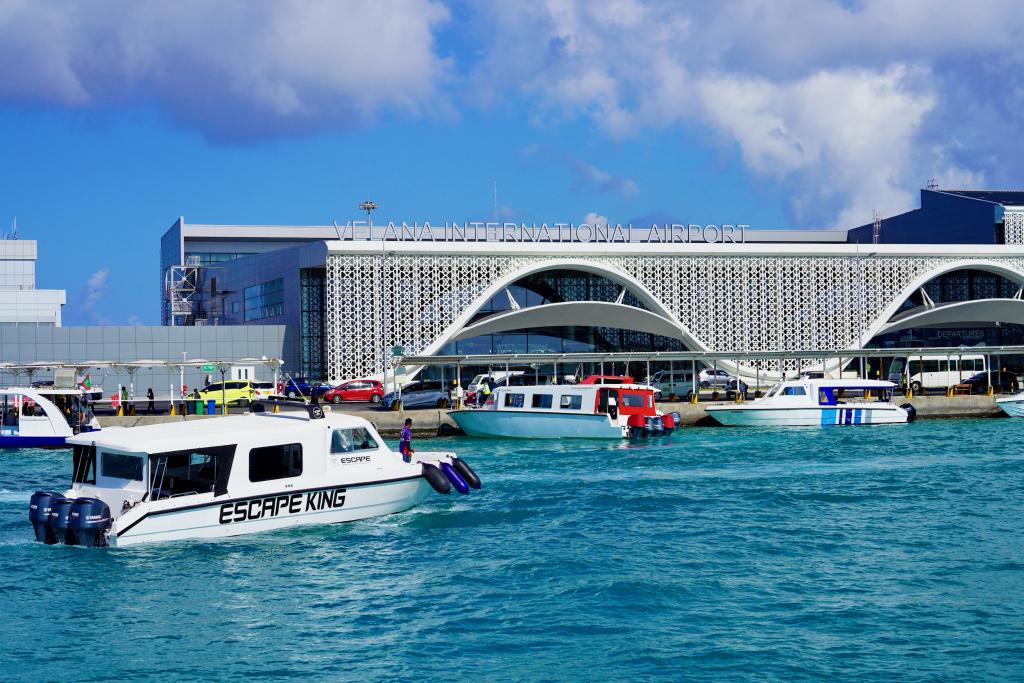
Core Viewpoint - Maldives has implemented a "generational smoking ban" effective from November 1, 2023, prohibiting individuals born on or after January 1, 2007, from purchasing or using tobacco products, making it the first country globally to enforce such a law [1][2]. Group 1: Legislative Details - The "generational smoking ban" aims to protect public health and cultivate a smoke-free generation, as proposed by President Mohamed Muiz earlier this year [2]. - The ban applies to both Maldivian citizens and foreign tourists, with retailers required to verify the birth dates of purchasers before selling tobacco products [2]. - Violators selling tobacco products to those under the ban face fines of 50,000 Maldivian Rufiyaa (approximately 3,200 USD) [2]. Group 2: Additional Regulations - Maldives continues to enforce a comprehensive ban on the import, sale, possession, and use of all types of e-cigarettes, applicable to all age groups [2]. - Penalties for using e-cigarette devices are set at 5,000 Maldivian Rufiyaa (approximately 320 USD) [2]. Group 3: Global Context - Several countries have attempted similar "generational smoking bans," with New Zealand passing a related law in December 2022, which was later repealed in November 2023 [2]. - The UK is currently in the legislative process for a similar bill [2].

Who’s funding Trump’s White House ballroom? Not taxpayers — but Apple, Coinbase, his lawsuit against YouTube, & more
MINT· 2025-10-25 06:43
Group 1: Project Overview - The White House ballroom project, valued at $300 million, is funded through private donations, including contributions from major companies like Google, Meta, and Coinbase [1][2] - Construction of the ballroom has commenced as part of efforts to modernize the White House, with Trump also pledging personal financial support [2] Group 2: Key Donors - Google made a significant donation of $22 million as part of a legal settlement related to Trump's YouTube ban [2] - Amazon's founder Jeff Bezos has expressed support for Trump, while the company faced criticism from Trump regarding tariff transparency [3] - Altria Group, a major tobacco company, is listed as one of the significant donors to the ballroom project [5] - Apple CEO Tim Cook previously served on Trump's advisory board and announced a $100 billion investment in U.S. jobs [6] - Meta has aligned itself with Trump and removed fact-checkers to cater to his supporters [7] - Microsoft CEO Satya Nadella met with Trump, indicating a close relationship between the company and the administration [9] - Coinbase, a leading cryptocurrency exchange, had a lawsuit dropped by the Trump administration earlier this year [10] Group 3: Additional Notable Contributors - Lockheed Martin, the largest defense contractor, expressed gratitude for the opportunity to support the ballroom project [25] - T-Mobile clarified that its donation was part of a broader initiative to restore national landmarks, including the ballroom [33] - The Winklevoss twins, known for their early investments in cryptocurrency, have established a significant presence in the blockchain sector [38]

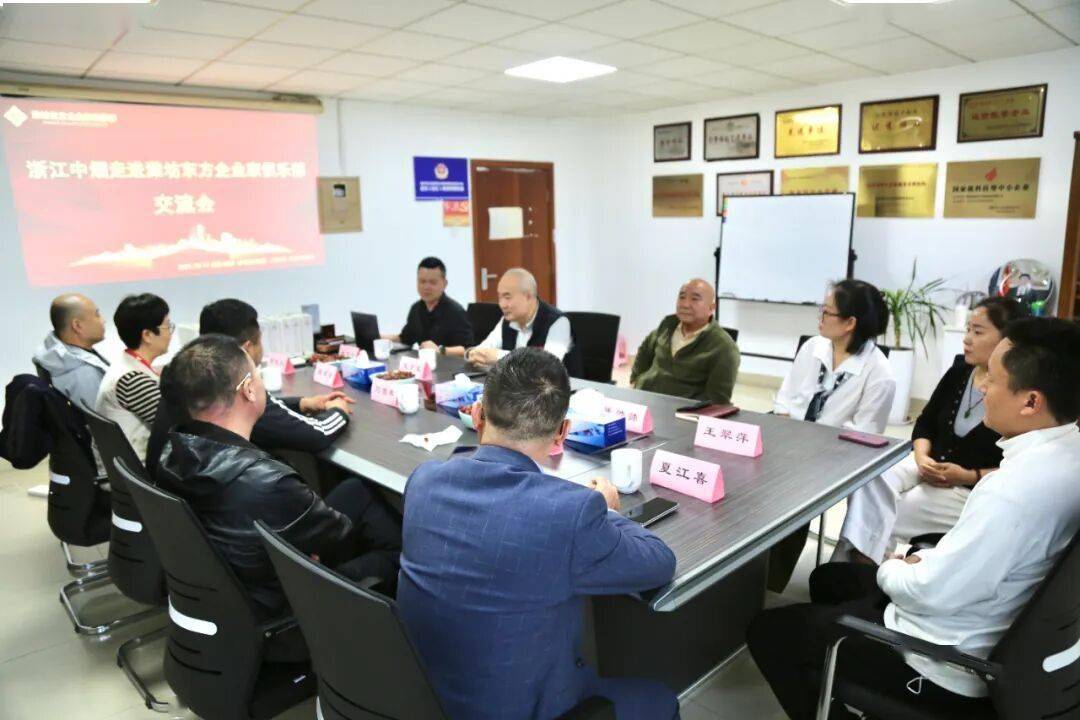
浙江中烟工业有限责任公司走访潍坊东方企业家俱乐部进行座谈交流
Sou Hu Cai Jing· 2025-10-17 11:48
Group 1 - The Weifang Oriental Entrepreneur Club held a discussion meeting in collaboration with Zhejiang Zhongyan Industrial Co., Ltd. on October 17 [1] - The meeting focused on tobacco culture and aimed to promote cross-industry resource integration to explore new quality living scenarios [2] - Key participants included club chairman Wang Dawei and various business leaders from different sectors [1][2] Group 2 - Zhejiang Zhongyan's Weifang business manager Lin Junjie presented the development history and key products of the "Li Qun" brand, discussing tobacco craftsmanship and health concepts [4] - Wang Dawei emphasized that the meeting is an important practice for the club's quality living sector, aiming to integrate more quality resources for diverse services to member companies [5] - The salon provided a platform for entrepreneurs and high-end brands to communicate, enhancing the club's influence in the regional business circle [5]
销售旧货,应如何开票缴税?
蓝色柳林财税室· 2025-09-27 06:06
Core Viewpoint - The article discusses the responsibilities of taxpayers under the fixed quota system when their business revenue exceeds the set limits and the implications of tax regulations on luxury car sales and R&D expense deductions. Group 1: Taxpayer Responsibilities - Taxpayers under the fixed quota system must report any business revenue or income that exceeds the set quota to the tax authorities. Failure to do so may result in tax recovery and penalties [10] - If a taxpayer's revenue exceeds the quota for consecutive tax periods, the tax authorities are required to reassess the taxpayer's quota [10] Group 2: Luxury Car Tax Regulations - The regulations state that entities and individuals selling ultra-luxury cars to consumers are classified as taxpayers in the retail segment for ultra-luxury cars [11] - New tax policies regarding the sale of second-hand ultra-luxury cars indicate that no consumption tax will be levied on these transactions starting from July 20, 2025 [12] Group 3: R&D Expense Deductions - Certain industries, such as accommodation and catering, are not eligible for the R&D expense deduction policy [15] - Market research expenses prior to formal R&D activities are not eligible for tax deductions [17] - R&D expenses incurred during failed projects can still qualify for tax deductions [24] - Companies must accurately separate R&D expenses from operational expenses to qualify for the deduction [26] - Special income from by-products during R&D must be deducted from the total R&D expenses when calculating deductions [29] - Wages for outsourced R&D personnel can be included in the R&D expense deductions [32]

深化央地全方位合作加快推动广东高质量发展现代化建设
Guang Zhou Ri Bao· 2025-05-16 21:17
Group 1: Central-Local Cooperation - The emphasis on strengthening central-local collaboration to promote high-quality development in Guangdong, aligning with the directives from the central government [1][4] - The call for continuous deepening of all-round cooperation to support the implementation of China's modernization practices in Guangdong [1] Group 2: Tobacco Industry - The provincial tobacco system is urged to focus on national and provincial work dynamics, enhance governance, and maintain a strong stance against counterfeiting and smuggling [1] - The importance of participating in the "Hundred Counties, Thousand Towns, and Ten Thousand Villages High-Quality Development Project" to contribute to Guangdong's economic and social development [1] Group 3: Taxation and Financial Support - The provincial tax authorities are encouraged to organize tax revenue scientifically and provide efficient tax services to support businesses [1][3] - The need for financial institutions to increase support for production enterprises, especially foreign trade companies, and major projects to stabilize foreign trade and promote consumption [3] Group 4: Foreign Trade and Customs - Guangdong's role as a major foreign trade province is highlighted, with a focus on improving customs efficiency and supporting foreign trade enterprises [2] - The call for enhancing data research and application to better support the development of new open platforms [2] Group 5: Financial Regulation and Risk Management - The central financial regulatory bodies are encouraged to enhance guidance and support for Guangdong's economic recovery and growth [3] - The importance of preventing systemic financial risks through improved regulatory effectiveness and collaboration between central and local authorities [3]