
矿山生态修复

Search documents
扩绿添景打造城市“后花园”
Liao Ning Ri Bao· 2025-11-04 01:03
Core Viewpoint - The transformation of the Haizhou Open-pit Mine into a national park exemplifies the integration of ecological restoration and urban development, aligning with the concept of "green mountains and clear waters are as valuable as mountains of gold and silver" [1][2] Group 1: Environmental Improvement - The Haizhou Open-pit Mine has been transformed into a vibrant ecological space, featuring a 7-kilometer asphalt path and lush greenery, attracting local residents for recreational activities [1] - The local government emphasizes the importance of ecological safety and sustainable development through the rehabilitation of abandoned mines [1] Group 2: Future Development Plans - Future plans for the Haizhou Open-pit Mine include the creation of a cultural and commercial complex, utilizing old industrial facilities and coal gangue for innovative purposes [2] - The area aims to develop into a multifunctional space that combines ecological agriculture, renewable energy projects, and industrial tourism, promoting a unique development path of "industrial history + ecological industry" [2]
“中华水塔”生态屏障,这样加固(生态治理中的中国智慧)
Ren Min Ri Bao· 2025-10-30 22:37
Core Insights - The article emphasizes the ecological protection and restoration efforts in the Sanjiangyuan region, particularly focusing on the Animaqing Mountain, which is crucial for water source conservation in China [2][4][5]. Group 1: Glacier Protection - Measures such as three-dimensional glacier monitoring and artificial snow enhancement are being implemented to protect the glaciers [6][7]. - Local herders have organized monitoring teams since 2008 to measure glacier snow lines, utilizing various techniques including satellite remote sensing and drone photography for comprehensive monitoring [6][7]. Group 2: Black Soil and Grassland Restoration - The restoration of black soil and degraded grasslands has been a significant focus, with over 5.16 million acres of degraded grassland treated in recent years [8]. - The ecological restoration of the Delni Copper Mine has been completed, with efforts to restore vegetation and improve soil quality to support grass growth [8]. Group 3: Wetland Restoration - The article highlights the collaborative restoration of wetlands, grasslands, and lakes, with the number of lakes in Mado County increasing from 4,000 to over 5,800 due to ongoing efforts [9]. - The implementation of a smart control system for lake water levels is part of the strategy to ensure sustainable water supply and management [9]. Group 4: Future Plans - The Qinghai provincial government plans to continue ecological protection and restoration projects, focusing on land greening and sustainable mining practices [10].


守“两山”初心 增“绿色财富”——从2025中国国际矿业大会看矿山生态修复
Zhong Guo Zi Ran Zi Yuan Bao· 2025-10-29 03:15
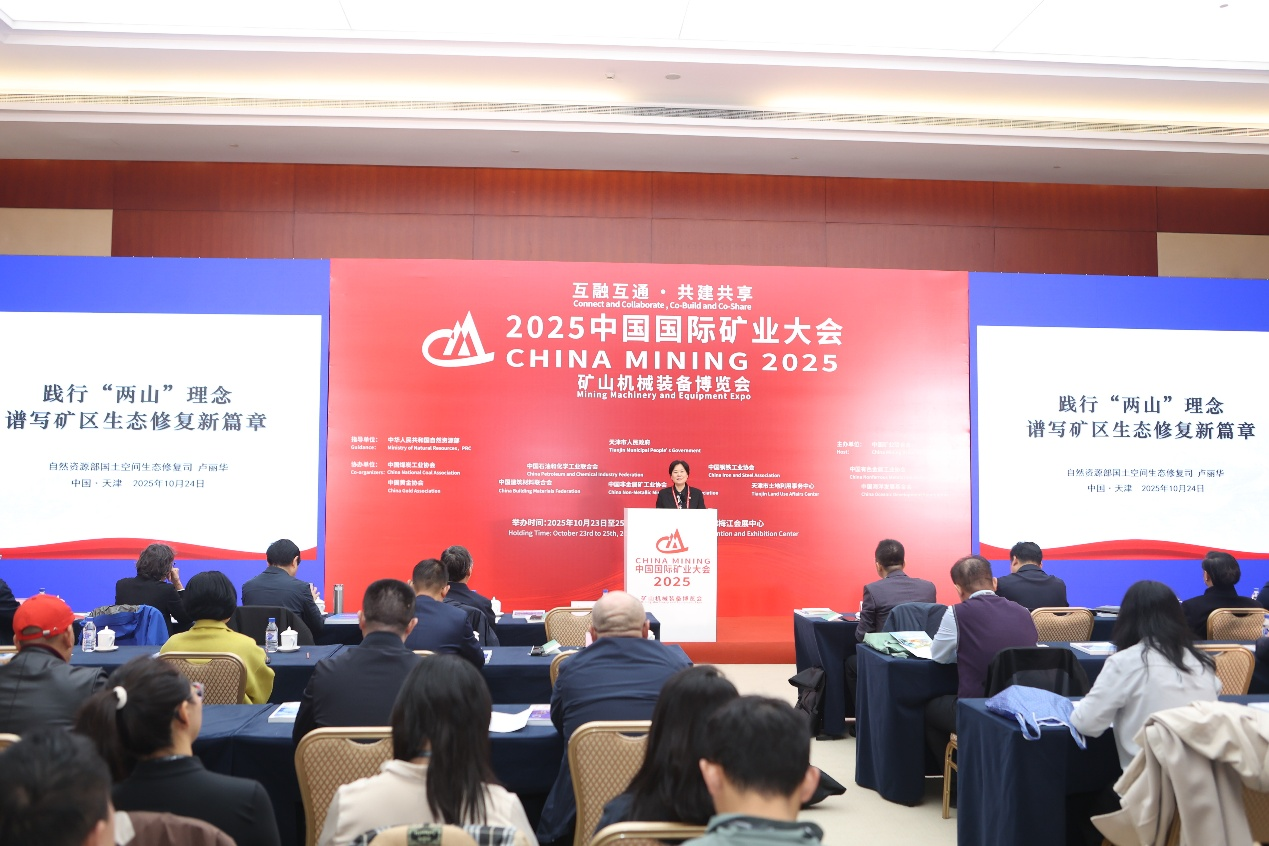
Core Insights - The forum on "Mine Ecological Restoration" emphasizes the importance of restoring damaged landscapes and fostering a harmonious relationship between humans and nature, aligning with the "Two Mountains" concept [3] - The event serves as a high-level platform for experts and representatives to exchange knowledge on ecological restoration practices, technological innovations, and collaborative models [3][5] Systematic Solutions - The Ministry of Natural Resources has developed a comprehensive solution for mine ecological restoration, including legal frameworks, regulatory mechanisms, and technical support [5] - The revised Mineral Resources Law establishes a dedicated chapter on ecological restoration, providing legal backing for restoration efforts [5] - A total of 68 demonstration projects have been initiated under the "14th Five-Year Plan" for historical abandoned mine restoration, covering over 1.6 million acres [5] International Perspectives - Experts from various countries, including the U.S. and China, shared the latest research and practices in mine ecological restoration, highlighting the importance of international collaboration [8] - Advanced techniques such as "Approximate Original Contour" (AOC) and local vegetation cultivation were discussed as key methods for effective restoration [9] Expert Reports - The concept of "simultaneous mining and restoration" was emphasized, showcasing its benefits in land conservation and cost control [11] - A three-phase evolution of monitoring systems for ecological restoration was presented, focusing on integrated monitoring technologies [11] Case Studies - Successful case studies from various regions illustrate the multifaceted benefits of mine ecological restoration, including improved ecosystem functions and enhanced living environments [13] - The transformation of Huzhou from a mining-dependent economy to an ecological one was highlighted, showcasing innovative practices in restoration [13] - The "Three No. Mine" in Xinjiang demonstrated a successful shift from ecological destruction to restoration, significantly boosting local tourism and employment [14] Forum Highlights - The forum gathered insights from various stakeholders, showcasing the integration of advanced technologies and collaborative governance models in ecological restoration [17] - Companies shared their experiences in implementing restoration projects, emphasizing the importance of innovation and community engagement in achieving sustainable outcomes [16][17]
重塑木里矿区的高原生态
Ren Min Wang· 2025-10-15 08:00
Core Insights - The article highlights the successful ecological restoration efforts in the Muli mining area of Qinghai Province, led by China Coal Technology and Engineering Group's ecological environment technology company, showcasing a significant transformation from a heavily damaged landscape to a thriving ecosystem [1][2][3] Group 1: Environmental Challenges - The Muli mining area, the largest coal mining region in Qinghai, suffered severe ecological damage due to high-intensity mining and illegal coal extraction, with vegetation coverage dropping from 80% to less than 15% [2] - The area experienced significant environmental issues, including surface subsidence, wetland degradation, and the formation of "black lakes" due to open-pit mining [2][3] Group 2: Restoration Efforts - In 2020, the Qinghai provincial government halted coal mining in the Muli area and initiated comprehensive ecological restoration, focusing on the heavily impacted Jiangcang area [2][3] - An expert team led by an academician from the Chinese Academy of Engineering was formed to assess the ecological damage and develop restoration plans [2][3] Group 3: Innovative Restoration Techniques - The restoration plan included techniques such as slope reshaping, pit backfilling, and soil reconstruction, which were recognized by the Qinghai provincial natural resources department [3][4] - Innovative construction methods were employed to ensure the structural integrity of the mining site while facilitating ecological restoration [4] Group 4: Vegetation Recovery - Starting in 2021, the project faced the challenge of re-greening the high-altitude mining area, which had no established technology for such efforts [5] - A soil improvement plan was developed using local resources, and six suitable plant species were identified to enhance vegetation growth [5][6] Group 5: Monitoring and Results - A small weather station and soil monitoring systems were established to collect data for ongoing vegetation management and climate monitoring [6] - The restoration efforts resulted in a stable vegetation community with an average density of 14,000 plants per square meter and 89% coverage, significantly improving the area's ecological stability [6] Group 6: Economic Benefits - The improved ecological environment has led to the growth of livestock and tourism industries in the mining area, generating over 7 million yuan in direct economic benefits annually and saving over 4 million yuan in ecological restoration costs [6] - The project has been recognized as a model case for ecological restoration in mining areas and received awards for construction quality in the coal industry [6]
从“共和国石油长子”到“绿色丝路先锋”
Zhong Guo Zi Ran Zi Yuan Bao· 2025-10-15 01:51
Core Insights - The article discusses the ecological restoration project in Karamay, Xinjiang, focusing on the remediation of abandoned mines and the integration of ecological and economic benefits [4][16][18] Group 1: Project Overview - Karamay, known as the "cradle of oil" in China, is implementing an ecological restoration project to address the environmental damage caused by historical mining activities [4][16] - The project aims to restore over 621.64 hectares of forest land and 959.15 hectares of degraded grassland, significantly improving land quality and reducing desertification by 90% [18] Group 2: Technical Approach - The project employs a scientific approach that includes a balance of water resources, selection of native species, and innovative planting techniques to adapt to the arid environment [9][18] - A multi-faceted technical system has been established, dividing the restoration area into three ecological zones and nine sub-projects to tailor solutions to specific ecological characteristics [7][10] Group 3: Collaboration and Innovation - The project involves collaboration with various research institutions, including the Xinjiang Geological Bureau and the Chinese Academy of Sciences, to conduct comprehensive ecological surveys and develop effective restoration strategies [7][9] - Innovative techniques such as using local drought-resistant species and minimizing water consumption through natural rainfall are highlighted as key advancements in the restoration process [9][10] Group 4: Economic and Ecological Benefits - The integration of ecological restoration with industrial development is emphasized, creating a demonstration base for restoration technologies and a plant cultivation base to support local biodiversity [15][16] - The project is expected to enhance the local economy while promoting ecological sustainability, showcasing a model for other regions facing similar environmental challenges [15][18]
构建多元化投入机制,废弃矿山生态修复加快推进
Di Yi Cai Jing· 2025-10-07 03:08
Core Viewpoint - The government aims to explore a sustainable development model focused on resource-oriented ecological restoration, with clear paths, sustained investment, and stable returns [1] Group 1: Policy and Mechanisms - The Ministry of Natural Resources plans to establish a diversified investment mechanism for ecological protection and restoration, involving fiscal guidance, social capital participation, and accountability of responsible parties [1] - Since the 14th Five-Year Plan, the Ministry has allocated 14.7 billion yuan in central fiscal funds for ecological restoration projects in key areas, including the Yangtze River Economic Belt and the Yellow River Basin [2] - New national standards for land reclamation and ecological restoration have been implemented to establish a comprehensive standard system for mine ecological restoration [2] Group 2: Regional Initiatives and Successes - Various provinces have successfully implemented ecological restoration projects, such as Sichuan's "one mine, one policy" approach and the completion of over 9,000 acres of restoration in Guang'an [5] - Gansu and Jiangxi provinces are focusing on addressing historical debts in ecological restoration, with Gansu enhancing policy and funding support, while Jiangxi aims to meet its restoration targets by the end of the year [6] - Guizhou province is exploring market-based approaches to attract social capital for ecological restoration, creating a new mechanism that combines government guidance and market operations [6] Group 3: Future Directions - The Ministry of Natural Resources will accelerate the formulation of supporting regulations for the Mineral Resources Law and strengthen supervision of ecological protection and restoration in production mines [6][7] - There is a focus on developing and promoting advanced technologies for ecological restoration, including slope management and soil reconstruction [7]
安徽桐城15座废弃矿山重披绿装 生态治理总面积达34.89公顷
Zhong Guo Zi Ran Zi Yuan Bao· 2025-09-23 01:49
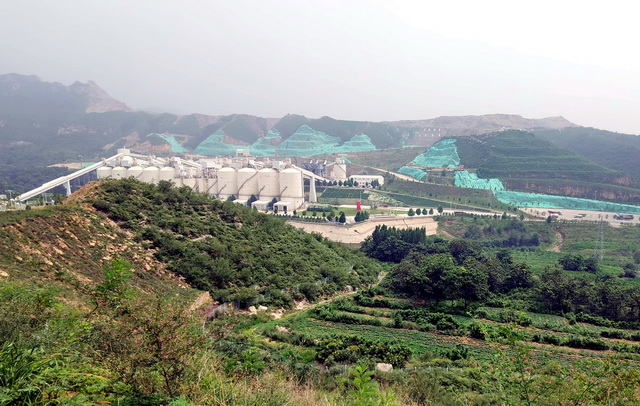
Core Viewpoint - The article highlights the successful implementation of ecological restoration in mining areas in Tongcheng City, Anhui Province, showcasing a model project that integrates mining activities with environmental recovery and green development [1][2]. Group 1: Ecological Restoration Efforts - Tongcheng City has accelerated its ecological restoration work in mining areas, completing the restoration of 15 abandoned mines with a total area of 34.89 hectares [1]. - The city adheres to the principle of "mining while restoring and greening," transforming previously barren and damaged landscapes into vibrant green areas [1]. Group 2: Planning and Strategy - The city has developed the "Tongcheng City Land Space Ecological Restoration Plan (2022-2035)," which outlines clear goals and tasks for ecological restoration in mining areas, targeting a total restoration area of 124.47 hectares [2]. - A new mechanism for coordinated management of active and historical mining sites has been established to promote green mining practices [2]. Group 3: Innovative Approaches - Tongcheng City aims to achieve a win-win situation for economic and ecological benefits by integrating surplus sand and gravel from restoration projects into the municipal public resource trading platform for regulated sales [2]. - The city encourages the development of specialty industries such as greenhouse fruits and vegetables and edible fungi in restored mining areas, linking ecological restoration with rural industrial revitalization [2]. Group 4: Regulatory Measures - The city implements a "one mine, one policy" approach to manage geological disaster prevention, vegetation recovery, and land remediation, ensuring the sustainability of restoration outcomes [2]. - Public awareness campaigns are conducted to promote the concept that "lucid waters and lush mountains are invaluable assets," fostering a collaborative atmosphere for ecological governance [2].
“生态伤疤”变“致富塘田”
Zhong Guo Zi Ran Zi Yuan Bao· 2025-08-27 02:51
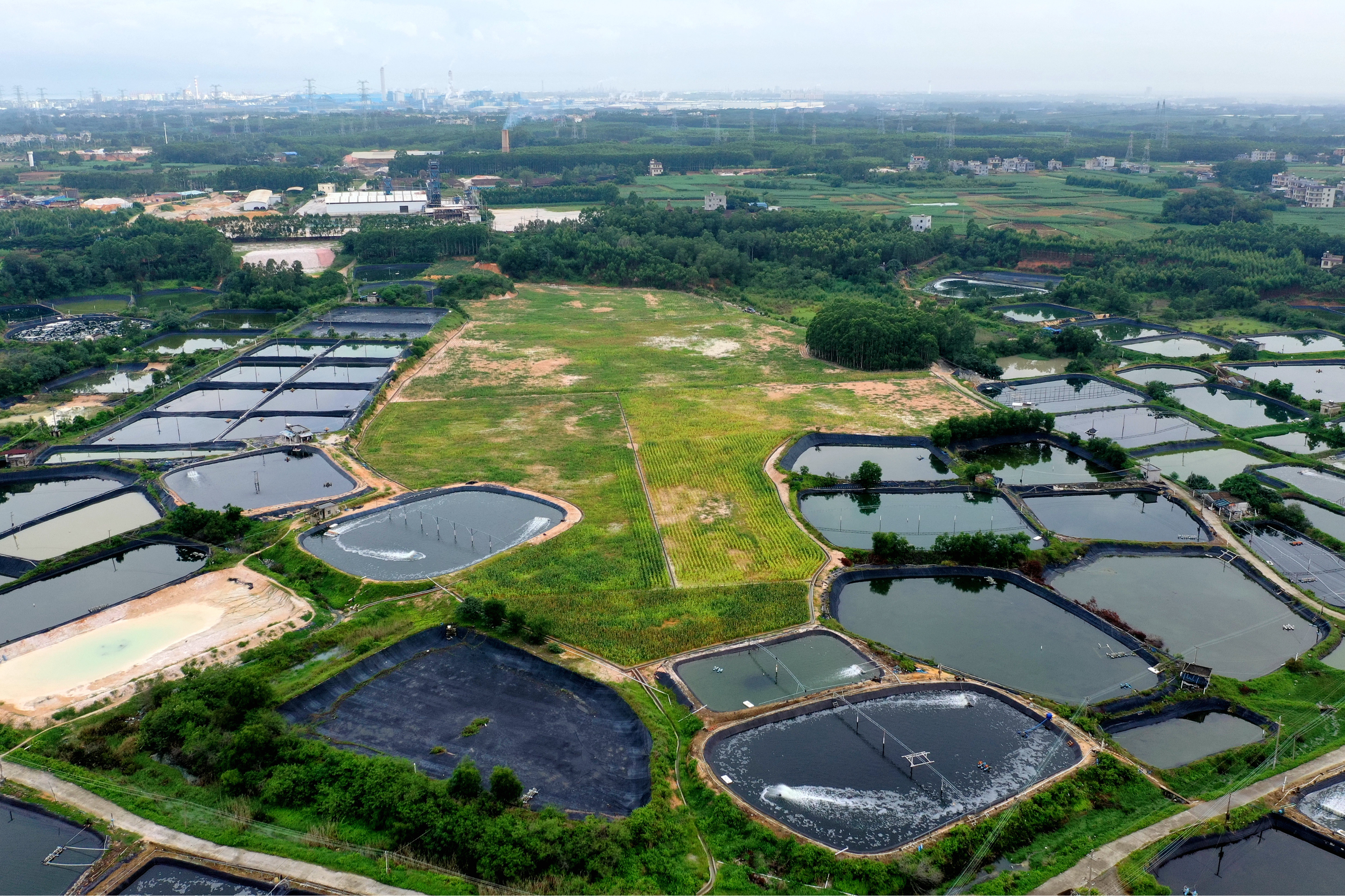
Core Viewpoint - The article discusses the ecological restoration project in Tieshan Port District, Beihai City, Guangxi, focusing on transforming abandoned mining sites into productive agricultural land and shrimp farming areas. Group 1: Project Overview - The ecological restoration project is commissioned by the local natural resources department and involves the restoration of 31 historical abandoned mining sites, with 22 sites requiring remediation over an area of 54 square kilometers, aiming for a total restoration area of 58 square kilometers [2]. Group 2: Restoration Techniques - The project employs various engineering measures such as slope reduction, slope surface restoration, foot support, drainage ditches, vegetation re-greening, and monitoring to eliminate geological disaster risks in the exposed and damaged areas [2]. - For areas intended to be restored as arable land, techniques include drainage ditches, land leveling, soil enrichment, and planting crops like corn and cassava, utilizing nearby seawater to support the development of specialty agriculture [2]. Group 3: Results and Impact - Over 120 acres of the restored area have been converted into seawater shrimp farming ponds, while some reclaimed farmland has been planted with crops, transforming the former "ecological scars" into "wealthy ponds and fields" [2][3].
守护绿水青山 打造幸福靠山
Zhong Guo Zi Ran Zi Yuan Bao· 2025-08-27 02:51
Core Viewpoint - The article highlights the successful transformation of abandoned mining areas in Ganzhou, Jiangxi Province, into ecological and cultural assets through effective governance and innovative practices [3][5][7]. Group 1: Environmental Management - Ganzhou has implemented strict controls on new open-pit mines and actively promoted the construction of green mines, reducing the number of licensed mines from approximately 1,500 to over 500 since 2015 [3]. - The city has established 70 green mines, including 17 national-level and 50 provincial-level, leading the province in both categories [3]. Group 2: Systematic Restoration - The city has rehabilitated approximately 7,367 hectares of historical abandoned mines, addressing environmental issues that have persisted for nearly half a century [5]. - Since 2017, Ganzhou has secured 567 million yuan in central funding for mine restoration and has encouraged social capital participation, with an estimated investment exceeding 500 million yuan for ecological restoration projects [5]. Group 3: Economic Transformation - The city has adopted an "ecological+" governance approach, transforming abandoned mines into valuable ecological resources through various initiatives, including agricultural development and tourism [7]. - For instance, Xinfeng County has converted abandoned rare earth mines into modern agricultural parks, contributing to rural revitalization and increasing farmers' incomes [7].
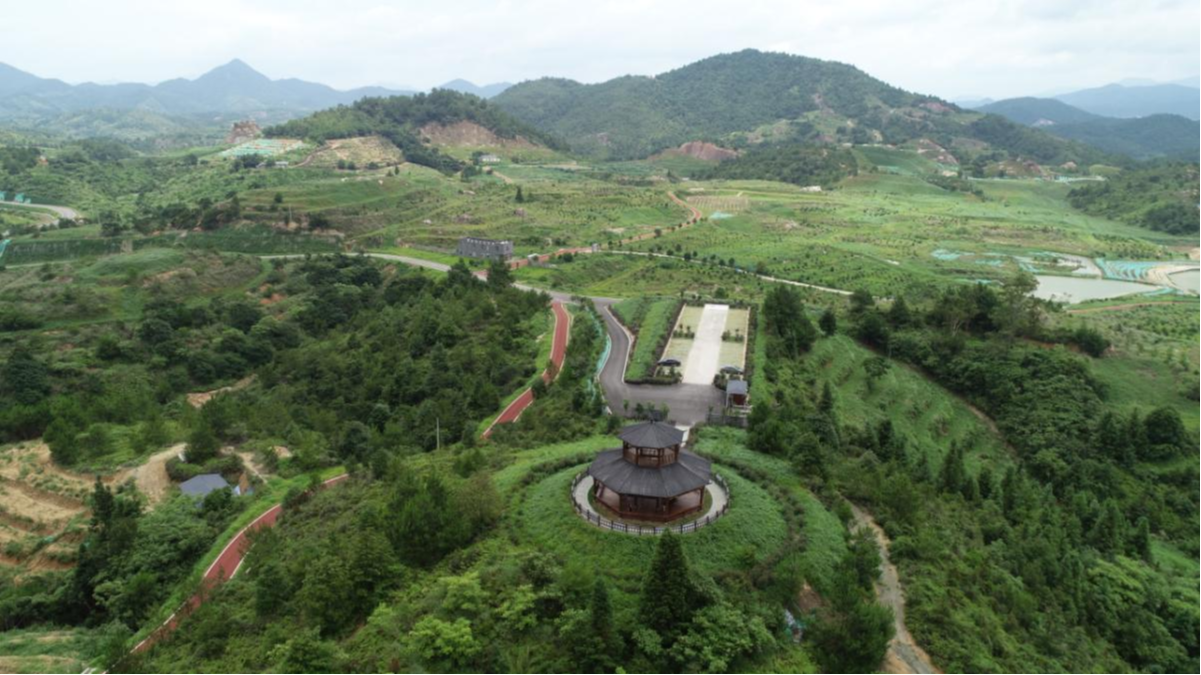
矿山“焕新”后,成了游客眼里的“香饽饽”
Xin Hua She· 2025-08-17 11:56
Core Viewpoint - The article highlights the successful transformation of abandoned mining areas in Chongqing into popular tourist destinations through ecological restoration and sustainable development efforts [1][2][3]. Group 1: Ecological Restoration Efforts - The mining village of Jieshen has undergone significant ecological restoration since the closure of gypsum mines in 2017, leading to a revitalized environment and increased tourism [1][2]. - The local government implemented a micro-wetland ecological restoration project, utilizing natural features to enhance the landscape and promote biodiversity [1]. - Chongqing has repaired a total of 7,025 hectares of historical and closed mines, demonstrating effective ecological protection and restoration [3]. Group 2: Economic Impact and Tourism Development - The village of Jieshen received over 300,000 visitors in 2024, generating tourism revenue exceeding 60 million yuan [2]. - The "Mine Cafe," a popular establishment in Jieshen, creatively incorporates mining elements, attracting many young tourists [2]. - The transformation of former mining sites into tourist attractions has created job opportunities for local residents, with the Jiebai Homestay employing nearly 30 villagers [3]. Group 3: Community Engagement and Support - Local leaders engaged with residents to address concerns about economic impacts from mine closures, emphasizing the long-term benefits of ecological restoration [1]. - The community has expressed satisfaction with the improved environment and increased economic opportunities resulting from tourism [3].