中医药

Search documents
山西省发展改革委党组成员温晓龙陪同北京市、山西省政府领导在长治市考察调研京长对口合作工作情况
Zhong Guo Fa Zhan Wang· 2025-12-31 02:21
Core Viewpoint - The article highlights the on-site investigation of various development projects in Shanxi Province, focusing on the promotion of general aviation, traditional Chinese medicine, and red tourism industries [1] Group 1: General Aviation Industry - The investigation included the development and demonstration of low-altitude general aviation projects in Qinyuan County [1] Group 2: Traditional Chinese Medicine - The establishment of a resource bank for high-quality traditional Chinese medicine varieties and a tissue culture center was part of the focus [1] Group 3: Red Tourism Industry - The assessment of the historical site of the Anti-Japanese Military and Political University in Tunliu District was aimed at understanding the development of the red tourism industry [1] Group 4: Industry Collaboration - The visit also included discussions on cooperation projects related to traditional Chinese medicine [1]
推动中医药发展,香港迈出关键一步
Ren Min Ri Bao Hai Wai Ban· 2025-12-30 22:54
Core Insights - The Hong Kong government has released its first "Traditional Chinese Medicine Development Blueprint," outlining a vision and strategy for the future development of TCM in Hong Kong, marking a new stage of comprehensive, high-quality growth in the sector [1][2]. Group 1: Blueprint Framework - The blueprint consists of five key areas: TCM services, TCM professionals, Chinese medicine development, cultural heritage, and international outreach [2]. - Eight main goals include optimizing clinical services, establishing a cross-disciplinary service system, leading TCM professional development, enhancing the quality of Chinese medicine, contributing to international standards, driving research and innovation, promoting TCM culture, and facilitating TCM's global outreach [2]. - Twenty action items support these goals, such as defining TCM's role in the healthcare system, leveraging technology for service upgrades, and building a comprehensive TCM talent training system [2]. Group 2: Clinical Services and Community Integration - The blueprint prioritizes optimizing TCM clinical services, emphasizing TCM's role within Hong Kong's healthcare system and highlighting its advantages [2]. - Specific actions include creating a list of TCM's effective treatment areas, developing clinical guidelines unique to TCM, and supporting big data research in both TCM and Western medicine [2]. - Currently, 23 TCM effective treatment areas have been established, with plans to expand this list to enhance community access to targeted TCM services [2][3]. Group 3: Market Demand and Infrastructure - Hong Kong has a strong grassroots foundation for TCM, with over 10,000 TCM practitioners, 90% of whom work in the private sector, and more than 16 million annual visits to TCM services, amounting to over HKD 1.2 billion in expenditures [3]. - The blueprint aims to strengthen TCM's role in primary healthcare, enhancing the integration of TCM into the primary healthcare system and establishing a collaborative framework among various healthcare professionals [3][4]. Group 4: Government Support and International Collaboration - The Hong Kong government has been actively promoting TCM development through talent training, service promotion, industry regulation, and standardization [5]. - The blueprint aligns with national TCM development strategies and aims to enhance Hong Kong's participation in the Greater Bay Area's TCM initiatives and the national high-quality development of TCM [5]. - It emphasizes the need for a robust talent training system, continuous professional development, and the establishment of quality management standards for Chinese medicine production [5].

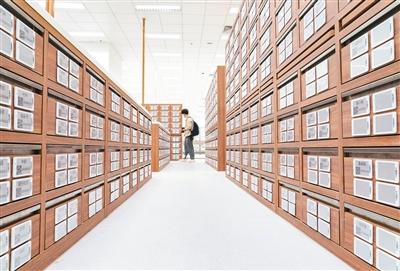
甘肃省中医药产业协会成立
Xin Lang Cai Jing· 2025-12-30 15:02
Core Viewpoint - The establishment of the Gansu Province Traditional Chinese Medicine Industry Association marks a new phase in the development of the traditional Chinese medicine industry in Gansu, focusing on innovation and high-quality growth [1] Group 1: Industry Development - The meeting emphasized the need for the association to strengthen political construction within the industry and to implement strategies for promoting the inheritance and innovative development of traditional Chinese medicine [1] - The association aims to guide member units to actively integrate into the high-quality development of the traditional Chinese medicine industry, working together to contribute to building a strong traditional Chinese medicine province [1] Group 2: Resource Integration and Collaboration - The association will play a crucial role as a bridge to effectively integrate resources across various segments of the industry chain, promoting cooperation and collective development among member units [1] - There is a focus on deepening the integration of production, education, research, and application to enhance the overall competitiveness of the industry [1] Group 3: Standards and Market Expansion - The association is tasked with leading the formulation of industry norms and standards, guiding member units towards honest operations and standardized development to maintain fair market competition [1] - Efforts will be made to build platforms for communication and cooperation, promoting the "Thick Gansu · Authentic Long Medicine" brand and expanding its domestic and international market presence [1]
华神科技:剥离资产“轻装快跑”,技术深耕“蓄势待发
Quan Jing Wang· 2025-12-30 10:41
Core Insights - The Chinese traditional medicine industry is experiencing increasing differentiation driven by deepening centralized procurement policies and industrial upgrades, with Huasheng Technology making strategic adjustments to optimize resource allocation [1] Group 1: Strategic "Subtraction" to Release Growth Momentum - Huasheng Technology is focusing on its core business by strategically divesting non-core assets, including the sale of a 5.4019% stake in Shanghai Lingkai Technology for 200 million yuan, which has already generated 184.4 million yuan in cash [2] - The company is also progressing with the planned divestiture of its steel structure business, reflecting management's commitment to concentrate resources on the more promising pharmaceutical sector [2] - Management has indicated a continued focus on reducing investments in non-core businesses, reinforcing its strategic emphasis on the traditional Chinese medicine and health industry [2] Group 2: Technological Foundations and Brand "Addition" to Build Competitive Moat - Huasheng Technology has established a significant intellectual property barrier, with 205 patents applied for or acquired, including 171 authorized patents and 4 international invention patents as of June 2025 [3] - The company has pioneered the use of fingerprint mapping technology for quality control in its Sanqi Tongshu capsules, addressing industry challenges related to traditional Chinese medicine's quality and efficacy [3] - The Sanqi Saponins raw material was recognized as the first traditional Chinese medicine extract standard in the 2018 German Pharmacopoeia, marking a significant achievement in international recognition of product quality [3] Group 3: Brand Development and Market Positioning - The approval of Sanqi Tongshu capsules as the first traditional Chinese medicine to receive secondary protection status by the National Medical Products Administration strengthens its market position [4] - The successful completion of ISO certifications (ISO9001, ISO14001, ISO45001) by June 2025 indicates an upgrade in standardized management levels, setting a new quality benchmark in the industry [4] - The funds recovered from divesting non-core assets will support Huasheng Technology's research and market expansion, while the orderly divestiture of the steel structure business optimizes overall resource allocation [4]
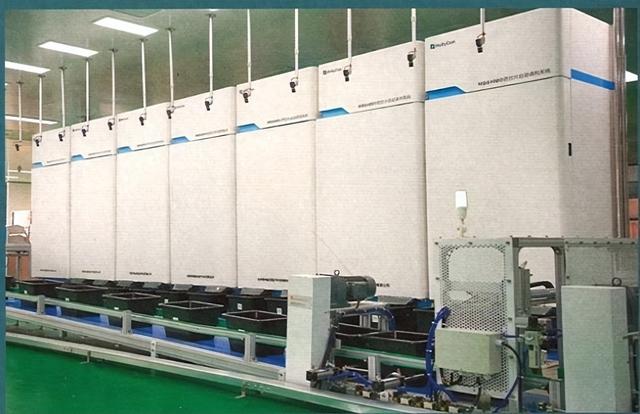
临沂家门口的智慧中药房 让群众“药”事不再难
Xin Lang Cai Jing· 2025-12-29 14:07
Core Viewpoint - The establishment of the smart centralized decoction room in Linyi City aims to address common issues faced by patients in traditional Chinese medicine (TCM) services, such as long wait times for medication, inconsistent quality in decoction, and accessibility challenges in remote areas, by leveraging technology to enhance efficiency and convenience in TCM services [1][5]. Group 1: Technology Integration - The smart decoction room is equipped with over 240 intelligent decoction machines and 80 automatic packaging machines, supporting a fully digital and automated process for prescription handling and medication preparation [1]. - The automated dispensing system integrates smart storage, precise weighing, and automatic sorting, eliminating human error in medication preparation and ensuring accurate dosage and tracking of each herbal ingredient [3]. Group 2: Quality Control and Traceability - A strict procurement standard and a comprehensive quality traceability system have been established, allowing for precise control over critical parameters such as soaking time, decoction temperature, and liquid concentration throughout the preparation process [3]. - Each step in the medication preparation process is documented and traceable, ensuring the stability and reliability of the therapeutic effects of the TCM products [3]. Group 3: Collaboration and Accessibility - The smart decoction room has partnered with over 60 medical institutions within the province, facilitating unified procurement and storage of TCM ingredients, which significantly reduces medication costs and promotes resource sharing [5]. - A home delivery service has been introduced to address patient concerns about long wait times for medication, ensuring that prescriptions made in the morning can be delivered by the afternoon, enhancing convenience for patients [5].
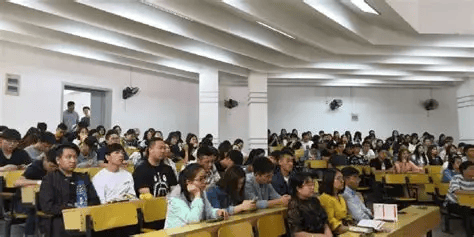
新加坡商人吕文扬布局东南亚跨境电商人才培训基地
Sou Hu Cai Jing· 2025-12-29 13:34
Group 1 - The Southeast Asian cross-border e-commerce market is experiencing rapid growth, but a shortage of professional talent and a disconnect between skills and market demand are significant bottlenecks for industry growth [1] - A training base for cross-border e-commerce talent has been established by a Singaporean entrepreneur, aiming to cultivate composite talents for enterprises in Singapore and Southeast Asia through an innovative model of "industry-education integration, standard guidance, and local adaptation" [1] Group 2 - The standardization practice initiated by the entrepreneur addresses the regulatory differences between Singapore and China, particularly in the quality standards, quarantine requirements, and labeling norms for traditional Chinese medicine materials [3] - A professional team has been formed to systematically analyze the standard differences and compile compliance guidelines for cross-border traditional Chinese medicine materials, providing clear compliance standards for enterprises [3] Group 3 - The introduction of advanced detection technology and the establishment of a standardized service platform for traditional Chinese medicine trade are key initiatives to facilitate the implementation of standardization [4] - The platform offers comprehensive services including standard consulting, testing certification, and compliance training, helping numerous Chinese pharmaceutical companies achieve Singapore GMP certification and improving customs clearance efficiency by over 40% [4] Group 4 - The entrepreneur's efforts have not only streamlined the cross-border trade of traditional Chinese medicine between Singapore and China but have also upgraded the industry ecosystem by participating in international standardization organizations [5] - By hosting forums and building communication bridges among regulatory bodies, industry associations, and enterprises, a consensus on "standard first, compliant operation" has been fostered [5] Group 5 - The key to the internationalization of traditional Chinese medicine lies in standard mutual recognition, with the entrepreneur's initiatives providing a replicable path for standardization in the cross-border trade of traditional Chinese medicine [8] - The standardization efforts are expected to create broader development opportunities for traditional Chinese medicine trade, enhancing its cultural dissemination and commercial value in Southeast Asia [8]
深耕中医药领域聚力多点突破 精华制药董事长获评“科创江苏”企业创新达人
Yang Zi Wan Bao Wang· 2025-12-29 12:24
Group 1 - The "Innovation Leaders" list for 2025 in Jiangsu has been released, featuring 100 innovators from various industries, including Yin Hongyu, Chairman of Jinghua Pharmaceutical [1][3] - The award aims to discover, cultivate, and promote outstanding technological talents in enterprises, focusing on entrepreneurs, skilled researchers, and craftsmen to enhance innovation vitality in the province [3] - Jinghua Pharmaceutical is committed to innovation, with successful product developments and expansions planned for 2025, achieving significant results [3] Group 2 - Jinghua Pharmaceutical's Wang's Baochi Pill has been successfully registered and listed in Macau, marking it as the first traditional Chinese medicine heritage product to "go global" [3] - The company has made advancements in product research, with the Jide Sheng Snake Medicine Tablet showing significant efficacy for shingles symptoms and being included in expert consensus guidelines [3] - The company has integrated ESG principles into its strategic operations, achieving high standards in compliance and receiving the "2025 Annual ESG Value Transmission Award" for its contributions to sustainable development [4] Group 3 - Looking ahead to the 14th Five-Year Plan, Jinghua Pharmaceutical aims to strengthen its dual focus on traditional Chinese medicine and raw materials while entering the health industry, creating a new development model with collaborative efforts [4]


甘肃成立中医药产业协会 助推“陇药”走向世界
Xin Lang Cai Jing· 2025-12-29 11:01
Core Viewpoint - The establishment of the Gansu Traditional Chinese Medicine Industry Association marks a new collaboration platform between the government and the market to promote the development of the traditional Chinese medicine industry in Gansu Province, which has surpassed a scale of 100 billion yuan [1][3]. Group 1: Industry Development - Gansu Province is recognized as a significant birthplace of traditional Chinese medicine and a major production area for authentic medicinal materials [3]. - The association aims to focus on "serving the industry, empowering members, inheriting innovation, and going international" to promote the integration of the entire traditional Chinese medicine industry chain [3][4]. - Gansu has been designated as a national pilot province for comprehensive reform and development of traditional Chinese medicine, with the industry becoming a key area for the province's economic and social development [3]. Group 2: Association Objectives - The newly established association will work on building an international cooperation system for the traditional Chinese medicine industry, leveraging resources from Hong Kong and Macau to transform resource advantages into industrial advantages [4]. - It will promote digitalization and standardization, establish a traceability and quality evaluation system for medicinal materials, and enhance industry self-discipline and integrity [4]. - The association plans to integrate traditional Chinese medicine with culture, tourism, and health industries to enhance brand influence and tell the story of "Long Medicine" [4].
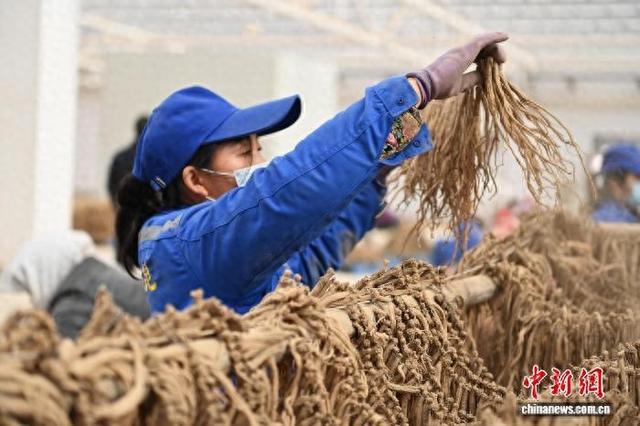
对话倪海厦传承人,为什么说多数赛博中医会走不下去?
虎嗅APP· 2025-12-29 09:50
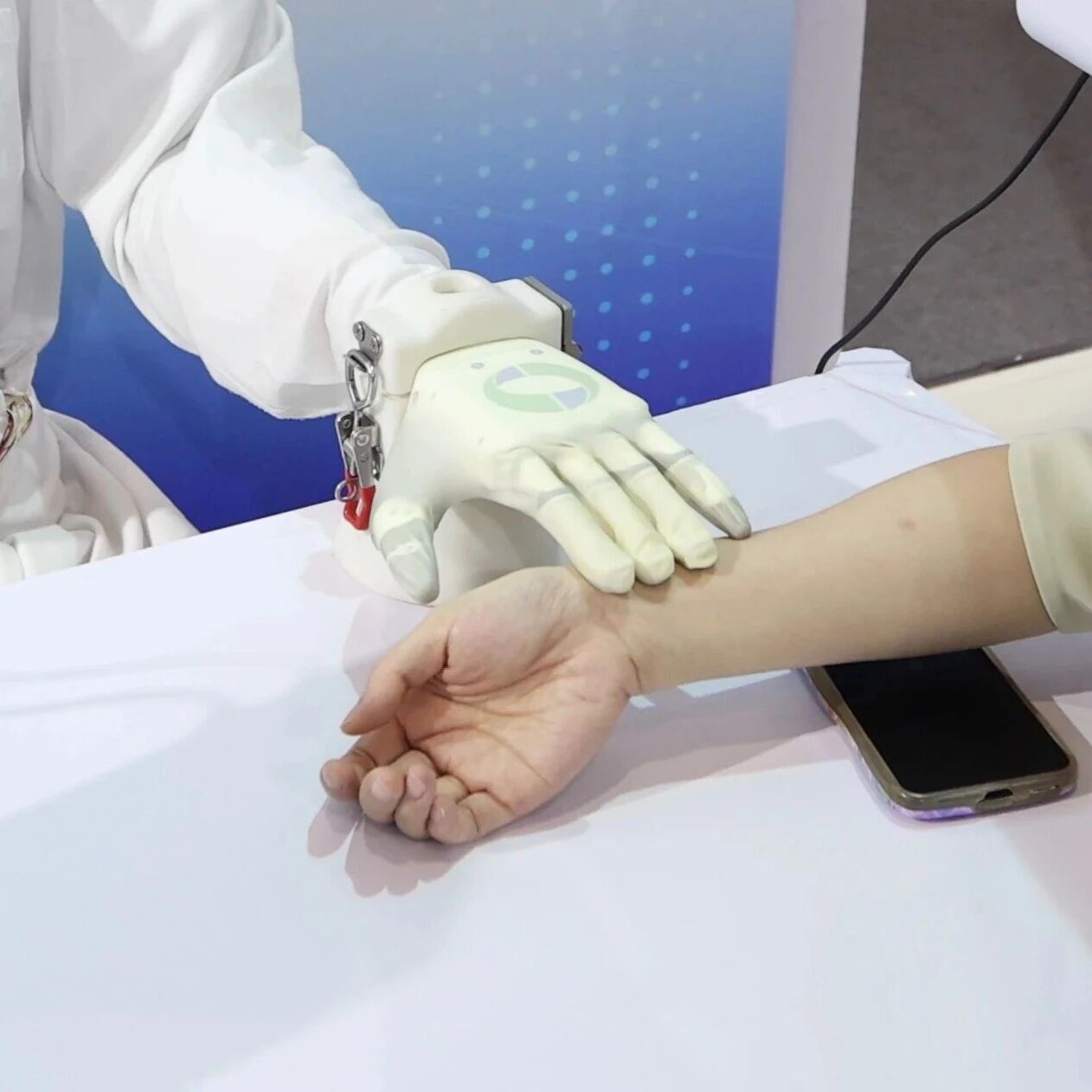
Core Viewpoint - Traditional Chinese medicine (TCM) is gaining recognition in the U.S. healthcare system, with a notable increase in non-Chinese patients seeking treatment, highlighting the need for effective integration of TCM with modern technology and scientific validation [2][4]. Group 1: TCM's Integration with Modern Science - TCM is increasingly being practiced by professionals with engineering and scientific backgrounds, indicating a shift towards a more analytical approach to traditional practices [4]. - The rise of AI and new technologies presents opportunities for better understanding and validating TCM, although many current AI applications may not align with TCM principles [9][10]. - The importance of a holistic view in TCM distinguishes it from Western medicine, which often focuses on specific symptoms rather than the overall patient condition [11][12]. Group 2: Clinical Applications and Efficacy - TCM's approach to diseases, such as flu and other ailments, emphasizes symptom-based treatment rather than specific viral identification, showcasing its unique methodology [6][7]. - The complexity of certain diseases, like lung nodules, is addressed through TCM's understanding of organ relationships and underlying causes, which can lead to effective treatment plans [8]. - TCM is not merely a wellness practice but is capable of treating acute and severe conditions, as emphasized by practitioners who have successfully treated complex cases [8][22]. Group 3: Challenges and Misconceptions - There are significant misconceptions about TCM, often stemming from attempts to evaluate it using Western scientific methods, which may not accurately reflect its principles [11][24]. - The market for TCM is expanding globally, with projections indicating a potential market size of $185.7 billion by 2028, but challenges remain regarding the integrity and understanding of TCM practices [23]. - Misinterpretations of TCM principles, such as the separation of medicine and pharmacology, can lead to ineffective practices and undermine the holistic nature of TCM [21][22]. Group 4: Future Directions - The future of TCM may lie in its ability to adapt and integrate with modern medical practices and technologies, fostering a more comprehensive understanding of health and treatment [22][24]. - There is a call for more quality educational resources and scientific validation to demystify TCM and promote its clinical efficacy [24].
破局中医药现代化,重塑产业生态价值,珍宝岛获评最佳健康产业生态企业
Tai Mei Ti A P P· 2025-12-29 02:58
Core Insights - The article highlights that Zhenbaodao (603567.SH) has been awarded the title of "Best Health Industry Ecosystem Enterprise" due to its integrated industrial structure combining resource control, technological empowerment, and smart manufacturing [2] - Zhenbaodao's strategic layout, known as "One Heart, Three Parks, Four Platforms," has established a robust ecosystem that promotes the modernization of traditional Chinese medicine (TCM) under the "Healthy China" initiative [2] Resource Management - Zhenbaodao employs an "N+50" business model to control the supply chain's source, establishing GAP planting bases in key medicinal herb regions such as Heilongjiang, Anhui, and Gansu, achieving large-scale and standardized integration of upstream resources [2] - The company has broken down traditional barriers in TCM material trading through digital transactions and quality traceability, creating an efficient, transparent, and trustworthy resource circulation network [2] Technological Innovation - Zhenbaodao holds a total of 174 patents, including 124 domestic inventions and 17 international patents, supporting its research and development innovations [3] - The company has developed a "One Heart, Four Institutes" R&D system, focusing on both TCM and Western medicine, with ongoing advancements in TCM and biopharmaceutical innovation [3] Industrial Development - The company emphasizes smart manufacturing and production, transforming quality resources and advanced technologies into standardized, high-quality TCM products and services [5] - Zhenbaodao has built a comprehensive ecological network covering planting, processing, R&D, manufacturing, distribution, and services, integrating various stakeholders into a collaborative system [5] Industry Modernization - Zhenbaodao's ecosystem provides a modernized model for the industry, enhancing standardization and quality through a comprehensive management system from source selection to processing and transportation [6] - The company has implemented a refined operational model with "six unifications" and "full traceability," promoting a replicable and scalable standardization framework for the industry [6] Efficiency Enhancement - Through digital connectivity and resource optimization, Zhenbaodao has achieved significant efficiency upgrades in its production processes, with real-time data sharing and interconnected production equipment [6] - The company’s BZ Trading Center has launched the "Hundred Counties, Ten Thousand Households Project," aiming to establish strategic partnerships with 100 major medicinal herb-producing counties within three years, creating a supply chain network for 300 common varieties [6]