公共交通

Search documents
元旦凌晨护航旅客,济南公交奋战一夜!
Xin Lang Cai Jing· 2026-01-01 09:27
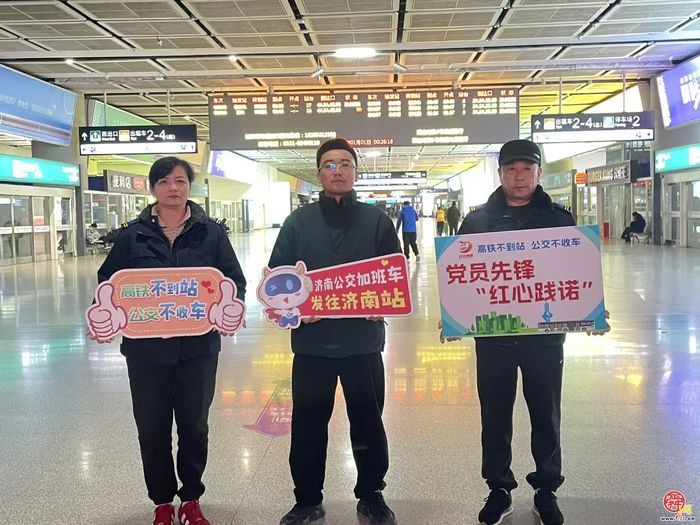
凌晨的寒风中,公交驾驶员林付亮、崔倩倩率先手持醒目的引导指示牌,前往济南西站出站口主动对接 旅客。他们穿梭在人流中,清晰指引旅客前往公交枢纽的换乘路线,耐心解答关于线路走向、末班车时 间等各类问询。与此同时,站台内的辛明远、郑慧也同步投入服务,一边引导乘客按序排队乘车、维护 现场秩序,一边主动帮扶携带大件行李的旅客搬运行李,用细致服务化解旅客深夜出行的不便。 从凌晨到拂晓,工作人员全程坚守岗位、分工协作,经过一夜的紧张奋战,顺利完成全部加开列车旅客 的疏运任务。此次应急保障,高效兑现了济南公交"高铁不到站、公交不收车"的服务承诺,让元旦假期 来济的旅客感受到了泉城交通的温度与担当。 2026年1月1日凌晨至拂晓,济南西站迎来元旦假期客流小高峰,包括G9348、G4068在内的6列加开旅客 列车连续抵达。作为城市交通接驳的关键节点,济南西站公交枢纽启动24小时不闭站模式,立即启动客 流应急保障预案,迅速调配储备加班驾驶员、加派加班车辆,以最快响应筑牢旅客出行保障线,全力衔 接高铁客流接驳需求。 ...

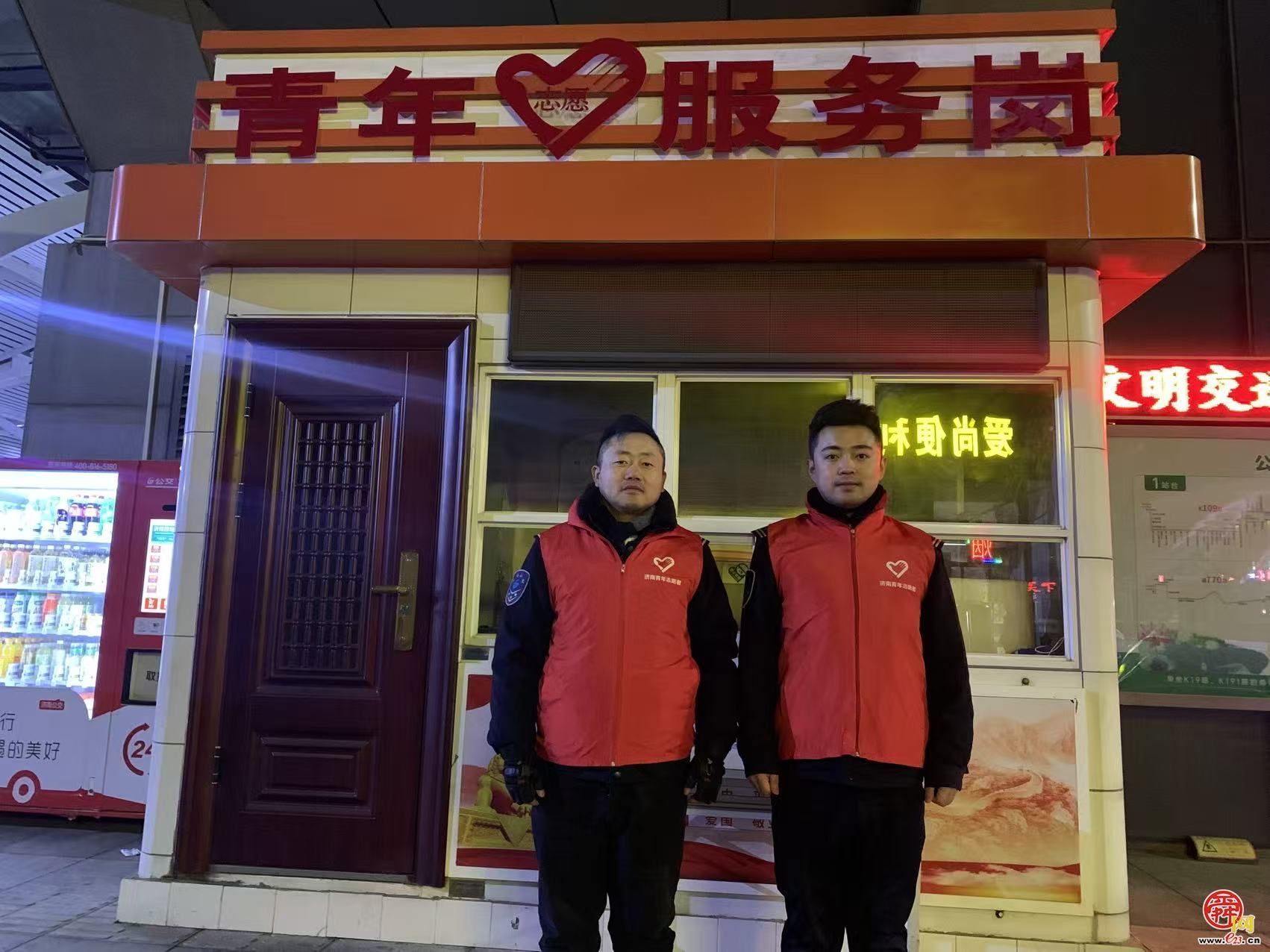
节日我在岗:跨年夜的“引路人”——五一劳动奖章获得者吕鑫
Xin Lang Cai Jing· 2026-01-01 09:27
Core Points - The article highlights the dedication of a bus driver, Lv Xin, who volunteered to assist travelers at the Jinan West Station during New Year's Eve, showcasing a commitment to community service and support for passengers [1][2][4] - The Jinan public transport system increased the frequency of night bus services to ensure safe travel for late-night arrivals, demonstrating proactive measures to enhance passenger experience [4] Group 1 - Lv Xin, a recipient of the May Day Labor Medal, stayed after his shift to provide guidance to travelers, embodying the spirit of service [1][4] - He actively engaged with passengers, offering assistance with travel inquiries and ensuring orderly boarding, which contributed to a positive travel experience [2][4] - The actions of Lv Xin and his fellow drivers not only provided immediate support but also reinforced the importance of community responsibility among public service workers [4]
南京机场开通中山陵景区直达班线 联运服务提升旅客出行体验
Zhong Guo Min Hang Wang· 2026-01-01 03:35
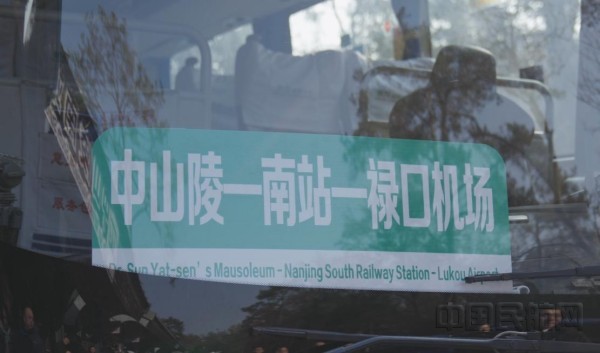
景航直通车线路、发车时间及票价 ①机场—南京南站—中山陵景区,发车时间11:40、13:40,全程票价35元。 ②南京南站—中山陵景区,发车时间 8:00、9:30、12:20、14:20、15:00,票价25元。 ③中山陵景区—南京南站,发车时间13:50、15:50,票价 25 元。 ④ 中 山 陵 景 区 — 南 京 南 站 — 机 场,发 车 时 间9:30 、 11:00 、16:30,全 程 票 价35 元 。 ( 编 辑:张 彤 校 对: 许浩存 审核:程凌) 《中国民航报》、中国民航网 记者胡夕姮 通讯员李静 报道:2026年1月1日起,南京机场正式开通至中 山陵风景区的直达班线。旅客可获得"下飞机即游景区"的超爽体验。该班线经停南京南站,高效串联航 空、高铁与景区,每日提供多个往返班次,票价合理亲民。 中山陵作为南京重要旅游地标,每年吸引大量海内外游客慕名前来。定制班线的开通有效解决了旅客从 机场、高铁站前往景区的"最后一公里"接驳需求,极大节省了中途换乘时间。"空铁景"一票畅游,还进 一步丰富了"航空+文旅"服务场景,促进南京本地航旅融合发展。 ...
“零点公交线”陪您跨年
Xin Lang Cai Jing· 2025-12-31 21:06
转自:天津日报 (来源:天津日报) "各位乘客,由于交通管控,甘肃路、八一礼堂、金街这3站临时取消,前往这3站的乘客请就近选择其 他站点下车。"每到一站,刘世津都会提示乘客。面对不熟悉路况的乘客,刘世津热心解答。他说:"不 仅是公交,地铁、交管、环卫也都在保驾护航,希望各地游客能享受在津城的欢乐时光。" 昨天14点,8路驾驶员刘世津提前1小时到岗。今年跨年夜,市公交集团加开包括8路在内的5条"跨年夜 零点公交线路"。刘世津上晚班,要在体育中心与天津站间往返4个来回。 ...
本市交通部门增配运力保障市民出行需求
Xin Lang Cai Jing· 2025-12-31 16:59
Core Viewpoint - The Beijing Transportation Commission anticipates increased travel demand during the New Year holiday period in 2026, leading to heightened traffic pressure in key areas such as train stations, airports, parks, and commercial districts [1][2] Group 1: Travel Demand and Traffic Pressure - The expected travel demand during the New Year holiday is projected to increase by 8% compared to the 2024 holiday, with daily passenger flow significantly rising compared to the 2025 holiday [1] - Major highways will see an average daily traffic volume of 2.29 million vehicles, an 8% increase from the 2024 New Year holiday [2] - Key highways such as Jingha, Jinggang'ao, Jingzang, Jingxin, and Jingcheng will experience increased traffic pressure during peak hours [2] Group 2: Transportation Measures - The transportation department plans to enhance subway capacity on multiple lines, including Line 1, Line 2, and Line 4, to accommodate increased passenger flow [2] - Ground public transport will adjust vehicle deployment to ensure adequate service for routes passing through major tourist attractions and train stations [2] - Ride-hailing platforms like Didi will reserve 300 vehicles to form an emergency support fleet for high-demand areas after subway service interruptions [2]
一果生金!建行“链”上枣庄石榴,赋能火红产业新生态
Qi Lu Wan Bao· 2025-12-31 13:32
Group 1: Industry Development - The pomegranate industry in Yuyuan Town, Shandong Province, has a history of over 2000 years and is supported by local government policies aimed at promoting its development [1][3] - Yuyuan Town is recognized as one of the seven major pomegranate production areas in China, benefiting from unique geographical advantages that support the growth of the pomegranate industry [1] - The local government has elevated the pomegranate industry to a city-level development strategy, facilitating the integration of primary, secondary, and tertiary industries [1][3] Group 2: Financial Support and Growth - The Construction Bank (建行) has actively supported the pomegranate industry by providing various financial products and services, including loans to local farmers and businesses [2][3][11] - A notable case is that of Sun Ning, who received a 1 million yuan "Yunong Loan" from the bank, which significantly boosted his pomegranate bonsai business, leading to a sales revenue of over 2 million yuan in 2023 [2][3] - The bank has issued loans totaling 55 million yuan for network supply chain projects and 14.17 million yuan for various pomegranate-related businesses [4][11] Group 3: Product Innovation and Market Expansion - The local government encourages the development of new pomegranate products, resulting in over 20 varieties, including pomegranate juice, wine, tea, and cosmetics [3] - The "Red Pomegranate" series of products developed by the Zaozhuang Public Transport Group has gained popularity, showcasing the potential for cross-industry innovation [6][8] - The animation series "Silk Road," produced by a local company, has become a significant cultural product, highlighting the integration of cultural and agricultural industries [9][10][11] Group 4: Economic Impact - The pomegranate industry has evolved from a single planting model to a comprehensive ecosystem that includes planting, processing, cultural tourism, and creative industries, contributing to rural revitalization [10][11] - As of November, the Construction Bank has provided over 300 million yuan in loans to nearly 450 entities in the pomegranate industry, supporting their growth and development [11]

“浪花车厢”绘就暖心风景线
Xin Lang Cai Jing· 2025-12-31 12:42
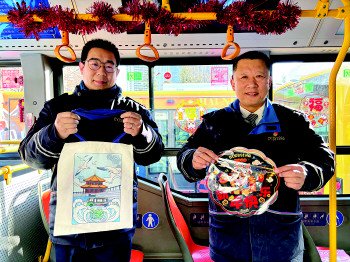
通讯员 唐梦遥 近日,青岛公交310路的"浪花车厢"成为市民游客热议的焦点——车窗上灵动的浪花车贴与沿途碧海蓝天 相映成趣,车厢内便民服务包、景点手册一应俱全,驾驶员邵禹铭带领班组以创新服务与坚守担当,将这条 串联山海的公交线路打造成城市文明的"流动名片"。 作为青岛"山海特色线路"的代表,310路公交自洛东小区至岳阳路东海一路,途经48个站点,串联湛山寺、 第三海水浴场、植物园等景点,既是游客的"移动观景台",也是市民日常通勤的"保障线"。特殊的线路定 位让服务升级成为必然,驾驶员邵禹铭率先破题:结合线路沿海特色,他利用休息时间设计浪花图案,定制 防水车贴装饰车厢,打造出独具滨海风情的"浪花车厢";同时,他牵头在车厢配备晕车药、创可贴等便民 物资。 记者 赵波 青岛报道 为推动服务标准化落地,邵禹铭总结提炼出"十点服务法":微笑多一点、嘴巴甜一点、脾气小一点、行动 快一点、脑筋活一点、效率高一点、借口少一点、耐心多一点、心胸宽一点、每天进步一点点,覆盖乘 客乘车全流程。他每月组织班组开展专题学习,结合典型案例拆解服务场景:针对游客问路,制定"主动询 问+精准指引+特色介绍"流程;针对老年乘客,明确"提前减速 ...
适老化公交,让出行更便捷(迈向“十五五”的民生图景)
Ren Min Ri Bao· 2025-12-31 01:55
——摘自"十五五"规划建议 冬日上午,阳光洒在身上,家住江苏省南京市栖霞区八卦洲街道新闸村的77岁老人管胜亮坐着电动轮椅 出了家门,来到523路公交车站台等车。 "管大爷,今天出去转转?"有邻居问道。 "现在坐公交方便了,我自个儿也能外出了。"老人家笑着回应。 八卦洲是个小岛,位于长江中,岛上许多年轻人外出工作,常住居民多是老年人。虽有好几条连接江岛 与市区的公交线路,但对于曾经中风的管大爷来说,上下车总感到不便,又不愿老麻烦子女,这些年常 是一个人宅在家里。 去年重阳节,523路升级为"敬老线",适老化交通出行多了"硬设施"和"软服务",一切变得不一样起 来。 加强公共设施适老化和无障碍改造。 除了车头上有敬老的标识、电子屏上显示"523路、敬老线"之外,公交车内敬老氛围满满:车厢上方是 图文并茂的敬老爱老小故事;座椅靠背上有"传承敬老"的宣传画;驾驶室后方有便民箱,里面雨伞、口 罩、创可贴等便民物件一应俱全……随着天气转凉,车厢内的扶手也换上了"毛绒外衣",摸起来不再冰 凉。 这趟523路车,起点位于八卦洲的中桥中学,终点是迈皋桥东站,18公里路上串起多个老小区、医院、 农贸市场。"我们在后台做过统计,5 ...
精彩纷呈这一年,我们与您携手走过
Xin Lang Cai Jing· 2025-12-30 20:11
Core Viewpoint - Chengdu's public transportation system has undergone significant upgrades, enhancing the commuting experience for residents through improved bus services and integration with metro lines [1][2][5]. Group 1: Enhanced Commuting Experience - The launch of Chengdu's first automated driving bus line has reduced commuting time significantly, providing a direct service from the metro station to workplaces, cutting travel time from over 40 minutes to approximately 25 minutes [2]. - The establishment of a new bus transfer station near Chengdu West Station has improved the waiting environment and reduced peak waiting times from 8 minutes to under 2 minutes [3]. - A total of 45 bus transfer stations have been built, with over 60 metro connecting lines in operation, serving around 100,000 passengers daily [3]. Group 2: Efficient Bus Services - Chengdu plans to optimize 60 "Rongcheng Microbus" metro connecting lines by 2025, aiming to enhance the integration of metro and bus services with reduced waiting times [4]. - The introduction of 10 new bus express lines in December effectively connects key metro stations, improving transportation for residents [5]. Group 3: Innovative Solutions - The "Minle Mode" has been implemented to alleviate congestion at busy metro stations by redesigning bus stop layouts and improving passenger flow [7]. - Customized school bus lines have been introduced, providing direct routes for students, with over 280 such lines now operational across more than 120 schools [8]. Group 4: Cultural Integration - Chengdu's public transport has evolved into a cultural ambassador, with themed buses like the "Fire Pot Bus" and "Night Tour Jinjiang Bus" becoming popular among tourists [13]. - The launch of the "Fun Travel Bus" brand integrates transportation with cultural and tourism resources, enhancing the city's unique character [13]. Group 5: Event Support - During the Chengdu World University Games, the public transport system provided comprehensive support, ensuring smooth transportation for over 10,000 attendees with a well-coordinated fleet and service lines [11].
1980万元招标40辆公交车!
第一商用车网· 2025-12-30 16:03
Core Viewpoint - The article discusses the procurement project for the replacement of 40 buses by Shengzhou Public Transport Co., Ltd., which includes both 7-meter pure electric and 6-meter traditional buses, with a total budget of 19.8 million yuan [1]. Project Overview - The procurement project is titled "2025 40 Buses Scrapping and Replacement Project" with a total budget of 19,800,000 yuan [3]. - The project includes two categories of buses: 7-meter pure electric buses and 6-meter traditional buses, with budget allocations of 13,000,000 yuan and 6,800,000 yuan respectively [3]. - The deadline for submitting bids is set for January 19, 2026, at 14:30 Beijing time [2][12]. Applicant Qualifications - Applicants must have the ability to independently assume civil liability [4]. - Good commercial reputation is required [5]. - Applicants must possess necessary equipment, professional technology, and after-sales support capabilities [6]. - A good record of tax payment and social security contributions is mandatory [7]. - No major legal violations or serious credit issues in the past three years [8]. - Other conditions as stipulated by laws and regulations must be met [9]. - Specific requirements include that bidders must be manufacturers or authorized agents of the goods being bid [10]. Bid Document Acquisition - Bidders can obtain the tender documents online from the LeCaiYun platform from December 29, 2025, to January 19, 2026 [11]. - The documents are available for free [11]. Submission and Opening of Bids - Bids must be submitted by January 19, 2026, at 14:30 [12]. - The opening of bids will occur at the same time and location as the submission [12]. Bid Security - The bid security for the 7-meter pure electric bus is set at 260,000 yuan, while for the 6-meter traditional bus, it is 136,000 yuan [12]. - Bid security must be transferred to the designated account by January 18, 2026, at 16:00 [12][13]. Announcement Period - The announcement period for this procurement project is five working days from the date of publication [14].