财富管理

Search documents
家族办公室的“管家”能力应如何构建
Jing Ji Guan Cha Bao· 2025-10-25 02:19
Core Insights - The event focused on family offices and their role in addressing intergenerational conflicts and enhancing management capabilities [1] Group 1: Intergenerational Conflict Resolution - Intergenerational conflicts in family businesses arise from differences in upbringing and risk preferences between founders and their successors [2] - Solutions include employing professionals with psychological expertise in family offices to facilitate communication between generations [2] - Emphasizing the importance of early exposure for the third generation to family business operations to foster understanding and connection [2][3] Group 2: Family Office Management Capabilities - Family offices should act as a "glue" for family cohesion, especially post-sale of family businesses, by engaging in strategic charitable activities [4] - Not all family businesses require a family office; the effectiveness depends on the core members' ability to set a positive example [4] - Family offices are encouraged to focus on impact investing, balancing financial returns with social benefits, particularly in sectors like environmental protection and healthcare [4][6] Group 3: Strategic Wealth Management - Recommendations for wealth distribution include retaining 70% of core assets under the first generation's control while allocating portions for exploration and philanthropy [3] - Family offices should evolve into "chief architects" that not only promote strategic philanthropy but also support the development of future generations through various tools [4] - The development stages of family offices should align with client needs, focusing on practical family requirements such as education and healthcare [5]
挣不到时代红利,年轻人开始“捞父母红利”
虎嗅APP· 2025-10-24 16:02
本文来自微信公众号: 凤凰WEEKLY (ID:phoenixweekly) ,作者:凯斯,编辑:闫如意,题图 来自:AI生成 以下文章来源于凤凰WEEKLY ,作者凯斯 凤凰WEEKLY . 有温度、有情感、有趣味的新媒体。 尤其在欧美的许多国家,二战后诞生的婴儿潮一代,曾借着经济上行的东风,在过去的半个世纪积累 了巨量的财富。 粗略统计下来,约有70万、80万亿美元之多。 而随着这一代人相继老去离世,他们的财富便大多根据血缘,悉数交付给如今尚且年轻的Y世代或Z 世代们。 在未来20年,全球的年轻人都可能获得一笔不菲的"收入"。 据《华尔街日报》报道, 如今的我们正在经历一场,或许是人类历史上最大的财富转移浪潮 。 然而,虽然上一辈的存款早晚会出现在自己的账户里,有些老外却早已急不可待,企图"人为加速"自 己获取遗产的速度—— 哪怕,这会让他们的父母在人生的最后岁月里穷困潦倒,甚至提前离开人世。 继承遗产,年轻人等不及了 几年前,澳大利亚昆士兰一名叫莎伦·杨的55岁的女性,被指控欺诈性地榨取自己80岁老母亲的养老 储蓄。 莎伦不仅擅自使用其为母亲所设立的20万美元的信托基金,还将母亲的一处房产擅自出售,并用 ...


智安投集团再获5.4亿港元融资 客户资产规模突破780亿港元
智通财经网· 2025-10-23 08:38
Group 1 - Endowus has completed a milestone financing round of HKD 540 million, with total funding exceeding HKD 1 billion [1] - The company's client assets have reached a historic high, surpassing HKD 78 billion, with a year-on-year client growth of 150% and a threefold increase in asset scale [1] - The financing round was led by Illuminate Financial, with continued support from existing shareholders including Prosus Ventures, Citi Ventures, and top Asian family offices [1] Group 2 - Endowus has generated over HKD 7.8 billion in net investment returns for clients, driven significantly by the expansion in alternative investments [1] - The alternative investment asset scale, including hedge funds and private markets, has grown more than threefold in the past year, exceeding HKD 3.9 billion [1]
金融监管总局资管司副司长蒋则沈:金融机构要坚持财富管理与资产管理有机协同 共同以客户利益为出发点
Shang Hai Zheng Quan Bao· 2025-10-22 10:50
登录新浪财经APP 搜索【信披】查看更多考评等级 来源:上海证券报·中国证券网 "其中,信托公司主要面向私募、高净值客户和机构投资者,提供专业资管产品和信托服务。理财公司 主要面向公募自然人投资者,提供广泛多样风格稳健的资管产品,保险资管公司主要为机构投资者提供 私募产品和专户投资服务。相信随着居民财富规模增长和结构变化,我国财富管理和资管行业的整体规 模仍将保持稳步上升态势。"蒋则沈补充道。 展望未来,蒋则沈认为,我国财富管理和资管市场成长发展方兴未艾,金融机构面临着前所未有的发展 机遇,也承担着重要的服务使命,更需要在深化改革、转型升级进程中主动作为,可以重点把握以下几 个方面: 总体来看,结合我国的财富管理和资产管理业务发展,蒋则沈认为,从需求侧看,随着我国国民经济持 续稳定健康发展,企业和居民财富同步稳定持续积累,结构日趋多元,家庭部门的资产负债表项目不断 丰富,对财富管理和资产管理的客观需求不断强化。 一是坚持财富管理和资产管理有机协同。财富管理和资产管理是为企业居民维护良性资产负债表的"一 体两面",二者不可分割。 据统计,2024年全国居民人均可支配收入较上年名义增长5.3%,与国内生产总值增速 ...
31万亿!深圳财富管理书写“十四五”亮眼答卷 ——相约香蜜湖·打造国际财富管理中心新名片
Sou Hu Wang· 2025-10-22 10:27
Core Insights - The "2025 Xiangmi Lake Wealth Management Week" is a significant annual event in Shenzhen aimed at promoting the city's wealth management ecosystem and aligning with national financial strategies [1][5][6] - The event attracted over 900 representatives from various financial institutions, highlighting the collaborative efforts between government, enterprises, and financial sectors [1][5] - Shenzhen's wealth management industry has reached an asset management scale of over 31 trillion, comparable to Hong Kong and Singapore, marking a significant achievement in the city's financial development goals [6][8] Group 1: Event Overview - The event was guided by the Shenzhen Municipal Financial Committee and supported by the China Insurance Asset Management Association, featuring multiple activities focused on high-quality development in wealth management [1][5] - Key government and financial leaders attended, including representatives from the People's Bank of China and various financial institutions, emphasizing the importance of collaboration in the sector [3][5] Group 2: Industry Growth and Statistics - As of now, there are 135 asset management institutions in China, with a total managed asset scale exceeding 100 trillion, reflecting a growth rate of nearly 6% year-to-date and over 15% year-on-year [5][7] - Shenzhen's wealth management scale is nearing that of Hong Kong and Singapore, with significant contributions from banks and private equity funds [6][8] Group 3: Strategic Directions - The wealth management sector in Shenzhen is focusing on enhancing its professional capabilities, supporting the real economy, and protecting investor rights [5][7] - The city aims to develop a multi-layered international wealth management center, with a focus on deepening cooperation between Shenzhen and Hong Kong [6][19] Group 4: Future Initiatives - The event included the signing of a 7 billion AIC fund to support innovation in technology enterprises, showcasing the commitment to fostering a robust financial ecosystem [15][19] - Future activities will include exploring family office services and roadshows for innovative enterprises, reinforcing Shenzhen's role as a key player in the wealth management landscape [25][26]
走近C罗的财富“守门员”:低调管家守住14亿美元
3 6 Ke· 2025-10-22 06:55
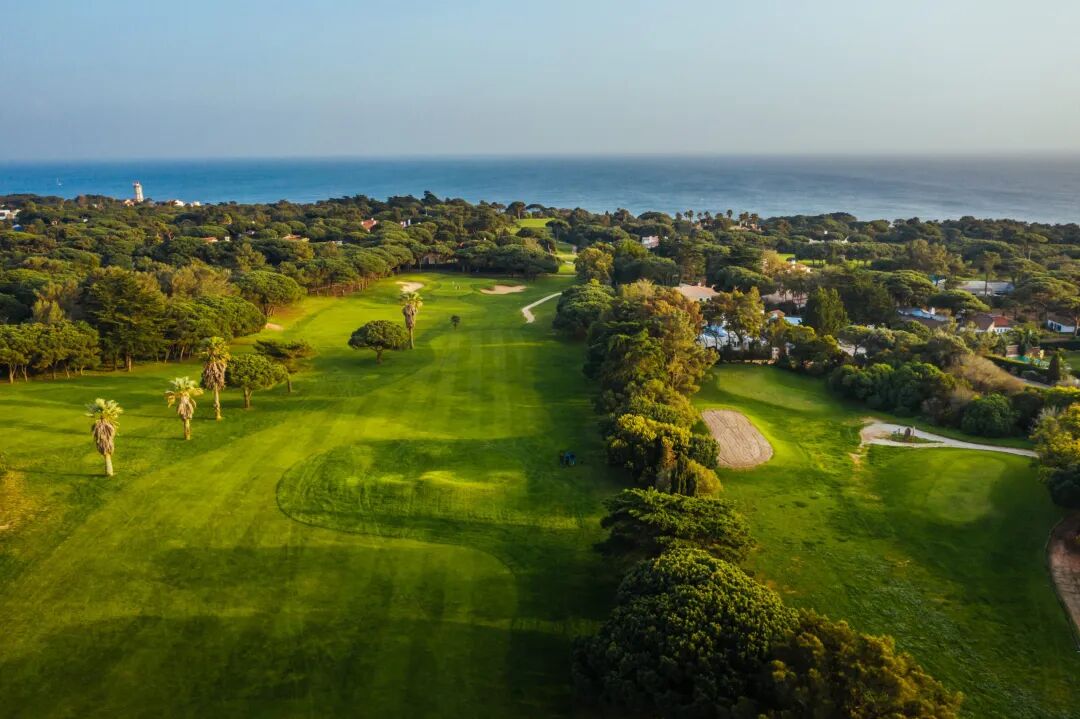
Core Insights - Cristiano Ronaldo (CR7) has reached a net worth of approximately $1.4 billion, becoming the first football player to surpass the $1 billion mark, driven by his lucrative contracts and a well-structured business empire [1][10][19] Group 1: Wealth Management - Miguel Marques, CEO of LMcapital Wealth Management, plays a crucial role in managing CR7's wealth, employing a low-profile approach that emphasizes trust and loyalty [2][9] - Marques is deeply involved in key projects, such as serving on the board of Pestana CR7 Manchester Limited, ensuring a closed loop of advice, execution, and supervision [2][6] - He facilitates investment negotiations and structures, exemplified by his leadership in CR7's investment in the City of Padel tennis club [3][7] - Marques ensures privacy and security in real estate transactions, such as CR7's acquisition of land in Quinta da Marinha, which was kept confidential until completion [4][6] - The wealth management strategy includes a multi-custodian approach to optimize costs, taxes, and liquidity, while incorporating insurance and hedging mechanisms [6][7] Group 2: Income Sources - CR7's income trajectory reflects the commercialization of modern football, starting from modest salaries at Sporting Lisbon to multi-million dollar contracts with clubs like Manchester United, Real Madrid, and Juventus [11][12] - His current contract with Al-Nassr is estimated to be over $200 million per year, including salary and commercial deals [12] - CR7's endorsement portfolio includes major brands like Nike, with a lifetime contract estimated at $1 billion, contributing significantly to his income [13][19] Group 3: Brand and Business Ventures - The CR7 brand encompasses a diverse range of products, including apparel, fragrances, and hotels, creating a robust commercial ecosystem [14][22] - CR7's social media presence, particularly on Instagram, generates substantial income through brand posts, with a single post valued at approximately $3.5 to $4 million [18] - The wealth structure is designed for long-term cash flow stability, with income primarily in USD or EUR, providing a natural hedge against risks [19][25] Group 4: Asset Allocation - CR7's real estate investments are strategically located globally, with properties in Portugal, Spain, and the U.S., valued at tens of millions of dollars [21][22] - His investments also include stakes in health and wellness companies, as well as digital assets like NFTs, reinforcing the CR7 brand [24][25] - The wealth management approach has evolved into a family office model, focusing on compliance, transparency, and a centralized decision-making structure [25][26]
2025香蜜湖财富管理周首日活动在深圳举办
Zhong Zheng Wang· 2025-10-22 05:53
Group 1 - The "2025 Xiangmi Lake Wealth Management Week" is being held in Shenzhen, focusing on the development of the wealth management ecosystem [1][2] - As of now, there are 135 institutions in China managing assets, including 67 trust companies, 32 wealth management companies, and 36 insurance asset management companies, with a total asset management scale exceeding 100 trillion yuan, reflecting a nearly 6% increase since the beginning of the year and over 15% year-on-year growth [1] - Shenzhen's wealth management scale has surpassed 31 trillion yuan, with significant investments from various funds supporting the development of the city's industrial financial center [2] Group 2 - The Futian District, as Shenzhen's financial center, manages over 18 trillion yuan in assets, accounting for approximately 60% of the city's total wealth management scale [2] - The "Xiangmi Lake Wealth Management Week" aims to build a bridge for government-enterprise-industry-finance collaboration, with over 900 representatives from various wealth management institutions participating [2] - The event emphasizes the importance of enhancing professional capabilities and protecting investors' rights while supporting high-quality development of the real economy [1]
中国资产迎来新一轮价值重估 财富管理怎么变?
Zhong Guo Xin Wen Wang· 2025-10-21 17:20
Core Insights - The global monetary order is undergoing rapid restructuring, leading to a new round of value reassessment for Chinese assets [1] - The wealth management industry is transitioning from a "product-selling" model to a "service-oriented" approach, establishing a solid foundation for the growth of client-centered advisory models [2] Industry Transformation - The wealth management industry is experiencing profound changes driven by macroeconomic shifts, with a focus on enhancing client services [2] - As of July this year, the assets under management for the client advisory model at China International Capital Corporation (CICC) Wealth Management surpassed 1 trillion, recently exceeding 120 billion [2] Global Asset Allocation - The importance of global asset allocation is increasingly recognized amid deep economic integration and the dual opening of capital markets [2] - Investors face challenges related to information asymmetry and a lack of appropriate investment tools when pursuing global asset allocation [2][3] Technological Advancements - The advent of AI is expected to break existing limitations and provide more inclusive financial services [3] - The development of a systematic service framework that is accessible, understandable, and easy to invest in is currently lacking in the market [3] Financial Inclusion - China's inclusive finance sector has progressed from the "existence" stage to the "quality" stage, emphasizing the need for investor education and low-threshold, high-liquidity investment products [3]

深圳 重要活动来了
Zhong Guo Ji Jin Bao· 2025-10-21 13:57
Core Insights - The "2025 Xiangmi Lake Wealth Management Week" has officially launched, highlighting a significant growth in national wealth management assets, which have increased by over 15% year-on-year [1][2]. Group 1: National Wealth Management Growth - The total asset management scale of trust, wealth management, and insurance institutions has surpassed one trillion yuan, with a year-to-date growth of nearly 6% and a year-on-year increase exceeding 15% [2]. - There are currently 135 institutions in the wealth management sector, including 67 trust companies, 32 wealth management companies, and 36 insurance asset management companies [2]. Group 2: Shenzhen Wealth Management Landscape - Shenzhen's wealth management ecosystem has developed robustly, with the total wealth management scale exceeding 31 trillion yuan, approaching levels seen in Hong Kong and Singapore [3]. - The city is focusing on enhancing its capital market functions and developing various wealth management products to support the growth of new productive forces [3]. Group 3: Local Government Initiatives - The Futian District, as Shenzhen's financial center, manages assets exceeding 18 trillion yuan, accounting for about 60% of the city's total wealth management scale [4]. - Futian aims to create a global financial resource hub and attract financial institutions to expand their wealth management footprint [4]. Group 4: Industry Collaboration and Innovation - The China Insurance Asset Management Association emphasizes the importance of asset allocation in a low-interest-rate environment, with banks and insurance asset management institutions playing a crucial role in supporting national strategies and local economic development [5]. - Various financial institutions are collaborating to enhance services for innovative enterprises, including signing a 7 billion yuan AIC mother fund to support tech innovation [6]. Group 5: Cross-Border Financial Services - The "Xiangmi Lake Wealth Management Week" features a series of activities aimed at enhancing cross-border financial services and supporting mainland enterprises in expanding overseas [7]. - Hong Kong's government is working on optimizing tax relief measures to attract more mainland enterprises to establish financial centers in Hong Kong [7].
深圳,重要活动来了
中国基金报· 2025-10-21 13:43
Core Viewpoint - The "2025 Xiangmi Lake Wealth Management Week" has officially launched, highlighting a significant growth in national wealth management assets, which have increased by over 15% year-on-year [2][5]. Summary by Sections Event Overview - The "2025 Xiangmi Lake Wealth Management Week" commenced on October 21, 2023, supported by various financial authorities and associations in Shenzhen [4]. National Wealth Management Growth - As of now, there are 135 institutions in China managing wealth, including 67 trust companies, 32 wealth management companies, and 36 insurance asset management companies. The total assets under management exceed 100 trillion yuan, with a growth of nearly 6% since the beginning of the year and a year-on-year increase of over 15% [6]. Shenzhen Wealth Management Landscape - The wealth management scale in Shenzhen has surpassed 31 trillion yuan, approaching levels seen in Hong Kong and Singapore. This growth is supported by the establishment of various funds and the development of a financial center in Shenzhen [7]. Regional Contributions - In the Futian District, wealth management institutions manage over 18 trillion yuan, accounting for about 60% of the city's total. The district aims to create a global financial resource hub and attract financial institutions to expand their wealth management operations [9]. Insurance and Asset Management Insights - The insurance asset management sector is actively exploring new paths for value creation through technology and industry upgrades. As of Q2 2025, the scale of bank wealth management and insurance funds is significant, contributing to local economic development [11]. Financial Initiatives and Collaborations - A 7 billion yuan AIC fund was signed to support innovation in technology enterprises. Various financial institutions shared their strategies and initiatives aimed at enhancing wealth management services [12]. Cross-Border Financial Services - The event included discussions on cross-border financial services, with Hong Kong officials emphasizing the integration of resources to support mainland enterprises in expanding overseas. Tax incentives are being studied to attract more mainland companies to establish financial centers in Hong Kong [15].