全球配置

Search documents
ETF组合策略月度跟踪报告(2026年02月)-20260311
Shanghai Securities· 2026-03-11 10:04
Market Overview - In February 2026, the domestic stock market indices showed mixed performance, with the CSI 1000 index rising significantly by 3.71%, while the STAR 50 index fell by 1.42%. Year-to-date, the CSI 500 index performed strongly with a gain of 15.98%, whereas the CSI 300 index lagged with a rise of only 1.74% [2][6]. - In terms of market style, small-cap stocks outperformed large-cap stocks in February, and value stocks slightly outperformed growth stocks. Year-to-date, the ChiNext index rose by 3.34%, while the CSI 1000 index increased by 12.71% [2][7]. - The best-performing sectors in February were steel (+9.52%), building materials (+7.72%), and machinery (+7.56%), while the worst performers were media (-4.22%), non-bank financials (-3.48%), and consumer services (-3.37%) [2][12]. - The bond market saw the China Bond Treasury Total Wealth Index increase by 0.26% and the China Bond Corporate Bond Total Wealth Index rise by 0.23% in February. Year-to-date, government bonds performed slightly better than credit bonds [2][7]. - In the commodity market, most domestic commodity indices fell in February, with the Nanhua Agricultural Products Index rising by 0.23% and the Nanhua Gold Index declining by 1.17%. Year-to-date, the Nanhua Gold Index increased by 17.11% [2][7]. ETF Strategy Performance - The report highlights the growing importance of ETFs as investment tools, with a focus on various strategies including style rotation, quantitative selection, global allocation, bond allocation, and asset allocation. The current ETF combinations include style rotation, global allocation, valuation-selected ETFs, and others [3][13]. - As of February 28, 2026, the Style Rotation Portfolio achieved a cumulative return of 104.86%, outperforming its benchmark by 53.29%. The annualized volatility was 19.24%, with a maximum drawdown of -22.20% [3][19]. - The 28 Rotation Portfolio recorded a cumulative return of 66.89%, exceeding its benchmark by 17.31%, with an annualized volatility of 11.26% and a maximum drawdown of -16.39% [3][26]. - The Valuation-Selected ETF Portfolio achieved a cumulative return of 190.69%, outperforming its benchmark by 141.54%, with an annualized volatility of 20.37% and a maximum drawdown of -21.42% [3][33]. - The Global Allocation Portfolio had a cumulative return of 73.57%, surpassing its benchmark by 35.07%, with an annualized volatility of 13.56% and a maximum drawdown of -28.69% [3][41]. - The Dynamic Duration Strategy Portfolio achieved a cumulative return of 20.44%, outperforming its benchmark by 3.32%, with an annualized volatility of 1.71% and a maximum drawdown of -2.38% [3][49]. - The Asset Rotation Strategy Portfolio recorded a cumulative return of 78.61%, exceeding its benchmark by 54.43%, with an annualized volatility of 10.73% and a maximum drawdown of -12.17% [3][56]. - The Asset Rotation Strategy 2.0 Portfolio achieved a cumulative return of 75.02%, outperforming its benchmark by 50.83%, with an annualized volatility of 7.44% and a maximum drawdown of -7.95% [3][64].
指数那么多,到底该怎么选?一文带你搞懂最常见的指数!
雪球· 2026-03-04 08:29
Group 1 - The article discusses various market indices, highlighting their unique characteristics and helping investors understand which types of indices are suitable for them [5] - Broad-based indices are described as the backbone of the market, covering a wide range of companies without industry filtering [7] - The article categorizes indices based on market capitalization: large-cap, mid-cap, small-cap, and micro-cap [8] Group 2 - The Shanghai Stock Exchange 50 Index consists of the 50 largest and most liquid companies in the Shanghai market, representing leading stocks [10] - The CSI 300 Index includes the 300 largest companies from both the Shanghai and Shenzhen markets, representing large blue-chip stocks [12] - The CSI 500 Index represents mid-cap growth stocks by excluding companies in the CSI 300 Index and including the next 500 largest companies [14] Group 3 - The CSI 1000 Index and CSI 2000 Index represent small and micro-cap stocks, with the former including the next 1000 largest companies and the latter including the next 2000 after excluding larger indices [16] - Indices with an "A" prefix, such as the CSI A50 and CSI A500, incorporate an "industry balance" approach, ensuring representation from each industry [18][19] - The CSI A50 Index selects the largest 50 leading stocks while ensuring industry representation, and the CSI A500 Index does the same for 500 stocks, offering broader coverage and higher technology content compared to the CSI 300 [22][24] Group 4 - The article emphasizes that broad-based indices are less affected by individual industries or companies, reflecting the overall economic development and suitable for most ordinary investors seeking average market returns [26] - International broad-based indices, such as the S&P 500, serve as benchmarks for foreign markets, covering approximately 80% of the U.S. stock market [31] - The article compares the CSI A500 to the S&P 500, noting their similar stock selection logic [33] Group 5 - The Nasdaq 100 Index is identified as a technology-themed index, excluding financial companies and focusing on the largest tech firms [36][37] - The Hang Seng Index represents the largest and most liquid companies in the Hong Kong market, covering various sectors and serving as a core indicator of the Hong Kong stock market [40] - Investing in international broad-based indices can reduce the correlation with domestic economic cycles, achieving risk diversification [42]


汇安基金单柏霖:拒绝星辰大海的“泡沫”,产业视角去伪存真
Jiang Nan Shi Bao· 2026-02-11 02:48
Core Viewpoint - The technology sector is experiencing increased volatility amid external disturbances, leading to a divergence in market performance, prompting investors to reconsider their strategies [1] Group 1: Investment Strategies - The investment team led by Dan Bailin emphasizes maintaining focus on industrial growth amidst market fluctuations, advocating for a strategy of "responding rather than predicting" [1] - The team has made structural adjustments to their portfolio based on the prediction that the focus of computing power in the AI inference era will shift from connectivity to storage, resulting in significant returns for investors [2] - Three main strategies are employed to navigate market volatility: rejecting macro narratives, distinguishing between price fluctuations and value destruction, and emphasizing dynamic portfolio monitoring [3] Group 2: Market Outlook - The investment framework remains steadfast despite market volatility, focusing on structural trends rather than transient macro headlines, with an optimistic outlook based on ongoing industrial waves and breakthroughs in product innovation [4] - The current technological cycle in China is viewed as a significant opportunity, with AI-driven computing power revolution still in its early stages [4] - The investment team prioritizes high-quality stocks with strong performance metrics, avoiding speculative "theme stocks" that lack tangible results [4] Group 3: Investment Philosophy - The investment approach is characterized by a relentless focus on industry dynamics, rigorous individual stock analysis, and a commitment to valuations tied to actual performance [5] - The strategy aims to build resilient portfolios through a bottom-up stock selection logic, continuously seeking quality alpha amid industry transformations [5]
贝莱德最新发声!低利率、高波动时代,黄金、股票、债券怎么配?
2 1 Shi Ji Jing Ji Bao Dao· 2026-02-06 14:33
Core Insights - The global economic landscape is shifting, and investors are seeking "safe havens" for their capital, with BlackRock suggesting a resilient and adaptive asset allocation strategy across regional, strategic, and thematic dimensions to achieve true diversification [1][5] Group 1: Investment Strategies - BlackRock emphasizes the importance of constructing a resilient portfolio that avoids both putting all eggs in one basket and the pitfalls of pseudo-diversification [1][5] - Gold is highlighted as a long-term investment with solid allocation logic, supported by factors such as de-globalization, a weakening dollar, and ongoing central bank purchases [1][4] - The A-share market is expected to focus on technology as a core theme, with potential structural opportunities arising from new policies in consumption [1][4] Group 2: Fixed Income Insights - U.S. Treasuries are considered attractive from an absolute return perspective, but investors should be cautious of currency and volatility risks [2] - Short-term foreign bonds are viewed as relatively stable, while long-term U.S. Treasuries may present trading opportunities in the near term [2] Group 3: Asset Allocation Principles - The core principle of multi-asset allocation remains unchanged, focusing on selecting assets or strategies with genuine diversification effects and ensuring long-term value retention [3] - Strategic Asset Allocation (SAA) serves as a long-term anchor for portfolios, with adjustments made through Tactical Asset Allocation (TAA) based on market conditions [3] Group 4: Global Asset Allocation - Global asset allocation is deemed timely, especially in a high-volatility, low-interest-rate environment, as it helps diversify risks and enhance portfolio returns [5] - The long-term capital market assumptions suggest that some overseas assets still offer relative advantages in expected returns [5] Group 5: Thematic Investment Focus - The upcoming technological revolution led by AI is expected to reshape long-term growth patterns, driving productivity and corporate profit growth [6] - Sectors such as non-ferrous metals, energy, and biomedicine are identified as having significant growth potential, encouraging investors to align with these thematic trends [6]


申万宏源证券党委书记、董事长刘健:提升五大专业能力 加快打造一流现代投行
申万宏源证券上海北京西路营业部· 2026-01-19 02:28
Core Viewpoint - The article emphasizes the importance of the securities industry in contributing to China's financial modernization and the high-quality development of capital markets, as outlined in the 20th National Congress of the Communist Party of China [1]. Group 1: Capital Market Development - The securities industry is positioned as a key player in the ongoing reforms of the capital market, with a focus on building first-class investment banks and institutions [2]. - The chairman of Shenwan Hongyuan Securities, Liu Jian, highlights the need for the industry to enhance its professional capabilities and service quality rather than merely focusing on scale and ranking [2][3]. Group 2: Value Discovery Capability - Enhancing value discovery is crucial for optimizing resource allocation in the capital market, especially with the shift towards a registration-based system [3]. - Liu Jian stresses the importance of securities firms acting as gatekeepers, improving due diligence systems to align with new technologies and business models [3]. Group 3: Product Creation Capability - The article discusses the need for securities firms to enhance their product creation capabilities to better serve wealth management needs, addressing challenges such as insufficient product supply and unstable long-term returns [4]. - Liu Jian advocates for a shift towards a buyer-oriented wealth management model, emphasizing the importance of diverse and high-quality product offerings [5]. Group 4: Risk Pricing Capability - The ability to price risks effectively is essential for enhancing China's financial market influence, particularly as new technologies and assets emerge [6]. - Liu Jian calls for innovative valuation methodologies that reflect the unique characteristics of new technologies and to improve information disclosure by listed companies [6][7]. Group 5: Global Allocation Capability - The article highlights the need for securities firms to enhance their international business capabilities to attract foreign investment into China [8]. - Liu Jian emphasizes the importance of establishing a comprehensive cross-border financial service system to facilitate both inbound and outbound investments [9]. Group 6: Reputation Management Capability - Reputation is identified as a fundamental aspect of the financial industry, with Liu Jian stating that it should be embedded in corporate governance and culture [10]. - The article suggests that securities firms should actively contribute to market stability and investor confidence through professional insights and analyses [10][11]. Conclusion - The five key capabilities—value discovery, product creation, risk pricing, global allocation, and reputation management—are essential for Shenwan Hongyuan Securities to fulfill its role in China's financial modernization and to enhance its professional standing in the industry [11].

申万宏源证券党委书记、董事长刘健:提升五大专业能力 加快打造一流现代投行
Sou Hu Cai Jing· 2026-01-15 00:57
Core Viewpoint - The article emphasizes the importance of enhancing five key professional capabilities to transform into a first-class modern investment bank, as articulated by Liu Jian, the Chairman of Shenwan Hongyuan Securities. This transformation is essential for supporting the development of the capital market and contributing to the construction of a financial power [1][13]. Group 1: Value Discovery Capability - Value discovery is identified as the first step in optimizing resource allocation in the capital market, necessitating higher professional discernment and value extraction capabilities from securities firms [2][14]. - Liu Jian highlights the need for securities companies to fulfill their role as gatekeepers by adapting due diligence systems to new technologies and business models, thereby enhancing the market's inclusivity and adaptability [2][14]. - Shenwan Hongyuan Securities has been recognized as an A-class firm in the 2024 evaluation of securities companies' investment banking quality, reflecting its commitment to improving professional standards [2][14]. Group 2: Product Creation Capability - The article discusses the necessity of enhancing product creation capabilities to better serve residents' wealth management needs, particularly in the context of transitioning from traditional brokerage to wealth management [5][17]. - Liu Jian stresses the importance of developing diverse, high-quality products that align with customer needs, particularly focusing on low-volatility, allocation-type products to meet long-term stable return expectations [5][17]. - Shenwan Hongyuan Securities has successfully issued various innovative financial products, providing a wider range of options for both individual and institutional investors [5][17]. Group 3: Risk Pricing Capability - The article underscores the significance of risk pricing in enhancing China's capital market's discourse power, especially as new technologies and assets emerge [7][19]. - Liu Jian advocates for securities firms to innovate valuation methodologies that accommodate the unique risk-return characteristics of new technologies and assets, thereby improving pricing rationality [7][19]. - The goal is to establish a pricing system that not only solidifies domestic core asset pricing power but also enhances international influence in asset valuation [7][20]. Group 4: Global Allocation Capability - The article highlights the need for securities firms to enhance their global resource allocation capabilities to better serve both Chinese investments and foreign investments in China [9][21]. - Liu Jian emphasizes the importance of creating a comprehensive cross-border financial service system that facilitates investment in China and supports Chinese investments abroad [9][22]. - Shenwan Hongyuan Securities has actively engaged in cross-border investment banking, successfully assisting several competitive technology companies in their listings [9][22]. Group 5: Reputation Management Capability - Reputation is deemed fundamental for the survival and development of the financial industry, with securities firms' integrity and public image directly impacting market confidence [11][23]. - Liu Jian asserts that reputation management should be deeply embedded in corporate governance and culture, promoting a healthy market environment [11][23]. - The article calls for securities firms to leverage their expertise to stabilize market expectations and build investor confidence through objective and insightful analyses [11][23].
申万宏源证券党委书记、董事长刘健: 提升五大专业能力 加快打造一流现代投行
Zhong Guo Zheng Quan Bao· 2026-01-14 21:14
Core Viewpoint - The article emphasizes the role of Shenwan Hongyuan Securities in supporting specialized and innovative enterprises in the capital market, highlighting its commitment to becoming a leading modern investment bank and enhancing its service capabilities in various dimensions [1][2]. Group 1: Value Discovery Capability - Value discovery is identified as the first step in optimizing resource allocation in the capital market, necessitating enhanced professional discernment and value extraction capabilities from securities firms [2]. - The company aims to cultivate and select high-tech and quality enterprises during the 14th Five-Year Plan period, thereby improving market inclusivity and adaptability [2]. - Shenwan Hongyuan Securities has been recognized as an A-class firm in the 2024 securities company investment banking business quality evaluation, reflecting its commitment to improving professional standards [2]. Group 2: Product Creation Capability - The company is focused on enhancing its product creation capabilities to better serve residents' wealth management needs, addressing challenges such as insufficient product supply and lack of stable long-term returns [4]. - It aims to provide a diverse range of low-volatility, allocation-type products to meet investors' demand for stable returns [5]. - The transition from traditional brokerage services to a buyer-oriented wealth management model is seen as crucial for enhancing investor satisfaction and trust [5]. Group 3: Risk Pricing Capability - Improving risk pricing capabilities is essential for enhancing China's capital market's influence and ensuring financial security [6]. - The company is tasked with developing innovative valuation methodologies that adapt to new technologies and economic conditions, thereby improving the pricing of new assets [6][7]. - It aims to guide listed companies in disclosing key information to reduce investor cognitive risks and promote rational price discovery [6]. Group 4: Global Allocation Capability - The company recognizes the need to enhance its international business capabilities to match China's economic scale and openness, facilitating foreign investment in China [8]. - It aims to create a comprehensive cross-border financial service system that serves both domestic and international markets [8]. - The focus is on optimizing its international network and strengthening cross-border investment banking expertise to support Chinese enterprises' growth globally [9]. Group 5: Reputation Management Capability - Reputation is deemed fundamental for the survival and development of the financial industry, with a focus on embedding compliance and professionalism into the company's culture [11]. - The company is encouraged to leverage its expertise to stabilize market expectations and build investor confidence through objective and insightful analyses [11][12]. - It aims to communicate rational and professional insights to both domestic and international markets, reinforcing its role as a trusted intermediary in the capital market [12].
提升五大专业能力 加快打造一流现代投行
Zhong Guo Zheng Quan Bao· 2026-01-14 20:51
Core Viewpoint - The article emphasizes the role of Shenwan Hongyuan Securities in supporting specialized and innovative enterprises in the capital market, highlighting its commitment to becoming a leading modern investment bank through enhanced professional capabilities and services [1][8]. Group 1: Value Discovery Capability - Value discovery is identified as the first step in optimizing resource allocation in the capital market, necessitating higher professional discernment and value extraction capabilities from securities firms [1][2]. - The company aims to cultivate and select more hard technology and quality enterprises during the 14th Five-Year Plan period, enhancing market inclusivity and adaptability [2]. Group 2: Product Creation Capability - The enhancement of product creation capabilities is crucial for better serving residents' wealth management needs, addressing challenges such as insufficient product supply and lack of stable long-term returns [3][4]. - The company is focused on providing diverse, high-quality products and adopting a buyer-oriented investment advisory service model to meet investor demands for stable returns [3][4]. Group 3: Risk Pricing Capability - Improving risk pricing capabilities is essential for enhancing China's capital market's influence and ensuring financial security amid the rise of new economic sectors [5][6]. - The company is tasked with innovating valuation methodologies to adapt to new technologies and business models, thereby reducing investor cognitive risks [5][6]. Group 4: Global Allocation Capability - The company recognizes the need to enhance its international business capabilities to match China's economic scale and openness, facilitating foreign investment in China [6]. - It aims to establish a comprehensive cross-border financial service system to support both inbound and outbound investments [6]. Group 5: Reputation Management Capability - Reputation management is deemed fundamental for the survival and development of the financial industry, with a focus on embedding compliance and professionalism into the company's culture [7]. - The company is committed to maintaining high-quality professional output and actively contributing to market stability and investor confidence [7][8].
证券公司学习宣传贯彻党的二十届四中全会精神 | 申万宏源证券党委书记、董事长刘健:提升五大专业能力 加快打造一流现代投行
Zhong Guo Zheng Quan Bao· 2026-01-14 10:37
Core Viewpoint - The article emphasizes the importance of the securities industry in contributing to China's financial strength and capital market development, as outlined in the 20th National Congress of the Communist Party of China. It highlights the need for securities firms to focus on their core responsibilities and enhance their professional capabilities to seize strategic opportunities in the evolving capital market landscape [1][2]. Group 1: Value Discovery Capability - Value discovery is crucial for optimal resource allocation in the capital market, and the market-oriented reforms led by the registration system have increased the demand for securities firms' professional identification and value extraction abilities [3]. - Securities firms are tasked with nurturing and selecting high-quality technology companies during the 14th Five-Year Plan period, enhancing market inclusivity and adaptability [3]. - The need for securities firms to evolve their due diligence systems to align with new technologies and business models is emphasized, requiring proactive engagement with innovation sources [3]. Group 2: Product Creation Capability - Enhancing product creation capabilities is essential for better serving residents' wealth management needs, as investment returns are a significant source of personal income [6]. - The key to breaking through current challenges lies in developing a diverse and high-quality product supply that meets customer needs, with a focus on low-volatility, allocation-type products [6][7]. - Securities firms should transition from traditional brokerage services to a comprehensive wealth management model centered on client needs, integrating product research, asset strategy, and professional advisory services [7]. Group 3: Risk Pricing Capability - Improving risk pricing capabilities is vital for enhancing China's capital market's influence and ensuring financial security amid the rise of new economic sectors [8]. - Securities firms must innovate valuation methodologies to address the unique characteristics of new assets and provide professional pricing services to investors [8][9]. - The goal is to establish a pricing system that holds international influence, particularly in the valuation of new economic assets, thereby enhancing China's role in global financial governance [9]. Group 4: Global Allocation Capability - The ability to allocate global resources is a key measure of a securities firm's strength and competitiveness, with significant growth potential for foreign investment in China's markets [11]. - Securities firms are encouraged to develop international business capabilities that align with China's economic scale and openness, facilitating foreign investment in China [11]. - A comprehensive cross-border financial service system is necessary to support both inbound and outbound investments, enhancing the firm's role as a bridge for global capital [11][12]. Group 5: Reputation Management Capability - Reputation is fundamental to the survival and development of the financial industry, with securities firms' integrity and public image directly impacting market confidence [13]. - Effective reputation management should be embedded in corporate governance and culture, ensuring compliance and professionalism throughout all business processes [13][14]. - Securities firms are urged to leverage their expertise to stabilize market expectations and build investor confidence through objective and insightful analyses [14].
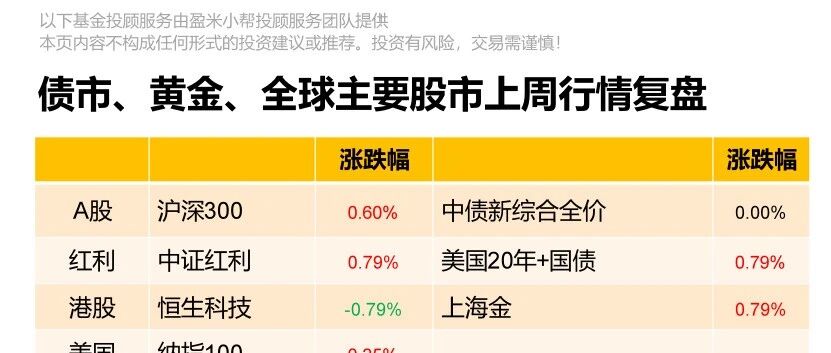
盈米小帮投顾团队-第25次信号发车
老徐抓AI趋势· 2026-01-04 10:30
Group 1 - The core viewpoint emphasizes that having the right structure in investment portfolios leads to better outcomes over time, despite short-term market fluctuations [1][2] - The performance of investment portfolios is more reliant on time and discipline rather than precise market timing [2] - The recent market performance has been stable, with most major markets showing positive returns, except for Hong Kong and India [6][7] Group 2 - The "Rui Ding Tou Global Version" portfolio has achieved a return of approximately 19% for the year, exceeding initial expectations of over 15% [9][10] - The "Lazy Balanced" portfolio has significantly outperformed expectations with a return of 14.12% for 2025, surpassing its original target of 6%-8% [13] - The overall market sentiment remains cautious, with expectations of potential adjustments in the A-share market as it approaches key resistance levels [19][27]