智能穿戴设备

Search documents
智能眼镜销量攀升部分公司已步入收获期
Zheng Quan Ri Bao Zhi Sheng· 2025-10-21 16:38
智能眼镜有望成为人工智能落地新载体,备受各大厂商和消费者关注。《证券日报》记者了解到,近期 多家上市公司积极布局智能眼镜产业,其中部分公司已步入收获期。 市场空间广阔 根据洛图科技发布的报告,智能眼镜可分为音频眼镜、可拍摄眼镜和AR眼镜三大类。今年上半年,三 类细分产品销量悉数上涨,中国智能眼镜市场的全渠道零售量为46.8万台,同比增长148%。 本报记者 李雯珊 见习记者 张美娜 国际数据公司IDC近日发布的数据显示,2025上半年,全球智能眼镜市场出货量达406.5万台,同比增长 64.2%。 IDC预计,到2029年全球智能眼镜市场出货量将突破4000万台,其中,中国市场份额将稳步提升,预计 五年复合增长率(2024年至2029年)将达到55.6%,增速位居全球首位。 多家公司积极布局 多家产业链上市公司正积极布局智能眼镜产业,抢占市场机遇。据不完全统计,今年1月份至8月份智能 眼镜新品超25款。 在传统XR(扩展现实)智能硬件厂商方面,雷鸟创新技术(深圳)有限公司(以下简称"雷鸟创 新")、安徽李未可科技有限公司、杭州灵伴科技有限公司(Rokid)、歌尔股份有限公司、四川影目科 技有限公司(以下简称" ...
王自如,已入职新公司
Di Yi Cai Jing Zi Xun· 2025-10-21 07:41
Core Viewpoint - Wang Ziru has joined Thunderbird Innovation, indicating a strategic move to enhance the company's product testing and evaluation capabilities ahead of the upcoming product launch [2][4]. Company Overview - Thunderbird Innovation Technology (Shenzhen) Co., Ltd. was established in December 2021 with a registered capital of approximately 117 million RMB. The company focuses on manufacturing and selling wearable smart devices and virtual reality equipment [3]. - The company is co-owned by Li Dongsheng, Ningbo Zhicheng Tuoyuan Enterprise Management Partnership, and Wuxi Yuanli Huihe Equity Investment Partnership [3]. Key Developments - Wang Ziru's entry into Thunderbird is not a typical appointment; he is already involved in testing the company's latest products. His expertise in digital product evaluation is seen as a core reason for his recruitment [4]. - A product launch event for the Thunderbird Air 4 is scheduled for October 23, where the new product will be officially unveiled [4]. Background of Wang Ziru - Wang Ziru, born on June 5, 1988, in Qiqihar, Heilongjiang Province, graduated from Xi'an International Studies University and later attended Hong Kong Polytechnic University. He is the founder of Zealer and previously served as the project leader for channel reform at Gree Electric Appliances [3]. - In a recent live stream, Wang disclosed that his salary at Gree was over seven figures, although he did not specify the exact amount. He emphasized that he did not pay attention to his salary details during his tenure at Gree [6][8]. Insights on Gree Electric Appliances - Wang clarified that the channel reform at Gree was not solely his suggestion but part of a comprehensive strategy within the company. He mentioned that his salary at Gree was significantly lower than before, although he did not disclose specific figures [8].


百度、阿里即将入局,AI眼镜“大战”升级
3 6 Ke· 2025-10-21 07:16
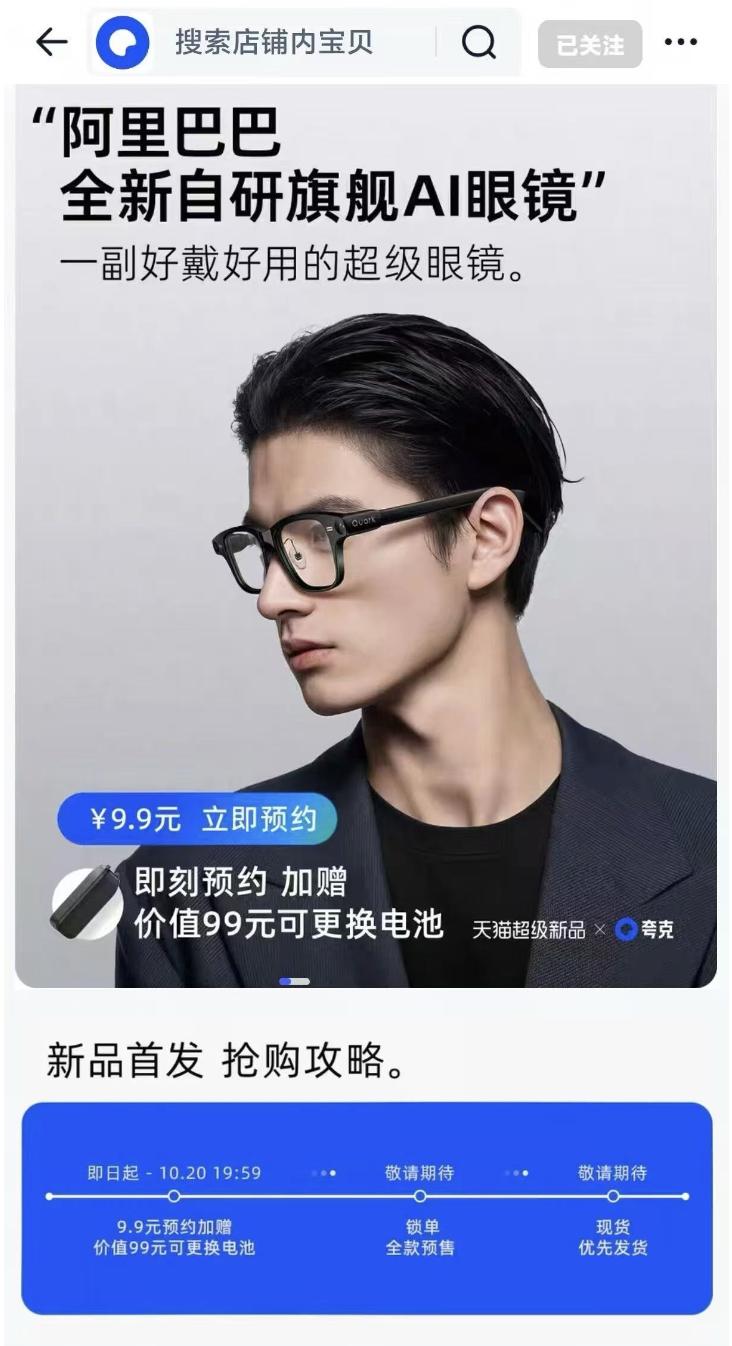
Core Insights - Multiple AI glasses manufacturers are set to release new products soon, indicating a growing market for smart eyewear driven by AI technology and industry demand [1][2][10] - The Chinese smart glasses market is projected to see significant growth, with an expected shipment of 2.846 million units in 2023, representing a year-on-year increase of 116.4% [9][10] Group 1: Product Launches - Thunderbird glasses will launch the world's first HDR-supported smart viewing glasses on October 23 [1] - Yingmu Technology has released the new generation AI smart glasses INMO GO3 and is collaborating with Tencent, Ant Group, and Zhipu AI to build an AI+AR content ecosystem [1] - Alibaba's Quark AI glasses are accelerating production ramp-up, with a pre-sale interface screenshot circulating, although the exact release date remains undecided [1][3][8] - Baidu's Xiaodu AI glasses are also expected to launch within this year, having been first showcased at the 2024 Baidu World Conference [1][8] Group 2: Market Dynamics - IDC forecasts that by the first half of 2025, Chinese smart glasses manufacturers will ship over 1 million units, achieving a year-on-year growth of 64.2% and capturing 26.6% of the global market share [1] - The entry of major players like ByteDance, Alibaba, Baidu, and Meizu into the smart glasses market is expected to intensify competition [1][2][10] Group 3: Technological Integration - Alibaba's Quark AI glasses will integrate various AI capabilities and services from its ecosystem, including navigation and payment functionalities [3] - The glasses will feature a near-eye display navigation system developed in collaboration with Gaode Map, enhancing usability in mobile scenarios [3] Group 4: Industry Challenges - The supply chain for AI glasses faces challenges, including limited production capacity for core components and high production costs due to complex assembly requirements [10] - New entrants in the AI glasses market have experienced delivery issues, highlighting the pressures on production and supply chain management [10]


王自如入职雷鸟
Bei Jing Shang Bao· 2025-10-21 04:32
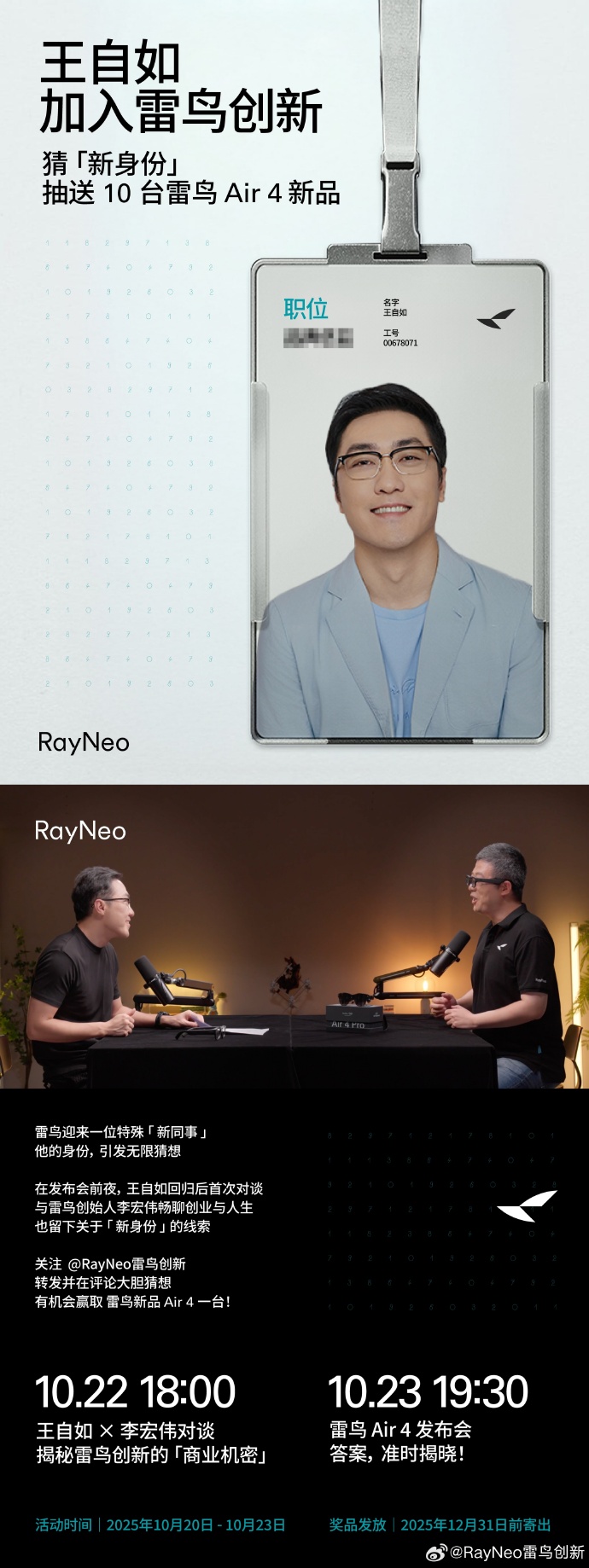
Core Insights - The AR glasses brand Thunderbird Innovation has announced the hiring of Wang Zizhu, the former head of the digital channel reform project at Gree [1] - More information, including Wang's position, will be revealed at the Thunderbird Air 4 launch event on October 23 [1] Company Developments - The hiring of Wang Zizhu is a strategic move for Thunderbird Innovation, indicating a focus on enhancing its digital channels [1] - The upcoming launch event for Thunderbird Air 4 is expected to provide further insights into the company's direction and leadership [1]
放弃二次创业?回归四个多月后王自如加入雷鸟创新
Xin Lang Cai Jing· 2025-10-21 04:02
Core Insights - Wang Ziru has officially joined Thunder Innovation, a company specializing in AR devices, with speculation about his role as marketing director, although the company has not confirmed this [1][4] - A discussion between Wang Ziru and CEO Li Hongwei is scheduled for October 22, where they will reveal "business secrets," followed by the launch of the Air 4 on October 23 [4] Company Overview - Thunder Innovation was established in October 2021, emerging from TCL Electronics, focusing on the research, production, and sales of AR glasses and smart wearable devices [7] - The company has released several products, including the first dual-lens full-color MicroLED holographic waveguide AR glasses in 2021 [7] Market Position - According to RUNTO data, the AI glasses market is expected to see significant growth, with global and Chinese sales projected to reach 5.1 million and 1.37 million units by 2025, respectively, both showing over 200% growth [7] - CINNO Research reports that Thunder holds a 39% market share in the domestic consumer-grade AI/AR device market, with a remarkable 113% year-on-year sales increase in the first half of the year [8] - The company has undergone eight rounds of financing, with notable investors including China Resources Capital and Bilibili, and recently completed a C+ round in August 2023 [8]

百度、阿里即将入局,AI眼镜“大战”升级
财联社· 2025-10-21 02:49
Core Viewpoint - The AI glasses market is experiencing significant growth, with multiple companies preparing to launch new products, driven by advancements in AI technology and increasing consumer demand [4][6][16]. Group 1: Upcoming Product Launches - Thunderbird glasses will launch the world's first HDR-supported smart viewing glasses on October 23 [4]. - Yingmu Technology has released the new generation AI smart glasses INMO GO3 and is collaborating with Tencent, Ant Group, and Zhipu AI to build an AI+AR content ecosystem [4]. - Alibaba's Quark AI glasses are in the process of ramping up production, with a pre-sale price of 9.9 yuan and additional benefits for early adopters [8][14]. Group 2: Market Growth and Competition - According to IDC, China's smart glasses shipments are expected to exceed 1 million units in the first half of 2025, marking a 64.2% year-on-year increase and capturing 26.6% of the global market share [6]. - The AI glasses market is becoming increasingly competitive, with major players like ByteDance, Alibaba, Baidu, and Meizu set to release AI-focused audio and video recording glasses [6][8]. Group 3: Industry Insights - The collaboration between Meta and Ray-Ban has demonstrated a viable commercialization path for smart glasses, focusing on user needs rather than excessive technological features [7]. - The integration of AI capabilities into products, such as navigation and payment systems, is expected to enhance user experience and drive market adoption [8][14]. Group 4: Supply Chain Challenges - The smart glasses industry faces supply chain and production challenges, including limited capacity for core components and high production costs due to complex manufacturing processes [16][17]. - Companies like Rokid have experienced delays in product delivery, highlighting the pressures on production and supply chain management in the rapidly expanding market [17].

688381,拟购买半导体资产!出货量大增超64%,这个赛道火热
Zheng Quan Shi Bao· 2025-10-21 00:01
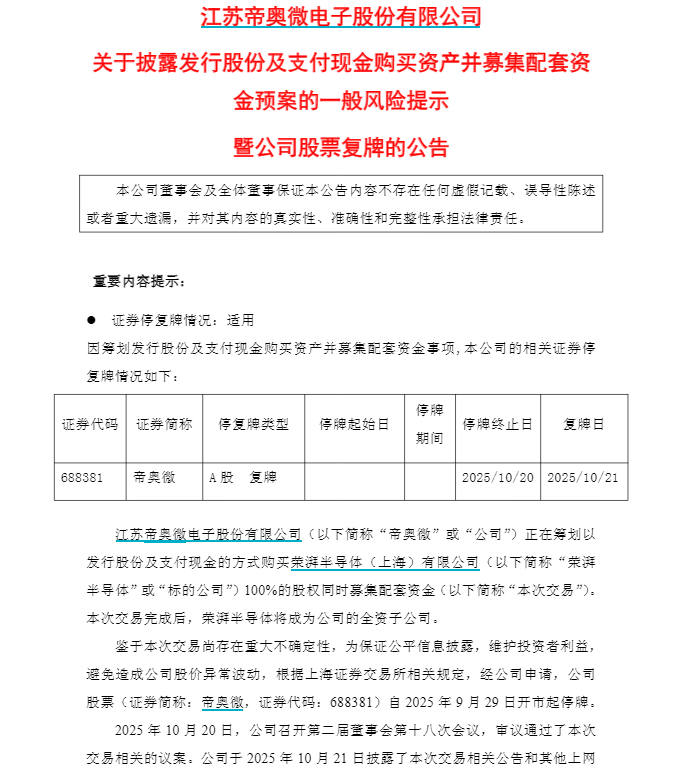
Group 1: Company Announcements - DiAo Micro (688381) plans to acquire 100% equity of Rongpai Semiconductor through a combination of share issuance and cash payment, and will raise supporting funds through a private placement to no more than 35 qualified investors [1][3] - The company’s stock will resume trading on October 21, 2025 [2] Group 2: Industry Trends - The global smart glasses (AI glasses) market shipped 4.065 million units in the first half of 2025, marking a year-on-year increase of 64.2% [4] - The smart glasses market is expected to exceed 40 million units by 2029, with China's market share steadily increasing and a projected compound annual growth rate (CAGR) of 55.6% from 2024 to 2029, the highest globally [4] Group 3: Competitive Landscape - Major tech companies are focusing on smart glasses, with Meta's Ray-Ban Display smart glasses selling out in retail stores and experiencing significant price increases on e-commerce platforms in China [5] - Apple is shifting resources from upgrading its Vision Pro headset to developing competitive smart glasses, as AR smart glasses become a new focal point amid declining VR headset demand [6] Group 4: Financial Performance of AI Glasses Stocks - In the first three quarters of this year, 12 AI glasses concept stocks saw net inflows exceeding 1 billion yuan, with Luxshare Precision leading at 5.007 billion yuan [9] - Companies like Luxshare Precision and OmniVision have reported significant net profit growth, with Luxshare Precision's net profit reaching 11.117 billion yuan, a 22.5% increase year-on-year [11]

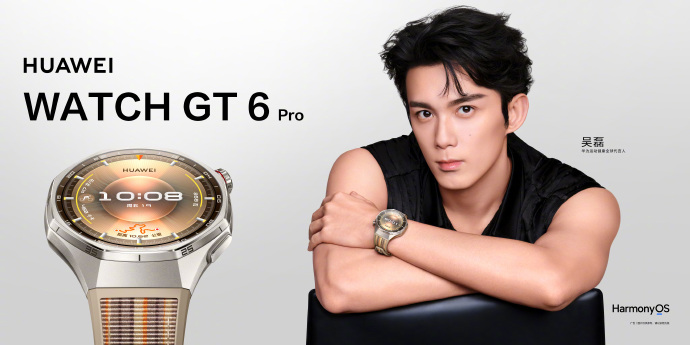
全球份额20.2%,华为登顶后再发力:华为WATCH GT 6 Pro 正式开售!
Huan Qiu Wang· 2025-10-20 08:11
Core Insights - Huawei's WATCH GT 6 Pro has officially launched, featuring innovative battery technology, professional health monitoring, and versatile sports capabilities, establishing itself as a leading smart watch in the market [1][13] - The product has received significant consumer interest during the pre-sale phase, offering three color options to cater to high-end users [1] Product Features - The WATCH GT 6 Pro integrates functionality with aesthetic design, inspired by outdoor scenarios, and features a breathable and water-resistant composite strap [3] - The watch's octagonal bezel and high-end materials like sapphire glass and aerospace-grade titanium enhance its quality and appeal [3] Technical Innovations - The WATCH GT 6 Pro boasts a groundbreaking battery with a 37% increase in density and a 28% improvement in space utilization, achieving a record 867mAh capacity, allowing for up to 21 days of battery life in light usage [5] - This innovation addresses common user concerns about battery life in smart watches, showcasing Huawei's expertise in battery management [5] Health Monitoring Capabilities - The new device features an advanced perception system that can identify 12 emotional states, enhancing emotional detection and mental health management [7] - It includes a unique atrial fibrillation monitoring function developed in collaboration with a major hospital, providing real-time health assessments [7] Sports Functionality - The WATCH GT 6 Pro offers specialized features for sports enthusiasts, including cycling power simulation and high-precision outdoor running tracking, catering to both novice and advanced users [9] - The Pro version includes advanced GNSS positioning and golf vector mapping, demonstrating Huawei's depth in sports technology [9] Market Position - According to IDC, Huawei led the global wearable device market in Q2 2025 with 9.9 million units shipped, capturing a 20.2% market share, reflecting strong market resilience [11][12] - The brand has maintained its position as the top seller in the Chinese market for six consecutive years, indicating a solid foundation in its home market [11] International Recognition - The WATCH GT 6 Pro has been nominated for TIME magazine's Best Inventions of 2025, highlighting its innovative impact in the tech industry [13] - This recognition reinforces Huawei's reputation for hard-core innovation in both wearable and mobile technology sectors [13]
为啥科技公司都沉迷于造智能戒指?
虎嗅APP· 2025-10-19 13:20
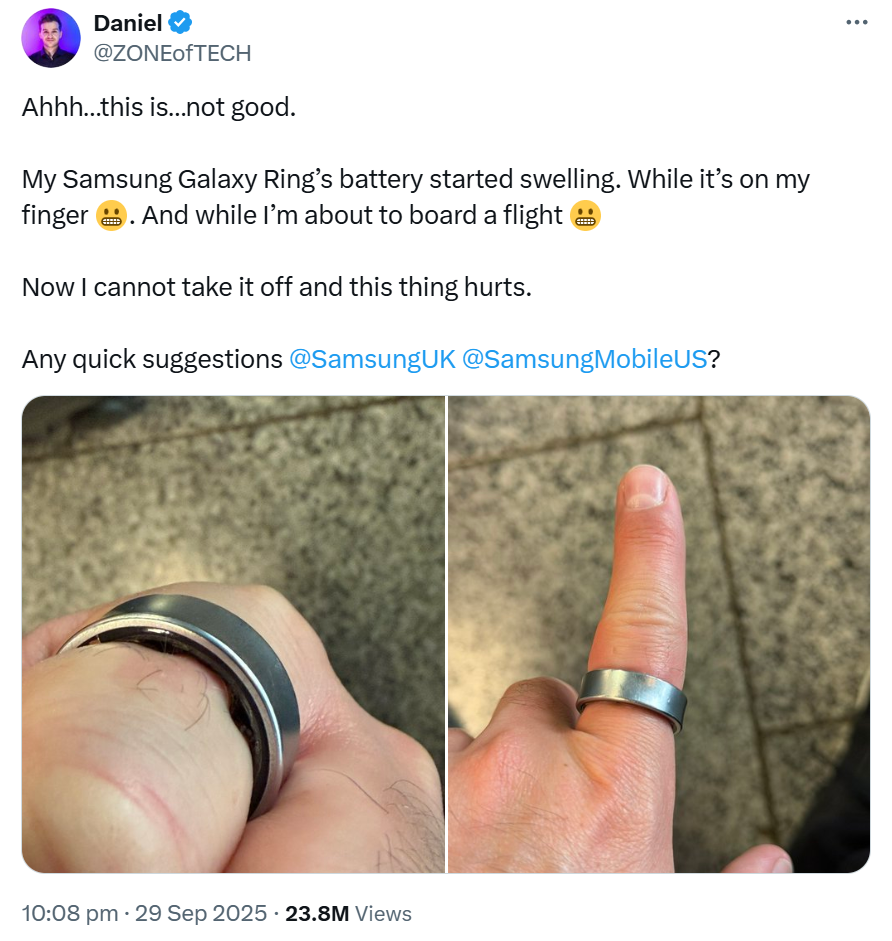
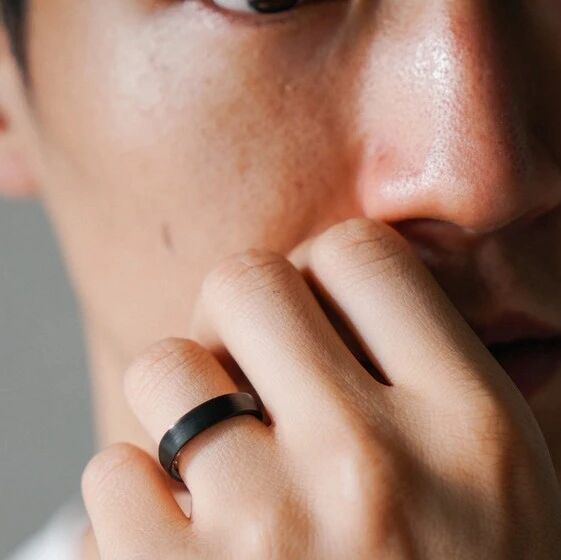
Core Viewpoint - The article discusses the recent incident involving the Samsung Galaxy Ring, highlighting concerns over its safety and functionality as a wearable device, questioning its practicality and long-term viability in the market [5][10][36]. Group 1: Incident Overview - On September 30, YouTube tech influencer Daniel Rotar experienced a battery expansion issue with his Samsung Galaxy Ring while boarding a flight, leading to his finger becoming swollen and requiring medical assistance to remove the ring [5][9][10]. - Following the incident, Samsung received over 200 complaints related to battery issues, with 12 specifically mentioning swelling problems, yet the company has not provided a clear explanation for the battery failures [10][12]. Group 2: Product Functionality and Market Position - Smart rings, including the Galaxy Ring, have been marketed as fashionable tech accessories but have struggled to find widespread practical applications, often being viewed as "electronic waste" due to their limited functionality and short lifespan [7][8][15]. - The Galaxy Ring is primarily focused on health monitoring, offering features like sleep tracking and heart rate monitoring, but lacks capabilities such as call handling or notifications, which are common in smartwatches [15][16][20]. Group 3: Consumer Sentiment and Market Trends - Despite the high price point of 3099 yuan for the Galaxy Ring, which is more expensive than some smartwatches, consumer interest remains, driven by the allure of technology and health tracking [22][31]. - The smart ring market is experiencing significant growth, with a reported sales increase of 6401.7% year-on-year, although it still represents a small fraction of the overall wearable market [31][32]. Group 4: Future Prospects and Innovations - Companies are exploring new functionalities for smart rings, such as family data sharing and AI integration, but the current offerings still face skepticism regarding their practical use and reliability [32][33][34]. - The article suggests that while smart rings may serve as luxury accessories, their actual utility in daily life remains questionable, with many consumers unsure of their need for such devices [26][36].
为啥科技公司都沉迷于造智能戒指?
Hu Xiu· 2025-10-19 08:01
Core Viewpoint - The incident involving Daniel Rotar's Samsung Galaxy Ring highlights significant concerns regarding the safety and reliability of smart rings, particularly related to battery issues and overall functionality in comparison to other wearable devices [1][2][6][10]. Group 1: Incident Overview - On September 30, YouTube tech influencer Daniel Rotar experienced battery swelling in his Samsung Galaxy Ring while boarding a flight, leading to his finger becoming trapped [1]. - The incident gained widespread attention, with Rotar's tweet about the swelling receiving over 20 million views, prompting many users to share similar experiences with the device [2][6]. - Samsung has since collected the affected ring for further investigation, with over 200 complaints related to battery issues reported by users [9][10]. Group 2: Product Features and Market Position - Smart rings, including the Galaxy Ring, have been marketed as advanced wearable devices but struggle to find widespread acceptance due to limited functionality and high prices [4][30]. - The Galaxy Ring is priced at 3,099 yuan, which is higher than some smartwatches, yet it lacks features like call answering and NFC capabilities, limiting its appeal [30][31]. - Despite its health monitoring capabilities, the Galaxy Ring has been criticized for its short lifespan and poor battery performance, with users reporting rapid battery drain and the need for frequent replacements [14][16][51]. Group 3: Industry Context and Consumer Sentiment - The smart ring market, while growing, still represents a small fraction of the overall wearable device market, with only 0.1% market share but a significant year-on-year sales increase of 6401.7% [43]. - The Oura Ring dominates the smart ring market, accounting for 80% of global sales, while Samsung's Galaxy Ring is the first major brand to gain traction in the Chinese market [44][45]. - Consumer interest in smart rings often stems from their perceived status as luxury accessories rather than practical health tools, leading to questions about their actual utility [34][56].