
家电制造

Search documents
中国家电巨头正扎堆去泰国
21世纪经济报道· 2025-12-29 05:40
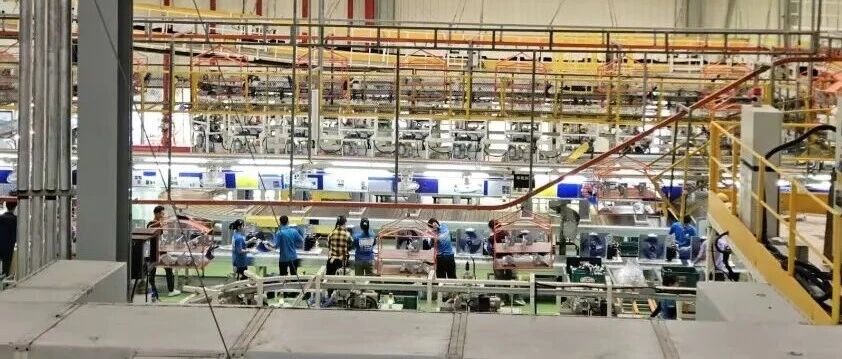
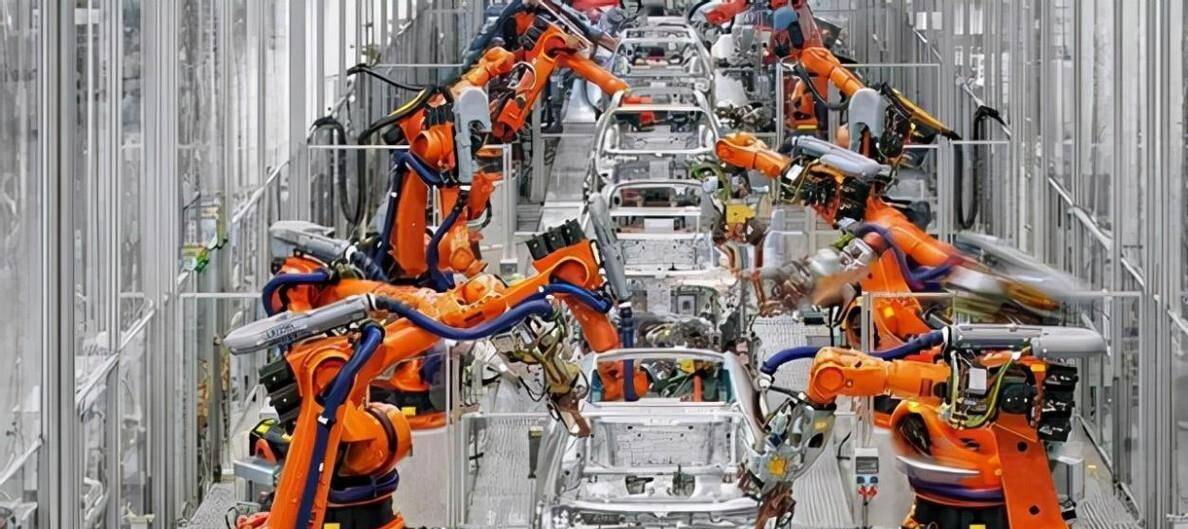
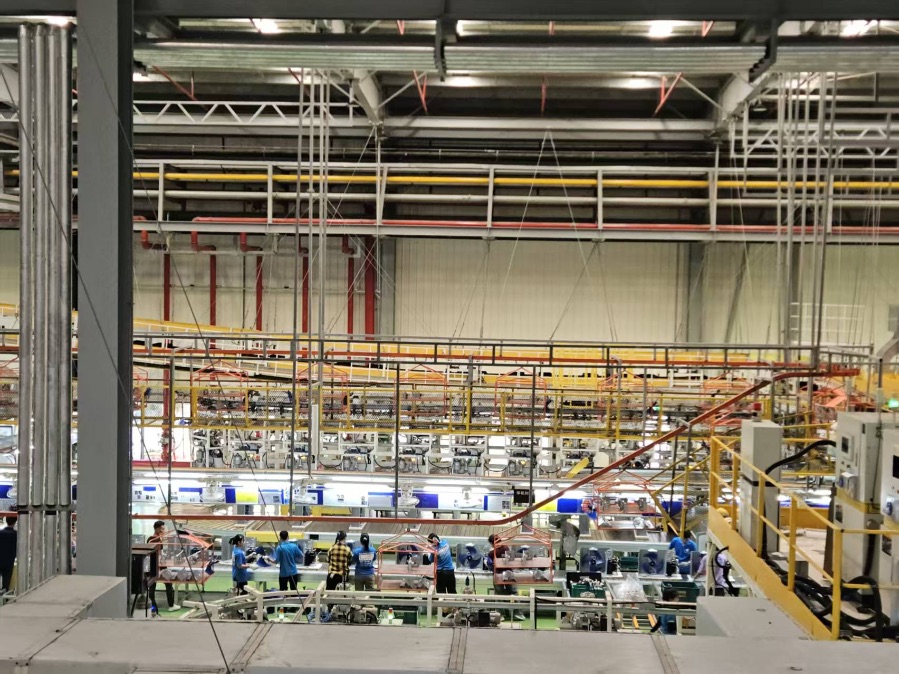
Core Viewpoint - The article discusses the strategic expansion of Chinese home appliance companies, particularly Midea and Haier, in Thailand, highlighting the importance of the Thai market as a manufacturing and export hub for these companies aiming for global growth [1][3][4]. Group 1: Market Expansion and Strategy - Midea's overseas OBM revenue has significantly increased, accounting for over 45% of its TO C business in 2025 [3]. - Haier's overseas market revenue reached 79.08 billion yuan in the first half of 2025, growing by 11.7% [3]. - The article emphasizes that Chinese home appliance brands are increasingly establishing production bases in Thailand, with Midea planning to produce 6 million units by 2026 [1][4]. Group 2: Competitive Advantages in Thailand - Thailand is seen as a strategic location due to its political stability, supply chain infrastructure, and large market potential, making it an ideal base for Chinese companies [5][6]. - The proximity to major ports, such as Laem Chabang, enhances the export capabilities of these companies [6]. - The Thai market is experiencing a consumption upgrade, with consumers increasingly seeking high-quality products [7]. Group 3: Brand Positioning and Consumer Perception - Chinese brands are gaining market share in Thailand, with Haier leading in air conditioning and Midea dominating in refrigerators and microwaves [10][11]. - The article notes that while Chinese brands have improved their product offerings, there is still a perception challenge among Thai consumers who may prefer established Japanese brands [16]. - Localized marketing strategies, including celebrity endorsements, are being employed to enhance brand visibility and consumer acceptance [10][11]. Group 4: Product Development and Innovation - Chinese companies are noted for their rapid product iteration and responsiveness to market demands, which contrasts with the slower innovation cycles of traditional Japanese and Korean brands [11][13]. - The article highlights the importance of high-end product lines while maintaining mid-range offerings to cater to a broader consumer base [14]. Group 5: Challenges and Future Outlook - Despite the growth, there are challenges related to brand recognition and consumer loyalty, with some consumers still favoring established brands for high-value purchases [16]. - The article suggests that after establishing a presence in Thailand, companies must focus on enhancing after-sales service and operational efficiency to improve market share [17]. - The future of Chinese home appliance companies is seen as moving towards a comprehensive ecosystem that includes R&D, supply chain, sales, and after-sales services in international markets [19].



南美刮起去美元化浪潮,这国打响第一枪,IMF:美元占比跌破六成
Sou Hu Cai Jing· 2025-12-28 17:44
Core Viewpoint - The Uruguayan Central Bank's president, Guillermo Tolosa, has declared that the country needs to "wean off" the US dollar, describing it as a "pacifier" for the economy, and stated that investing in dollars is akin to gambling in a casino. He highlighted that the real purchasing power of dollar accounts in Uruguay has halved over the past 20 years [1][5]. Group 1: Economic Measures and Policies - The Uruguayan Central Bank announced measures to increase the use of the national currency, the peso, including raising capital requirements for dollar loans and removing some reserve requirements for peso deposits [3]. - The Central Bank's unexpected decision to cut interest rates by 50 basis points was influenced by a lower-than-expected inflation rate of 4.1% in November, below the official target of 4.5% [5]. - The Central Bank's de-dollarization efforts reflect a broader international discussion about the future status of the dollar, as its share in global foreign exchange reserves has decreased from approximately 71% at the beginning of the century to around 59% last year [5]. Group 2: Global Currency Dynamics - The dollar's dominance is being challenged by various factors, including increased competition from other currencies, geopolitical tensions, and the growing US fiscal deficit, which has weakened the dollar's appeal [7]. - As of mid-2025, the dollar's share in global foreign exchange reserves fell to 56.32%, marking the 11th consecutive quarter below 60% [7]. - The role of gold in global reserves has increased, with its share rising to 30%, while the dollar's share has decreased from 43% to 40% [9]. Group 3: Regional Responses and Trends - In Latin America, Uruguay's de-dollarization efforts contrast sharply with Argentina, where President Milei is promoting labor reforms that allow workers to choose their salary currency, including the possibility of fully adopting the dollar [9][10]. - Brazil's President Lula has called for trade settlements in a common currency between Brazil and Argentina, aiming to reduce reliance on the dollar [10][12]. - The use of local currencies in international trade is increasing, with countries like India and Argentina adopting their currencies for trade settlements, indicating a shift away from the dollar [12]. Group 4: Challenges in Changing Currency Habits - Changing the long-standing habit of dollar usage among the Uruguayan population is a significant challenge, as trust in currency takes time to build but can be destroyed quickly [13]. - The Central Bank emphasizes that policy guidance and sustained economic stability are essential for altering public reliance on the dollar [13]. Group 5: Future Outlook - The dollar index is expected to continue its downward trend, with predictions indicating a potential decline of about 3% by the end of 2026 [15]. - Analysts suggest that the risks facing the dollar currently outweigh the factors supporting its strength, indicating that the long-standing bull market for the dollar may be nearing its end [15].
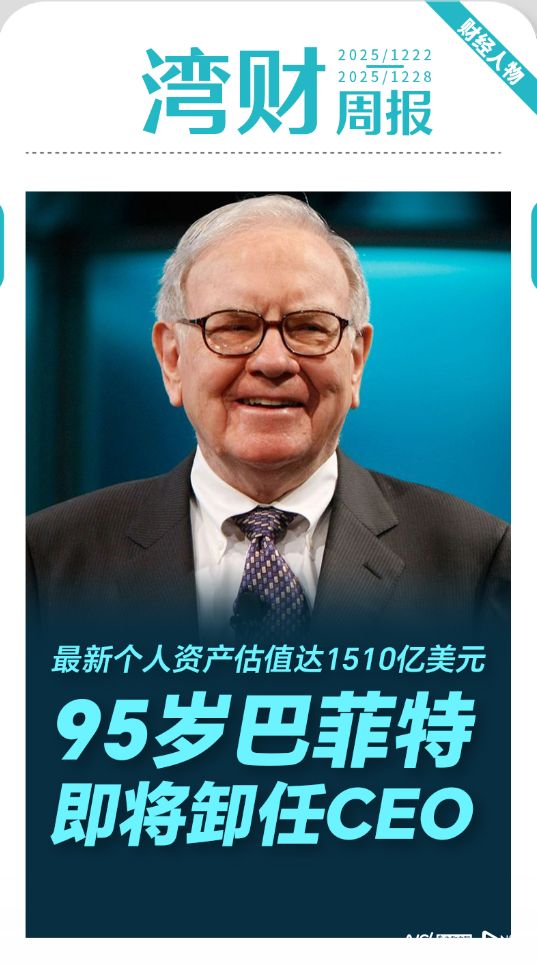
湾财周报 人物 巴菲特即将卸任;网易丁迎峰退休
Nan Fang Du Shi Bao· 2025-12-28 15:05
头条 巴菲特即将卸任CEO,最新个人资产估值1510亿美元 据央视财经报道,现年95岁的巴菲特将在今年年底卸任伯克希尔-哈撒韦公司首席执行官一职。过去60 年,他依托这家公司,为自己、也为公司股东们创造了数额惊人的财富。截至目前,他的个人——净资 产估值已经达1510亿美元。这也让他稳居"彭博亿万富豪榜"第十位。 自1965年掌控伯克希尔-哈撒韦公司以来,巴菲特将这家步履维艰的纺织企业,彻底转型为市值超1万亿 美元的巨型综合企业集团。巴菲特的个人净资产估值达1510亿美元,其中几乎全部由伯克希尔的A类股 票构成,CNBC报道称,如果他没有从2006年开始持续捐赠伯克希尔B类股票,而是一直持有这数十万 股目前市值达2080亿美元的股票,其身家将增至约3590亿美元,在富豪榜上的排名也将跃升至第二位。 今年11月10日,巴菲特在其年度致股东信中宣布在年底卸任伯克希尔-哈撒韦公司首席执行官一职,但 他将继续担任该公司董事会主席并暂时保留"相当数量"的股份。 (央视财经) 声音 本土化是稳健出海的根基,只有真正理解并尊重当地市场,才能建立长久竞争力。 ——全球青年跨境协会中国区会长龙淑贞 详情 当前的"出海"内涵已发 ...

家电行业周报20251227:错期影响下空调1月排产反弹,冰冷新兴地区贡献增长-20251227
SINOLINK SECURITIES· 2025-12-27 11:13
Investment Rating - The report maintains a "Buy" rating for the home appliance industry, expecting a price increase exceeding 15% over the next 3-6 months compared to the market [42]. Core Insights - The report highlights a rebound in air conditioner production in January 2026 due to a shift in production schedules, although end-user demand is expected to remain weak. Home air conditioner domestic production reached 7.86 million units, up 8.9% year-on-year, while export production was 10.65 million units, up 1.2% year-on-year [13][14]. - Refrigerator production showed a decline in both domestic and export markets, with domestic production at 3.52 million units, down 6.9% year-on-year, and export production at 4.4 million units, down 3.4% year-on-year. The market is experiencing regional differentiation, with emerging markets being the main growth points [16]. - Washing machine production also faced challenges, with domestic production at 3.65 million units, down 4.1% year-on-year, and export production at 4.45 million units, down 0.7% year-on-year. The "trade-in" policy's effectiveness is diminishing, and companies need to innovate to find breakthroughs [17]. Market and Sector Performance - The Shanghai and Shenzhen 300 Index increased by 1.95%, while the home appliance index rose by 0.54%. Notable stock performances included Feike Electric (+24.57%), Jinhai High-Tech (+22.57%), and Tianyin Electromechanical (+17.91%) [20]. - The report tracks raw material prices, noting a 2.62% increase in copper prices and a 1.16% increase in aluminum prices, while cold-rolled steel and plastic prices saw slight declines [24]. - The exchange rate for USD to RMB was reported at 7.04, with a slight decrease of 0.02% week-on-week, and container shipping rates showed a small increase of 1.95% [27]. Real Estate Data - Real estate data for November 2025 indicates a significant decline in new construction, with a year-on-year decrease of 20% in new starts, 10% in construction, and 20.2% in completions. Sales also fell by 8.9% year-on-year, indicating ongoing pressure on the home appliance sector's long-term demand [31][32]. Investment Recommendations - The report suggests that leading brands are likely to achieve stable growth due to their integrated advantages and strong pricing power. The external market is expected to benefit from a potential recovery in the U.S. housing market and gradual improvement in European consumption. Emerging markets are anticipated to maintain strong demand due to demographic advantages [40]. Recommended companies include Hisense, Midea Group, Haier, and TCL Electronics [40].

激活创新动能 夯实发展基础
Xin Lang Cai Jing· 2025-12-26 19:02
Group 1 - The economic work conference of the Bingtuan Party has set a clear direction for the economic work in the coming year, emphasizing the need to enhance responsibility, mission, and urgency among cadres and staff to contribute to high-quality economic development [1] - The conference highlighted the importance of building a modern industrial system, focusing on structural adjustment and optimization, and promoting the upgrading of industries such as agriculture and manufacturing [1] - The conference called for the establishment of a collaborative development mechanism for the upstream and downstream of the industrial chain, aiming to transform regional advantages into development advantages [1] Group 2 - The conference proposed high-quality co-construction of the core area of the Silk Road Economic Belt, aiming to enhance the institutional openness of the Xinjiang Free Trade Zone Bingtuan Block [2] - A new "3+2" industrial system will be developed, focusing on power equipment manufacturing, home appliance manufacturing, and hardware processing, along with international warehousing logistics and automobile exports [2] - The conference emphasized the need for state-owned enterprise reform and strategic restructuring to foster a green chemical industry chain and enhance the integration of technological and industrial innovation [2] Group 3 - The Bingtuan Party's economic work conference aims to accelerate the growth of characteristic advantageous industries, with a focus on seed industry revitalization and the development of a corn seed industry [2] - The integration of planting, processing, and sales in the seed industry has been established, creating a robust industry that supports local farmers [2] - There is a collective commitment to translate the conference's directives into actionable measures to ensure a strong start for the 14th Five-Year Plan [2]
扎根“桥头堡”泰国升级扩产,中国家电重构东南亚支点
2 1 Shi Ji Jing Ji Bao Dao· 2025-12-26 13:41
Core Viewpoint - Chinese home appliance brands are increasingly establishing manufacturing bases in Thailand, leveraging its favorable political environment, supply chain infrastructure, and market potential to enhance their international presence and competitiveness [6][12][16]. Group 1: Company Performance and Strategy - Midea's overseas revenue has significantly increased, with OBM (Own Brand Manufacturing) revenue rising to over 45% of its TO C business in the first three quarters of 2025, contributing to a total revenue of 363.06 billion yuan [3]. - Haier's overseas market revenue reached 79.08 billion yuan in the first half of 2025, marking an 11.7% growth [3]. - Midea has established its largest overseas manufacturing base in Thailand and aims to make it its "second home market" after China [5][6]. Group 2: Market Dynamics in Thailand - The Thai market is experiencing a consumption upgrade, with consumers increasingly favoring high-end appliances, as evidenced by a shift from semi-automatic washing machines to fully automatic models [7][12]. - Chinese brands are gaining market share in Thailand, with Haier leading in air conditioning and Midea achieving top positions in refrigerators and microwaves [10][12]. - The strategic location of manufacturing facilities in Thailand allows companies to efficiently serve both local and international markets, including the U.S. and Europe [6][12]. Group 3: Competitive Advantages - Chinese home appliance companies are noted for their rapid product iteration and responsiveness to market demands, which contrasts with the slower innovation cycles of traditional Japanese and Korean brands [11][12]. - The ability to offer high-quality products at competitive prices is a significant advantage for Chinese brands, as they adapt quickly to local consumer preferences [12][13]. - A multi-brand strategy is emphasized as crucial for capturing both high-end and mid-range markets, allowing companies to maintain a balance between premium pricing and value offerings [13]. Group 4: Challenges and Opportunities - Despite the growth, there is still room for improvement in brand recognition and market penetration, as some consumers still prefer established Japanese brands [14]. - After-sales service is recognized as equally important as product quality, with companies investing significantly in service networks to enhance customer satisfaction [15]. - The ongoing global trade environment, including tariff issues, poses challenges, but localized production in Thailand helps mitigate these risks [16][17].
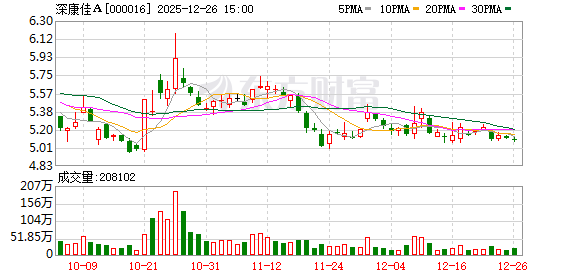
深康佳A:收到深圳证监局行政监管措施决定书和深交所监管函
Di Yi Cai Jing· 2025-12-26 12:32
(文章来源:第一财经) 因公司2018年6月出售安徽开开视界电子商务有限公司5%股权,该股权转让事项不满足投资收益确认条 件,导致公司2018年半年报信息披露不准确。深圳证监局和深圳证券交易所对公司及相关人员采取了监 管措施。公司及相关人员将积极进行整改,提高合规意识,杜绝此类事件发生。本次行政监管措施和监 管函不会影响公司正常的经营管理活动。 深康佳A公告,公司于2025年12月26日收到深圳证监局出具的《深圳证监局关于对康佳集团股份有限公 司、刘凤喜、周彬、李春雷采取出具警示函措施的决定》和深圳证券交易所出具的《关于对康佳集团股 份有限公司及相关当事人的监管函》。 ...

美的集团:伏拥军辞去副总裁职务
Mei Ri Jing Ji Xin Wen· 2025-12-26 11:19
2025年1至6月份,美的集团的营业收入构成为:制造业占比89.17%,其他行业占比10.35%,其他业务 占比0.48%。 截至发稿,美的集团市值为5992亿元。 每经AI快讯,美的集团(SZ 000333,收盘价:78.87元)12月26日晚间发布公告称,伏拥军先生因个人 原因申请辞去副总裁职务。离任后,伏拥军先生不在公司担任其他职务。伏拥军先生的离任自2025年12 月26日起生效。 每经头条(nbdtoutiao)——对话马斯克脑机接口"一号受试者":大脑植入芯片23个月,我正重新夺回 人生的独立 (记者 王晓波) ...
美的楼宇科技:并未发布全国全线产品统一涨价通知
Ge Long Hui A P P· 2025-12-26 08:51
Core Viewpoint - Midea Building Technology is reportedly increasing the prices of its product series by 5% due to the significant rise in the prices of raw materials such as copper, iron, and aluminum, which has led to increased manufacturing costs [1] Group 1: Price Adjustment - A notification has been sent to Midea's distributors regarding the price increase, effective from December 15, 2025 [1] - The price adjustment is attributed to the ongoing surge in global raw material costs [1] Group 2: Company Response - Midea Building Technology clarified that it has not issued a nationwide price increase notice for all products [1] - The company allows regional divisions to set their own service enhancement and sales support policies based on local market conditions [1]
独家|美的楼宇科技启动调价:原材料成本施压 全系列产品上涨5%
Xin Lang Cai Jing· 2025-12-26 07:04
Core Viewpoint - Midea Building Technology has announced a price increase of 5% for its product lines due to rising costs of raw materials such as copper, iron, and aluminum, effective from December 15, 2025 [1] Group 1: Price Adjustment Details - The price adjustment is attributed to the significant increase in manufacturing costs faced by upstream manufacturers [1] - Midea's response indicates that there is no nationwide uniform price increase notification, allowing regional discretion in service and sales support policies [1] Group 2: Sales Impact - A Midea dealer confirmed that orders placed before the end of December will still be honored at the original price, but price adjustments will take effect for major models starting January 1, 2026 [1] - The specific pricing for the adjusted models will be determined based on the latest quotation [1]