花卉种植

Search documents
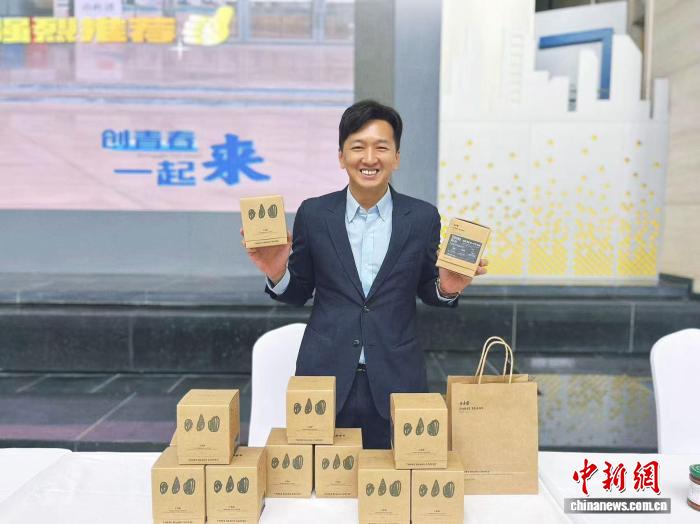
台青云南创业记:咖啡、鲜花、旅居中的两岸发展协奏曲
Zhong Guo Xin Wen Wang· 2025-11-07 12:36
Core Insights - The article highlights the increasing presence of Taiwanese youth in Yunnan, China, engaging in various entrepreneurial activities such as coffee cultivation, flower breeding, and tourism, contributing to cross-strait development [1][2]. Group 1: Investment and Economic Development - By the end of 2024, Yunnan has approved 1,247 Taiwanese-funded enterprises, with actual Taiwanese investment reaching $2.176 billion [1]. - Notable Taiwanese companies like Tianfu Tea, Anyou Group, and Yuanyuan Fruits and Vegetables are significantly increasing their investments in Yunnan, showcasing the vibrant cooperation between Taiwan and Yunnan [1]. Group 2: Individual Entrepreneurial Stories - Su Yunkai, a Taiwanese entrepreneur, faced initial challenges in business but found success after winning a government-supported entrepreneurial competition in 2017, leading to the establishment of a coffee brand that sells "Yun Coffee" in Taiwan [2][5]. - Chen Yufan took over his father's orchid business, expanding its sales network to Southeast Asia and Europe, and developed a butterfly orchid gene bank with over a hundred varieties [6]. - Zheng Weiren, originally involved in early childhood education, diversified his business ventures to include animation, coffee processing, and wellness tourism, winning an award for his innovative rural revitalization project [10][11]. Group 3: Cultural Exchange and Community Engagement - Su Yunkai has been actively promoting cultural and technological exchanges between Taiwan and Yunnan through various initiatives, including summer camps and art exhibitions [5]. - Zheng Weiren is involved in cultural activities, such as participating in the filming of a cross-strait floral tourism micro-drama and hosting music sharing events, aiming to connect the cultures of Taiwan and Yunnan [13].


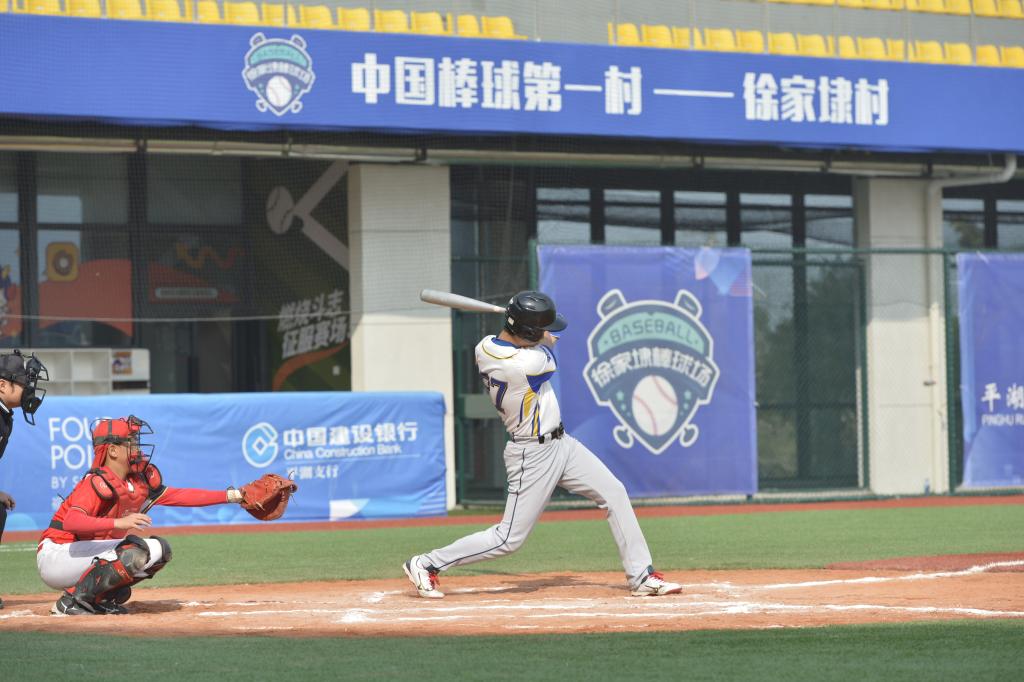
四中全会精神在基层丨建起棒球场,组团种花卉——浙江嘉兴村庄走出抱团发展共富路
Xin Hua She· 2025-11-05 12:42
Core Insights - The article highlights the successful development model of collective prosperity in rural areas of Zhejiang, particularly through the establishment of a baseball field and flower cultivation initiatives [1][3]. Group 1: Baseball Development in Xujiadai Village - Xujiadai Village transformed from a pig-farming community with environmental issues to a thriving area by leveraging local interest in baseball, leading to the construction of the first international standard youth baseball field in Zhejiang in 2018 [3][4]. - The village has hosted over 50 domestic and international events, attracting 550,000 visitors in 2024, and has developed related tourism projects such as homestays and dining [3][4]. - The collective economic income of Xujiadai Village surpassed 10 million yuan in 2024, with per capita income reaching 56,000 yuan, creating 295 jobs in the agricultural and cultural tourism sectors [4][5]. Group 2: Flower Cultivation in Taoyuan Village - Taoyuan Village, through the introduction of the gardening brand "Tasha's Garden," has seen its collective economic income exceed 10.25 million yuan, with per capita net income reaching 54,671 yuan [5][8]. - The village has created 164 jobs directly through Tasha's Garden, with additional employment opportunities in surrounding areas, totaling 268 jobs in the region [5][8]. - The "Big Taoyuan" model promotes collaborative development among multiple villages, enhancing agricultural productivity and market reach through diversified planting and unified sales strategies [8]. Group 3: Broader Implications for Rural Development - The article emphasizes the importance of fostering rural industries and improving mechanisms that connect farmers to markets, as outlined in the recent national economic development plans [8]. - The integration of urban public services into rural areas is a key focus for future development, aiming to improve living conditions and expand employment opportunities [8].
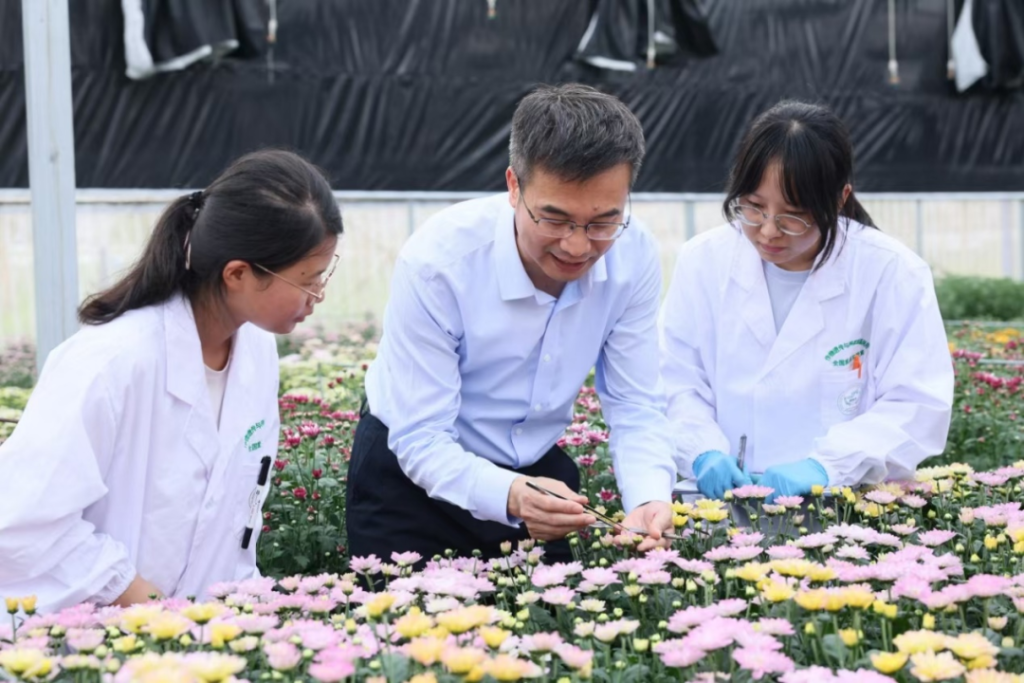
菊香四溢背后的产业升级
Xin Hua Wang· 2025-11-03 10:03
Core Viewpoint - The article highlights the significant advancements in the chrysanthemum industry in China, driven by the efforts of researchers at Nanjing Agricultural University to develop indigenous varieties and enhance the overall industry through innovation and collaboration [1][2][4]. Group 1: Industry Development - The chrysanthemum industry in China has historically faced challenges, with over 95% of commercial varieties relying on imports, leading to a lack of diversity and resilience in the market [1]. - The research team at Nanjing Agricultural University has successfully developed over 400 new varieties of chrysanthemums, including cut flowers and potted plants, providing a strong foundation for the domestic flower market [2]. - By 2025, the team aims for their developed varieties to account for 30% of the cut flower market and 60% of the garden chrysanthemum market in China, effectively breaking the foreign monopoly [2]. Group 2: Research and Innovation - The research team has been systematically collecting and evaluating wild chrysanthemum resources since the 1990s, focusing on breeding resilient and high-quality indigenous varieties [1][4]. - The introduction of domestic varieties, such as 'Nannong Xiaojinxing', has allowed China to transition from being a follower to a competitor in the global chrysanthemum market, with increasing exports to countries like Japan and South Korea [4]. - The collaboration between academia and leading enterprises has led to the establishment of demonstration bases, facilitating the transition from research to market [4][6]. Group 3: Economic Impact - The development of new chrysanthemum varieties has not only enhanced the aesthetic appeal of the industry but has also contributed to the economic well-being of enterprises and flower farmers [6]. - The focus on the entire industry chain aims to transform the chrysanthemum sector into a "happy industry" that benefits the community [6].
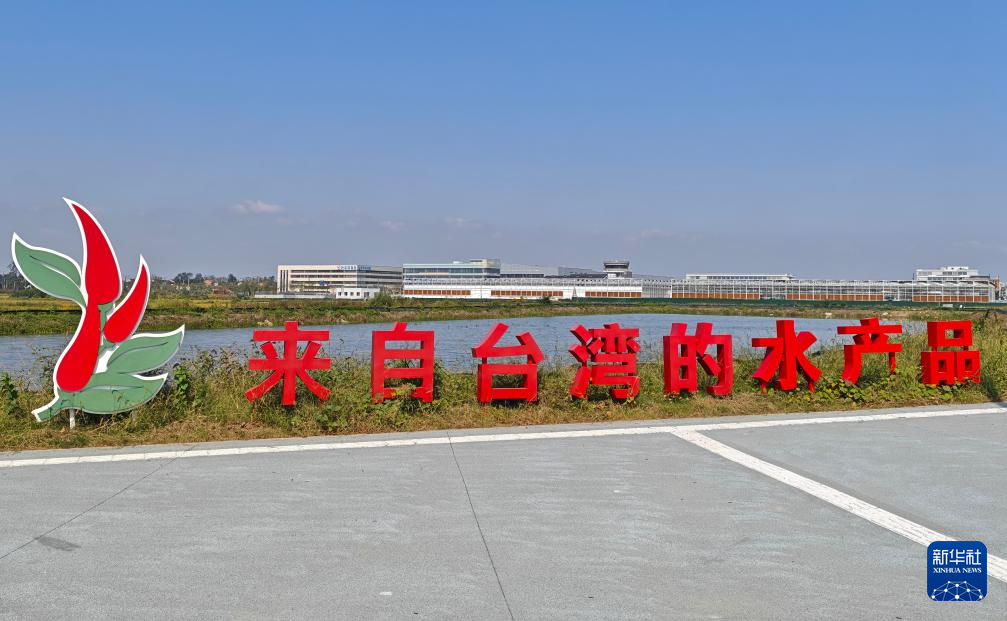
皖台共耕新沃土:一株兰花里的乡村振兴协奏曲
Xin Hua Wang· 2025-11-02 03:01
Core Viewpoint - The article highlights the successful collaboration between Taiwan and Anhui province in agricultural development, particularly through the establishment of the Anhui Lujiang Taiwan Farmers' Entrepreneurship Park, which has become a model for rural revitalization and cross-strait agricultural cooperation [1][2]. Group 1: Agricultural Development - The Anhui Lujiang Taiwan Farmers' Entrepreneurship Park was established in 2010, attracting numerous Taiwanese farmers to invest and develop agriculture in the region [1][2]. - The park has attracted a total investment of 75 million USD, hosting 13 Taiwanese agricultural enterprises across various sectors including biotechnology, food processing, and modern agriculture [2][5]. - Taiwanese farmer Wang Jintang has cultivated over 4,000 varieties of orchids, achieving an annual production of up to 800,000 pots, showcasing the park's agricultural productivity [2][5]. Group 2: Rural Revitalization and Innovation - Wang Jintang has been recognized as a "Rural Revitalization Talent" in Anhui province, reflecting the local government's efforts to involve Taiwanese farmers in rural revitalization initiatives [2][5]. - The park is evolving from a focus on agricultural cooperation to a comprehensive development platform that integrates high-tech agriculture, food processing, and agricultural tourism [5][6]. - Wang plans to transform the park into a "cultural tourism" hub, combining high-end orchid viewing with local agricultural features to attract visitors [4][5]. Group 3: Cross-Strait Cooperation - The park serves as a bridge for cultural and economic exchanges between Taiwan and mainland China, having established various associations and hosted agricultural cooperation forums [5][6]. - Local authorities have organized exchanges and training programs to enhance mutual learning between Taiwanese and local farmers, fostering deeper agricultural collaboration [4][5].
首届“广花红掌”艺术节盛大启幕,助力广州花卉产业更高质量发展
Nan Fang Nong Cun Bao· 2025-11-02 02:01
Core Viewpoint - The first "Guanghua Red Palm" Art Festival has been launched in Guangzhou, aiming to promote the high-quality development of the flower industry in the region [7][8][9]. Group 1: Event Overview - The festival runs for 21 days from November 1 to November 21, with the first two days dedicated to on-site activities and the remaining days for long-term exhibitions [12][62]. - The theme of the festival is "Red Palm Transmission of Feelings · Flower and Medicine Coexistence," organized by various local agricultural and industrial authorities and companies [9][10][11]. Group 2: Company Background - Guangzhou Flower Research Center Co., Ltd. (Guanghua Company) has been a leader in the national red palm industry for 40 years, with a unique national germplasm resource bank for the Araceae family [19][20]. - Guanghua Company has cultivated 115 new flower varieties, including 57 red palm varieties, and has developed the first national standard for red palm cultivation [21][22]. Group 3: Technological and Economic Impact - Guanghua Company has established four national and nine provincial research platforms, undertaking 178 national and provincial research projects, and has received 35 awards for achievements and 7 national invention patents [25][26]. - The company produces over 50 million high-quality flower seedlings annually, with red palm seedlings accounting for approximately 15% of the national market [32][33]. Group 4: Community Engagement and Activities - The festival features various activities, including flower arrangement demonstrations, traditional cultural experiences, and family-friendly workshops, attracting significant public participation [41][42][50]. - Guanghua Company plans to launch new services for home gardening, providing personalized consultations and support for families [56]. Group 5: Future Prospects - The festival marks the first appearance of Guanghua Company within the agricultural ecosystem of Guangyao Shennong Company, enhancing the cultural and economic landscape of Guangzhou during the 15th National Games [64][65]. - Guangyao Shennong Company will continue to support Guanghua Company in areas such as new variety research, intelligent production, and integrated marketing strategies [67].

(活力中国调研行)生态打底、产业赋能、文旅引流:宿迁宿城走出乡村融合发展新路径
Zhong Guo Xin Wen Wang· 2025-10-31 05:25
Core Insights - The article discusses the successful integration of industry, tourism, and rural development in Wangguanjic Town, Suqian City, showcasing a new path for rural revitalization in China [1][2]. Group 1: Rural Development and Transformation - Wangguanjic Town emphasizes preserving the village's basic structure and hydrological conditions during rural transformation, leading to a revitalized environment for 220 households [2]. - The town has attracted significant investment, including the establishment of the largest butterfly orchid planting base in the country, covering 950 acres [2]. Group 2: Economic Impact and Employment - The butterfly orchid base produces over 20 million orchids annually, generating revenue exceeding 60 million yuan, with each orchid priced between 2.5 to 3 yuan [4]. - The new agricultural model has created jobs for over 160 workers, with an average monthly salary of approximately 3,500 yuan, contributing to a collective annual income increase of over 1.5 million yuan for the village [4]. Group 3: Tourism Development - The Zhu Hai Leisure Sports Town, covering 8,900 acres, has undergone ecological restoration, receiving 123.26 million yuan in central funding [4]. - The town hosts over five sports events monthly, attracting more than 1 million visitors in 2024 and generating over 30 million yuan in operating income [6]. - The integration of various tourism activities has led to an annual income increase of 400,000 yuan for the village collective and an average income boost of 50,000 yuan per villager [6]. Group 4: Future Plans - Wangguanjic Town aims to continue leveraging its ecological, industrial, and cultural advantages to establish a national model for rural revitalization [6].
(乡村行·看振兴)从“种菊”到“赏菊”:北方小镇“花”样度重阳
Zhong Guo Xin Wen Wang· 2025-10-30 04:20
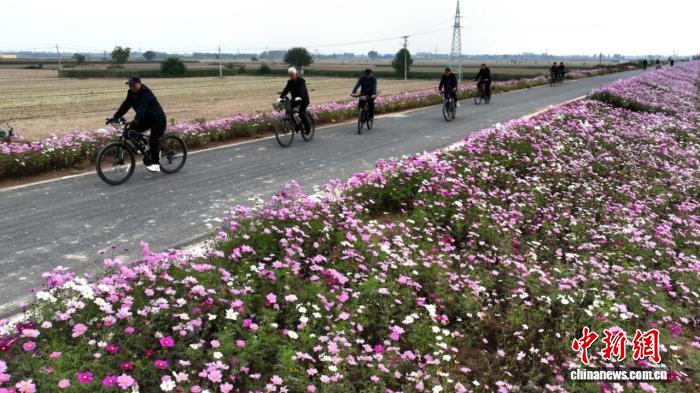
Core Viewpoint - The article highlights the transformation of Lianzi Town in Hebei Province, where local residents have shifted from traditional farming to cultivating medicinal chrysanthemums and creating a vibrant flower tourism culture during the Double Ninth Festival [1][2]. Group 1: Medicinal Chrysanthemum Cultivation - Yang Shaowei, a villager with a disability, has become a notable figure in the local medicinal chrysanthemum farming scene, expanding his cultivation from 8 acres in the first year to plans for 40 acres by 2025 [4]. - The current planting area for medicinal chrysanthemums in Lianzi Town has reached 252 acres, featuring varieties such as Hangju, Qibai Ju, and Huaiju [4]. - Yang has also created job opportunities for local elderly residents, employing around 50 to 60 workers during peak harvest seasons [4]. Group 2: Flower Tourism and Community Development - The introduction of Persian daisies has transformed previously neglected land into a popular tourist attraction, with plans to expand the planting area and develop flower processing workshops [5]. - Lianzi Town is positioned as a national agricultural industry stronghold, with over 100 food processing enterprises, including a production capacity of 5 billion servings of instant noodles annually [5]. - Local authorities aim to integrate flower cultivation with tourism, creating unique travel routes that enhance community income and promote regional collaboration [5].
沈阳玫瑰绽放城市精神(一朵花读懂一座城)
Ren Min Ri Bao· 2025-10-29 22:41
Core Viewpoint - The integration of roses into the urban landscape of Shenyang reflects the city's spirit of resilience and enthusiasm, enhancing the cultural and aesthetic experience for its residents and visitors [12][13][15]. Historical Context - Shenyang has a long history of rose cultivation, dating back to the Ming and Qing dynasties, with local records indicating extensive planting practices [12]. - The city officially designated the rose as its city flower in April 1985, which has since played a significant role in urban greening and cultural promotion [12][13]. Economic Impact - The rose cultivation area in Shenyang has reached 3,400 acres, accounting for 82% of the city's fresh-cut flower planting area, with an annual production of 132 million stems, representing 89.5% of the city's total fresh-cut flower output [14]. - The "Liaozhong Rose" has been registered as a national geographical indication trademark, enhancing its marketability and recognition [14]. Cultural Integration - Shenyang has hosted events like the "Rose Music Festival," which incorporates rose-themed activities, contributing to the city's cultural vibrancy [15]. - The city promotes a "rose + culture + tourism" model, exemplified by themed activities that combine rose products with cultural experiences [15]. Urban Development - The city has been actively enhancing its urban green spaces with roses, utilizing cold-resistant varieties to beautify public areas and residential neighborhoods [16][17]. - Currently, there are approximately 136,600 rose plants used for urban greening, with 18% planted in public spaces and 82% in residential and unit courtyards [16]. Future Plans - Shenyang aims to continue improving urban greening quality by involving citizens in the design and construction processes, ensuring that roses flourish and enhance the community's sense of well-being [17].

致富花开产业兴
Ren Min Ri Bao· 2025-10-29 22:41
Core Insights - The rose cultivation in Ma San Jia Zi Village, Liaoning Province, has seen significant advancements through the adoption of soilless cultivation techniques, leading to a 30% increase in yield and a 30% rise in selling prices compared to traditional methods [1][2] - The village has established a cooperative to unify management and improve cultivation techniques, resulting in a robust rose industry that generated over 30 million yuan in revenue last year [1][2] Group 1 - The village has 131 households engaged in rose cultivation, with 313 greenhouses currently operational [1] - The introduction of modern automated greenhouse technology has enhanced temperature control, humidity, and fertilization processes, contributing to improved production efficiency [2] - The local government and agricultural experts are actively involved in providing technical support to farmers, ensuring continuous improvement in cultivation practices [2] Group 2 - The rose industry in Ma San Jia Zi Village is diversifying into related sectors, including tourism and processing, with initiatives like a 300-acre rose flower sea and the production of rose-themed products [2] - Farmers are benefiting financially from the cooperative model, with some reporting incomes of 15,000 yuan from their rose greenhouses, and plans to further enhance production through modern techniques [2] - The local leadership aims to increase the economic value of the rose industry by leveraging e-commerce and live-streaming sales channels [2]
新闻有观点·行业洞察丨云南年产“绣球”超十亿支 “超级花卉”如何打造?
Yang Guang Wang· 2025-10-26 11:51
Core Insights - The rise of "super flowers" like hydrangeas is attributed to significant price reductions and changes in consumer behavior, with hydrangea sales exceeding 2 million stems on a single e-commerce platform during the summer [1][2] - The hydrangea flower market in Yunnan is experiencing a strong production increase, with over 1 billion stems expected this year [2] Group 1: Market Dynamics - The price of hydrangeas has dropped from 20-30 yuan per stem to around 8-9 yuan, driven by technological advancements in cultivation [2] - The long vase life of hydrangeas offers consumers a cost-effective option, with a bouquet of three to four stems lasting a month for only 40-50 yuan [2] - Social media has played a crucial role in promoting hydrangeas, turning them into a "social currency" and significantly amplifying demand through e-commerce platforms [2] Group 2: Emotional and Practical Appeal - Hydrangeas resonate with the trend of "micro high-frequency" emotional consumption, serving as both therapeutic and self-indulgent purchases [2][5] - The flower's emotional value is enhanced by its association with themes like reunion and its practical attributes, such as ease of care and long blooming periods [5] Group 3: Future Opportunities - The future of "super flowers" relies on continued technological breakthroughs, with a focus on developing new varieties and enhancing existing ones through genetic advancements [5][6] - The potential for other flowers, such as azaleas and camellias, to become popular depends on their ability to be bred for desirable traits like compact growth and fragrance [5] Group 4: Branding Challenges - The flower industry currently lacks strong consumer-recognized brands, relying heavily on "Yunnan origin brands" and "Dounan channel brands" [6] - The fragmented nature of the industry, with around 80,000 flower farmers, poses challenges for brand premiumization, which may take 5 to 10 years to develop [6] - Transitioning from pricing based on emotional value to brand value is essential for the flower economy to advance to a new stage [6]