
家政等

Search documents
【数说经济】加速释放服务消费潜力
Sou Hu Cai Jing· 2025-08-21 22:36
Core Insights - The service consumption market is characterized by its reliance on human factors and experiential value, indicating a larger market potential compared to goods consumption [2][3] - The summer tourism market has shown significant growth, with box office revenues surpassing 10 billion yuan and an estimated 9.53 billion passenger trips by rail, reflecting a shift in consumer behavior towards higher quality services [2] Group 1: Service Consumption Trends - There is a transition in consumer demand from basic needs to a focus on quality, with service consumption expected to account for 46.1% of per capita consumption expenditure by 2024, contributing 63% to the growth of overall consumption [2] - Retail sales in sectors related to cultural and spiritual needs, such as travel consulting and leisure services, have maintained double-digit growth from January to July this year [2] Group 2: Structural Challenges - The development of service consumption faces structural bottlenecks, including the need for improved quality and efficiency in supply, as well as a lack of depth in experiential products in culture, sports, and tourism [3] - Issues such as low standardization, a shortage of professional talent, and low brand trust hinder the full release of consumer willingness [3] Group 3: Strategies for Improvement - Enhancing supply quality is fundamental, with a focus on professionalization, standardization, and brand development in the service industry, supported by policies that encourage innovation and resource allocation towards service capability enhancement [4] - Breaking down market barriers is crucial, requiring reforms to eliminate restrictions on new service models and consumption scenarios, particularly in high-public-interest sectors like healthcare and education [4] Group 4: Consumer Environment Optimization - Optimizing the consumer environment is essential for ensuring market regulation and consumer rights protection, including the establishment of a service standard system and the regulation of prepayment consumption models [5] - Recent government meetings have emphasized the importance of cultivating new growth points in service consumption, indicating a policy focus on enhancing service consumption potential [5]


让消费主引擎动力更足势能更劲
Sou Hu Cai Jing· 2025-08-12 23:25
Group 1 - The core viewpoint of the news is the introduction of two loan interest subsidy policies aimed at boosting consumption by reducing credit costs for residents and financing costs for service industry operators [1][4] - The policies are designed to stimulate consumer demand and enhance market vitality, addressing the issues of insufficient domestic demand and underutilized consumption potential [2][3] - The government emphasizes the importance of expanding domestic demand and boosting consumption as a key task, with a focus on improving consumer capacity and willingness through various financial and policy measures [3][4] Group 2 - The subsidy policies target key areas of personal consumption such as household vehicles, education, and cultural tourism, aiming to lower actual interest rates and alleviate consumer spending pressure [4] - For service industry operators, the policies provide interest subsidies to sectors like catering, health, and childcare, encouraging them to expand operations and increase service supply [4] - The ongoing development of service consumption and new consumption patterns indicates a vibrant market that is becoming a driving force for economic growth, supported by a series of integrated policies to boost consumption [4]
补贴战打不起来的⽇本,沉淀了怎样的消费服务资产?
Hu Xiu· 2025-07-29 23:05
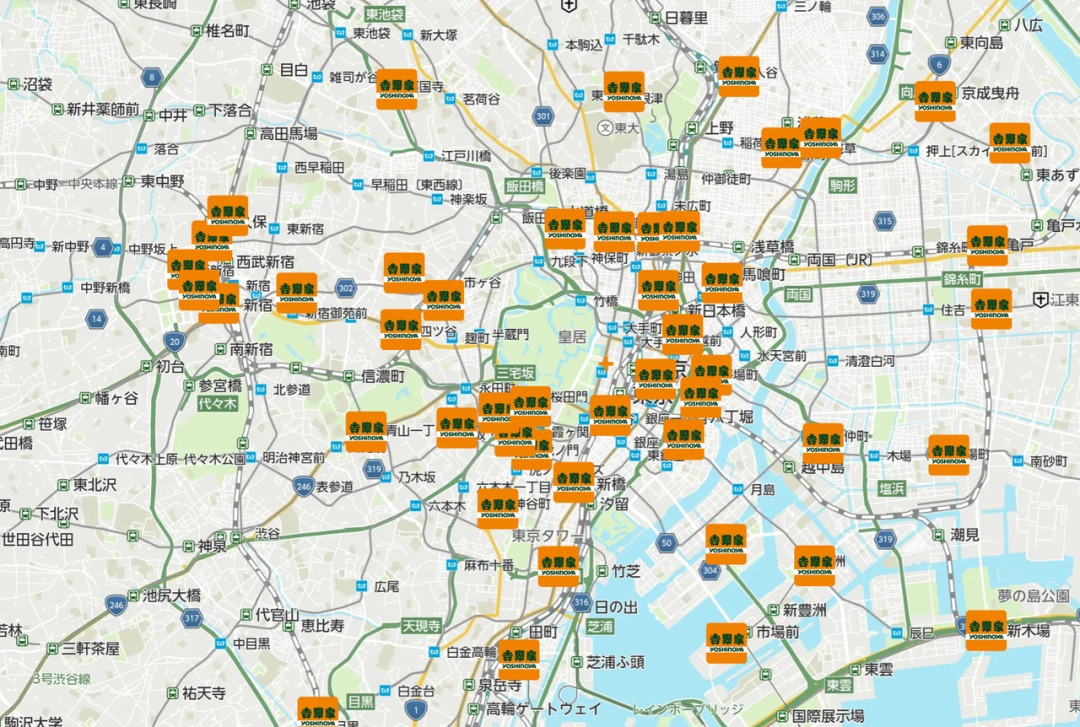
Core Insights - The Japanese consumer services industry is characterized by strong brand recognition, with leading brands becoming synonymous with their respective service categories, demonstrating stable growth and high profitability [2][4][20] - Japanese brands focus on niche markets, standardized processes, strategic store locations, and emotional customer experiences, creating a strong competitive moat [4][6][12] Group 1: Market Characteristics - In Japan, leading brands are often located in key areas, such as train stations and main roads, which significantly reduces competition once established [6][14] - The pricing strategy in Japan is straightforward, with clear pricing structures that avoid haggling, allowing for predictable customer experiences [8][15] - The service processes are highly standardized, ensuring efficiency and predictability, which enhances customer satisfaction [8][11] Group 2: Consumer Behavior and Economic Context - Japan's population is aging, with a significant portion over 65 years old, leading to a focus on high-frequency essential services like healthcare and home care [20][21] - Consumer spending is a major driver of domestic demand, with private consumption accounting for approximately 53% of GDP [21] - The inflation rate is moderate, allowing brands to implement price increases without losing customers, which is crucial for maintaining profitability [22][23] Group 3: Digitalization and Expansion Strategies - Japanese brands are beginning to enhance their digital capabilities to improve efficiency, focusing on the last moments of customer interaction [12][17] - There are two primary paths for Japanese brands: deepening their presence in the domestic market or expanding internationally with standardized products and experiences [29][30] - The online retail penetration in Japan remains low at around 9%, indicating that physical stores still dominate consumer decision-making [26] Group 4: Competitive Landscape and Opportunities - Japanese brands are often characterized by their ability to maintain stable cash flows and profitability, contrasting with the aggressive growth strategies seen in China [19][44] - The Japanese market presents opportunities for brands that can effectively adapt their models for international markets, particularly those with strong experiential elements [42][46] - Emerging consumer needs in Japan, such as home care and male grooming, indicate potential areas for growth and brand development [55]
大连市:7大方面、27项具体举措提振消费
Zheng Quan Shi Bao Wang· 2025-06-06 05:18
Core Points - Dalian Municipal Government has issued measures to boost consumption, focusing on enhancing the role of consumption in economic development [1] - The measures include 27 specific initiatives across seven areas, aiming to increase residents' income, improve service consumption, upgrade major consumption, optimize the consumption environment, and ensure effective implementation [1][5] Group 1: Main Goals - The measures emphasize a combination of effective market and proactive government, promoting consumption alongside income growth, optimizing supply while expanding demand, and fostering innovation and quality upgrades [1] - By 2025, Dalian aims for retail sales growth to exceed the national average, with over 1,200 consumption-boosting events and a 10% increase in tourism revenue [1] Group 2: Income Growth and Burden Reduction - Specific initiatives include promoting wage growth, ensuring full employment, expanding property income channels, and addressing overdue payments [2] - The plan includes a focus on low-income workers' rights and a dynamic monitoring system to prevent large-scale poverty [2] Group 3: Quality of Service Consumption - Initiatives aim to enhance consumption in areas such as elderly and child care, dining, home services, cultural tourism, and sports events [2][3] - The measures also promote the development of ice and snow tourism, including themed activities and the establishment of high-quality tourism destinations [3] Group 4: Major Consumption Upgrades - The measures propose increasing support for trade-in programs, updating key equipment, and extending the automotive consumption chain [3] - There is a focus on enhancing consumption quality through brand leadership and supporting new consumption models [3] Group 5: Optimizing Consumption Environment - Specific actions include improving infrastructure, ensuring rest and vacation rights, and creating a trustworthy consumption environment [3][4] - The establishment of a green channel for new product launches aims to attract domestic and international brands to Dalian [4] Group 6: Implementation and Coordination - The government emphasizes the importance of collaboration among various departments to effectively implement consumption-boosting policies [5] - There is a call for alignment between consumption policies and broader financial and industrial strategies to stabilize market expectations [5]