肿瘤医疗

Search documents
永和智控拟公开挂牌转让成都山水上100%股权及债权 优化资产结构
Zheng Quan Shi Bao Wang· 2025-12-03 13:24
Core Viewpoint - Yonghe Intelligent Control plans to publicly transfer 100% equity of its wholly-owned subsidiary Chengdu Mountain Water Hotel Co., Ltd. and the debt owed by Chengdu Yonghe Cheng Medical Technology Co., Ltd. to Chengdu Mountain Water, with a minimum initial listing price of 185 million yuan, aiming to optimize asset structure, improve cash flow, and enhance asset operation efficiency [1][2]. Group 1: Company Actions - The company is transferring the equity and debt to improve its asset structure and cash flow [1]. - This is not the first time the company has attempted to transfer Chengdu Mountain Water, as previous attempts were made in late 2024 to early 2025, but those transactions did not succeed [2]. - The company has been divesting from its underperforming assets in the tumor precision radiation treatment and photovoltaic sectors, including multiple hospitals and its stake in Puluo Technology [3]. Group 2: Financial Performance - As of July 2025, Chengdu Mountain Water had total assets of 108 million yuan, total liabilities of 126 million yuan, and negative equity of 1.77 million yuan [2]. - For the fiscal year 2024, Chengdu Mountain Water reported revenue of 19.51 million yuan and a net profit of 3.52 million yuan, with revenue and net profit for the first seven months of this year at 9.59 million yuan and 1.42 million yuan, respectively [2]. - Yonghe Intelligent Control reported a revenue of 582 million yuan for the first three quarters of this year, a year-on-year decrease of 7.25%, and a net loss of 60.46 million yuan [3].

确诊往往即晚期!基层肿瘤防控之难如何破
第一财经· 2025-11-29 10:09
Core Viewpoint - The article discusses the challenges and strategies of Shantou University Medical College Affiliated Cancer Hospital in retaining patients for cancer treatment in the context of healthcare disparities in the eastern Guangdong region [4][6]. Group 1: Hospital Overview - Shantou University Medical College Affiliated Cancer Hospital is the only tertiary cancer specialty hospital in eastern Guangdong, with an outpatient volume of 192,000 in 2024, ranking 17th nationally among public cancer hospitals [3]. - The hospital faces challenges similar to many hospitals in third-tier cities, particularly in retaining local patients who often seek treatment in first-tier cities like Guangzhou due to a lack of confidence in local medical capabilities [4][6]. Group 2: Cancer Prevention and Treatment Challenges - The uneven distribution of medical resources in eastern Guangdong leads to a lack of multi-disciplinary collaboration in cancer treatment, with many hospitals lacking specialized departments such as radiation therapy [7]. - There is a significant need for improved cancer prevention and treatment capabilities in rural areas, as highlighted by the National Health Commission's focus on enhancing cancer control in these regions [8]. - Early diagnosis rates for cancer in China are low compared to developed countries, with many patients diagnosed at advanced stages due to insufficient screening and preventive measures [8][9]. Group 3: Strategies for Patient Retention - The hospital aims to retain more cancer patients locally by enhancing awareness of its strengths and addressing its weaknesses through collaboration with leading hospitals [12]. - The establishment of the Eastern Guangdong Cancer Management Alliance aims to connect various medical institutions to improve cancer care and facilitate expert consultations for complex cases [13]. - The hospital has implemented an integrated cancer management model that encompasses prevention, screening, diagnosis, treatment, rehabilitation, and follow-up, breaking down barriers between different healthcare stages [13][14]. Group 4: Integrated Cancer Care Model - The Breast Cancer Integrated Center at the hospital has developed a comprehensive service system that integrates screening, diagnosis, treatment, rehabilitation, and follow-up, allowing for a "one-stop" treatment experience [14]. - This integrated model not only reduces patient costs and time but also enhances collaboration among multi-disciplinary teams, leading to improved treatment outcomes and patient benefits [14].


确诊往往即晚期!基层肿瘤防控之难如何破
Di Yi Cai Jing· 2025-11-29 09:34
Core Viewpoint - The article emphasizes the need to shift cancer treatment focus towards early-stage diagnosis and management, particularly in the context of the Shantou University Medical College Affiliated Cancer Hospital, which aims to enhance local cancer care and retain patients within the region [1][7]. Group 1: Hospital Performance and Challenges - The Shantou University Medical College Affiliated Cancer Hospital is the only comprehensive cancer hospital in Eastern Guangdong, with an outpatient volume of 192,000 visits projected for 2024, ranking 17th nationally among public cancer hospitals [1]. - The hospital faces challenges in retaining patients locally, as many prefer to seek treatment in larger cities like Guangzhou due to a lack of confidence in local medical capabilities [2][3]. Group 2: Cancer Prevention and Early Detection - There is a significant need for improved cancer prevention and treatment capabilities in rural areas, which is a key goal of China's health initiatives [3]. - The current cancer spectrum in China shows a mix of prevalent cancers found in developed and developing regions, with a low early diagnosis rate and insufficient screening measures, particularly in rural areas [4]. Group 3: Patient Management and Treatment Models - The hospital is exploring strategies to retain more cancer patients locally by enhancing awareness of its strengths and addressing its weaknesses through collaboration with leading hospitals [7]. - A new cancer management alliance has been established to integrate various medical institutions, enabling better resource sharing and expert consultations for complex cases [8]. Group 4: Integrated Cancer Care Approach - The hospital has launched a breast cancer integrated management center, promoting a "single disease, multi-disciplinary" approach to provide comprehensive services from screening to follow-up [9]. - This integrated model aims to improve early detection rates, reduce treatment costs, and enhance patient outcomes by facilitating collaboration among various specialists [9].
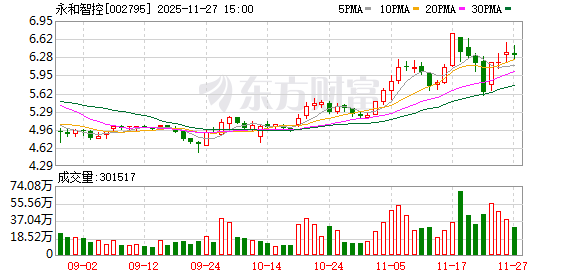
永和智控逾3500万甩卖亏损孙公司,“清仓”医疗资产
Xin Jing Bao· 2025-11-27 08:57
Core Viewpoint - Yonghe Intelligent Control Co., Ltd. is divesting all its investments in private oncology hospitals, marking a complete exit from the healthcare sector due to ongoing financial struggles and poor performance of its medical assets [2][3][5]. Group 1: Divestment Details - Yonghe Intelligent Control has initiated the public transfer of 100% equity in its wholly-owned subsidiary, Kunming Medical Oncology Hospital, with a starting price of no less than 35.93 million yuan [3][4]. - This divestment is part of a broader strategy, as Yonghe has already attempted to sell its stakes in three other oncology hospitals since 2020, including Dazhou Medical Oncology Hospital, Liangshan High-tech Oncology Hospital, and Xi'an Medical Oncology Hospital [3][4]. - The financial performance of Kunming Medical has been poor, with revenues of 11.58 million yuan and a net loss of 6.59 million yuan for the first seven months of 2025, contributing to Yonghe's decision to sell [3][6]. Group 2: Financial Performance - Yonghe Intelligent Control's main business includes fluid control products, oncology precision radiation treatment, and photovoltaic battery production. The company reported a revenue of 1.01 billion yuan in 2021, marking a 55.71% increase [5]. - However, the company's financial situation deteriorated significantly from 2022 to 2024, with revenues declining from 990 million yuan in 2022 to 823 million yuan in 2024, and net losses increasing from 26.19 million yuan to 297 million yuan during the same period [6]. - The decline in performance is attributed to reduced income from the valve and fitting business, lower product gross margins, and high depreciation and labor costs [6][7]. Group 3: Strategic Shift - Following the divestment of its medical assets, Yonghe Intelligent Control is expected to refocus on its core business operations. The company has not yet communicated its future strategic direction or potential new growth areas [7].
专访新晋中国工程院院士徐瑞华:科研是一段学习和自我提升之旅
生物世界· 2025-11-21 08:00
Core Insights - Xu Ruihua, a professor at Sun Yat-sen University Cancer Prevention and Treatment Center, was elected as an academician of the Chinese Academy of Engineering for his work in developing immunotherapy and understanding gastrointestinal cancers [2][4] - Xu was also featured in Cell Press's "50 Scientists that Inspire" series, highlighting his contributions to cancer research and personalized treatment [2][4] Group 1: Scientific Innovation - Scientific innovation is a multi-dimensional process that involves not only the discovery of new knowledge but also the application of this knowledge to solve real-world problems [5][6] - Key dimensions of scientific innovation include meeting clinical needs, advancing scientific frontiers, and promoting interdisciplinary collaboration [6] - The future of cancer treatment is moving towards precision, personalization, and intelligence, emphasizing the importance of understanding molecular characteristics and biological mechanisms of tumors [6][9] Group 2: Personal Motivation and Challenges - Xu's initial motivation to become a scientist was to save lives, which was reinforced by his clinical experiences and the challenges faced by cancer patients [7][8] - The high incidence and mortality rates of gastrointestinal cancers in China, with 2 million new cases annually, drive Xu's commitment to finding effective treatments [7][8] Group 3: Research Achievements - A significant discovery was made regarding the benefit of immunotherapy for patients with MSI-H/dMMR advanced colorectal cancer, leading to a new treatment method combining HDAC inhibitors, immunotherapy, and anti-angiogenic drugs [8][9] - This research represents a clinical milestone and has the potential to redefine treatment models for advanced colorectal cancer [9] Group 4: Future Outlook - In the next 50 years, precision medicine is expected to dominate cancer treatment, with the integration of big data and artificial intelligence [12] - Immunotherapy will be applied to more cancer types, and liquid biopsy technology will mature, facilitating early detection and monitoring of cancer [12] - A multidisciplinary approach to cancer treatment will become standard, promoting global health through international collaboration [12]
佰泽医疗(02609.HK):10月27日南向资金减持106.2万股
Sou Hu Cai Jing· 2025-10-27 19:44
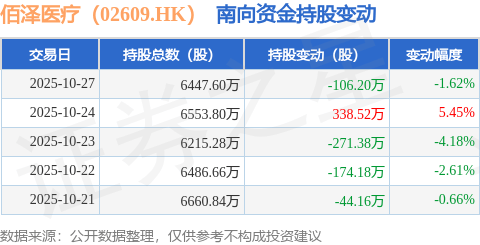
Group 1 - The core point of the news is that southbound funds have reduced their holdings in Baize Medical (02609.HK) by 1.62% on October 27, 2025, amounting to a decrease of 106.2 million shares [1][2] - Over the past five trading days, southbound funds have reduced their holdings for four days, with a total net reduction of 257.4 million shares [1][2] - As of now, southbound funds hold 64.476 million shares of Baize Medical, representing 4.88% of the company's total issued ordinary shares [1][2] Group 2 - Baize Medical Group primarily engages in investment and provision of medical-related services, focusing on oncology [2] - The company offers comprehensive oncology medical services, including screening, diagnosis, treatment, and rehabilitation [2] - Its business operations include hospital services, hospital management services, supply of pharmaceuticals, medical devices, and consumables, as well as other health management services [2]
海吉亚医疗(06078):2025年受外围因素影响,但经营回暖信号隐现
ZHONGTAI INTERNATIONAL SECURITIES· 2025-09-03 09:31
Investment Rating - The report maintains a "Neutral" rating for the company with a target price of HKD 13.55 [5][6]. Core Insights - The company's performance in the first half of 2025 showed a decline, with total revenue decreasing by 16.5% to RMB 1.99 billion and net profit dropping by 36.2% to RMB 250 million, falling short of expectations due to adverse macroeconomic conditions and stricter medical insurance cost control [1]. - Despite the revenue decline, there are positive signals in the balance sheet, including a 9.1% reduction in accounts receivable and a 29.9% increase in net cash from operating activities, indicating improved cash collection and reduced capital expenditures [2]. - The company received multiple professional honors in the first half of 2025, with its hospitals awarded seven national and provincial clinical key specialties/centers, reflecting its recognized professional capabilities [3]. - Long-term prospects in the oncology sector are expected to benefit from a favorable policy environment, with new support measures for the medical industry anticipated to alleviate financial pressures on medical institutions [4]. Summary by Sections Financial Performance - In the first half of 2025, the company reported a revenue decline of 16.5% to RMB 1.99 billion and a net profit decrease of 36.2% to RMB 250 million, attributed to the post-COVID macro environment and stricter medical insurance controls [1]. - The company's gross margin fell by 5.6 percentage points due to increased depreciation and amortization expenses from newly opened hospitals [1]. Balance Sheet Improvement - As of June 2025, accounts receivable decreased by 9.1% compared to the end of the previous year, indicating better cash collection [2]. - Net cash from operating activities increased by 29.9%, and capital expenditures were reduced by 28.5% year-on-year, contributing to a cash increase of RMB 240 million [2]. Industry Outlook - The oncology sector is expected to benefit from new policies, including immediate settlement of medical insurance funds and the establishment of innovative drug directories, which will support high-end specialty hospitals [4]. - The company is positioned as a leader in the oncology medical sector in Hong Kong and is expected to gradually recover starting in 2026 [5].
食管癌患者跨海求医,机器人精准“拆弹”!广医肿瘤医院前沿技术助患者“既治好病,也过好生活”
Nan Fang Nong Cun Bao· 2025-08-28 11:32
Core Viewpoint - Guangzhou Medical University Cancer Hospital is leveraging advanced robotic and minimally invasive surgical technologies to enhance cancer treatment outcomes while prioritizing patient quality of life [7][8][49]. Group 1: Robotic Surgery Innovations - The hospital has implemented the "fourth generation Da Vinci" robotic system for esophageal cancer surgeries, which has been shown to be more precise and efficient compared to traditional methods [33][35]. - The robotic-assisted surgeries have been performed on over 150 cases, with approximately 30 cases specifically for esophageal cancer, demonstrating the system's growing adoption [34][35]. - The surgery for a patient named Cai, who underwent robotic surgery for esophageal cancer, lasted less than 2 hours with minimal blood loss of less than 50 mL, significantly reducing recovery time and postoperative pain [44][51]. Group 2: Advanced Treatment Techniques - The TOMO system, a high-end radiotherapy device, combines spiral CT and linear accelerators, allowing for precise targeting of complex tumors while minimizing damage to surrounding healthy tissues [66][69]. - A patient named Wang received TOMO therapy for nasopharyngeal cancer, achieving complete tumor regression without significant side effects, allowing him to return to work shortly after treatment [74][75]. - The TOMO system's ability to cover long treatment areas in a single session addresses the challenges of traditional radiotherapy, which often requires multiple sessions and can lead to greater collateral damage [76][80]. Group 3: Patient-Centric Care - The hospital emphasizes a multidisciplinary approach to cancer treatment, ensuring personalized care plans that include nutritional support and psychological counseling [88][90]. - A case involving a patient named Li, who underwent a minimally invasive procedure for cervical cancer, highlights the hospital's commitment to preserving fertility while effectively treating cancer [102][119]. - The hospital plans to integrate robotic surgery and AI-assisted diagnostics to further enhance treatment precision and patient outcomes [125][126].


全国首例!美中嘉和(2453.HK)旗下广州泰和肿瘤医院成功实施脉络膜恶性黑色素瘤质子保眼治疗
Zhong Jin Zai Xian· 2025-07-15 09:13
Core Viewpoint - Meizhong Jiahe (2453.HK) has achieved a significant breakthrough in the treatment of choroidal malignant melanoma by successfully completing the first proton therapy in China, which preserves the patient's eye and vision, filling a treatment gap in the country [1][2]. Group 1: Treatment Innovation - The proton therapy using "pencil beam scanning" technology allows for high-dose radiation to be precisely focused on the tumor while minimizing damage to surrounding critical structures, marking a shift from destructive to functional treatment [1][2]. - Traditional treatment methods primarily involved enucleation, which resulted in permanent blindness and facial disfigurement for patients [1]. Group 2: Patient Outcomes - The first patient treated, a 45-year-old male from Hunan, experienced a significant improvement in vision from 0.1 to 0.4 within 48 hours post-treatment, with tumor markers decreasing by 90% and no complications such as corneal ulcers or retinal detachment [2]. - The patient expressed satisfaction with the treatment, stating he was able to retain his eye and continue working, contrasting with his initial expectation of undergoing enucleation [2]. Group 3: Market Potential - Proton therapy is recommended as a first-line treatment for choroidal melanoma in the 2024 NCCN guidelines, providing evidence-based support for eye-preserving strategies [2]. - With approximately 2,500 new cases of choroidal malignant melanoma diagnosed annually in China, Meizhong Jiahe's advancements in this field are expected to benefit domestic patients and create substantial market opportunities for the company [2].
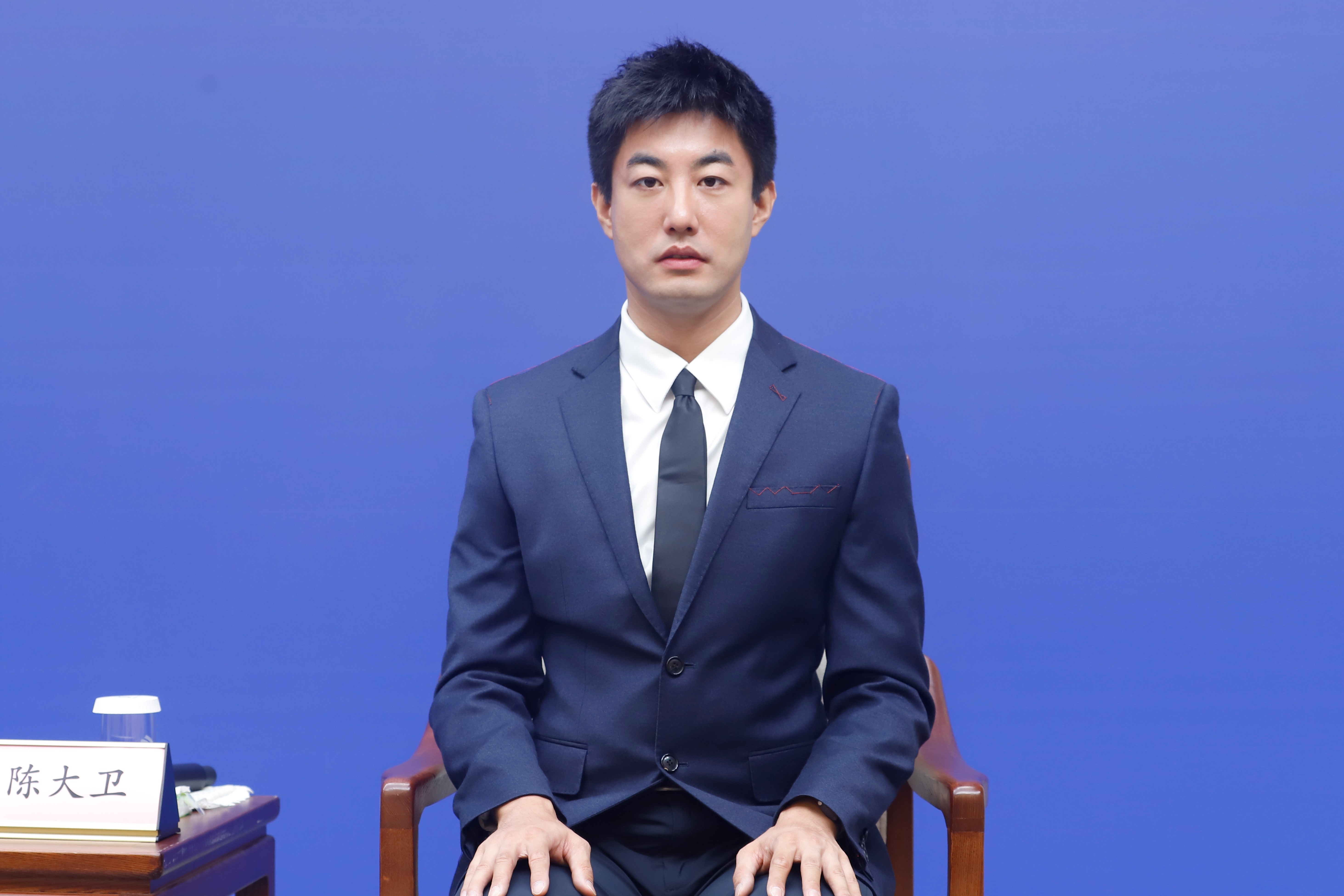
陈大卫:创新放射免疫治疗方案,提升肿瘤患者治愈率
Qi Lu Wan Bao· 2025-06-27 03:16
Core Viewpoint - The innovation in radiotherapy and immunotherapy led by Professor Chen David and his team has significantly improved treatment efficacy for lung cancer patients, establishing new standards in clinical practice and garnering multiple prestigious awards [3][4]. Group 1: Research Achievements - The team successfully increased the treatment efficacy of lung cancer by over 100% and nearly doubled the survival period for advanced lung cancer patients [3]. - Their research has been recognized in five lung cancer treatment guidelines across the US, Europe, and China, integrating radiotherapy and immunotherapy into standard treatment protocols [3][4]. - The team has received several awards, including the 2024 National Science and Technology Progress Award (second prize) and the China Youth May Fourth Medal [3]. Group 2: Innovations in Treatment - The team has made theoretical innovations by proving the existence of the radiation abscopal effect and its mechanism mediated by the immune system [4]. - They established a combined treatment approach using large fraction radiotherapy and PD-1 inhibitors, which has been published in a top-tier medical journal and has influenced multiple treatment guidelines [4]. - A new treatment model was developed that increased efficacy from 19.7% to 41.7%, representing a 60% improvement, and has been included in various international treatment guidelines [4]. Group 3: Cost Efficiency and Accessibility - The team emphasizes the importance of standardized treatment protocols to enhance efficiency and reduce costs for cancer patients, particularly in underdeveloped areas [5]. - They advocate for multidisciplinary collaboration to create tailored treatment plans, ensuring patients receive optimal care without unnecessary expenses [5]. - Ongoing research aims to provide better treatment options that are cost-effective, ultimately benefiting patients financially [5].