Internet

Search documents
中国AI人,“三年没过好年”了|一线
吴晓波频道· 2026-02-10 00:29
Core Viewpoint - The article posits that the upcoming Spring Festival marks a pivotal moment for AI applications in China, indicating the beginning of a new era for AI integration into daily life and business practices [2][20]. Group 1: AI Application and Market Dynamics - Major tech companies are heavily investing in AI-related activities during the Spring Festival, with Tencent, Alibaba, and ByteDance launching various initiatives to attract user engagement, including significant red envelope campaigns totaling over 50 billion [4][10]. - The competition among these companies is not just about user engagement but also about leveraging AI capabilities to enhance their respective platforms, with a focus on integrating AI into social, entertainment, and e-commerce sectors [8][26]. - The article highlights the intense preparations by both large and small AI firms to capitalize on the increased traffic during the holiday, with many companies already in a state of readiness weeks in advance [17][18]. Group 2: Workforce and Operational Challenges - AI professionals are facing significant pressure during this period, with many required to work through the holiday to ensure system stability and performance amid high user demand [14][17]. - The article notes that the operational strain is not limited to major firms; smaller AI companies are also feeling the heat as they compete for resources and market share during this critical time [19][39]. - The demand for GPU resources is escalating, leading to a scramble among companies to secure necessary computing power, which is crucial for maintaining service quality during peak usage [18][32]. Group 3: Future Implications and Trends - The article suggests that the Spring Festival will serve as a significant testing ground for AI applications, potentially leading to transformative changes in how AI is utilized in consumer-facing scenarios [24][26]. - It anticipates that by 2025, the user base for generative AI in China will reach approximately 602 million, indicating a growing acceptance and integration of AI technologies in everyday life [27]. - The competitive landscape is expected to evolve, with established players likely dominating the market, while smaller firms may struggle to find their footing amidst the heightened competition [38][39].




躲避加州富翁税 扎克伯格超10亿在迈阿密购置新豪宅
Feng Huang Wang· 2026-02-10 00:11
扎克伯格夫妇 凤凰网科技讯北京时间2月10日,据《华尔街日报》报道,Meta CEO马克.扎克伯格(Mark Zuckerberg)成 为最新一位在佛罗里达州南部置业的加州亿万富豪,他与妻子普莉希拉.陈(Priscilla Chan)在迈阿密看上 了一套豪宅。 知情人士称,这对夫妇正在买入位于迈阿密印第安溪的一套新完工的海滨豪宅。扎克伯格名下目前已有 不少高端房产,分布在太浩湖、加州帕洛阿尔托,以及夏威夷考艾岛。 据知情人士透露,卖方是一家与三明治连锁品牌Jersey Mike's Subs创始人彼得.坎克罗(Peter Cancro)有关 联的有限责任公司。目前尚不清楚这笔交易是否已经完成。 豪宅俯瞰图 尽管尚不清楚扎克伯格夫妇为这处占地近2英亩的房产支付的确切金额,但当地房产中介表示,交易价 格很可能在1.5亿美元至2亿美元(约合10亿元至14亿元人民币)之间。去年,印第安溪一块面积相近的未 开发地块以约1.05亿美元的价格售出。 随着加州提议征收5%的亿万富豪税,扎克伯格成为最新一位涌入迈阿密的科技界亿万富豪。佛罗里达 州不征收州所得税,这对扎克伯格和杰夫.贝佐斯(Jeff Bezos)这样的亿万富豪而 ...

Alphabet's debt raise fuels forecasts for record year in corporate bond sales
Reuters· 2026-02-09 22:01
Google parent Alphabet tapped the U.S. high-grade bond market on Monday, adding to a boom in debt funding by AI companies that analysts project will lead to a record-breaking year for corporate debt i... ...

Nominal Records, Real Divergence: The Hidden Weakness In U.S. Equities
Seeking Alpha· 2026-02-09 22:00
Market Overview - The Dow Jones has recently surpassed 50,000 points for the first time, indicating a significant milestone in the market [1] - The S&P 500 is on the verge of reaching an all-time high after recovering from a minor correction [1] Analyst Insights - The article reflects a passion for geopolitics and macroeconomics, suggesting that these factors are crucial in understanding market movements [1] - The author emphasizes the importance of engaging with the investment community to enhance knowledge and investment strategies [1]

AI红包大战 为何口碑冰火两重天?
Yang Shi Wang· 2026-02-09 21:26
Group 1 - Major internet giants such as Tencent, Alibaba, and ByteDance are engaging in a competition for the Spring Festival red envelope market, with plans to invest over 4.5 billion yuan [1] - The red envelope competition has sparked significant public interest, leading to a surge in app traffic that caused multiple app crashes [1] - The event has also raised various questions and criticisms regarding the implications of such large-scale promotional activities [1]
Google Goes Long With 100-Year Bond Sale. We’ve Seen This Before.
Barrons· 2026-02-09 19:40
Google Goes Long With 100-Year Bond Sale. We've Seen This Before. - Barron'sSkip to Main ContentThis copy is for your personal, non-commercial use only. Distribution and use of this material are governed by our Subscriber Agreement and by copyright law. For non-personal use or to order multiple copies, please contact Dow Jones Reprints at 1-800-843-0008 or visit www.djreprints.com.# Google Goes Long With 100-Year Bond Sale. We've Seen This Before.By [Martin Baccardax]ShareResize---ReprintsIn this article[GO ...

5-star analyst flags sharp contrast between Amazon, Google stock
Yahoo Finance· 2026-02-09 15:37
Amazon (AMZN) and Google-parent Alphabet (GOOGL) are collectively spending a ton on AI, to say the least. However, according to a top-ranked Citi analyst, they’re doing it with remarkably different financial safety nets, with major implications for their investors. Citi Global Head of Tech and Communications Heath Terry argues that the AI arms race isn’t just about who has demand, but also about who can pay for the next big phase without weighing down their balance sheet. That’s exactly where Amazon and ...

千问的出圈绝非偶然!这是阿里全链布局 + 场景融合的生态爆发
Xi Niu Cai Jing· 2026-02-09 15:27
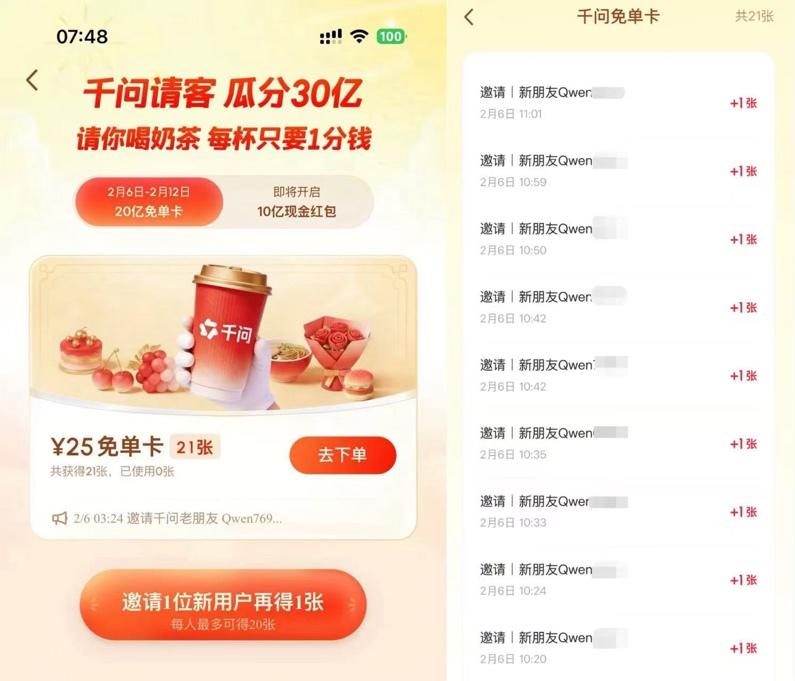
作者:Colin 2月6日,千问App"春节30亿大免单"活动上线首日,9小时内AI订单突破1000万单,服务器一度因"超预期火爆"而卡顿。这场看似是春节红包大战的延续, 实则是阿里精心策划的"AI生活方式全民演习"。当一杯奶茶成为AI Agent普及的导火索,阿里巴巴正在用最接地气的方式,实现从电商巨头到AI超级入口的 蜕变。 在GPLP犀牛财经看来,从活动设置和最终结果上来看,这场春节档的AI大战,千问都毫无疑问的"杀疯了"。 相较元宝用户得通过"分享红包"获得更多抽奖机会,把用户收益和分享行为进行强绑定的设计,让部分用户不得不在微信群中,忍受元宝红包链接泛滥的打 扰,千问的红包玩法更加简单直接,下载就送25元免单卡,兑现门槛低,金额又足够大,甚至有网友给算了一笔账,6口之家,5分钟就能拿下275元的无门 槛免单卡,什么概念呢?如果都用来购买蜜雪冰城的经典饮品柠檬茶,可以免费获得84杯。 同时,相较其他大厂单独一款应用的单兵作战,千问可谓火力全开,1月15日,便接入了淘宝闪购、支付宝、淘宝、飞猪、高德等阿里生态场景,这也意味 着,其他大厂砸下真金白银换来的APP活跃用户,大概率是单纯基于"薅羊毛"心态而来 ...

千问爆单 率先“撕开”AI生活方式的口子
Nan Fang Du Shi Bao· 2026-02-09 14:03
9小时1000万单,千问被挤到"求放过"? 过去几天,大概没什么人没体验过千问App送奶茶的活动了吧。网友们晒出的免单卡越来越多,千问官方也从一开始的狂晒战绩,变成后面"求放过"、延长 免单卡使用期限。 全民狂下单的节奏下,如果此前大众还觉得AI是一个触不可及的概念,那么大家现在应该真的相信了:AI办事能力已经进一步迭代,它已经从聊天回应、 有时候还出点幻觉的对话人,变成了真的能交付办事结果、进入日常生活的助手。 活动上线不到3小时,用户下单奶茶量超100万单;不到4小时,下单量超200万单;5小时,突破500万单;活动上线9小时,订单量已超过1000万单......这是过 去几天内,阿里系千问砸30亿开启史上最猛春节攻势后,不断对外披露的成绩单。 2月6日,千问APP"春节30亿大免单"正式上线、首先发动了奶茶攻势。当时有千问APP人士向南都N视频记者表示,"我们希望通过春节大免单活动,邀请全 国人民体验AI时代的全新生活方式,让AI融入到人们真实的生活消费之中。" (图源网络) 千问发动的"春节30亿大免单"大战只是今年春节AI大战硝烟弥漫的其中一幕。在阿里千问AI以外,百度在百度App发放5亿红包、用户 ...
谷歌母公司Alphabet拟通过美元债券发行筹集约150亿美元
Xin Lang Cai Jing· 2026-02-09 13:56
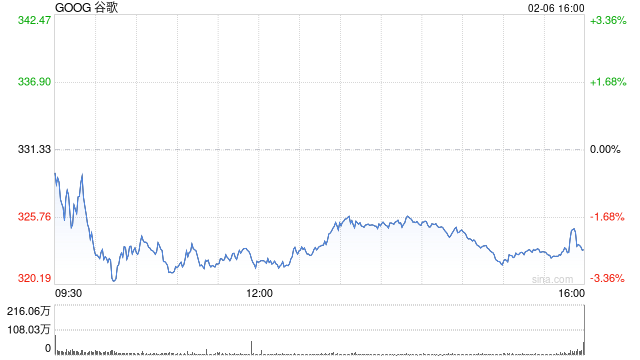
查看最新行情 北京时间2月据知情人士透露,谷歌母公司Alphabet正寻求通过发行高评级美元债券筹集约150亿美元, 这进一步助推了处于人工智能投资热潮前沿的企业的借贷热潮。 查看最新行情 知情人士表示,Alphabet正计划启动七批美元债券发行。他们补充说,本次发行期限最长的债券(2066 年到期)的初步价格谈判溢价约为同期美国国债收益率上加1.2个百分点。 据其他知情人士透露,除了美元债券发行,该公司已委托银行筹备潜在的瑞士法郎和英镑债券发行,其 中包括罕见的100年期债券。 北京时间2月据知情人士透露,谷歌母公司Alphabet正寻求通过发行高评级美元债券筹集约150亿美元, 这进一步助推了处于人工智能投资热潮前沿的企业的借贷热潮。 知情人士表示,Alphabet正计划启动七批美元债券发行。他们补充说,本次发行期限最长的债券(2066 年到期)的初步价格谈判溢价约为同期美国国债收益率上加1.2个百分点。 据其他知情人士透露,除了美元债券发行,该公司已委托银行筹备潜在的瑞士法郎和英镑债券发行,其 中包括罕见的100年期债券。 责任编辑:刘明亮 责任编辑:刘明亮 ...