
水利工程

Search documents
林水人“猎蚁” 江河湖“安澜”
Hang Zhou Ri Bao· 2025-11-25 02:36
杭州处于白蚁高发区,水利工程安全一直受到黑翅土白蚁与黄翅大白蚁侵蚀的威胁。对此,全市扎 实推进水利工程白蚁防治,为城市水安全筑起坚实屏障。 此次抽查包括对各区、县(市)2024—2025年海塘、堤防白蚁专项检查报告、危害等级评定、灭治 验收等全部台账的收集与检查,同时还对全市100公里堤防进行了现场抽查,并对发现的蚁巢进行验证 性开挖及治理。在董湾堤,工作人员循着智能监测线索,精准挖出直径40厘米的主巢,距坝顶仅0.4米 的隐患被及时清除,并成功捕获"蚁王""蚁后";在桐庐富春江凤川堤发现罕见"1王2后"巢穴,市、县水 利部门与第三方机构联动处置,当场根除隐患。 "白蚁防治既是保工程,更是保民生。"市南排中心相关负责人表示,杭州拥有众多河道湖泊,堤防 安全直接关系群众的生命财产安全与社会经济稳定,接下来将继续以科学化、专业化防控,守护江河安 澜;同时提高公众对白蚁危害的认识,营造全社会共同参与水利白蚁防治的良好氛围,为杭州城市水安 全和水利工程设施长效安全运行提供坚实保障。 "这些'堤坝杀手'在堤身筑巢蛀蚀,相当于给防洪工程埋下'定时炸弹'。"市南排中心工作人员介 绍,极端天气下,蚁穴可能引发堤坝溃决,危及沿 ...
全省将开展水利工程不动产登记
Liao Ning Ri Bao· 2025-11-25 01:52
Core Viewpoint - The provincial water resources and natural resources departments have initiated a real estate registration process for water conservancy projects to clarify property rights and enhance asset value [1][2] Group 1: Objectives and Scope - The registration aims to clarify property rights and empower the management of water conservancy assets, laying a foundation for realizing the value of high-quality water assets [1] - The scope includes all completed or operational water conservancy projects, as well as the land and buildings within their management and protection areas [1] Group 2: Project Categories - The province has a diverse range of water conservancy projects, including reservoirs, sluices, levees, irrigation areas, pumping stations, hydropower stations, water diversion, rural water supply, soil conservation, and hydrology projects [1] Group 3: Implementation Strategy - A comprehensive survey will be conducted to assess the quantity, scale, distribution, investment composition, management status, and land ownership of all water conservancy projects [1] - The registration will follow a principle of "lawful and steady progress," starting with pilot projects of representative engineering works to address key issues such as property rights definition and historical legacy problems [1] Group 4: Timeline and Goals - A timeline has been established, with pilot work expected to form a replicable registration workflow by 2026, followed by full implementation starting in 2027 [2] - The goal is to complete the registration of eligible water conservancy projects by the end of 2030, ensuring clear property rights, management responsibilities, and effective asset value realization [2]
“两重”建设持续加力 支撑基建投资回升
Zhong Guo Jin Rong Xin Xi Wang· 2025-11-24 23:36
Core Viewpoint - The Chinese government is accelerating the construction of "two heavy" projects, which include major water conservancy and transportation infrastructure, with increased investment planned for 2024 compared to 2023 [1][4]. Group 1: Investment and Project Details - Multiple regions have initiated the construction of "two heavy" projects, focusing on significant water conservancy and transportation infrastructure [1]. - The Zhangcun Reservoir project in Jiangshan, Zhejiang, has a total investment of 2.53 billion yuan and aims to enhance local flood control and water resource management [2]. - The Sichuan Yinda Jimi Project, with a total investment of 57.5 billion yuan, is designed to supply 1.523 billion cubic meters of water annually, creating a dual water source system for the Chengdu Plain [2]. - In 2024, the government plans to issue 700 billion yuan in ultra-long-term special bonds to support "two heavy" construction, following the 800 billion yuan allocated in 2023 for 1,459 projects [2]. Group 2: Progress and Impact - As of now, over 70% of the "two heavy" funds for 2024 have been utilized in Shaanxi Province, with a project commencement rate of 95% expected by the end of 2025 [3]. - Infrastructure investment has seen significant growth, with a 20% year-on-year increase in internet and related services investment, and a 34.5% increase in private investment in water management [3]. - The acceleration of "two heavy" construction is expected to support a rebound in infrastructure investment, with new policy financial tools and an additional 200 billion yuan in special bonds aimed at enhancing investment [4]. Group 3: Future Outlook - The government plans to further increase support for "two heavy" construction in 2024, with ongoing project planning for 2026 already underway in various regions [4]. - The issuance of ultra-long-term special bonds is seen as a necessary measure to expand domestic demand and enhance economic stability [5].
大国工程的县域“回响”
经济观察报· 2025-11-24 12:49
Core Viewpoint - The article emphasizes the importance of county-level development in China's modernization, highlighting its role as a foundation for the national economy and a potential area for future domestic demand growth [2]. Group 1: County-Level Economic Significance - Counties cover over 90% of China's land area and support more than 600 million people, contributing nearly 40% to the national GDP, making them crucial for economic resilience and future growth [2]. - The focus on high-quality county development aligns with national strategies, prompting a need for financial services to effectively support the real economy [2]. Group 2: Infrastructure Development - The completion of the Huajiang Grand Canyon Bridge significantly reduced travel time between Guizhou's Guanshan County and Qianxinan Prefecture from 2 hours to 2 minutes, enhancing connectivity and economic opportunities [3][4]. - Major infrastructure projects like the Huajiang Grand Canyon Bridge require substantial investment, with the total cost of the project reaching 24.3 billion yuan, necessitating robust financial support to ensure timely completion [7][20]. Group 3: Financial Services in Infrastructure Projects - Agricultural Bank of China (ABC) played a pivotal role in financing the Huajiang Grand Canyon Bridge, providing over 4 billion yuan in syndicate loans and implementing a rapid approval process to meet project demands [8][11]. - ABC's innovative financial solutions included a dedicated account for migrant workers to ensure timely wage payments, demonstrating a commitment to supporting local communities [11]. Group 4: Impact on Local Industries - The bridge's opening has revitalized local industries, such as cattle farming in Guanshan County and glutinous rice production in Qianxinan Prefecture, facilitating their access to national markets [12][13]. - ABC has increased credit support for local farmers, utilizing online products to address financing challenges, thereby enhancing production capacity and quality [12][13]. Group 5: Renewable Energy Projects - In Gansu Province, the establishment of the Jinta Solar Thermal Power Project, with a total investment of 4.2 billion yuan, exemplifies the shift towards renewable energy and the financial backing required for such initiatives [19][20]. - ABC's differentiated authorization mechanism expedited loan approvals for renewable energy projects, ensuring timely funding and project execution [20]. Group 6: Water Resource Management - The "Yijiang Jihua" project in Anhui Province, a major water conservancy initiative, involves significant financial management, with an estimated total investment of 91.27 billion yuan [23]. - ABC has established a comprehensive service system to manage the financial aspects of the project, ensuring timely disbursement of funds for land acquisition and compensation [24]. Group 7: Overall Economic Transformation - The integration of transportation, energy, and water infrastructure projects is reshaping county economies, enhancing their resilience and contributing to high-quality economic development [25]. - ABC's role in financing these projects underscores its commitment to supporting national strategies and local economic growth, facilitating a transformation in county-level development [25].



中山在全省率先吹响水塘河道清淤动员号角 累计完成清淤总量 1019万立方米
Nan Fang Ri Bao Wang Luo Ban· 2025-11-24 08:46
Core Viewpoint - The river dredging initiative in Zhongshan aims to enhance flood prevention, improve ecological conditions, support agricultural production, and strengthen grassroots organization, with significant progress made in recent months [1] Group 1: Dredging Progress - From October 2023 to the present, Zhongshan has completed a total dredging volume of 10.19 million cubic meters, covering 620 river channels and 757 kilometers, as well as 2,083 fish ponds and water bodies, ranking among the top in the province [1] - The city has established a long-term mechanism for dredging, promoting quality and expansion of dredging efforts through advanced technologies such as suction dredgers and hydraulic excavation [1] Group 2: Future Plans and Strategies - The city plans to deepen its "four-pronged" dredging model, which includes mobilizing social forces, supporting militia teams, driving engineering projects, and forming specialized teams, to provide a practical example for the province [1] - Officials emphasize the need for targeted policies and categorized advancement to enhance dredging efforts, aiming to transform Zhongshan into a more beautiful Lingnan water town [1]
为了“更大的成都”,四川新建一个超级工程
3 6 Ke· 2025-11-24 02:52
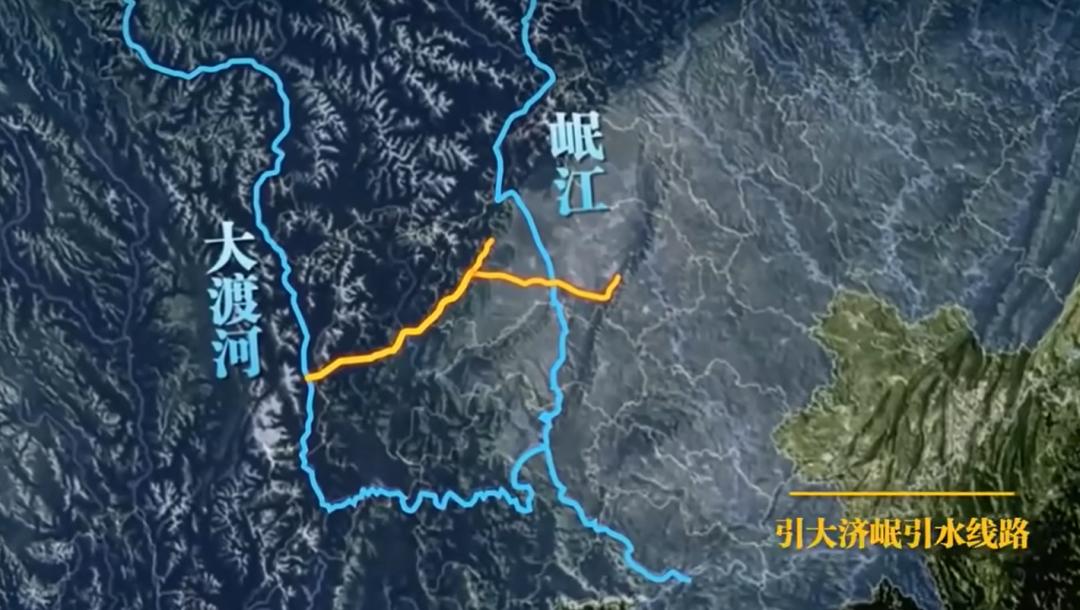
Group 1 - The core point of the news is the initiation of the "Yin Da Ji Min" water diversion project in Sichuan, which has an investment of 57.5 billion yuan, aimed at addressing the water scarcity issue in Chengdu and supporting its growth as a major city [1][2][4][10] - The project is expected to significantly enhance the water supply system for Chengdu by introducing water from the Dadu River to the Min River, which is the primary water source for the Chengdu Plain [2][6] - Chengdu currently faces severe water scarcity, with a per capita water resource availability of only 600 cubic meters, which is below the international threshold of 1,000 cubic meters for severe water shortage [6][7] Group 2 - The "Yin Da Ji Min" project is part of Sichuan's "Strong Provincial Capital" strategy, which aims to strengthen Chengdu's role as a central city for the province and the western region of China [10][12] - The project is seen as a strategic necessity for long-term water resource security, as the current reliance on the Min River poses ecological risks and limits future development [7][10] - The "Strong Provincial Capital" strategy is gaining traction across various provinces, indicating a trend towards consolidating resources in major cities to enhance regional development [12][16]
滇中引水攻坚克难实现新突破
Jing Ji Ri Bao· 2025-11-22 21:55
Core Points - The Yunnan Central Water Diversion Project is the largest water resource allocation project in Southwest China, with an investment of significant scale and expected to benefit over 11 million people across 36 counties [1][7] - The project includes the construction of the world's largest underground pump station and the largest water pumps in Asia, with a total installed capacity of 480 megawatts [1][7] - The project has faced numerous challenges, particularly in the construction of tunnels through complex geological conditions, requiring innovative engineering solutions [2][4][6] Project Overview - The first phase of the Yunnan Central Water Diversion Project consists of a main water conveyance line of 664 kilometers, with over 92% of it being tunnels [2][7] - The project began construction in October 2018 and has made significant progress, with 94% of the main water conveyance line completed as of mid-October [7] - The second phase will distribute the water to key areas, including major lakes and cities in Yunnan province [7] Engineering Challenges - The construction of the Xianglu Mountain tunnel, which is 63.1 kilometers long and located over 1,000 meters underground, presents significant geological challenges [2][3] - The project team has implemented various advanced support measures to address risks such as water and mud bursts during construction [2][4] - Innovative technologies, including geological radar and infrared water detection, have been employed to monitor and manage geological risks [4][5][6] Research and Innovation - A research group has been established to study the deformation mechanisms and control technologies related to the sandy limestone encountered in the tunnels, resulting in several patents [5][6] - The project emphasizes the importance of innovation in overcoming technical difficulties, with a focus on advanced construction methods [6][7]
中国之声一线调研丨水利工程开放 如何以“平急两用”之策盘活城市滨水空间?
Yang Guang Wang· 2025-11-22 02:59
Core Insights - The "Yongding River Collective" has become a popular new landmark in Beijing, combining urban life and nature while serving as part of the Yongding River Lu San Section Comprehensive Improvement Project, which aims to enhance flood resilience and create high-quality waterfront spaces [1][4][11] Group 1: Project Overview - The Yongding River Lu San Section Comprehensive Improvement Project is a post-disaster recovery initiative following the "23·7" flood, focusing on both flood safety and the development of surrounding areas [4][12] - The project spans 17 kilometers, with a 1.6-kilometer demonstration section where the "Yongding River Collective" is located, connecting Shijingshan and the Yongding River [8][12] Group 2: Design and Functionality - The design incorporates a "dual-use" strategy for the levee, allowing for emergency vehicle access during floods while also serving as a recreational space for the public [6][10] - The project emphasizes ecological considerations, aiming to restore the river to a "flowing, green, clean, and safe" state, while minimizing artificial structures to maintain natural aesthetics [10][11] Group 3: Community Impact - The "Yongding River Collective" has significantly increased foot traffic to the area, attracting families and enhancing the local economy [2][11] - Future plans include expanding the project to further enhance the waterfront experience and integrate more cultural and commercial activities [11][12]

桂中百万亩农田告别“望天渴” 壮族青年返乡逐梦田野
Zhong Guo Xin Wen Wang· 2025-11-21 09:11
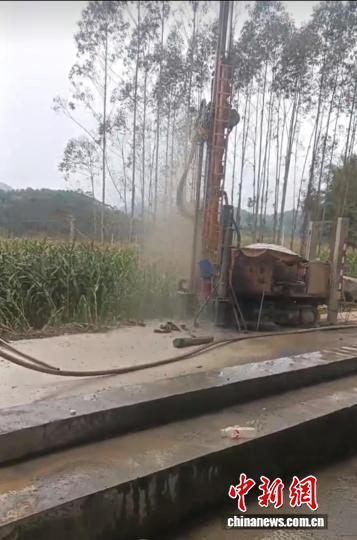
桂中百万亩农田告别"望天渴" 壮族青年返乡逐梦田野 图为兴宾区水利局在古炼村打出的水井。刘锦莲 摄 水源的保障激发了村民的发展热情。壮族青年蒋永诚就是其中之一。他曾远赴广东打工,因家中老人需 要照顾而返乡务农。看到村里不少田地因年轻人外出而闲置,他主动上门与乡亲们协商,将零散田地集 中起来规模化种植。 中新网来宾11月21日电 (何州 韦兰)初冬时节,走进广西来宾市兴宾区三五镇古灯村委古炼村,村民覃 广看着喷涌而出的地下水,笑着说:"以后再也不用半夜守水,更不用挑水吃了。如今井水渠水'双保 险',心里特别踏实。" 古炼村这个美丽的壮族山村坐落在丘陵地带,300多亩梯田如金色壮锦铺展在山间。然而数百年来,村 民耕作全靠自然降雨,一遇干旱年份,良田便面临抛荒困境。 转机来自兴宾区水利局的精准施策。在深入勘查后,技术人员成功找到地下水源,仅用两天时间就打出 一口每小时出水量达50吨的水井,彻底解决了该村的灌溉和人畜饮水难题。 "以前种植最头疼的就是缺水,现在有了稳定水源,我感觉回村发展的决定做对了。"蒋永诚说,他计划 将水稻种植面积扩大到50亩以上,真正成为一名种粮大户。"我相信,有了水,乡村振兴会吸引更多年 轻人 ...
调研速递|深水规院接受全景路演等广大投资者调研 聚焦水利水务场景智慧赋能与AI应用
Xin Lang Cai Jing· 2025-11-20 11:28
深圳市水务规划设计院股份有限公司(简称"深水规院")于2025年11月20日通过全景网互动平台参与 2025年度深圳辖区上市公司投资者网上集体接待日活动,与广大投资者就公司业务发展等话题展开交 流。活动中,公司明确了在新兴产业领域的发展方向,聚焦水利水务行业场景的智慧化升级及AI技术 应用。 调研基本信息 投资者关系活动类别为"其他(2025年度深圳辖区上市公司投资者网上集体接待日活动)",活动时间为 2025年11月20日(周四)下午14:30-17:00,地点设为全景网"投资者关系互动平 台"(https://ir.p5w.net)。参与单位为通过"全景路演"网站远程参与的广大投资者,公司接待团队包括 副总经理兼董事会秘书李战、财务负责人雷冬梅、董事李文坤及独立董事李志平、郭晋龙、曾繁军等。 本次活动附件清单无特殊内容,相关信息已于2025年11月20日通过公告披露。 声明:市场有风险,投资需谨慎。 本文为AI大模型基于第三方数据库自动发布,任何在本文出现的信 息(包括但不限于个股、评论、预测、图表、指标、理论、任何形式的表述等)均只作为参考,不构成 个人投资建议。受限于第三方数据库质量等问题,我们无法对 ...