文化产业

Search documents
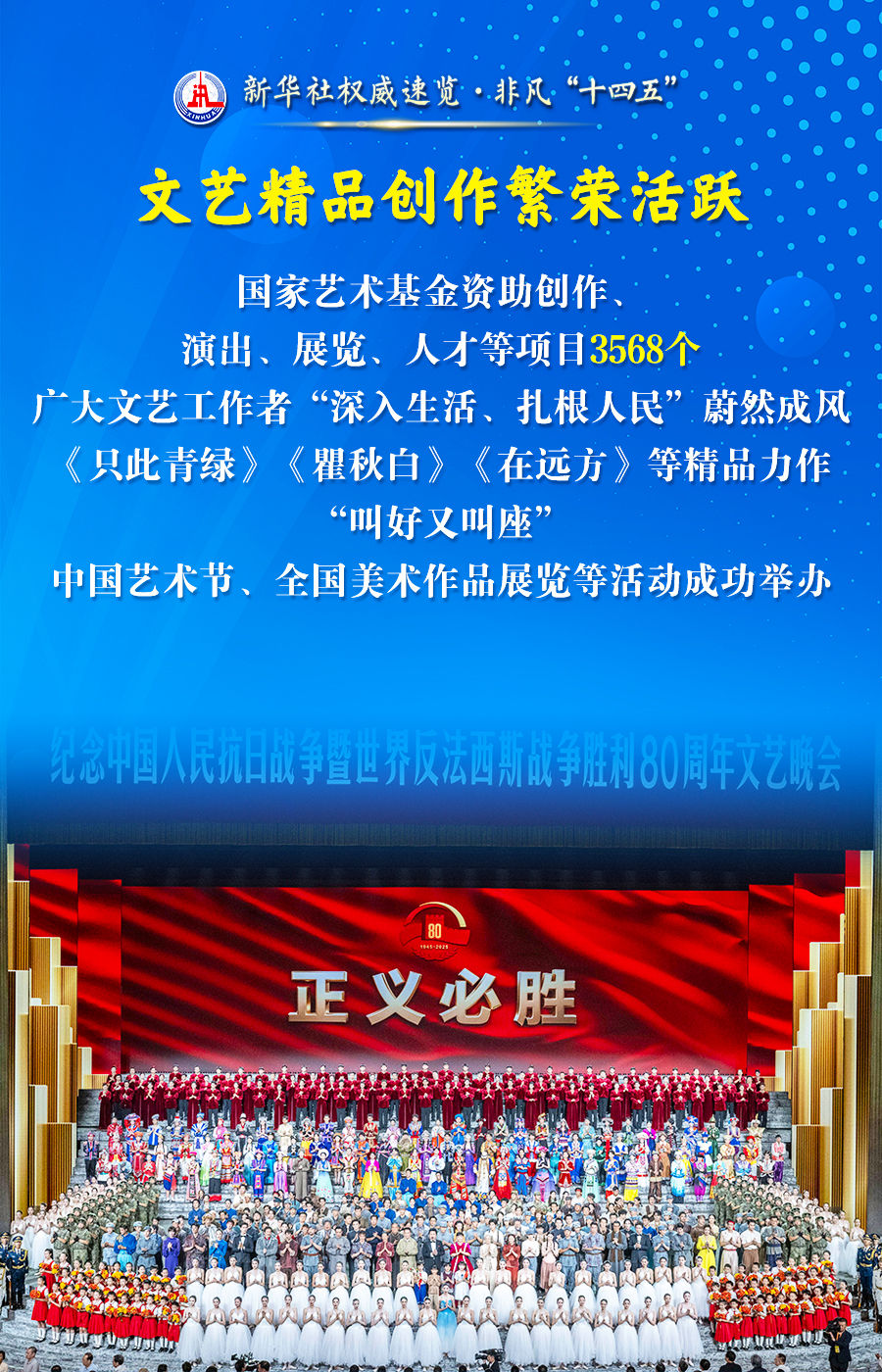
新华社权威速览·非凡“十四五”|文化旅游事业,这样满足人民美好生活需要!
Xin Hua She· 2025-09-29 08:51
Core Insights - The cultural and tourism sectors in China have made significant progress under the leadership of the central government, effectively promoting high-quality economic and social development since the start of the 14th Five-Year Plan [1] Group 1: Public Cultural Services - By the end of 2024, there will be 3,248 public libraries and nearly 44,000 community cultural institutions across the country [3] - More than 40,000 new public cultural spaces have been established, enhancing community engagement through activities like "village evenings" and "square dancing" [3] - The "toilet revolution" in tourism has led to the construction and renovation of approximately 150,000 toilets [3] Group 2: Cultural Heritage - The fifth batch of national intangible cultural heritage representative projects includes 325 items, and the sixth batch has 942 inheritors [6] - China has 60 projects listed in the World Heritage List and 44 items in the UNESCO intangible cultural heritage list [6] Group 3: Cultural Industry Development - The cultural industry is projected to achieve a revenue of 19.14 trillion yuan in 2024, representing a 37.7% increase compared to 2020 [8] - In the first half of 2025, domestic tourism is expected to reach 3.285 billion trips, with total spending hitting 315 billion yuan [8] - The integration of culture with various industries is creating a synergistic effect, enhancing overall development [8] Group 4: International Cooperation - Successful cultural activities have been held alongside major international forums, enhancing China's diplomatic image [10] - The number of overseas Chinese cultural centers and tourism offices has increased to 73 [10] - Policies to facilitate inbound tourism, such as visa exemptions and tax refunds, are being optimized to attract more foreign tourists [10]

3.15万亿元!国内居民出游消费又创新高
Zheng Quan Ri Bao Zhi Sheng· 2025-09-29 08:16
Core Insights - The "14th Five-Year Plan" has led to significant achievements in the cultural and tourism sectors, contributing to high-quality economic and social development in China [1][2]. Group 1: Cultural and Tourism Development - The cultural and tourism system has effectively advanced under the strong leadership of the central government, achieving the goals set in the "14th Five-Year Plan" [1]. - The cultural industry has seen a steady expansion, with operating income projected to reach 19.14 trillion yuan in 2024, a 37.7% increase from 2020 [2]. - The number of large-scale cultural enterprises has increased by 1.3 million since 2020, totaling 78,000 [2]. Group 2: Tourism Recovery and Growth - The tourism sector has rapidly recovered from the pandemic, with domestic travel reaching 3.15 trillion yuan in total spending and 3.285 billion trips in the first half of 2025, setting new records [2]. - The integration of culture and tourism has fostered new growth drivers, enhancing the appeal of cultural heritage tourism, red tourism, and educational travel [2]. Group 3: International Cooperation and Cultural Exchange - Successful cultural activities associated with major international summits have enhanced China's diplomatic image and facilitated government-level cooperation with various countries [3]. - The number of overseas Chinese cultural centers and tourism offices has increased to 73, promoting international tourism to China [3]. - Policies to facilitate inbound tourism, such as visa exemptions and tax refunds, have been optimized to attract more foreign visitors [3].
总资产达34.4万亿元!“十四五”文化产业成绩单发布
Di Yi Cai Jing· 2025-09-29 07:55
Group 1 - The contribution rate of the cultural industry to national economic development has further increased, playing a significant role in serving national strategies, meeting cultural needs, and enhancing the influence of Chinese culture [1][2] - During the "14th Five-Year Plan" period, the cultural industry system has become more complete, with an optimized structure and layout, steady expansion in scale, and significant improvement in efficiency [2] - By 2024, the total assets of the national cultural industry are expected to reach 34.4 trillion yuan, with operating income exceeding 19 trillion yuan and total profits reaching 1.77 trillion yuan [2] Group 2 - The cultural market has seen a continuous increase in operational entities, with the comprehensive benefits of cultural industry development becoming increasingly evident [2] - The new cultural formats are expected to generate operating income of 5.9 trillion yuan in 2024, accounting for over 40% of the entire cultural industry, representing an 88% increase compared to 2020, with an average annual compound growth rate of around 17% [2] - Various consumer promotion and benefit activities have been conducted, with 210,000 events held in 2024, distributing 2.3 billion yuan in consumer vouchers, driving consumption by over 140 billion yuan [3] Group 3 - The total cultural trade volume in China is projected to reach 1.4 trillion yuan in 2024, with over 370 billion yuan attributed to digital, networked, and intelligent cultural trade, accounting for more than one-quarter of the total [3] - The Ministry of Culture and Tourism has focused on improving public cultural services, with over 95% of counties establishing cultural centers and libraries, enhancing service coverage and effectiveness [5] - In 2024, the number of visits to public libraries increased by 440 million compared to 2019, a growth of 49% [5]
文旅部:2024年各地共举办文化产业相关惠民活动21万场次 带动消费超1400亿元
Bei Jing Shang Bao· 2025-09-29 07:37
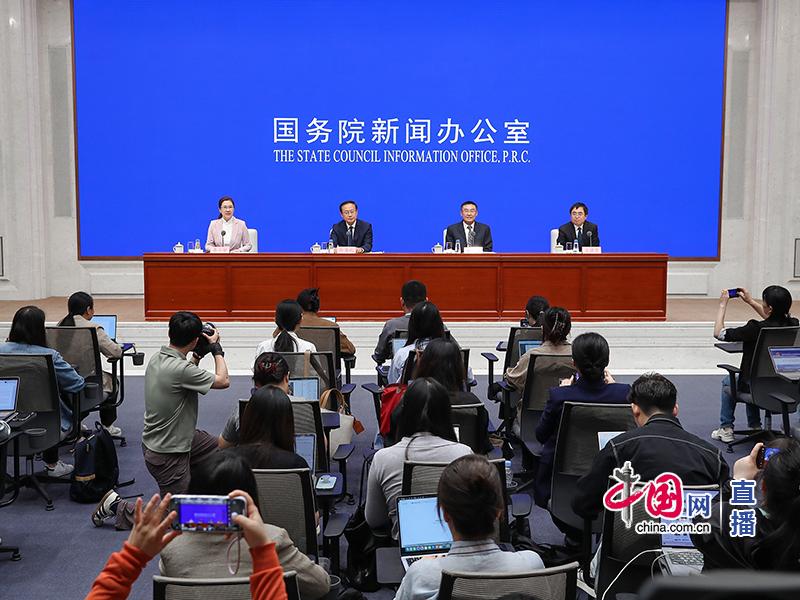
北京商报讯(记者 卢扬 程靓)9月29日,在国务院新闻办公室举行的"高质量完成'十四五'规划"系列主 题新闻发布会上,文化和旅游部副部长卢映川表示,"十四五"以来,我国文化产业发展应该说迈上了新 台阶,在服务国家重大战略、满足人民精神文化需求、促进经济社会发展,以及提升中华文化影响力等 方面都发挥了非常重要的作用。其中,消费潜力不断释放。"十四五"期间,持续开展了系列消费促进和 惠民活动。据不完全统计,2024年,各地共举办相关惠民活动21万场次,发放消费券等惠民补贴23亿 元,带动消费超1400亿元。文旅消费的综合带动作用凸显,演艺经济、夜间经济、票根经济等十分活 跃,有效延展消费链条,满足人们个性化、情感化、体验化消费需求。 ...
2024年文化产业实现营业收入19.14万亿元,比2020年增长37.7%
Xin Hua She· 2025-09-29 06:19
Core Insights - The cultural and tourism industry is experiencing robust growth, with a more complete cultural industry system and optimized structural layout [1] - The industry is expected to achieve a revenue of 19.14 trillion yuan in 2024, representing a 37.7% increase compared to 2020 [1] - The number of large-scale cultural enterprises has increased by 13,000 since 2020, totaling 78,000 [1] - The tourism sector is rapidly recovering from the pandemic, with continuous improvements in product supply and service quality [1] - Domestic travel participation and total spending are maintaining a high growth rate [1]
2025年上半年国内居民出游32.85亿人次、总花费3.15万亿元
Yang Shi Xin Wen· 2025-09-29 06:13
Core Insights - The press conference highlighted the achievements in the cultural and tourism sectors during the 14th Five-Year Plan period, emphasizing high-quality development Group 1: Cultural Industry - In 2024, the cultural industry is projected to achieve an operating income of 19.14 trillion yuan, representing a 37.7% increase compared to 2020 [1] - The number of large-scale cultural enterprises has reached 78,000, an increase of 13,000 since 2020 [1] Group 2: Domestic Tourism - By the first half of 2025, domestic residents are expected to make 3.285 billion trips, with total spending reaching 3.15 trillion yuan [1]
广州南沙举行文化产业高质量发展大会 超50家企业项目集中签约
Zheng Quan Shi Bao Wang· 2025-09-29 02:34
Group 1 - The conference in Nansha focused on high-quality development of the cultural industry, signing over 50 key projects and enterprises, and establishing a cultural industry ecosystem through policies, projects, talent, and scenarios [1][2] - The participation of Hong Kong and Macau enterprises was a highlight, with four institutions signing agreements to deepen cultural industry collaboration in the Greater Bay Area [2] - Nansha aims to leverage its cultural and sports center to host high-level sports events and performances, enhancing the local cultural industry chain [2][5] Group 2 - Nansha has been approved as a pilot area for the "Cultural Tourism and Sports One-Stop Service" model, significantly improving approval efficiency by over 50% [4] - The district's cultural policies include tax incentives and support for the film and television industry, aiming to reduce operational costs for enterprises [4][5] - Nansha has established eight cultural industry parks, providing competitive rental options and supporting facilities to foster a full industry chain from incubation to consumption [6][7] Group 3 - Seven new cultural and entertainment consumption spaces were launched, targeting young audiences and enhancing local cultural life [8] - A collaborative mechanism was established to attract talent and resources, including a partnership with Tencent for digital entertainment projects [9] - The Nansha Marine Cultural Tourism Industry Education Alliance was formed to connect educational institutions with industry needs, focusing on marine tourism and related sectors [9][10]
文化+科技,打开传承发展新视野(文化中国行·深观察)
Ren Min Ri Bao Hai Wai Ban· 2025-09-28 22:42
Group 1: Cultural and Technological Integration - The 2025 Beijing Cultural Forum focuses on the theme of "Cultural and Technological Integration," featuring over 800 guests from various sectors to discuss advancements in cultural heritage protection through digital technology [5][6]. - Digital technologies are increasingly applied in cultural heritage preservation, with examples including the successful digitalization of over 1 million artifacts at the Palace Museum and 500TB of data from the Dunhuang Academy [7][8]. - The integration of technology in cultural heritage is setting new standards globally, with China leading in innovative practices that combine technological advancements with cultural preservation [7][8]. Group 2: Cultural Industry Innovation - The forum introduced a creative cultural display area featuring over 600 cultural products, highlighting the growing popularity of traditional culture among younger demographics [9][10]. - The success of cultural products like the "Fengguan" refrigerator magnet, which sold over 1 million units, indicates a significant market trend towards innovative cultural merchandise [9][10]. - The rise of animated films in China, with box office hits exceeding 154 billion yuan, showcases the potential for cultural narratives to resonate globally [10]. Group 3: AI and Content Creation - AI is transforming content production in the cultural sector, moving from manual customization to intelligent mass production, enhancing storytelling and audiovisual expression [11][12]. - The rapid development of AI is enabling a new era where everyone can engage in directing and producing content, addressing the shortage of skilled talent in the film industry [12]. - The use of VR technology is enhancing audience engagement and facilitating the global dissemination of Chinese culture through immersive experiences [12]. Group 4: Cultural Exchange and Dialogue - The forum emphasizes the importance of cultural exchange, with activities designed to foster dialogue between Chinese and French filmmakers, celebrating the 120th anniversary of Chinese cinema [14][15]. - The concept of "mutual learning" is highlighted as essential for understanding and cooperation between different civilizations, with discussions on the balance between technology and humanities [15][16]. - The implementation of global civilization initiatives aims to promote a more harmonious world, reflecting China's commitment to respecting diversity and fostering dialogue [16].

推进“校研馆企”耦合互动的生态协同
Xin Hua Ri Bao· 2025-09-28 20:56
加速文创转化"增值"。以博物馆馆藏IP为核心,高校师生设计兼具文化内涵与市场吸引力的方案,科研 机构提供VR/AR等技术支撑,企业负责生产营销。此前南京某博物馆推出的AR文创项目正是沿着这样 的思路,让观众在沉浸式体验中"触摸"到了历史的脉搏,实现了文化传播与经济效益的"双收",为文化 资源活化提供了实践范本。 然而,这一理念落实到具体实践中仍面临着不少"堵点"。其中最突出的是动力不足:高校评价体系通常 更倾向于对论文与课题的认定,科研人员参与跨界合作需要兼顾科学规律和现实约束;企业受短期效益 导向影响,对周期长、风险高的基础研究合作热情有限;博物馆考核多聚焦于藏品保护与展览数量,跨 界创新缺乏明确激励,主动合作意识偏弱。 鉴于以上瓶颈性问题,笔者认为,破解之钥在于及时构建以"耦合互动"为核心的生态协同机制。 推动人才互通"破界"。鼓励高校与企业共建"产业学院"。如南京部分职业院校联合文旅科技企业,将企 业真实项目纳入课程,让学生一半时间在课堂学理论、一半时间在"车间"练实操,毕业即能适配岗位; 博物馆面向高校师生开放讲解研学、展览策划等实践岗位,既为文化保护领域培育专业人才,又为校本 教学注入实践活力。推动 ...
审批快50%!南沙掀起文化投资潮,超50个项目及企业落户
Nan Fang Du Shi Bao· 2025-09-28 14:52
今年以来,南沙每月都有文化相关企业落户,港澳机构更成了当天活动签约的亮点。这得益于政策红利 与创新业态在此加速汇聚:审批改革让效率提升50%,AI短剧、国际赛事等新质生产力纷纷落子。南沙 正从政策、项目、人才、场景四大方面发力,全面塑造区域文化产业生态链。 一批企业签约落户南沙。 项目签约:港澳元素成为亮点 本次大会签约项目及企业达50余个,覆盖滨海度假、数字电商、演艺赛事等多个领域。其中,港澳企业 的深度参与尤为引人注目,澳门青旅集团、亚太文化创意产业总会、文化公所(澳门)、香港东方文体 4家港澳机构集体与南沙签约,进一步深化粤港澳文化产业协同创新。 澳门青旅集团计划将总部迁至庆盛先行起步区,该集团在广东拥有20余家分公司及营业部,年服务游客 超10万人次。"南沙在地理区位上优势显著,在大湾区开发差异化的旅游产品拥有巨大潜力。"澳青集团 上海分公司总经理陈莹璇表示,公司计划将南沙打造为深度游的"中心站",推出"一程多站"式联动线 路,串联大湾区其他城市的特色。 单日签约超50个项目及企业、8个区级文化产业园区正式挂牌、7个文体娱消费新空间项目同步发布、1 个专注海洋文旅的产教联合体宣告成立——9月28日,广 ...