
Semiconductors

Search documents
台积电3nm供不应求!
国芯网· 2026-03-30 04:32
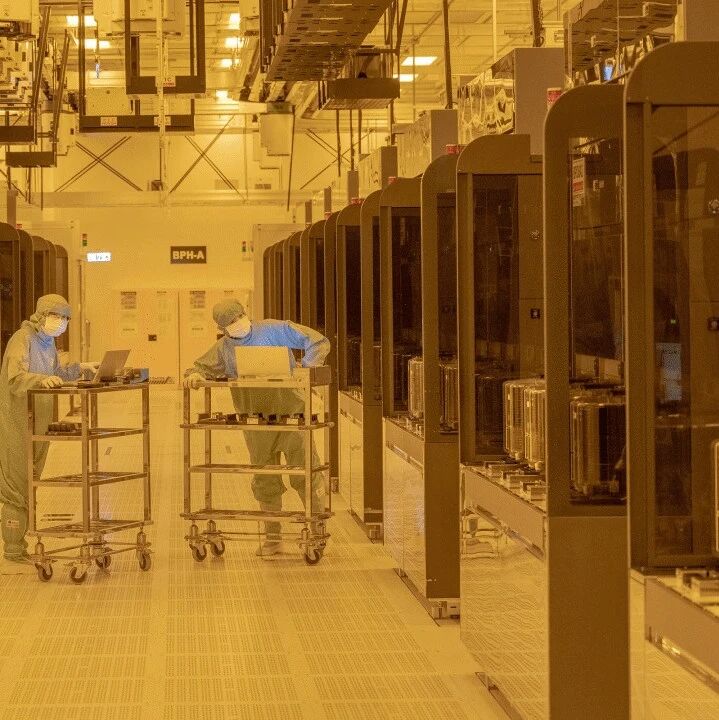
Core Viewpoint - The article highlights the severe capacity constraints faced by TSMC's 3nm process, which is impacting various companies' product development plans and creating significant operational challenges in the semiconductor industry [2][4]. Group 1: TSMC's Capacity Constraints - TSMC's 3nm manufacturing capacity is currently under high demand, leading to adjustments in product plans for multiple companies due to insufficient capacity [2]. - The competition for TSMC's limited capacity has become a major operational challenge for companies across the semiconductor supply chain, affecting their ability to secure orders [4]. - Only long-term "loyal customers" are prioritized for product delivery, indicating a shift in capacity allocation that favors certain companies over others [4]. Group 2: Impact on Major Players - Apple and NVIDIA are positioned as the biggest beneficiaries in the capacity competition, benefiting from exclusive access to dedicated production lines and large order volumes that limit competitors' production space [4]. - Companies like Intel and AMD, which target the consumer market, have significant demand for TSMC's advanced processes but receive much lower capacity allocations compared to AI-focused clients [4]. - ASIC chip manufacturers also face limitations in securing 3nm capacity, which directly affects their production ramp-up speed [4]. Group 3: Industry Response - The dominance of TSMC has led to a consensus in the industry to seek alternative foundries, although this presents challenges such as high costs and potential impacts on long-term relationships with TSMC [4].


三星西安厂实现第八代V-NAND量产!
国芯网· 2026-03-30 04:32
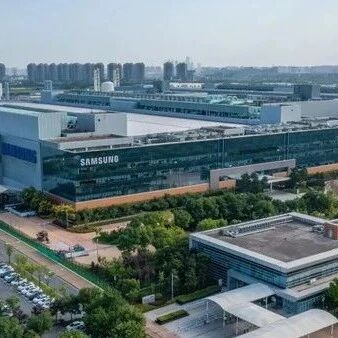
Group 1 - The core viewpoint of the article emphasizes the advancement of China's semiconductor industry, particularly highlighting Samsung's successful upgrade of its NAND wafer fabrication process in Xi'an, China, achieving mass production of the eighth-generation V-NAND (V8 NAND) with 236 layers [1][3] Group 2 - The Xi'an wafer factory is a significant semiconductor production base for Samsung outside of South Korea, and the recent process upgrade began in 2024 to enhance product performance and production efficiency, thereby increasing competitive capacity to meet the demands of high-performance storage devices in the AI era [3] - Following the mass production of V8 NAND, Samsung's next target is the V9 NAND with 286 layers, with production lines planned at the X2 factory, aiming for transition and mass production by 2026 [3]
氦气价格暴涨50%!三星、SK海力疯抢!
国芯网· 2026-03-30 04:32
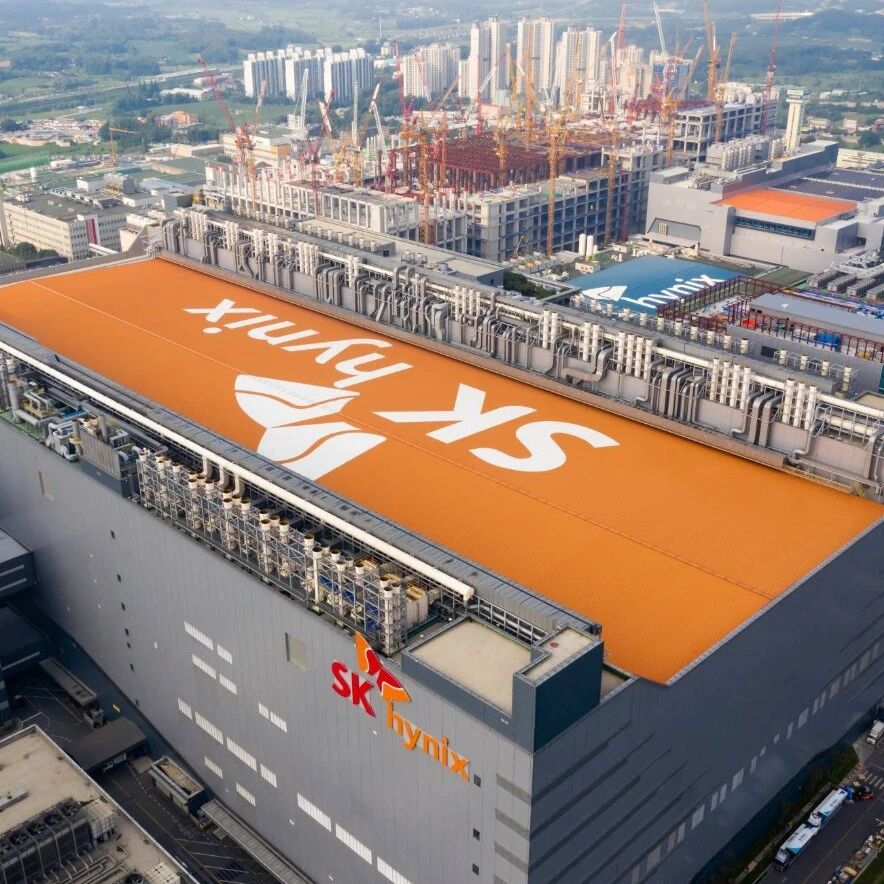
Group 1 - The article highlights the impact of the Middle East conflict on the semiconductor industry, particularly the supply risks of critical materials such as helium, diluents, ethanol, and isopropanol (IPA) [2] - Helium prices have surged over 50% recently, prompting major South Korean semiconductor manufacturers like Samsung Electronics and SK Hynix to prioritize securing inventory at current market prices, focusing on supply stability over cost considerations [2] - The reconstruction of the Ras Laffan Industrial City may take years even if peace negotiations are successful, indicating that supply shortages and price volatility will pose medium to long-term risks for the semiconductor sector [4] Group 2 - Helium is described as a "golden gas" and a critical inert resource in the semiconductor industry, with Qatar supplying about one-third of the global helium supply [4] - The recent attacks on the Ras Laffan Industrial City have damaged LNG infrastructure, potentially disrupting long-term supply contracts, and there are currently no substitutes for helium in semiconductor manufacturing [4] - Despite TSMC and UMC achieving helium recovery rates of 60% to 75%, approximately 25% of helium loss still needs to be supplemented through imports, with significant energy consumption associated with recovery systems [4]
3 Artificial Intelligence (AI) Stocks That Could Help Set You Up for Life
The Motley Fool· 2026-03-30 04:00
Industry Overview - Global data center spending is projected to reach $1.7 trillion by 2030, with AI companies expected to increase capital spending by around 50% or more in 2026, indicating significant opportunities for chipmakers and data center builders [1]. Company: Nvidia - Nvidia is a leading player in the AI infrastructure market, selling GPUs, computing systems, and software essential for training AI models and deploying cloud applications [2]. - The company's data center segment revenue grew 75% year over year last quarter and 22% sequentially, indicating strong momentum [3]. - Nvidia's market cap stands at $4 trillion, supported by high margins from data center chip sales, with a trailing-12-month net income of $120 billion [4]. - Cumulative purchase orders for Nvidia's GPUs are expected to exceed $1 trillion through 2027, suggesting solid long-term returns despite a current trading valuation of 21 times this year's consensus earnings estimate [5]. Company: Nebius Group - Nebius Group is emerging as a top data center builder, having signed multibillion-dollar deals with leading AI companies to expand compute capacity [7]. - The company reported a 547% year-over-year revenue increase in Q4, with an annualized run rate revenue of $1.2 billion, and expects to reach $7 billion to $9 billion by the end of 2026 [8]. - Nebius builds its own data centers, which helps reduce costs, and reported a 24% adjusted EBITDA margin in Q4 2025, more than doubling over the past two years [9]. Company: Hut 8 - Hut 8 focuses on securing large-scale power for its data center pipeline, which is crucial for building new data centers [12]. - The company signed a 15-year, $7 billion deal with Fluidstack and Anthropic, backed by Google, to supply an initial 245 megawatts of power, with plans for over 2 gigawatts of capacity [13]. - Hut 8 is developing an 8.5 gigawatt pipeline, indicating significant growth potential, supported by project financing from major firms like JPMorgan and Goldman Sachs [14]. - The company's market cap of $5.8 billion appears low relative to the value of its Anthropic deal, suggesting long-term upside potential as demand for AI infrastructure grows [15].




特斯拉将建超级芯片工厂
新华网财经· 2026-03-30 03:39
Core Viewpoint - Tesla is launching the TERAFAB super chip factory project, aiming to produce over 1 terawatt (1TW) of computing power annually, which is approximately 50 times the current global annual AI chip computing power output [2]. Group 1: Project Overview - The TERAFAB project is expected to have an annual production capacity of 100 billion to 200 billion advanced AI and storage chips, with a total investment of approximately $20 billion [8]. - The project will be implemented in three phases: 1. Ground verification phase from 2026 to 2028, establishing the first TERAFAB prototype factory with a capacity of 100 gigawatts (GW) [8]. 2. Full production sprint phase from 2029 to 2032, ramping up to 1 terawatt of total computing power, with 80% of capacity directed towards space applications [8]. 3. Autonomous factory and infrastructure development phase from 2033 to 2040, integrating energy, computing power, AI, and aerospace into a cross-planetary closed loop [8]. Group 2: Chip Demand and Supply - Current global AI computing capacity is about 20 gigawatts annually, while Tesla's existing operations require over 100 billion chips each year [6]. - If Tesla's Optimus robot achieves its target of producing 1 billion units annually, chip demand will reach 50 times that of current automotive operations, with existing wafer fab capacity only meeting 2% of Tesla's needs [6]. - The TERAFAB project is essential for meeting Tesla's chip requirements, as stated by Musk: "We either build TERAFAB, or we have no chips" [6]. Group 3: Technological Path and Cost Efficiency - The TERAFAB project will cover the entire industry chain from logic chips, storage chips to advanced packaging, targeting a 2-nanometer advanced process [9]. - Two main product lines will be developed: 1. "AI5" and subsequent "AI6" chips optimized for edge computing, used in Tesla's Full Self-Driving (FSD) system and Optimus robots [9]. 2. High-performance "D3" chips designed for extreme space environments, supporting SpaceX's Starlink network and Starship program [9]. - Once operational, the TERAFAB project is expected to reduce chip costs by 50% to 70%, with computing power electricity costs being only 1/3 to 1/5 of ground photovoltaic systems, and product iteration speed increasing by 2 to 3 times [9].


NVIDIA Vs Amazon: Panel Regression Reveals NVIDIA Structural Strength (NASDAQ:NVDA)
Seeking Alpha· 2026-03-30 03:20
Core Insights - The article discusses the author's extensive experience in financial analysis, particularly in evaluating market trends and investment opportunities [1]. Group 1 - The author has a long position in NVDA shares, indicating a positive outlook on the company's stock performance [2]. - The article emphasizes the importance of well-researched analysis in making informed investment decisions [1]. - The author is not receiving compensation for the article, suggesting an independent perspective on the analysis provided [2]. Group 2 - The article clarifies that past performance does not guarantee future results, highlighting the inherent uncertainties in investment [3]. - It notes that the views expressed may not reflect those of Seeking Alpha as a whole, indicating a diversity of opinions among analysts [3]. - The article mentions that analysts may not be licensed or certified, which could impact the credibility of the analysis [3].

中国半导体自给率能实现80%吗?
日经中文网· 2026-03-30 03:10
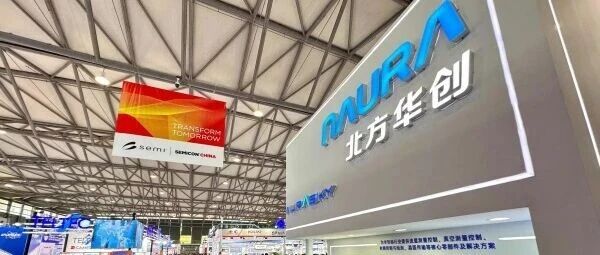
Core Viewpoint - Chinese semiconductor companies aim to achieve an 80% self-sufficiency rate by 2030, as highlighted during the SEMICON China event, despite current projections indicating a self-sufficiency rate of only 33% by 2024 [2][6][7]. Group 1: Industry Developments - Major Chinese semiconductor firms, including North Huachuang and Yangtze Memory Technologies, are accelerating technology research and expanding production capacity [2][4]. - North Huachuang announced new products utilizing advanced nanometer-level technology, reflecting its commitment to high-end semiconductor equipment [4]. - AMEC, another key player, introduced manufacturing equipment for logic semiconductors with a line width of less than 5 nanometers, aiming to increase its high-performance product offerings to over 60% in the next 5-10 years [4]. Group 2: Government Initiatives - The Chinese government has positioned semiconductors as a strategic sector in its 2026-2030 five-year plan, emphasizing self-reliance in technology [6]. - Premier Li Qiang stated the intention to cultivate semiconductors as a pillar of emerging industries, aligning with the industry's push for increased domestic supply chain capabilities [6]. Group 3: Future Projections - The semiconductor industry is expected to see a significant increase in domestic production capacity, with projections indicating that China's share of global semiconductor capacity will rise from 25% in 2024 to 42% by 2028 [7]. - Companies like Yangtze Memory Technologies are expanding their manufacturing footprint, with plans for a new factory in Wuhan to be operational by the end of 2026 [7]. Group 4: Geopolitical Context - Geopolitical factors are influencing the global semiconductor landscape, with a potential bifurcation between Chinese and American semiconductor industries [9]. - The U.S. has increased scrutiny on technology transfers to China, prompting domestic firms to strengthen their supply chains [6][9].



Dow Jones Futures Fall, Oil Prices Above $100 Amid Trump's Iran War Comments
Investors· 2026-03-30 03:05
Market Overview - Major indexes fell for the fifth consecutive week, reaching six-month lows, with the Dow Jones Industrial Average down 0.9%, S&P 500 down 2.1%, and Nasdaq composite down 3.2% [6][19] - Oil prices surged to around $100 per barrel after initially diving, with U.S. crude oil futures closing at $99.64, the highest since July 2022, and later exceeding $101 [8][19] - Treasury yields rose, with the 10-year Treasury yield increasing by five basis points to 4.44%, marking a 48 basis point rise over the past four weeks [7][19] Sector Performance - Chip stocks, including Sandisk and Micron Technology, faced significant sell-offs due to long-term demand fears, with Micron stock dropping 15.5% and Sandisk down 13.2% [14][15] - Energy sector showed strength, with the Energy Select SPDR ETF rising 5.5% and Peabody Energy stock gaining 5.9% to reach a multiyear closing high [10][13] - Other sectors like healthcare and financials experienced declines, with the Health Care Select Sector SPDR Fund down 1.4% and the Financial Select SPDR ETF down 2.6% [10] Notable Stocks - Caterpillar stock rose 2.1% but closed just below its 50-day line, with a potential buy point of 789.91 [11] - TJX stock edged up 0.1% but also closed below its 50-day line, with a new flat base buy point of 162.68 potentially forming [12] - Tesla is set to release first-quarter global deliveries, with estimates for 365,645 units, down 12.5% from the previous quarter but up 8.6% year-over-year [16][17]
中信证券:AI推理带动存储需求爆发 持续看好存储创新成长趋势
智通财经网· 2026-03-30 02:05
Core Viewpoint - The report from CITIC Securities indicates that the Agent AI era is driving a paradigm shift in the storage industry, with supply and demand dynamics leading to a long-term shortage expected to last until 2027, alongside price increases throughout 2026 [1][2][3]. Supply and Demand Dynamics - AI inference is causing a surge in storage demand, with server shipments expected to increase by 15% year-on-year in 2026, and AI servers projected to account for over 20% of total server shipments [2]. - The demand for KV Cache is expected to explode, with its usage increasing from 0.5GB to 64GB as sequence lengths rise from 1k to 128k tokens, leading to a linear increase in storage demand [2]. - Supply constraints are exacerbated by manufacturers prioritizing high-margin AI storage products, with advanced DRAM capacity expected to rise from under 50% in 2024 to over 85% by 2026 [3]. Market Trends and Innovations - The 2026 China Flash Memory Summit will focus on storage innovations and opportunities in the AI era, featuring participation from major global companies [1]. - The storage industry is undergoing a value reconstruction, with a shift from cost competition to securing product availability, as highlighted by the "Token Factory Economics" presented by NVIDIA [4]. - The emergence of high-capacity QLC products is becoming critical, with companies like Kioxia and SanDisk showcasing solutions exceeding 200TB, optimizing space efficiency and total cost of ownership (TCO) [6]. Technological Advancements - The role of eSSD is evolving from a passive data container to a core computing engine, significantly enhancing GPU efficiency during training and inference phases [5]. - Innovations in interface technology, such as the introduction of PCIe 6.0 SSDs, are set to dramatically improve input/output performance, addressing the challenges posed by large-scale GPU clusters [6]. - The trend towards "storage-compute integration" is crucial for overcoming memory bottlenecks in edge computing and AI applications, with advancements in hybrid technologies reducing DRAM requirements significantly [7][8].

未知机构:ST赛为300044深度推荐重整加速芯片资产注入困境反转高弹性标的032-20260330
未知机构· 2026-03-30 01:35
Summary of Company and Industry Insights from Conference Call Company Overview - **Company**: ST Saiwei (Stock Code: 300044) - **Industry**: Semiconductor and AI Drone Technology Key Points 1. Restructuring Progress and Investment - The certainty of restructuring has significantly increased with the involvement of strong industrial and financial consortiums - On February 13, 2026, the creditors' meeting unanimously approved the selection of Shenzhen Daen Chip Storage and China Merchants Ping An Capital as restructuring investors, marking a substantial advancement in the pre-restructuring phase [1] - Daen Chip Storage has a semiconductor industry background and is leading the injection of Datang Group's chip assets, creating a closed loop in "AI + storage + automotive" industries [1] - China Merchants Ping An, a central enterprise AMC with a registered capital of 3 billion, is providing over 500 million in debt repayment funds and professional support for debt restructuring, covering approximately 700 million in debt, significantly reducing restructuring risks [1] 2. Timeline for Restructuring - A draft restructuring plan is set to be submitted by the end of March, with court rulings and annual report disclosures to proceed in April, indicating a high probability of completing the restructuring within the year [2] 3. Core Business and Technological Strengths - The company possesses deep technical barriers in its core business, particularly in military and AI drone sectors, which are currently experiencing high demand - Key self-developed technologies include drone engines, flight control systems, and AI algorithms, with over 50 patents, and a leading international technology for tethered drones capable of 72 hours of continuous flight [2] - Recent contracts include a 350 million yuan military contract for reconnaissance and transport, a fivefold increase in efficiency for power inspection, and a 40% cost reduction; also secured a contract for 100 agricultural drones with the UAE [2] - Production capacity is supported by three mass production lines, with clients including State Grid, Southern Power Grid, and CRRC Group, projecting a recovery in core business revenue to 130-150 million yuan by 2026 [2] 4. Chip Asset Injection and Earnings Potential - The first phase of chip asset injection in 2026 involves acquiring 70% equity in Hefei Datang Storage, focusing on secure storage and SSD controllers, with a net profit commitment of at least 300 million yuan from 2026 to 2028 [2] - The second phase in Q1 2027 will include the injection of automotive-grade chips from Datang NXP, with a net profit commitment of at least 450 million yuan from 2027 to 2029 [2] - The synergy between existing AI/smart city technologies and newly injected chips will create a closed loop in computing power, storage, and automotive sectors, aligning with Shenzhen's semiconductor cluster strategy [2] 5. Financial Projections - In an optimistic scenario, the core business is expected to generate 130 million yuan in revenue from drone and AI operations in 2026, with a net profit margin of 15%, contributing 20 million yuan in net profit; projected revenue of 200 million yuan and net profit of 30 million yuan in 2027 [3] - The Datang Storage asset injection is anticipated to contribute 120 million yuan in revenue and 50 million yuan in net profit in the second half of 2026, with projections of 300 million yuan in revenue and 100 million yuan in net profit in 2027, and 500 million yuan in revenue and 150 million yuan in net profit in 2028 [3] - The automotive-grade chip injection is expected to contribute 100 million yuan in net profit in 2027 and 180 million yuan in 2028 [3] 6. Investment Recommendations - The company is transitioning from the brink of delisting to a high-tech enterprise driven by "AI + chips," with a complete overhaul of its valuation system - Profit forecasts for 2026-2028 are 70 million, 230 million, and 360 million yuan, respectively, indicating a compound growth rate exceeding 100% [3] - Current market capitalization stands at 5.867 billion yuan, corresponding to a PE ratio of only 25X for 2027, significantly lower than the semiconductor industry average of 60X, indicating substantial recovery potential [3] - Key catalysts include the submission of the restructuring plan by the end of March, court acceptance in April, and the mid-2026 completion of the Datang Storage asset injection [3] 7. Risk Factors - Risks include the potential failure of the restructuring plan to gain approval from creditors or the court, asset injections falling short of expectations, and fluctuations in the semiconductor industry’s market conditions [5]
