大豆种植与贸易

Search documents
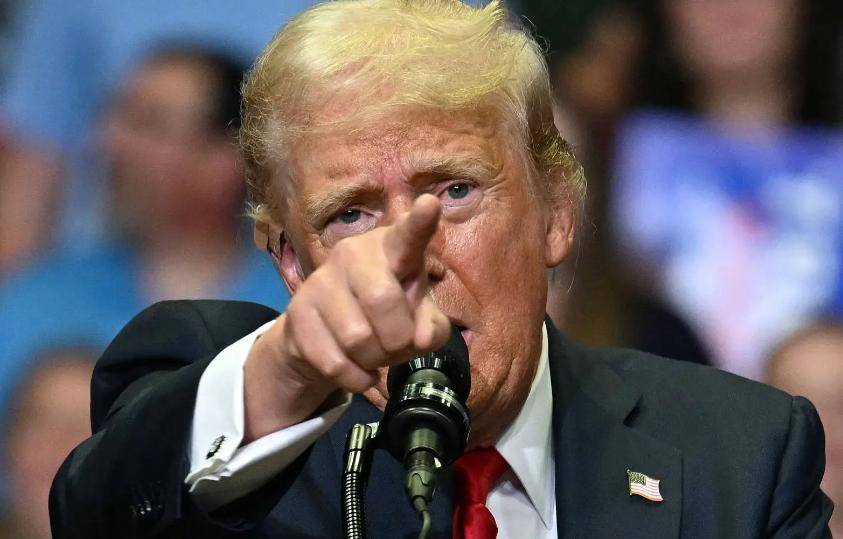
特朗普要求被拒绝,巴西数钱到手软,美国2200万吨库存销不掉
Sou Hu Cai Jing· 2025-08-24 04:04
Group 1 - Trump has called for China to increase its soybean orders to four times the current amount, promising "fast service," which led to a spike in soybean prices at the Chicago futures exchange, reaching a two-week high [1] - China is the largest importer of soybeans globally, but its purchasing pace this year is the slowest since 2005, raising concerns among U.S. farmers and traders about market prospects [1][2] - The U.S. soybean industry is attempting to reduce its dependence on the Chinese market, but the significant market share of China remains crucial [3] Group 2 - In 2024, China's soybean imports are projected to reach 105 million tons, with only 22.13 million tons coming from the U.S., a 5.7% decrease year-on-year, while imports from Brazil are expected to rise by 6.7% to 74.65 million tons [2] - The U.S. soybean industry is facing a challenge in clearing over 22 million tons of accumulated soybean inventory [3] - Despite the 90-day extension of the tariff suspension, the trade situation remains uncertain, with China accelerating its imports from Brazil to mitigate risks [6]

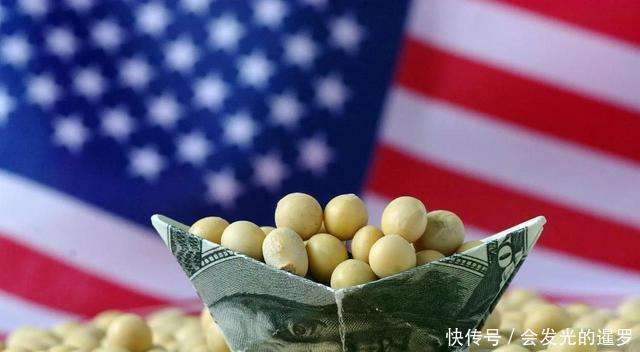
特朗普求情没用,40艘货轮驶向中国,800万吨粮没有一粒来自美国
Sou Hu Cai Jing· 2025-08-19 05:13
Group 1 - The core issue is the significant decline in U.S. soybean exports to China, leading to an accumulation of soybeans in U.S. storage facilities [3][5][11] - President Trump's request for China to increase soybean purchases by four times reflects the urgency of the situation, as U.S. farmers face unsold stock [3][5] - The trade tensions initiated by the "tariff war" have disrupted the traditional soybean trade between the U.S. and China, prompting China to seek alternative suppliers from South America [5][9][16] Group 2 - China has already secured soybean orders from South America, with approximately 8 million tons confirmed for September, indicating a shift away from U.S. soybeans [9][11] - The current soybean prices in the U.S. are declining, yet there are still few buyers, exacerbating the situation for American farmers [11][13] - China's diversification in trade relationships and the potential for increased orders from Argentina suggest that the U.S. may struggle to regain its market share in the soybean sector [13][16][18]
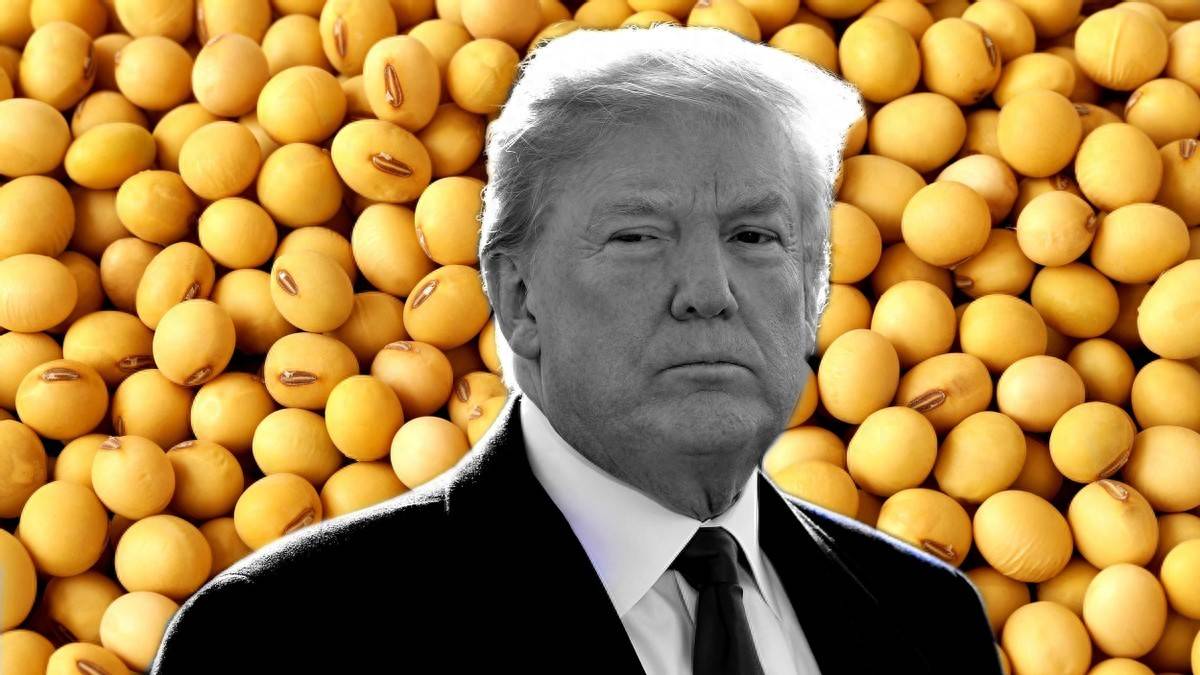
特朗普求情也不管用,中国这次不买了!美国700万吨大豆恐烂在地里,大赢家浮出水面
Sou Hu Cai Jing· 2025-08-19 03:40
Core Viewpoint - The U.S. soybean industry is facing significant challenges as China reduces its imports, leading to a potential surplus of 7 million tons of U.S. soybeans, while Brazil emerges as a major beneficiary in the soybean trade [1][3]. Group 1: U.S. Soybean Industry - The U.S. soybean industry has historically relied on the Chinese market, with China importing 221.4 million tons of soybeans from the U.S. in 2024, accounting for 21.1% of total imports [1]. - The U.S. soybean farmers are experiencing a critical situation as the harvest season approaches, but China has closed its market, prompting concerns from U.S. officials [1][5]. - The U.S. agricultural sector's dependency on China has not improved over the past decade, leading to vulnerabilities in the supply chain [5][7]. Group 2: China's Soybean Procurement Strategy - China has implemented a "Soybean Revitalization Plan" to boost domestic production and reduce reliance on imported soybeans, while also diversifying its import sources [3]. - Brazil's soybeans can enter China duty-free, making them more competitive in terms of pricing and supply stability compared to U.S. soybeans [3][5]. - China's procurement rhythm has shifted, with orders completed earlier in the year, indicating a strategic change in sourcing [5]. Group 3: Brazil's Position in the Market - Brazil has become the world's largest soybean producer and exporter, with exports to China valued at $19 billion in the first half of the year, representing 74.6% of its total soybean exports [5]. - The increase in Brazil's soybean production is driven by rising international demand and improved yield per hectare [5][7]. - Brazil's strong political and trade relationships with China have further solidified its position in the global soybean market [3][7].
美国大豆滞销,特朗普催促中国下单,我们精准砸掉他的基本盘
Sou Hu Cai Jing· 2025-08-18 13:30
Core Viewpoint - The recent U.S.-China trade dynamics, particularly regarding soybean exports, reveal deep-rooted challenges in U.S. agricultural exports, with China shifting its sourcing strategy away from U.S. soybeans due to tariffs and market conditions [1][3][5]. Group 1: U.S. Soybean Export Challenges - Approximately 50% of U.S. soybean production relies on exports, with China historically accounting for 60% of these exports [3]. - U.S. soybean prices have plummeted to a five-year low due to significant unsold inventory, highlighting the impact of political pressure on market dynamics [3][5]. - The U.S. soybean market share in China has drastically decreased from 60% to 21%, indicating a significant loss of market presence [7]. Group 2: China's Strategic Response - China has developed a procurement strategy focused on South American soybeans, with 71% of its soybean imports in 2024 expected to come from Brazil [5][12]. - Advanced gene sequencing technology has been implemented by China to prevent the import of U.S. soybeans disguised as South American products, ensuring traceability and authenticity [10][12]. - China's investments in South American infrastructure have improved the efficiency of soybean imports, further diminishing the competitiveness of U.S. soybeans [14]. Group 3: Political and Economic Implications - The U.S. agricultural sector, particularly soybean farmers, faces severe financial distress due to the ongoing trade war, with losses exceeding $270 billion since 2018 [18][20]. - Trump's trade policies have not only failed to reduce the trade deficit but have also exposed vulnerabilities in U.S. agriculture, leading to a potential permanent loss of the Chinese market [20][23]. - The contrasting economic strategies of China and the U.S. highlight a fundamental clash, with China focusing on market-driven supply chains while the U.S. attempts to leverage political pressure [22].
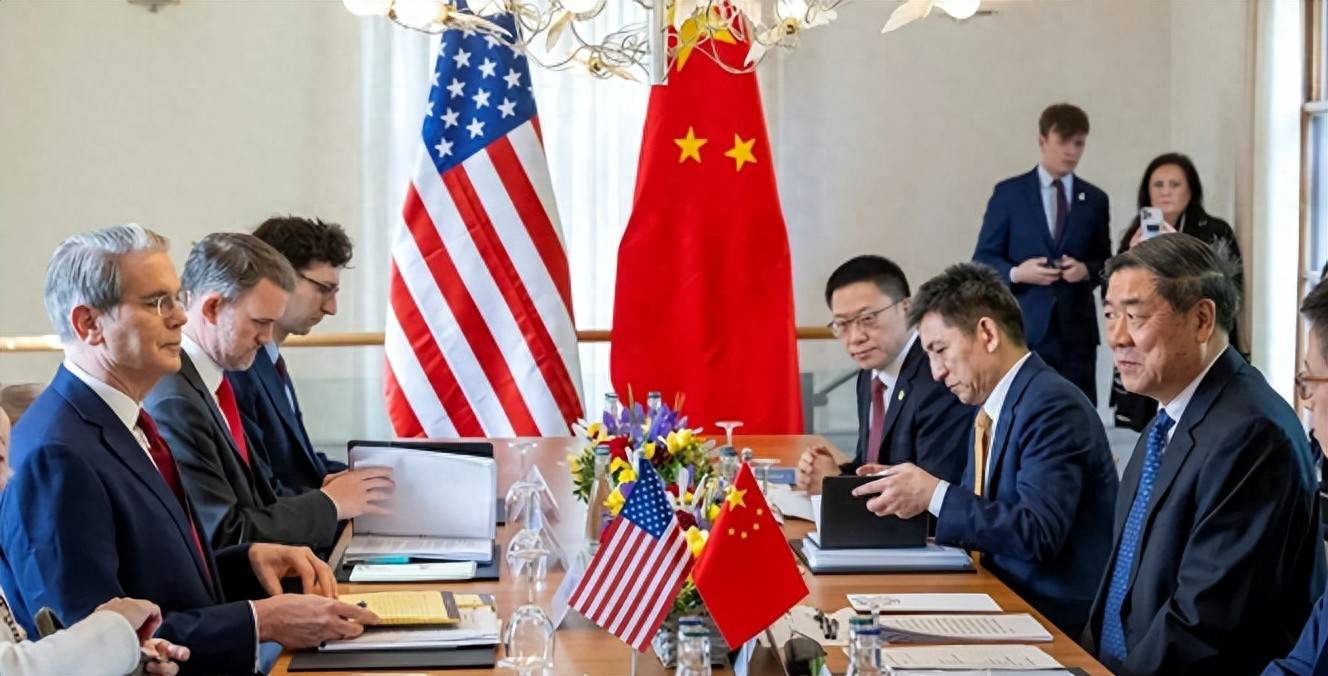
继稀土之后,美国又一关键行业被中国卡脖子,法国人一脸的嫉妒
Sou Hu Cai Jing· 2025-08-18 03:49
Core Points - The U.S.-China trade war initiated in April has led to short-term gains for the U.S., but has ultimately placed it in a more precarious position [1][3] - Trump's fluctuating stance on tariffs and trade negotiations has created confusion and uncertainty regarding U.S. leadership [3][6] - China's strategic shift away from U.S. soybean imports has been a significant development, as it now seeks alternatives from countries like Brazil [5][8] Group 1: Trade Dynamics - The U.S. has become increasingly reliant on China for soybean exports, with over 60% of U.S. soybean exports going to China [5][8] - In 2024, China's total soybean imports are projected to reach 105 million tons, with only 21% coming from the U.S., indicating a significant shift in import sources [8][10] - The trade value between the U.S. and China in the soybean sector has reached 85.648 billion RMB, but aggressive U.S. policies have led to a restructuring of China's import strategy [8][10] Group 2: Market Reactions - U.S. farmers initially expected to benefit from Chinese demand but are now facing challenges due to China's pivot to other suppliers [7][10] - Trump's recent comments about increasing soybean orders from China reflect a recognition of the importance of this market for U.S. agriculture [10][12] - The reliability and trustworthiness of trading partners have become critical factors for China in its soybean procurement strategy [12]