机器人租赁

Search documents
拓展C端应用场景 擎天租上线“999元全民机器人体验计划”
Bei Jing Shang Bao· 2026-02-09 02:31
Core Insights - The article highlights the launch of the "999 Yuan National Robot Experience Plan" by Qingtian Rental, aimed at providing C-end users with various robot experiences for occasions like Spring Festival greetings, Valentine's Day proposals, and birthday celebrations [1] Company Developments - Qingtian Rental has introduced a mini-program featuring popular robot scenarios, enhancing user engagement by allowing them to experience robots in real-life situations [1] - The company is collaborating with Zhiyuan Robotics to explore more opportunities for integrating robots into everyday life, as demonstrated by the large-scale robot event "Robot Wonderful Night" [1] Market Trends - There is a noticeable increase in robot rental orders on the Qingtian Rental platform, with a reported 30% week-on-week growth in orders during the first week of February 2026, primarily driven by demand for festive events, corporate annual meetings, and cultural tourism interactions [1] - The trend indicates a shift in the perception of robots from mere displays to active participants in social interactions, enhancing emotional expression and creating a sense of ritual [1]

从单纯设备出租到专业服务 机器人租赁市场有点“燃”
Yang Shi Wang· 2026-02-08 22:35
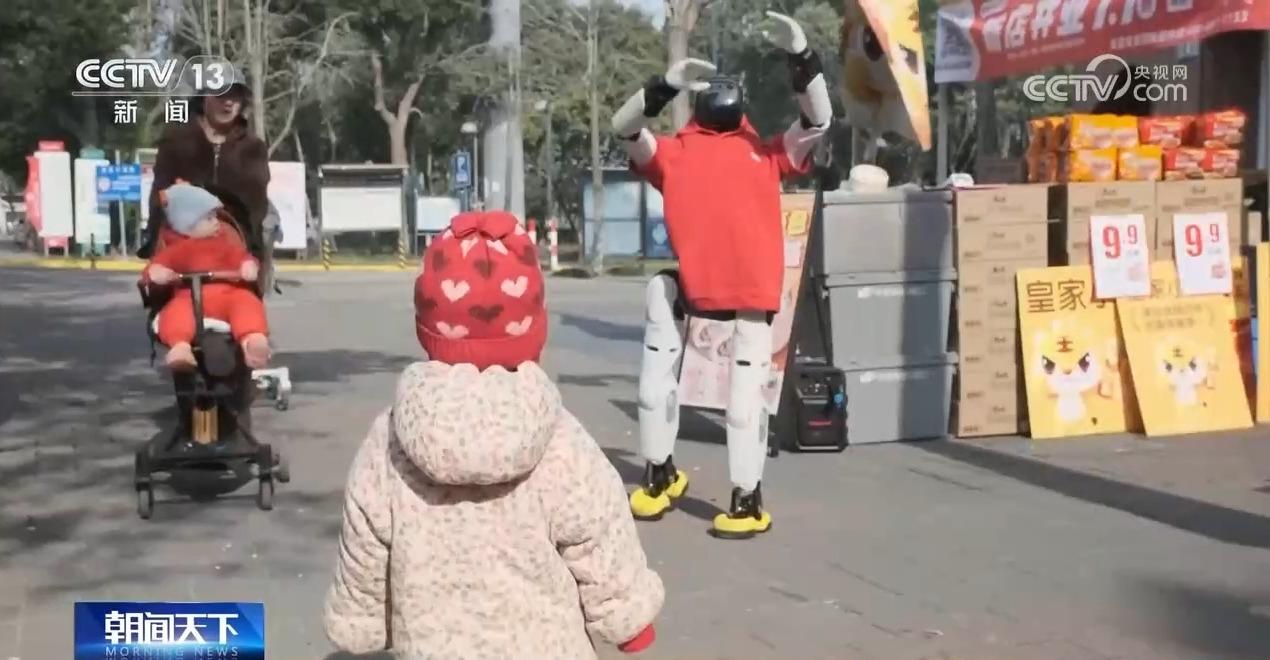
Core Viewpoint - The emerging trend of "robot rental" services is experiencing explosive growth in the market, particularly as the Spring Festival approaches, with robots being utilized in various consumer settings to enhance customer engagement and service efficiency [1][3][5] Group 1: Market Growth - The robot rental service has rapidly gained popularity, with platforms deploying over 2,000 robots across 200 cities in China [5] - The demand for robots has surged, especially during the Spring Festival, leading to a situation where robots are in high demand and difficult to obtain [5] Group 2: Consumer Engagement - In a newly opened smart restaurant in Beijing, robots are actively involved in delivering food and engaging with customers, showcasing their role in enhancing the dining experience [1] - In Shanghai, a convenience store utilized a dancing robot to attract crowds, highlighting the robots' ability to generate social interest and foot traffic [3] Group 3: Service Evolution - The robot rental market is evolving from simple equipment leasing to offering comprehensive service solutions tailored to specific application scenarios [3] - Companies are working to increase production capacity to meet the growing demand, with an expectation to deploy over 4,000 robots by the end of February [5]

年会来了,机器人疯狂打工
凤凰网财经· 2026-02-08 10:20
以下文章来源于定焦One ,作者定焦One团队 定焦One . 深度影响创新。 来源丨定焦One 作者 | 王璐 编辑 | 魏佳 年关将至,最忙的除了打工人,还有机器人。在租赁市场上,人形机器人正成为各类活动的热门选 择。 这股风潮,自2025年春晚舞台上身穿花棉袄扭秧歌的机器人开始,短短一年间,它们从屏幕蔓延到 现实,频繁现身企业年会、商场开业与文旅活动现场,扮演起"流量担当"。 不只是在春晚舞台,在线下,人形机器人租赁的需求也颇为旺盛。与央视主持人合拍宣传片、登上 大学联欢晚会,在企业年会跳《大花轿》、进影视剧组表演咏春拳,这些日薪高达数千甚至上万元 的"硅基打工人",早已加入赶场大军。 但热闹之下,问题也随之出现。最常见的包括价格体系混乱、服务标准不一、宣传效果与实际表现 不符,甚至出现"花万元租机器人,台上只跳三分钟"的落差感。 看似繁荣的租赁需求,究竟是人形机器人走向商业化的一条通路,还是仅仅由年会、商演等短期场 景托起的泡沫?机器人租赁,是一门真正可持续的生意吗? 01 年会旺季到来,机器人比人还忙 "能跳《大花轿》还会后空翻的(人形机器人租赁方)联系我,需要4台。" 这样的需求,最近频繁出现在「 ...

日入5000元,武汉这些“日结工”忙到飞起!订单排到年后,很多公司抢着要
Huan Qiu Wang Zi Xun· 2026-02-06 06:57
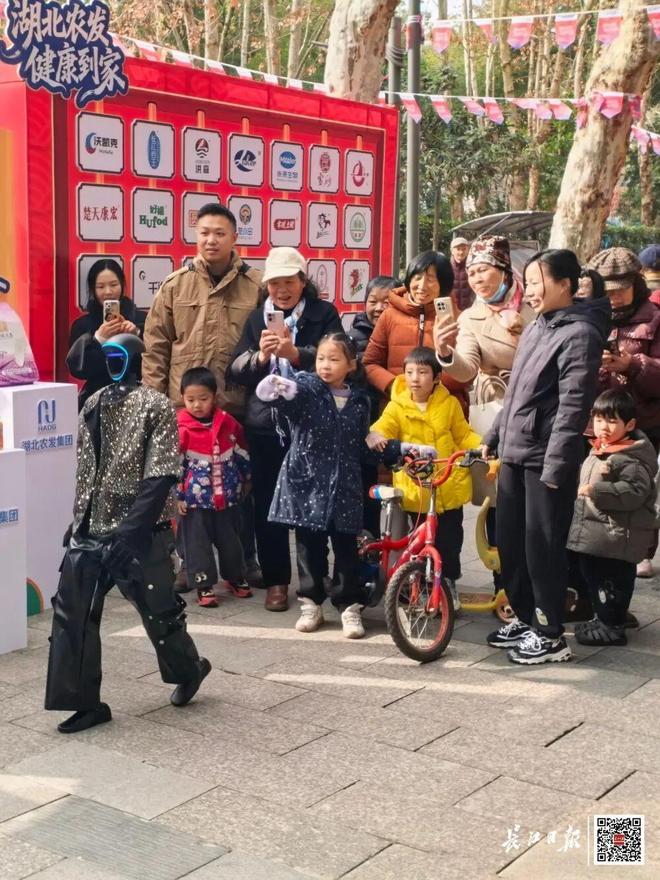
Core Viewpoint - The demand for robots in various events and activities has surged, with rental orders extending into the post-Spring Festival period, highlighting their growing popularity and integration into social events [1][14]. Group 1: Market Demand and Trends - Robots are increasingly being utilized in corporate events, shopping mall promotions, and cultural tourism activities, with daily rental rates averaging around 5000 yuan [1][14]. - The rental business for robots has doubled since mid-January, with some days seeing up to five events in Wuhan alone [8][10]. - Companies are experiencing high demand, with rental orders already scheduled until after the Spring Festival, indicating a booming market [7][10]. Group 2: Company Operations and Challenges - Peak customer demand has led to challenges in fulfilling orders, with companies like Fengke (Wuhan) Technology Co., Ltd. struggling to meet the needs for additional robots [3][10]. - The company has nine robots and ten robotic dogs, but the current demand exceeds their supply, prompting them to seek additional resources [8][10]. - The rental business is so busy that some companies have had to turn down orders, indicating a competitive market landscape [10][11]. Group 3: Pricing and Economic Factors - The daily rental price for robots has seen fluctuations, with recent increases of about 20% due to high demand during the festive season [14][16]. - Basic models of robots can be rented for as low as 3000 yuan, while more advanced models can cost up to 8000 yuan per day [14][16]. - The rental market is characterized by seasonal variations, with prices typically rising during peak periods like the Spring Festival [16]. Group 4: Technological Integration and Future Outlook - Robots are becoming a significant element in various events, enhancing the atmosphere and serving as effective marketing tools [14][16]. - The integration of robots into social activities is seen as a natural progression of technological advancement and societal development [16].
“阿里系”前高管加盟 擎天租启动全国城市合伙人战略
Zhong Guo Jing Ying Bao· 2026-02-04 06:35
Group 1 - The core viewpoint of the news is that Qingtian Rental has completed a significant management restructuring and is launching a national city partner strategy to enhance its operational efficiency and expand its service network [1][2]. Group 2 - Qingtian Rental has appointed Li Liheng as Co-President and Wang Mingfeng as Chief Strategy Officer, both of whom bring extensive experience in market expansion and strategic design [1]. - The company aims to build a city partner team and provide systematic empowerment to local service providers through organizational construction and standardized operational systems [1]. - Qingtian Rental's platform has registered over 200,000 users within three weeks of launch, with daily rental orders exceeding 200, indicating a shift towards scalable commercial use of robotic services [2].
阿里“铁军”元老入局,“机器人滴滴”打响地面网络攻坚战
Sou Hu Cai Jing· 2026-02-03 23:18
Core Insights - The competition in the robot rental industry has shifted from laboratory testing to operational efficiency, with the announcement of two key executives joining the platform Qingtian Rental [1][3] - The recruitment of these executives signifies Qingtian Rental's transition from rapid growth to addressing the challenges of scaling its operations effectively [3] Group 1: Executive Appointments - Li Liheng, known as "Black Cat Sheriff," has joined as Co-President, bringing extensive experience from Alibaba's "Zhonggong Iron Army," which is recognized for its execution and expansion methodologies [5][6] - Wang Mingfeng, known as "Tianxiang," has been appointed as Chief Strategy Officer, focusing on standardizing operations and scaling the national network for Qingtian Rental [6] Group 2: Business Model and Market Demand - Qingtian Rental's business model is likened to "Didi in the robot industry," offering a standardized, low-cost, scalable robot-as-a-service through a shared rental model [8] - The platform has seen significant initial success, with over 200,000 users and daily orders exceeding 200 within three weeks of launch, indicating strong market demand [9] Group 3: Operational Challenges - The transition to a rental model introduces complexities beyond simple online transactions, including logistics, installation, troubleshooting, training, and maintenance, all of which are critical for customer satisfaction [11][13] - The industry has historically focused on technology development, but the shift to rental services requires a comprehensive operational support system to ensure consistent service quality across different regions [13] Group 4: Importance of Ground Operations - Successful platform companies in China have established efficient, replicable, and controllable ground operation systems, which are essential for national expansion [15][17] - Qingtian Rental's "National City Partner Strategy" aims to create a standardized operational framework to integrate dispersed service resources, addressing regional service inconsistencies [17][18] Group 5: Industry Transformation - The recruitment of Li Liheng and Wang Mingfeng, along with Qingtian Rental's focus on building a robust ground network, reflects a broader trend in the robot industry shifting from a technology-centric approach to an ecosystem-oriented strategy [18] - This ground network initiative is seen as a pivotal battle for Qingtian Rental and a transformative moment for the robot industry's ecosystem, emphasizing the need for collaboration and resource integration to enhance productivity [18]

从“万元日租”到“千元肉搏”: 人形机器人租赁上演价格与生存战
Bei Ke Cai Jing· 2026-02-03 10:25
Core Insights - The humanoid robot rental market is experiencing significant changes, with a notable shift in brand competition and pricing dynamics driven by upcoming events like the 2026 Spring Festival [2][15][21]. Group 1: Market Dynamics - Several rental companies report that orders are already scheduled until the Spring Festival, indicating a steady demand despite fluctuations in daily bookings [1]. - The humanoid robot rental market has seen a drastic price drop, with rental prices for certain models falling from 20,000 yuan per day to around 5,000 yuan, reflecting a significant market correction [17][22]. - The entry of large platforms like Qingtian Rental and Wanjiyizu has intensified competition, leading to a "price war" that has further compressed profit margins for smaller rental companies [26][29]. Group 2: Brand Competition - Utree currently holds a dominant market share of approximately 70%, but competitors like Zhiyuan are gaining traction, especially as they offer better customization options for clients [8][10]. - The upcoming 2026 Spring Festival is viewed as a critical opportunity for brands to showcase their robots' capabilities, which could influence market positioning for the following year [15]. - Rental companies are diversifying their offerings by incorporating multiple brands to adapt to changing market conditions and consumer preferences [14][33]. Group 3: Operational Challenges - The rental business model involves not only the rental of robots but also considerations for after-sales service and operational expertise, which are crucial for successful performances [13][23]. - Many rental companies are now focusing on local markets and adjusting their operational strategies to cope with the declining rental prices and increased competition [34][32]. - The industry is characterized by a lack of standardization in pricing, leading to confusion and challenges for rental companies trying to establish a sustainable business model [25][21].

阿里“铁军”元老入局,“机器人滴滴”打响地面网络攻坚战
机器人大讲堂· 2026-02-03 10:07
Core Viewpoint - The article highlights the strategic shift of Qingtian Rental, a robot leasing platform, as it transitions from rapid growth to a focus on operational efficiency and scalability, marked by the recruitment of key executives from Alibaba [1][3]. Group 1: Executive Recruitment - Qingtian Rental has appointed Li Liheng, a legendary figure from Alibaba's "Zhonggong Iron Army," as Co-President, and Wang Mingfeng, an expert in Alibaba's management philosophy, as Chief Strategy Officer [1][4][6]. - Li Liheng is known for his role in building a highly effective operational team within Alibaba, which has influenced the national expansion strategies of various platform companies [4][5]. - Wang Mingfeng specializes in strategic design and organizational replication in complex business scenarios, focusing on standardizing operations and scaling the network for Qingtian Rental [6]. Group 2: Business Model and Market Demand - Qingtian Rental's business model is likened to "Didi of the robot industry," integrating resources through a shared leasing model to provide standardized, low-cost, and scalable robot-as-a-service solutions [7]. - The platform has seen rapid user adoption, with over 200,000 users and an average of more than 200 daily orders within three weeks of launch, indicating strong market demand [7]. Group 3: Operational Challenges - The article discusses the inherent challenges in scaling the robot leasing model, which involves complex logistics, installation, troubleshooting, training, and maintenance processes that are critical to customer experience [9][11]. - The focus has shifted from hardware performance to operational execution, emphasizing the need for a comprehensive support system covering the entire rental process [11]. Group 4: Importance of Ground Operations - Successful platform companies in China have established efficient, standardized ground operation systems that enable nationwide expansion, as seen with Didi, Meituan, and Ele.me [12][14]. - Qingtian Rental aims to build a standardized operational framework through its "National City Partner Strategy," addressing regional service disparities and enhancing responsiveness [14]. - The integration of Li Liheng and Wang Mingfeng's expertise is crucial for developing a robust operational model that supports scalable growth without chaotic expansion [14][15]. Group 5: Industry Implications - The efforts of Qingtian Rental to establish a comprehensive ground network signify a broader trend in the robot industry, transitioning from a focus on technology to building an integrated ecosystem [15]. - This initiative is seen as a pivotal moment for both Qingtian Rental and the overall robot industry, aiming to unlock productivity and drive high-quality development [15].

这个春节,机器人疯狂打工
投中网· 2026-02-03 07:40
以下文章来源于定焦One ,作者定焦One团队 定焦One . 深度影响创新。 将投中网设为"星标⭐",第一时间收获最新推送 租赁机器人,是短期需求还是长期价值? 最 近 , 魔法原子、银河通用机器人、宇树科技 、松延动力等多 家具身智能企业,相继官宣成为今年春晚合作伙伴,试图为这一赛道再添一把火。 不只是在春晚舞台,在线下,人形机器人租赁的需求也颇为旺盛。与央视主持人合拍宣传片、登上大学联欢晚会,在企业年会跳《大花轿》、进影视剧 组表演咏春拳,这些日薪高达数千甚至上万元的"硅基打工人",早已加入赶场大军。 但热闹之下,问题也随之出现。最常见的包括价格体系混乱、服务标准不一、宣传效果与实际表现不符,甚至出现"花万元租机器人,台上只跳三分 钟"的落差感。 看似繁荣的租赁需求,究竟是人形机器人走向商业化的一条通路,还是仅仅由年会、商演等短期场景托起的泡沫?机器人租赁,是一门真正可持续的生 意吗? 年会旺季到来 机器人比人还忙 "能跳《大花轿》还会后空翻的(人形机器人租赁方)联系我,需要4台。" 这样的需求,最近频繁出现在「定焦One」所在的 机器人 租赁交流群里。 春节临近,企业年会、商业活动进入高峰期,人形机器 ...

擎天租宣布前阿里系高管加入:「中供铁军」首任校长加盟担任联席总裁
IPO早知道· 2026-02-03 06:10
Core Viewpoint - The article discusses the strategic management changes and the launch of a nationwide city partner strategy by "Qingtian Rental," a global robot rental service platform, aimed at enhancing organizational efficiency and expanding its service network across China [3][4]. Group 1: Management Changes - Qingtian Rental has appointed Li Liheng as Co-President and Wang Mingfeng as Chief Strategy Officer, both with extensive experience in organizational development and strategic planning from Alibaba [3][4]. - The management team now includes diverse talents, such as Jiang Qingsong as Chairman, Li Yiyan as CEO, Chen Yanxia as COO, and Li Kewai as CMO, enhancing the company's leadership capabilities [4]. Group 2: City Partner Strategy - The city partner strategy focuses on empowering local service providers through standardized operational systems and platform capabilities, aiming to integrate scattered offline service resources [3][5]. - This strategy is expected to improve cross-city delivery efficiency, service consistency, and scalable operational capabilities [3]. Group 3: Market Position and Performance - Qingtian Rental is positioned as a pioneer in systematically integrating national robot rental service resources through a platform model, shifting the competitive focus from single product capabilities to organizational efficiency and delivery systems [4]. - The platform has seen significant early success, with over 200,000 registered users and an average of more than 200 rental orders per day within three weeks of launch [4].