
脑机接口

Search documents
亚辉龙跨界“脑机接口”背后:合作方仅成立4个月、产品未取证
Zhong Guo Jing Ying Bao· 2026-01-12 14:36
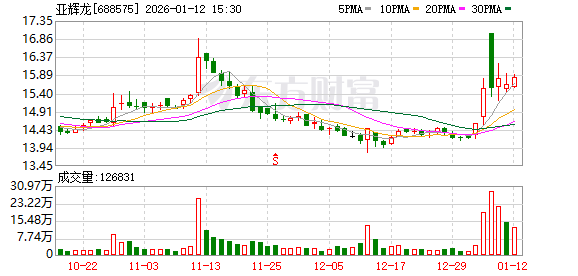
Core Viewpoint - The company YHLO (688575.SH) received a regulatory warning for misleading information disclosure related to its strategic cooperation with Shenzhen Brain Machine Star Chain Technology Co., Ltd. regarding brain-computer interface technology [2][5]. Group 1: Regulatory Issues - YHLO's announcement about the cooperation with Brain Machine Star Chain contained inconsistent statements regarding the technical approach, failing to adequately disclose risks related to collaboration feasibility and uncertainty [2]. - The Shanghai Stock Exchange issued an inquiry letter shortly after YHLO's announcement, leading to a regulatory warning for the company's then Secretary of the Board, Wang Mingyang [2]. Group 2: Company Background and Product Development - Brain Machine Star Chain was established in September 2025 with a registered capital of 5 million yuan, and its products have not yet obtained medical device registration certificates, leading to uncertainty about their approval timeline [2]. - YHLO stated that the cooperation would not have a significant impact on its business, and the development cycle for related projects is long and uncertain [2][5]. Group 3: Stock Price Movement - On January 6, YHLO's stock price rose by 6.52%, with trading volume increasing by 299% before the announcement of the strategic cooperation [4]. - Following the regulatory inquiry and a supplementary announcement, YHLO's stock price stabilized at 15.53 yuan per share by January 7, remaining unchanged from the previous closing price [6]. Group 4: Financial Performance - YHLO reported a revenue of approximately 1.287 billion yuan for the first nine months of 2025, a year-on-year decline of 7.69%, with net profit dropping by 72.36% due to reduced domestic market demand and losses from financial assets [7]. - The company plans to invest no more than 15 million yuan in Brain Machine Star Chain, which is a small proportion of its cash reserves of 466 million yuan as of September 2025 [8].


三七互娱:目前已投资的脑机接口公司包括华南脑控及强脑科技
Zheng Quan Shi Bao Wang· 2026-01-12 14:35
Group 1 - The core viewpoint of the article is that the company Sanqi Interactive Entertainment has invested in brain-computer interface companies, specifically Huannan Brain Control and Qiang Brain Technology, with investments of 20 million RMB and 20 million USD respectively [1] Group 2 - The investment in Huannan Brain Control amounts to 20 million RMB [1] - The investment in Qiang Brain Technology amounts to 20 million USD [1]

上海发布脑机接口重磅文件,5年内全面实现临床应用
第一财经· 2026-01-12 14:25
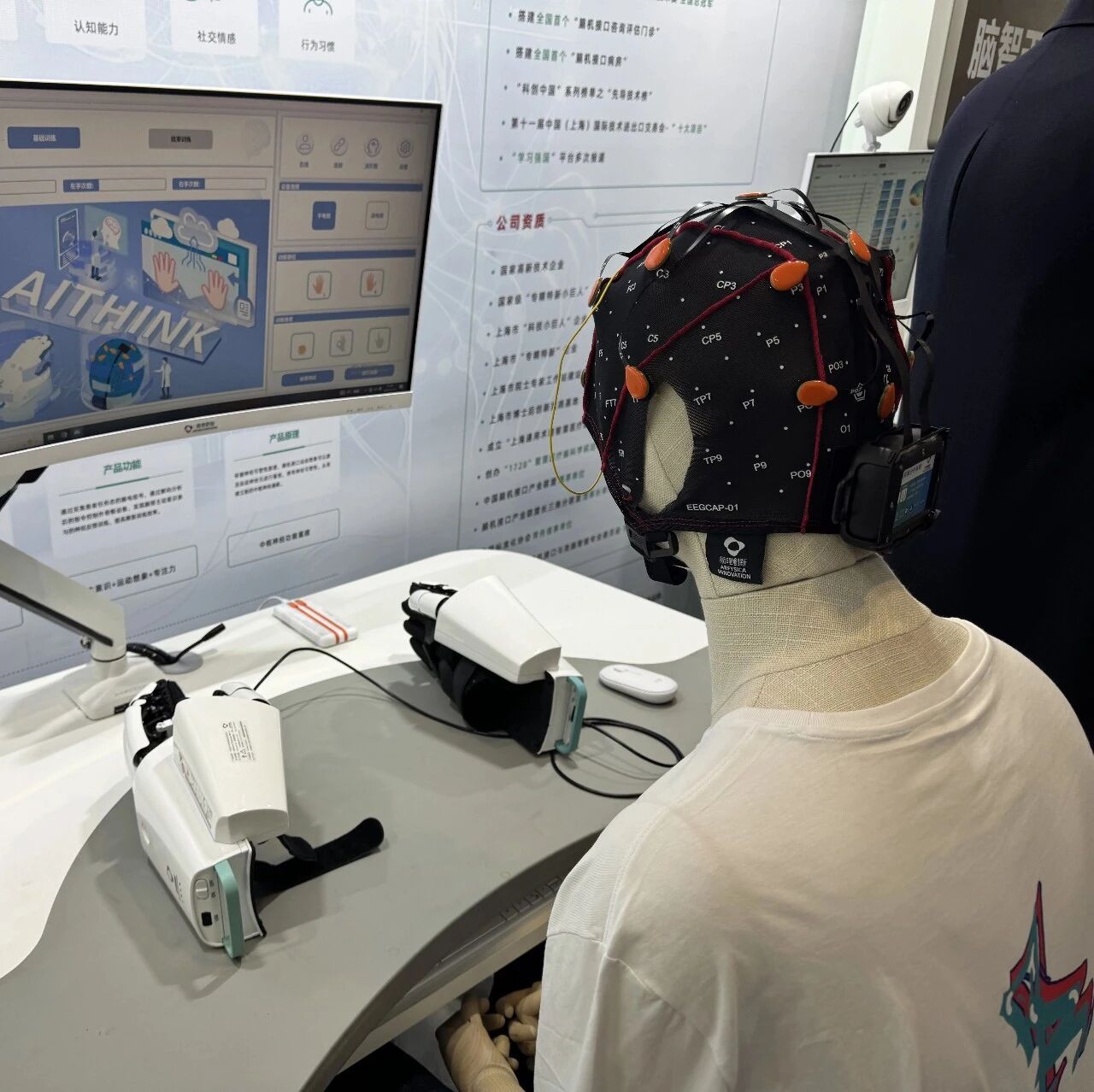
Core Viewpoint - Shanghai is positioning itself as a leading hub for brain-computer interface (BCI) technology, with a comprehensive R&D system covering invasive, semi-invasive, and non-invasive technologies, aiming for significant advancements and clinical applications by 2027 [3][4]. Group 1: Development Plans and Goals - The "Shanghai Brain-Computer Interface Future Industry Cultivation Action Plan (2025-2030)" outlines goals to achieve high-quality brain control and clinical applications for semi-invasive BCIs by 2027, alongside breakthroughs in invasive BCI research [3][4]. - By 2030, the plan aims for comprehensive clinical application of BCI products and the establishment of a globally competitive innovation hub for BCI technology [4][5]. Group 2: Clinical Trials and Innovations - The second invasive BCI clinical trial in China successfully demonstrated thought-controlled wheelchair operation, marking a significant milestone in BCI technology [4]. - The plan includes the goal of having over five invasive and semi-invasive BCI products pass medical device inspections by 2027, and fostering at least five innovative companies with core BCI technology [4][5]. Group 3: Data and Standards - The initiative emphasizes the creation of standards for brain signal data collection across various tasks, aiming to build a high-quality dataset of at least 1,000 cases to support algorithm development and neuroscience research [5][6]. - The "iBRAIN EEG dataset" is being developed to promote shared public data resources, addressing the current scarcity of brain signal data [5][6]. Group 4: Industry Ecosystem and Support - Shanghai is establishing specialized incubators and industry clusters to accelerate the commercialization of BCI technologies, with financial support for leading companies and projects [6][7]. - The "Brain Intelligence Future Industry Cluster" has attracted nearly 20 teams and companies since its launch, with significant investment and support from the local government [7][8]. Group 5: Future Prospects and Collaboration - The Shanghai government is committed to fostering innovation in BCI technology across various sectors, including healthcare and education, while enhancing international collaboration [8].
创新医疗:博灵脑机产品赛博灵科AC5已于2025年10月正式上市销售
Zhi Tong Cai Jing· 2026-01-12 14:05
Core Viewpoint - The stock of Innovation Medical (002173.SZ) experienced a significant price fluctuation, with a cumulative increase of over 20% in closing prices over three consecutive trading days in January 2026, indicating abnormal trading activity [1] Group 1: Company Overview - Innovation Medical's subsidiary, Bole Brain Machine (Hangzhou) Technology Co., Ltd., was established in early 2021 and was included in the consolidated financial statements in August 2025 [1] - The primary products of Bole Brain Machine are designed for rehabilitation training of patients with cerebrovascular diseases, particularly focusing on stroke and paralysis [1] Group 2: Product and Financial Performance - The product "Cyberlink AC5" was officially launched in October 2025, generating revenue of 114,000 yuan in that year [1] - The "Cyberlink AM5" has completed multi-center clinical trials but has not generated revenue in 2025 [1] - The operating losses for Bole Brain Machine were 6.60 million yuan in 2023 and 8.66 million yuan in 2024 [1]

三七互娱:已投资脑机接口公司华南脑控及强脑科技
Xin Lang Cai Jing· 2026-01-12 14:04
Group 1 - The company has invested in brain-computer interface companies, including Huannan Brain Control and Qiang Brain Technology [1] - The investment amounts to 20 million RMB and 20 million USD respectively [1]
创新医疗(002173.SZ):博灵脑机产品赛博灵科AC5已于2025年10月正式上市销售
智通财经网· 2026-01-12 14:00
Core Viewpoint - Innovation Medical (002173.SZ) has experienced significant stock price fluctuations, with a cumulative increase of over 20% in three consecutive trading days, indicating market interest in its brain-computer interface business [1] Group 1: Company Overview - Innovation Medical's subsidiary, Boling Brain Technology (Hangzhou) Co., Ltd., was established in early 2021 and included in the consolidated financial statements in August 2025 [1] - The primary products of Boling Brain Technology are designed for rehabilitation training of patients with cerebrovascular diseases, mainly focusing on stroke and hemiplegia [1] Group 2: Product and Financial Performance - The product "Cyberlink AC5" was officially launched in October 2025, generating revenue of 114,000 yuan in that year [1] - The "Cyberlink AM5" has completed multi-center clinical trials but has not generated revenue in 2025 [1] - Boling Brain Technology reported operating losses of 6.60 million yuan in 2023 and 8.66 million yuan in 2024 [1]
太空脑机首测成功,概念狂欢背后谁是真正的“核心玩家”?
Quan Jing Wang· 2026-01-12 13:07
Group 1: Market Trends and Developments - The brain-computer interface (BCI) sector is transitioning from clinical validation to commercial scalability, with 2026 expected to be a pivotal year for industrialization [2] - China's BCI market is projected to grow from 3.2 billion yuan in 2024 to 5.58 billion yuan in 2027, reflecting a compound annual growth rate of approximately 20% [2] - Global BCI market is anticipated to exceed 40 billion USD by 2030 [2] Group 2: Company Innovations and Collaborations - Yingkang Life has developed a comprehensive management solution for Parkinson's treatment using BCI technology, having completed over 20 deep brain stimulation surgeries [2] - Cheng Yi Tong's recent patent for "brainwave acquisition devices" is expected to enhance its core technology and market share in the BCI field [3] - Entropy Technology plans to launch a prototype BCI product by March 2026, focusing on commercial applications [3] - Yingqu Technology collaborates with various partners to develop BCI-related products, including brainwave monitoring headbands and rehabilitation robots [4] - Hanwei Technology has made breakthroughs in non-invasive flexible BCI materials, although commercial applications remain uncertain [5] - Daoshi Technology has strategically invested in Qiangnao Technology to enhance its capabilities in BCI applications across medical rehabilitation and education [6] - Sanbo Brain Science is advancing its "North Brain No. 2" project, focusing on flexible microelectrode technology for clinical applications [7] - Meihua Medical is a strategic partner in the cochlear implant sector, which is a significant application of BCI technology [7] Group 3: Investment and Strategic Partnerships - Leidi Ke has acquired a 20.41% stake in Aoyi Technology, which specializes in both BCI and robotics, enhancing its capabilities in the medical and health sectors [9] - Lihua Science and Technology's subsidiary, Weiling Medical, is developing a fully implanted wireless BCI system [10] - Guiyan Biotech is exploring precious metal materials for BCI applications, with some products in the experimental stage [11]



深圳脑机星链深度参与《类脑计算系统与训练算法评估指南》团体标准制定
Quan Jing Wang· 2026-01-12 12:42
Core Viewpoint - The release of the "Guidelines for Evaluation of Brain-like Computing Systems and Training Algorithms" marks a significant step in the standardization of brain-like computing technology in China, with Shenzhen Brain-Machine Starlink Technology Co., Ltd. playing a crucial role in its development alongside top universities and research institutions [1][2]. Group 1: Company Overview - Shenzhen Brain-Machine Starlink Technology Co., Ltd. focuses on artificial intelligence and aims to establish a comprehensive development system from basic research to technology transfer and industrial implementation in the brain-machine interface field [2]. - The company integrates brain-machine interface applications with neural modulation technologies to accelerate the development of diagnostic products for neurological diseases such as Alzheimer's, autism, and depression [2]. Group 2: Industry Context - The brain-machine interface technology is on the verge of explosive growth, with significant potential across various sectors including medical rehabilitation, consumer electronics, education, entertainment, and smart manufacturing [3]. - A market research report predicts that the global brain-machine interface market could exceed hundreds of billions of dollars by 2030, with the medical and health sector being the primary growth area [3]. Group 3: Collaborative Efforts - The collaboration between Shenzhen Brain-Machine Starlink and leading domestic universities and research institutions in standard formulation highlights the company's leading position and strong technical foundation in the brain-like computing field [4]. - The company has announced a partnership with leading immunodiagnostic firm Yihuilong to advance the clinical application and industrialization of brain-machine interface technology in various diagnostic fields [4].

创新医疗(002173.SZ):博灵脑机产品赛博灵科AC5已于2025年10月正式上市销售,2025年共实现收入11.4万元
Ge Long Hui A P P· 2026-01-12 12:31
Core Viewpoint - The company, Innovation Medical (002173.SZ), has noted increased market attention on its brain-computer interface business, particularly through its subsidiary, Boling Brain Machine (Hangzhou) Technology Co., Ltd. [1] Group 1: Company Overview - Boling Brain Machine was established in early 2021 and is expected to be included in the company's consolidated financial statements by August 2025 [1] - The primary products are designed for rehabilitation training of patients with cerebrovascular diseases, mainly focusing on stroke and hemiplegia [1] Group 2: Product Development and Financial Performance - The product "Cyberlink AC5" was officially launched in October 2025, generating revenue of 114,000 yuan in that year [1] - The "Cyberlink AM5" has completed multi-center clinical trials but has not generated revenue in 2025 [1] - The operating losses for Boling Brain Machine were 6.60 million yuan in 2023 and 8.66 million yuan in 2024 [1]
上海发布脑机接口重磅文件,5年内全面实现临床应用
Di Yi Cai Jing Zi Xun· 2026-01-12 12:28
他对记者解释,在脑机接口系统中,"硬件"如同肉体,由脑虎科技、景昱医疗等公司提供的电极或外设 构成;"灵魂"则是介于大脑与外设之间的算法系统,脑电分析解码是它们专注研究的领域。 作为我国脑机接口技术发展的前沿阵地,上海已形成覆盖侵入式、半侵入式和非侵入式技术的完整研发 体系。未来五年,上海将多层次培育更多脑机接口技术和产品应用落地。 日前公布的《上海市脑机接口未来产业培育行动方案(2025-2030年)》(下称"方案")提出,2027年 前,实现高质量脑控,半侵入式脑机接口产品在国内率先实现临床应用,侵入式脑机接口研发取得突 破,脑机接口创新生态初步构建。具体围绕加速脑机接口产品化、构建共性技术研发服务平台、推动临 床试验与应用示范、健全产品标准与检测体系、培育产业创新生态等方面展开。 2024年6月以来,上海围绕强化科技创新策源功能,聚焦脑机接口等未来产业新赛道,健全"比选寻优、 动态优化"未来产业培育机制,建立专业化项目经理队伍,实施全生命周期项目管理。 去年12月举行的"2025脑机接口大会"上,多项新技术和产品首发,并揭牌了"脑机接口产业联盟长三角 分联盟"。"上海在脑机接口技术领域取得了系列阶段性突 ...
