
水利工程

Search documents
“无人区”拓荒,河海大学青年教授突围水利与能源双领域
Yang Zi Wan Bao Wang· 2025-10-11 11:29
Core Insights - The South-to-North Water Diversion Project is recognized as the world's largest and most complex inter-basin water transfer project, with significant contributions from Wen Xin, a young professor at Hohai University, who has been involved since 2009 [1][2] - Wen Xin's team has successfully addressed multiple core technical challenges, ensuring the safe and high-quality operation of the Eastern Route for nine consecutive years [1][2] Group 1 - Wen Xin participated in the South-to-North Water Diversion Project from its early stages, conducting extensive field surveys to collect hydrological data [1] - The Eastern Route's operational management system, developed by Wen Xin's team, was launched in 2021, enabling automated scheduling decisions for large-scale pump station systems [1] - The project has contributed significantly to the digital construction of the national water network, providing valuable experience for future initiatives [1] Group 2 - Wen Xin's leadership in the development of the North Panjiang multi-energy complementary system represents a significant challenge in energy management, marking China's first pilot project of its kind [2] - The team developed the first domestic and international scheduling rules and models suitable for multi-energy complementary systems in river basins, facilitating successful grid connection and power generation [2] - Wen Xin emphasizes the importance of independent innovation in overcoming challenges in water and energy technology, aligning with national strategic development needs [2]
一个“缺水”省份,是如何逆袭成为水利大省的?
3 6 Ke· 2025-10-11 07:29
Core Insights - Jiangsu is transforming from a "water-scarce" province to a modern water management powerhouse, despite its limited local water resources, which are only one-fifth of the national average per capita [1][4][23] - The province's success is attributed to stringent water management policies initiated in 2012, which set a rigorous standard for water resource modernization [4][8][20] Group 1: Water Resource Management - Jiangsu's water resource management is characterized by a strict regulatory framework established in 2012, which includes 22 quantifiable and enforceable indicators for water management [4][8] - The province has implemented significant reforms, resulting in the closure or rectification of over 20,000 polluting enterprises in the Taihu Lake basin alone [8][12] - The shift towards high-tech industries has replaced polluting sectors, with cities like Changzhou seeing industrial output surpassing 1.7 trillion yuan in 2024, driven largely by the renewable energy sector [10][12] Group 2: Technological Advancements - The South-to-North Water Diversion Project has catalyzed technological advancements in Jiangsu, particularly in pump station efficiency, which improved from 65% to over 80%, saving billions in energy costs annually [16][19] - Jiangsu's research institutions, particularly Hohai University, played a crucial role in overcoming technical challenges, leading to a shift from reliance on imported technology to domestic innovation [17][19] Group 3: Sustainable Development Practices - The modernization of water management in Jiangsu is rooted in sustainable development principles, exemplified by the revitalization of polluted rivers like the Jiulong River, which now serves as a community resource [20][22] - The integration of economic and ecological considerations in water management reflects the state's commitment to a balanced approach, ensuring community involvement in environmental stewardship [22][24] - Jiangsu's experience serves as a model for other provinces, emphasizing the importance of policy enforcement, technological innovation, and community engagement in achieving water resource modernization [22][23]

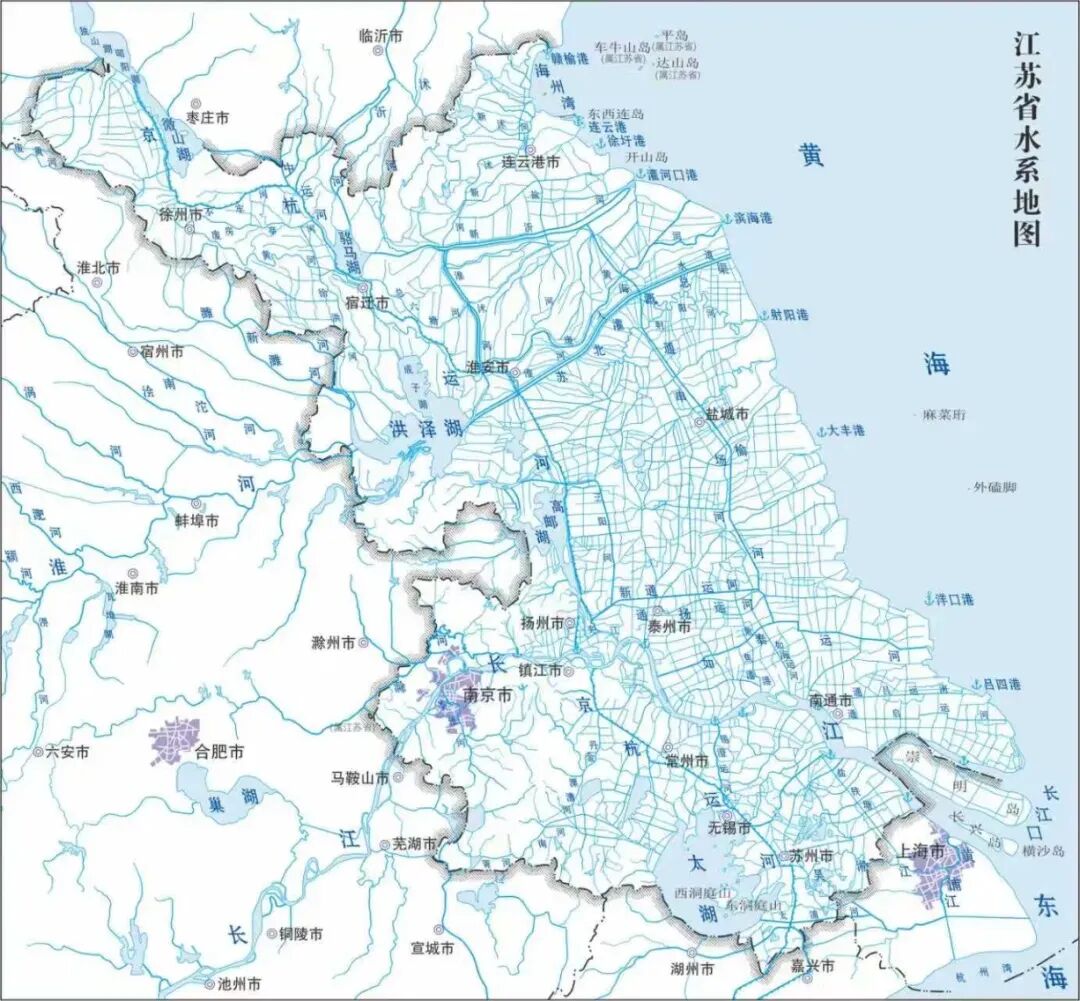
乘风破浪,书写江河安澜的青春篇章
Huan Qiu Wang· 2025-10-11 07:00
Core Viewpoint - The articles emphasize the importance of youth engagement in water management and the patriotic spirit driving their contributions to the water resources sector in Jiangsu, China [1][2][3] Group 1: Youth Engagement in Water Management - Youth in Jiangsu are actively involved in water management, embodying a deep sense of national responsibility and commitment to ensuring water safety and security for the populace [1][2] - Educational institutions like Hohai University play a crucial role in nurturing young talents dedicated to water resources, equipping them with the necessary skills and knowledge for modern water management [2] - The youth's innovative thinking and dedication are pivotal in advancing water resource modernization, integrating modern technology with traditional practices [2][3] Group 2: Practical Contributions and Achievements - Significant water projects, such as the Jiangdu Water Conservancy Hub, reflect the hard work and intelligence of the youth involved in these initiatives [3] - The youth are engaged in various practical activities, from grassroots community engagement to rigorous fieldwork, which enhances their professional skills and resilience [3] - The commitment to continuous improvement and excellence in water management practices is evident in the youth's efforts to transform plans into tangible outcomes [3]
青春华章|乘风破浪,书写江河安澜的青春篇章
Huan Qiu Wang· 2025-10-11 06:42
Core Viewpoint - The articles emphasize the importance of youth engagement in water management and the patriotic spirit driving their contributions to the water resources sector in Jiangsu, China [1][2][3] Group 1: Youth Engagement in Water Management - Youth in Jiangsu are actively involved in water management, integrating their personal aspirations with national water resource development [1] - Educational institutions like Hohai University play a crucial role in nurturing young talents dedicated to water management [2] - Young professionals are becoming the backbone of modern water management, applying innovative thinking and solid expertise to tackle water-related challenges [2] Group 2: Commitment to National Development - The water management efforts are seen as a vital part of national security and economic stability, with historical significance dating back to ancient times [1] - The dedication of youth to water management reflects a deep sense of patriotism and responsibility towards the well-being of the nation and its people [1][3] - The achievements in water management are attributed to the hard work and perseverance of young professionals who are committed to practical service and community engagement [3] Group 3: Practical Experience and Innovation - Young professionals are gaining hands-on experience by working closely with communities to understand local water issues [3] - The integration of modern technology with traditional water management practices is highlighted as a key area of innovation [2] - The commitment to continuous learning and practical application is essential for the development of effective water management solutions [3]
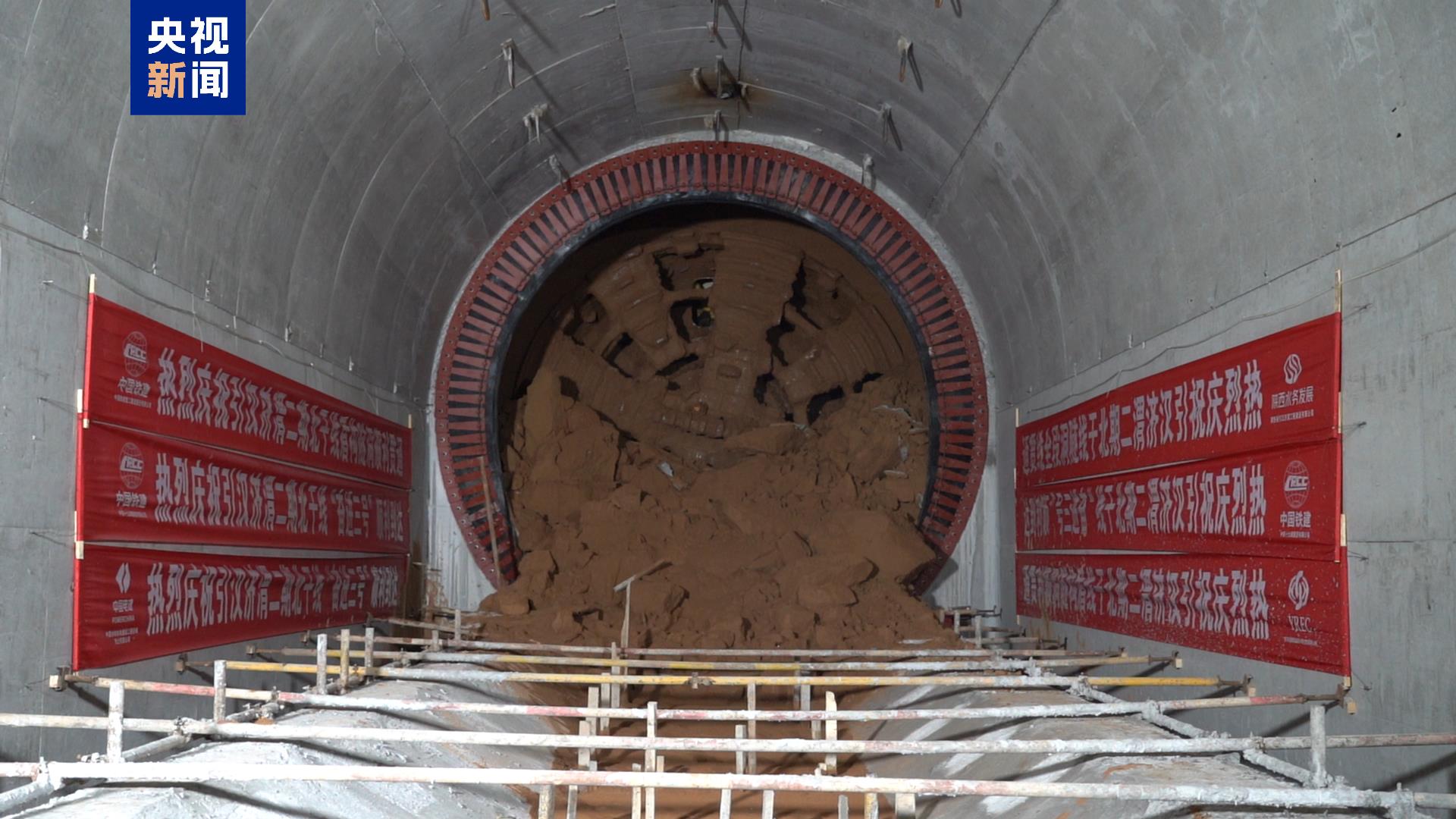
引汉济渭二期工程北干线隧洞全部贯通
Yang Shi Xin Wen· 2025-10-10 03:45
P P - and B el p alle o getting y y K reply a a, will be and a and come of the research believ y the in r Castler Property P of the 10月10日,国家重大水利工程——引汉济渭二期工程北干线33.8km隧洞全部贯通,这为北干线2025年底全线贯通尽早实现供水打下了坚实的基础。 引汉济渭二期北干线工程由隧洞、压力管道、箱涵、倒虹、管桥、进出水池及分退水设施组成,全线长度89.54km。 (总台记者 闫星光 许辉) 引汉济渭工程是国家"十四五"时期的重大水利项目,旨在每年从汉江调水15亿立方米至渭河流域。二期工程主要包括黄池沟配水枢纽、南干线和北干 线,全长190公里。工程建成后,将为陕西关中平原的西安、咸阳、杨凌、渭南等地提供供水保障,受益人口达1400余万人。 ...
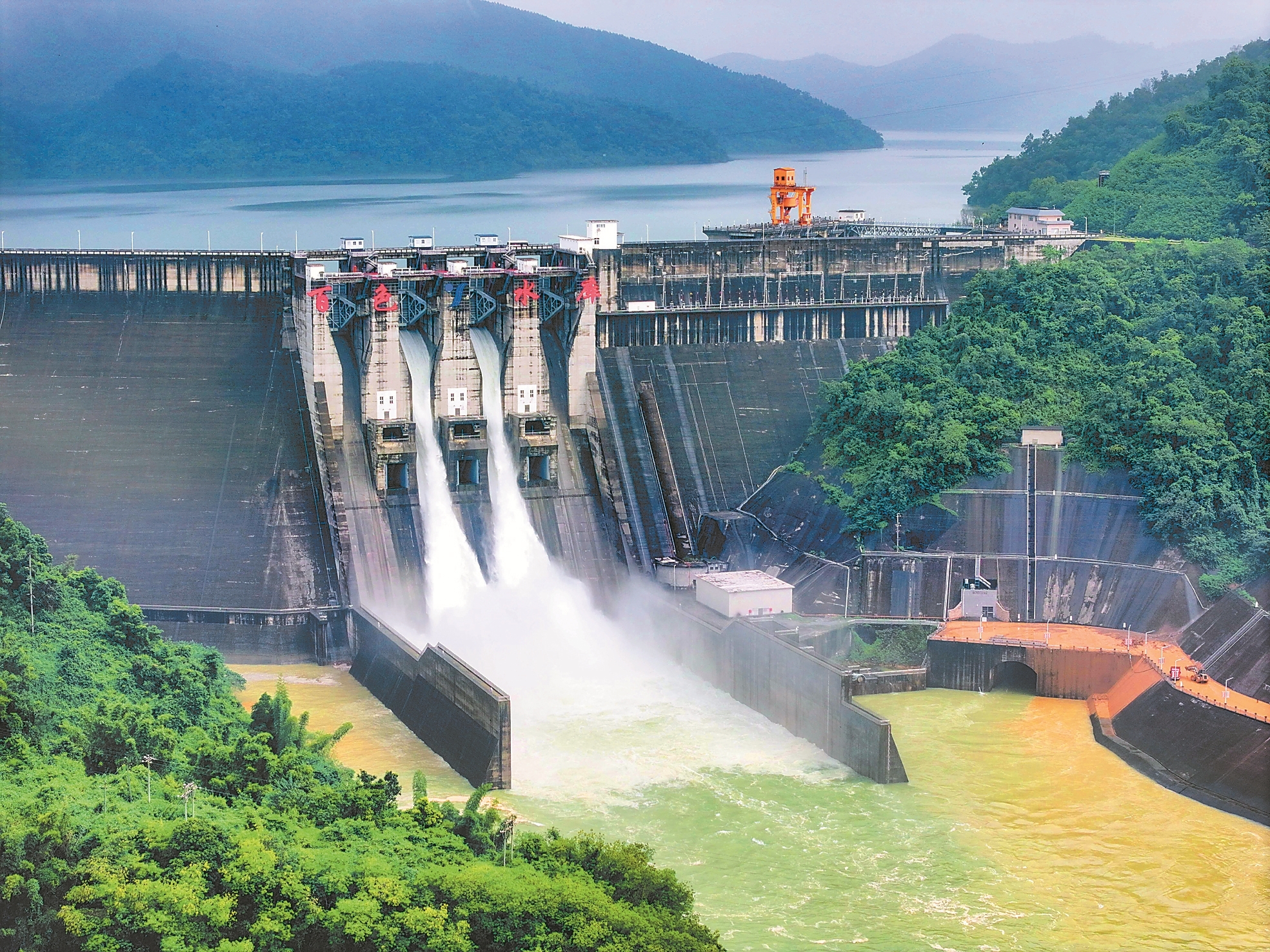
广西11条河流17个站超警
Guang Xi Ri Bao· 2025-10-10 02:20
Core Insights - Continuous typhoons have led to the opening of floodgates at the Baise Water Conservancy Hub from October 1 to around October 10, impacting water levels and flood management in the region [2] Group 1: Rainfall and Water Levels - As of October 9, 20:00, 11 rivers and 17 monitoring stations in Guangxi exceeded warning levels by 0.01 to 5.46 meters, with the highest exceeding level recorded at 2.88 meters in the Yongning District of Nanning [3] - Rainfall in Nanning, Liuzhou, and Fangchenggang has been significant, with the maximum recorded rainfall of 26.5 millimeters in Nanning's Yongning District [2] Group 2: Flood Management Strategies - The Guangxi water conservancy department has implemented precise scheduling and management of 15 reservoirs and hydropower stations in the Yujang River basin to mitigate flood risks [5] - On October 6, the Naban Reservoir was utilized to store 1.23 billion cubic meters of floodwater, reducing the flood peak water level in Ming County by over 2 meters [5] - The Baise Water Conservancy Hub has reduced its outflow from an inflow of 4,500 cubic meters per second to 1,810 cubic meters per second, achieving a 60% reduction in outflow to lower flood risks in Baise City [5] - The flood management efforts are projected to reduce the peak flow in Nanning by approximately 1,800 cubic meters per second, lowering the flood peak water level by over 1.5 meters [5]
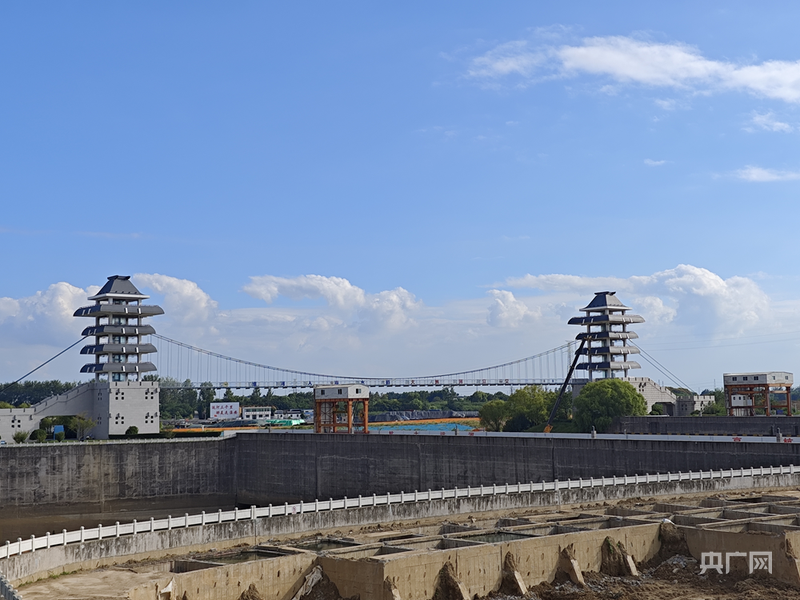
天山南北,写下“浓墨重彩的一笔”
Ren Min Ri Bao· 2025-10-09 22:22
Group 1: Agricultural Development - The introduction of new cotton varieties in Shache County has led to a significant increase in yield, with an average increase of over 50 kg per mu compared to previous varieties [7][8] - The coverage rate of leading cotton varieties in the county reached 240,000 mu, with intentions to plant 700,000 mu in the following year [7] - The county has also seen improvements in wheat and corn varieties, with the quality of first-grade wheat doubling compared to the previous year [8] Group 2: Policy and Financial Support - The implementation of a subsidy program for high-quality seeds has encouraged farmers to adopt better agricultural practices, with a 40% subsidy provided for seed costs [7] - A targeted assistance program has benefited over 60,000 households, with financial incentives for increasing corn yields and improving livestock breeding [9] - The county's agricultural development strategy includes integrating resources and enhancing the supply chain for various agricultural products [9] Group 3: Ecological Restoration and Industry Enhancement - Efforts to restore abandoned mines in the Karamay area have transformed the landscape, promoting ecological balance and agricultural productivity [12][13] - The introduction of advanced processing techniques for seabuckthorn has led to the production of popular consumer products, enhancing local economic development [11] - The focus on ecological restoration is aimed at creating sustainable agricultural practices that benefit local communities [14] Group 4: Water Supply and Infrastructure Development - The construction of small-scale water diversion projects in Jinghe County aims to provide consistent and quality water supply to rural areas, achieving a 99% rural tap water coverage rate by the end of 2024 [15][17] - Innovative methods have been employed to address challenges in water supply infrastructure, ensuring that clean water is accessible to rural populations [16] - The ongoing efforts in water supply projects reflect a commitment to improving living conditions and supporting agricultural activities in the region [17]

青春华章 | 水润华夏 利在千秋
Yang Guang Wang· 2025-10-09 07:58
Core Viewpoint - Water management is crucial for the stability and prosperity of Jiangsu, a province rich in water resources, which has historically shaped its civilization and economy [1][2][11] Group 1: Water Management and Historical Context - Jiangsu's geographical features, including major rivers and lakes, have historically influenced its development and necessitated effective water management strategies [1][2] - The province has a long history of water management efforts, from ancient flood control projects to modern engineering feats, reflecting both technological advancements and social mobilization [2][3] Group 2: Infrastructure Development - The Huaihe River to the sea waterway project, completed in 2003, marked a significant achievement in water management, preventing major flooding and enhancing regional drainage capabilities [3][4] - Ongoing construction of the second phase of the Huaihe River to the sea waterway aims to further improve flood control standards and irrigation conditions in the region [4] Group 3: Agricultural Impact - Jiangsu's extensive water resources support its agricultural productivity, with water covering approximately 16.9% of the province's total area, contributing to its reputation as a "land of fish and rice" [5][6] - Research and implementation of water-saving irrigation techniques have led to significant water conservation and increased rice yields, demonstrating the importance of sustainable water use for food security [6][8] Group 4: Ecological and Cultural Significance - The relationship between water and the cultural identity of Jiangsu is emphasized, with initiatives aimed at restoring ecosystems and promoting harmonious coexistence with water resources [9][10] - The transformation of industrial and urban areas along waterways into ecological zones reflects a commitment to sustainable development and cultural heritage [9][10] Group 5: Economic Development and Connectivity - Jiangsu's strategic location and developed waterway systems facilitate economic connectivity, enhancing trade routes and logistics, particularly through the Lianyungang port [10][11] - The province's historical and modern water management practices contribute to its economic resilience and are integral to China's broader modernization efforts [11]
大禹节水:正积极研究高端农产品与水利资产及数字资产的RWA路径
Xin Lang Cai Jing· 2025-10-09 07:53
Core Viewpoint - The company is actively researching the pathways for high-end agricultural products, water assets, and digital assets related to RWA, currently in the planning stage, with future updates to be disclosed through public channels [1] Group 1 - The company is focusing on high-end agricultural products and their integration with water and digital assets [1] - The current status of this initiative is in the planning phase [1] - Future developments will be communicated through public channels [1]


大禹节水(300021.SZ):正积极研究高端农产品与水利资产及数字资产的RWA路径
Ge Long Hui· 2025-10-09 07:53
Core Viewpoint - The company is actively researching the pathways for high-end agricultural products, water assets, and digital assets in relation to RWA (Risk-Weighted Assets) [1] Group 1 - The business is currently in the planning stage [1] - Future developments will be disclosed through public channels [1]