养老服务

Search documents
“公建民营”养老托起幸福晚年
Xin Lang Cai Jing· 2026-01-04 13:52
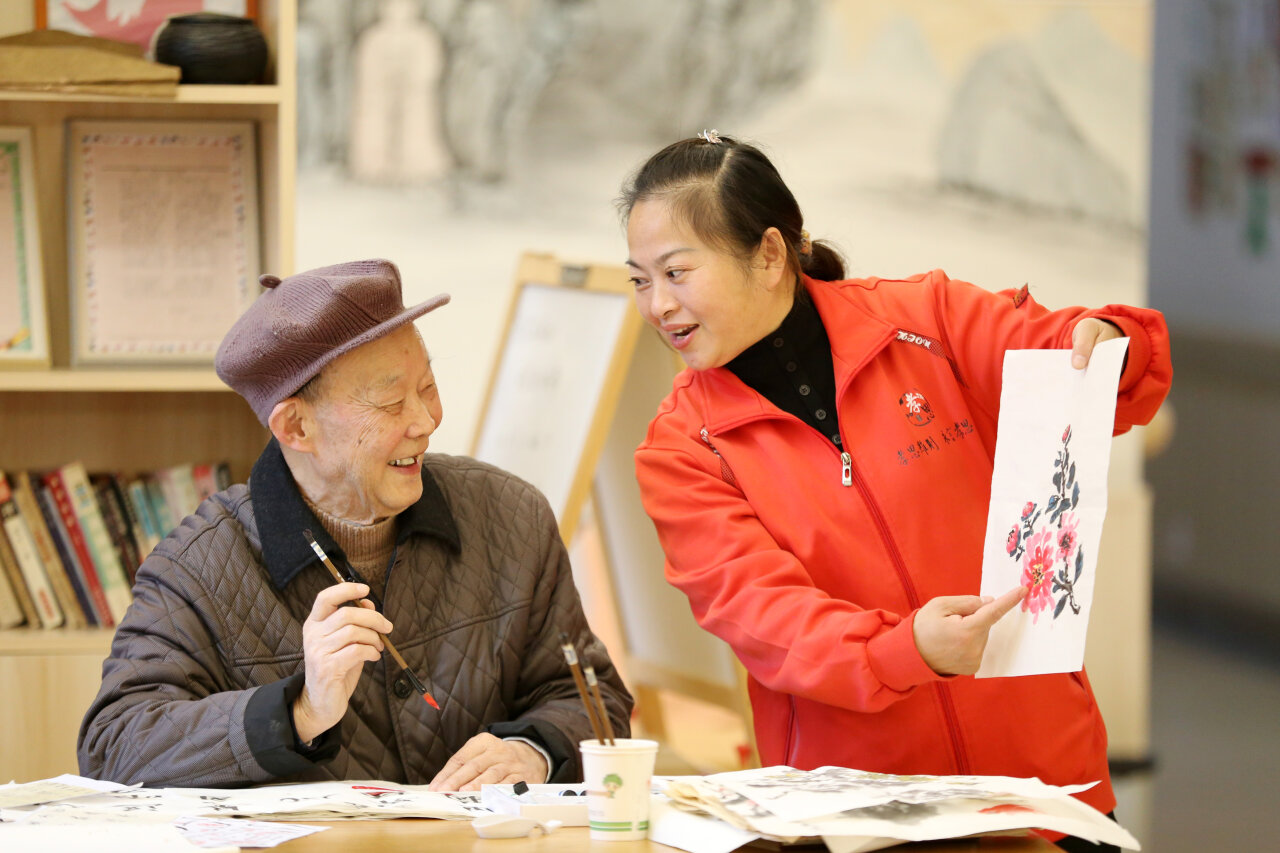
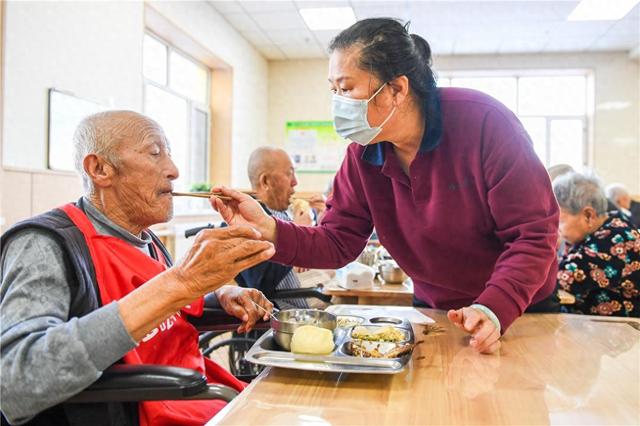
1月4日,呼伦贝尔市扎兰屯市社会福利中心综合楼养老中心的老年人在护工的细心照料下进食。 该养老中心是当地"公建民营"试点项目,打造了集智慧平台、医养结合、老年助餐等为一体的中高端养 老机构,全面提升养老服务设施与服务品质,让老年群体在家门口享受到环境优、服务全、有温度的养 老服务,助力当地银发经济发展。 转自:草原云 悉心照料。 内蒙古日报·草原云记者:王晓博 王鹏 新闻编辑:陈杨 健康监护。 照料高龄老人。 老人在房间内看电视。 ...

为什么养老院华而不实:为评级还是为老人?
经济观察报· 2026-01-04 09:49
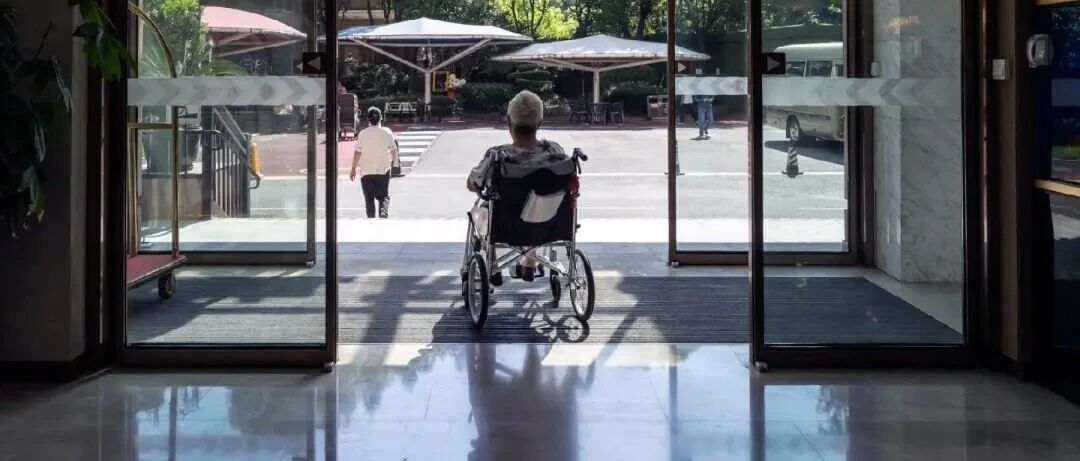
Core Viewpoint - The article highlights the mismatch between the design of elderly care facilities and the actual needs of the elderly, leading to underutilization of resources and dissatisfaction among residents [1][4][6]. Group 1: Facility Design and Utilization - Many elderly care institutions have made renovations to meet evaluation standards, but these changes often do not align with the real needs of the elderly, resulting in wasted funds and resources [1][4]. - A case study of a mid-range elderly care facility inspired by Japan's "group care" model revealed that while the layout aimed to create a communal living atmosphere, it led to practical issues such as long queues for shared bathrooms and conflicts among residents over usage [2][3]. - High-end elderly apartments initially designed for self-sufficient and mildly disabled seniors struggled with low occupancy rates due to a mismatch between luxurious facilities and the actual needs of the elderly population, which primarily consisted of those with higher care requirements [6][11]. Group 2: User Experience and Satisfaction - Research indicates that many elderly residents express dissatisfaction with the facilities, citing issues such as noise from communal areas and inadequate privacy in shared living spaces [3][7]. - A significant portion of elderly residents prefer single rooms for better living quality, with over 67% indicating a willingness to pay higher fees for such accommodations [13]. - The article emphasizes that the focus on high-end facilities often overlooks essential details that impact the daily lives of residents, such as adequate storage space for personal belongings and the need for private areas for family visits [12][13]. Group 3: Operational Challenges - Many elderly care facilities face challenges in implementing integrated medical and care services, with many medical facilities remaining unused due to bureaucratic hurdles and operational inefficiencies [8][9]. - The article points out that some facilities, despite not meeting formal evaluation standards, maintain high occupancy rates by prioritizing quality care and personalized services over physical infrastructure [11][12]. - The need for smaller, more manageable care units is highlighted, as larger facilities can lead to increased operational difficulties and a less personalized care experience for residents [18][19]. Group 4: Recommendations for Improvement - The article suggests that the ideal size for elderly care facilities should be between 200 to 300 beds, with smaller care units for specific needs, such as dementia care, to enhance the quality of care and reduce stress on staff [18]. - It advocates for a shift in focus from merely meeting structural standards to enhancing the quality of service and care provided to residents, emphasizing the importance of flexibility in evaluation criteria [13][14]. - The article also stresses the importance of considering the emotional and social needs of the elderly, advocating for designs that foster a homelike atmosphere rather than a clinical environment [14][15].
家门口有了“老年食堂” “空巢老人”吃饭不再难
Si Chuan Ri Bao· 2026-01-04 07:19
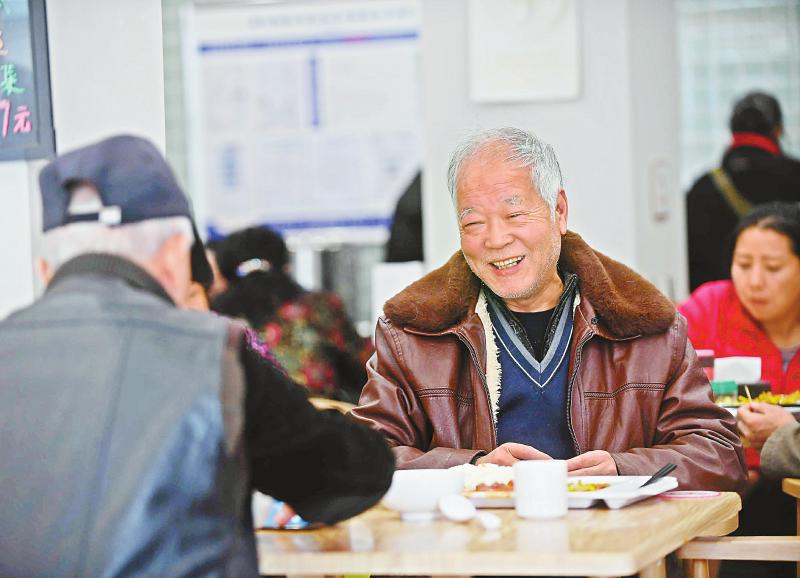
今年,下涧槽社区以一元租金,引入颐佳(北京)养老服务股份有限公司,开设"岁月厨香"老年助餐服务点,运行6 个月以来,因干净卫生、实惠的价格,受到社区老人喜爱,每天一到用餐时间就座无虚席。宫保鸡丁、青椒肉丝、炒 花菜……10块钱就能吃到1荤1素,12块钱能吃2荤一素。 "老人一要吃得烫,二要吃得软,所以做法上跟外面的餐厅有所不同。"叶文超告诉记者,"我们也会根据老年人的 身体状况制定菜谱,比如冬天我们会给老年人炖一些萝卜汤。" 颐佳(北京)养老服务股份有限公司成都分公司总经理黎怀阳说:"我们这里每天11点起对60岁以上的老人开放,每 天大概接待100-150人次,目前只开放了中午一餐,晚上暂时是点餐。" 黎怀阳告诉记者,公司是去年底来到成都的。在"岁月厨香"之前,该公司已在成华区的和美社区日间照料服务中 心里提供午餐。在得知下涧槽社区想建立老年餐厅后,公司又与社区搭上桥,打破政府兜底和隐性担保,创新推行"一 元租金、资源换服务"的市场化运作模式,解决老人"吃饭难"。 暖心十二月五日,市民在岁月厨香老年助餐服务点用餐。记者 肖雨杨摄 12月5日,上午10点半,成华区二仙桥街道下涧槽社区"岁月厨香"餐厅内,48岁的 ...
IP赋能,银发“生金”
Xin Hua Ri Bao· 2026-01-03 22:12
Group 1: Longevity as a Cultural and Economic Driver - Rugao is recognized as a "World Longevity City" by the United Nations, with a significantly higher number of centenarians compared to the standard for such cities, making longevity a key aspect of its cultural identity [1] - The city aims to leverage its longevity brand to enhance various industries, including agriculture, health care, and tourism, and is working towards becoming a provincial-level longevity culture protection experimental zone [1][5] - Rugao has established nearly 70 industrial enterprises in the silver-haired industry, with an annual output value exceeding 20 million yuan, and aims for the life and health industry chain to achieve an industrial output value of 5.33 billion yuan by the third quarter of 2025 [1][2] Group 2: Development of Silver Economy - Mengbaihe Company has developed "elderly mode" memory mattresses, which have been included in the Ministry of Industry and Information Technology's promotion directory for elderly products, indicating a focus on the elderly market [2] - Rugao is building a comprehensive silver economy industry chain that includes elderly product manufacturing, healthcare, health food, and elderly services, with over 30 key enterprises in elderly products and more than 20 high-tech companies in the healthcare sector [2] - The city is also focusing on creating a longevity innovation ecosystem, including the establishment of a "Rugao Longevity Culture Resource Database" and collaboration with universities for research on longevity and aging [2][3] Group 3: Agricultural and Food Industry Development - Rugao's black cabbage, known as a "longevity vegetable," is processed and can be preserved for up to 24 months, with an expected export volume of nearly 2,089 tons by 2025, reflecting a 17.9% year-on-year increase [3] - The city is transforming its natural agricultural resources into industrial advantages, with functional health foods like selenium-rich rice and ginkgo products gaining popularity, and traditional foods being certified as health products [3] - Rugao has authorized 49 enterprises under the "Su. Rugao Longevity" regional public brand, aiming for sales exceeding 500 million yuan by 2025 through branding, standardization, and green practices [3] Group 4: Community and Elderly Care Initiatives - Rugao has established 20 model community dining halls for the elderly, providing affordable meals to enhance the quality of life for seniors [4] - The city is innovating in the "public-private partnership" model to foster local elderly care enterprises, integrating medical, rehabilitation, and elderly care services, with over 9,000 beds available in care facilities [4] Group 5: Policy Support for Silver Economy - The 20th National Congress of the Communist Party of China has identified the development of the silver economy as a key measure for promoting high-quality population development, with Rugao's model being seen as replicable and promotable [5]

让适老好物融入生活
Jing Ji Ri Bao· 2026-01-02 22:11
Core Insights - The aging population in China is increasing, with 220 million people aged 65 and above by the end of 2024, representing 15.6% of the total population, and nearly 90% of these elderly individuals prefer to age at home [1][2] - There is a growing emphasis on home modifications to make living environments more suitable for the elderly, with many families opting for comprehensive renovations before their elderly relatives reach advanced age [1][2] Group 1: Market Trends - Since the start of the 14th Five-Year Plan, 2.24 million households of elderly individuals with special difficulties have undergone home modifications [2] - By 2025, home modifications for the elderly will be included in the consumer goods replacement support program, with nearly 700 million yuan in subsidies expected to drive sales of 2.8 billion yuan and the sale of 4.655 million products [2] Group 2: Safety and Design Innovations - Falls are the leading cause of injury-related deaths among individuals aged 65 and older in China, with approximately 40 million elderly people experiencing at least one fall each year, half of which occur at home [2] - Design innovations for elderly-friendly homes include using PVC flooring to prevent slips, open cabinet designs for support, and innovative shower solutions to enhance safety during bathing [2][3] Group 3: Quality of Life Enhancements - Thoughtful design elements such as shoe-changing benches, adjustable kitchen countertops, bright lighting, and high-density foam sofas significantly improve the quality of life for the elderly [3] - The implementation of the "Residential Project Standards" in May 2025 will make elderly-friendly features a standard requirement for new homes, reflecting the increasing demand for quality living conditions among retirees [3] Group 4: Evolving Perceptions and Needs - There is a misconception that elderly-friendly designs are synonymous with "hospital-like" environments; however, most modifications are beneficial for all family members, not just the elderly [4] - The aging process is gradual, necessitating continuous environmental improvements to support the elderly, with a focus on flexible design that can adapt to changing needs over time [4][5] Group 5: Diverse Service Offerings - The demand for elderly-friendly modifications is driving a shift from single-service offerings to a more diverse range of services, including healthcare, home renovation, and smart products [5] - Various cities, including Beijing, Tianjin, and Qingdao, are launching subsidy policies for home modifications, leading to the integration of a wide array of elderly-friendly products into daily life [5]
【省民政厅】陕西将向中度以上失能老年人发放养老服务消费补贴
Shan Xi Ri Bao· 2026-01-02 00:38
Core Viewpoint - The government is launching a subsidy program for elderly individuals with moderate to severe disabilities, aiming to enhance the quality and accessibility of elderly care services in Shaanxi Province starting January 2026 [1][2]. Group 1: Subsidy Program Details - The subsidy program will target approximately 1 million elderly individuals in Shaanxi who are classified as moderately to severely disabled [1]. - The program is open to individuals aged 60 and above, regardless of their household registration, as long as they have resided in Shaanxi for a long time and have been assessed as having moderate or severe disabilities [1]. - Certain groups, such as those already receiving specific types of financial assistance or care services, will not be eligible for this subsidy [1]. Group 2: Subsidy Implementation and Usage - The subsidies will be distributed through the "Minzheng Tong" app as electronic vouchers, which will be valid for one month and cannot be carried over [2]. - The vouchers will cover 40% of institutional elderly care service costs and 50% for home and community services, with a maximum monthly deduction of 800 yuan per person [2]. - To ensure the effective implementation of the subsidy policy, local government departments will conduct checks and surveys to monitor service quality and address any issues related to service delivery [2].
这份家国荣耀 我们都是主角
Xin Lang Cai Jing· 2026-01-01 23:53
Group 1: National Development and Modernization - The New Year speech by President Xi Jinping emphasizes the theme of "striving for new and better" in the context of Chinese-style modernization, highlighting the importance of innovation, cultural heritage, and shared prosperity [2] - The city of Changsha serves as a vibrant example of national development, showcasing various initiatives such as drone performances, employment rights for new job groups, and subsidies for families [2] Group 2: Fireworks Industry Growth - Liuyang fireworks have achieved significant recognition, holding 90% of the national market share, with over 1,300 events held in 2025, marking a year-on-year growth of over 20% [8] - The integration of technology, such as drones and AI, has transformed traditional fireworks displays into sophisticated performances, breaking multiple Guinness World Records [8][6] Group 3: Economic Impact of Sports Events - The "Xiangchao" league in Changsha attracted over 4 million attendees, generating an economic benefit of approximately 13.68 billion yuan for the province, with Changsha contributing 4.85 billion yuan [12][11] - The event successfully linked sports enthusiasm with local consumption, creating a vibrant economic cycle that benefited various sectors including accommodation, dining, and transportation [12] Group 4: Social Welfare Initiatives - The implementation of a child-rearing subsidy program in Changsha provides families with 3,600 yuan annually for children under three, benefiting over 124,600 infants and totaling approximately 4 billion yuan in disbursements [17][16] - A free home modification program for elderly individuals has been launched, with 13,400 households receiving personalized upgrades to enhance safety and comfort [20][19] Group 5: Support for New Employment Groups - The establishment of 1,600 "love stations" in Changsha provides essential services for new employment groups, addressing their needs for hydration and rest during work [21] - The city is actively engaging with new employment groups to gather feedback and improve their working conditions through various initiatives and support programs [22]

青海医养融合取得新成就
Xin Lang Cai Jing· 2026-01-01 20:49
Group 1 - The core focus of Qinghai during the 14th Five-Year Plan is to address the core needs of elderly health and elderly care, establishing a comprehensive health support system and promoting innovative breakthroughs in elderly care services [1] - A total investment of 1.27 billion yuan is planned for the construction and renovation of 754 elderly care infrastructure projects, achieving full coverage of county-level comprehensive elderly care service guidance centers [1] - The province aims to expand health management coverage for the elderly, providing free health check-ups for seniors aged 65 and above, with 497,600 elderly individuals included in family doctor signing services [1] Group 2 - 90% of secondary and higher-level comprehensive hospitals have established or independently set up geriatric medicine departments to enhance the diagnosis and treatment of elderly diseases [2] - Since 2020, Qinghai has included palliative care as a key task, gradually improving the service system and establishing a multi-disciplinary service team [2] - The province supports the integration of medical institutions within elderly care facilities, ensuring that these facilities are included in the medical insurance designated points [2]
全面实施养老服务消费补贴
Xin Lang Cai Jing· 2026-01-01 16:39
Core Insights - By the end of 2024, China's population aged 60 and above is projected to reach 310 million, marking a transition into a moderately aging society [1] - The government has issued over 30 special policy documents in the aging sector to enhance the rights of the elderly and promote their social participation [1] - During the 14th Five-Year Plan period, 2.24 million households of elderly individuals in special difficulties have undergone home modifications, and 86,000 elderly meal service points have been established [1] Group 1 - The number of elderly care institutions and facilities has reached 396,000, with nursing beds accounting for 67.5% of total beds [1] - The silver economy is being actively developed, with Zhejiang province establishing a silver economy industrial park generating nearly 2.8 billion yuan [1] - Chengdu in Sichuan has recognized over 80 private inclusive elderly care institutions, providing more than 6,200 inclusive beds [1] Group 2 - The next five years are seen as a critical period for addressing demographic changes and aging population challenges [2] - The Ministry of Civil Affairs plans to enhance care for elderly individuals with disabilities and dementia, and to support solitary and empty-nest elderly individuals [2] - There will be a focus on cultivating the elderly care service market and implementing consumer subsidies for elderly care services [2]
2025年养老机构护理型床位占比达67.5%
Xin Lang Cai Jing· 2026-01-01 14:37
Group 1 - The core viewpoint of the articles emphasizes the enhancement and efficiency of elderly care services in China by 2025, with a focus on improving the elderly service network at the county, township, and village levels, and the comprehensive implementation of elderly service consumption subsidy projects [1][3] Group 2 - By 2025, a total of 2.24 million households of elderly individuals with special difficulties will have completed home adaptations for aging, and 86,000 elderly meal assistance points will be established [1] - The number of elderly care institutions and facilities is projected to reach 396,000, with nursing beds accounting for 67.5% of the total [1] Group 3 - The Ministry of Civil Affairs plans to actively respond to population aging in 2026 by constructing an inclusive and accessible elderly care service system [3] - There will be a focus on deepening the reform and development of elderly care services, particularly for elderly individuals with disabilities or dementia, and promoting rehabilitation and palliative care services [3] - The government aims to cultivate market entities in the elderly care service sector and fully implement elderly service consumption subsidy projects [3] - Policies to develop rural elderly care services will be improved, supporting rural mutual assistance for elderly care and addressing the shortcomings in rural elderly care services [3]