水利工程

Search documents
水权交易9.35亿方领跑全国,山东水利“10+N”重点改革显效
Qi Lu Wan Bao· 2025-09-30 09:26
Core Viewpoint - The Shandong provincial government is accelerating high-quality water conservancy development during the 14th Five-Year Plan period, addressing complex water issues and promoting comprehensive reforms in the water sector [4]. Group 1: Water Resource Management - Shandong faces intertwined challenges of water security, resources, ecology, and environment, with significant development imbalances [4]. - The province has set 2025 as the "Reform Year" for the water conservancy system, launching a "10+N" key reform initiative that has achieved preliminary results [4]. Group 2: Investment and Financing Reforms - The province is enhancing the water investment and financing mechanism, establishing a "1+1+N" framework that includes government leadership, financial support, and multiple policy alignments [4]. - Shandong has pioneered provincial loan interest subsidies and operational insurance policies for water projects, facilitating the use of special bonds [4]. - In 2023 and 2024, water projects in the province are expected to utilize 59.9 billion yuan in financial and social capital, rising from 12th to 1st nationally; 22 billion yuan has been secured for 2025, showing a growth trend [4]. Group 3: Water Resource Conservation - The province is implementing strict water resource constraints through policies and planning, promoting water-saving lifestyles [5]. - Shandong has made water resource planning a prerequisite for industrial park expansions, effectively controlling unreasonable water demand [5]. - The utilization of unconventional water sources is expanding, with a target of 2.052 billion cubic meters by 2024; water rights trading has reached 9.35 billion cubic meters, ranking first in the country [5]. - Water consumption per unit of GDP and industrial added value is projected to decrease by 21.28% and 19.69% respectively by 2024 compared to 2020, maintaining a leading position nationally [5]. Group 4: Water Pricing Mechanism - The province is reforming water pricing to address discrepancies in pricing for different water sources, selecting 18 areas to explore a unified pricing mechanism [6]. - In Dezhou, reforms have reduced water loss by over 10 million cubic meters annually through improved management of guest water supply [6]. - Agricultural water pricing reforms are being implemented to enhance efficiency, with the coverage of water-saving irrigation areas increasing from 60.6% to 81.8% in pilot regions [6]. Group 5: Engineering Management Reforms - A comprehensive regulatory system covering the entire lifecycle of water conservancy projects is being established to ensure progress, quality, and safety [7]. - Shandong has achieved the highest A-level rating in national water conservancy project quality assessments for four consecutive years, with numerous awards for outstanding projects [7]. - The province is adopting advanced technologies such as AI monitoring and drone inspections to enhance the operational management of water projects [7].

长江水利委员会举办第十四期青年科技论坛
Shui Li Bu Wang Zhan· 2025-09-30 08:19
Core Viewpoint - The forum emphasized the importance of technological innovation in supporting the high-quality development of water resources management and the construction of a resilient water network in the Yangtze River region [1][2]. Group 1: Forum Highlights - The 14th Youth Science and Technology Forum was held by the Yangtze River Water Resources Commission, focusing on "Strengthening Digital Intelligence Empowerment Innovation to Support Safe and Resilient Water Network Construction" [1]. - Eight young scientists presented their latest research findings in areas such as intelligent hydrological monitoring, smart water resource management, environmental impact prediction models, and key technologies for flood prevention [1]. Group 2: Development and Talent Cultivation - The meeting called for enhanced training and utilization of young scientific talents, fostering a positive research ecosystem [2]. - Young scientists are encouraged to promote the spirit of scientific inquiry and engage in foundational and original research, aligning their interests with national needs [2]. - Departments are urged to strategically plan the development of young scientific talents, ensuring comprehensive support and clear growth pathways [2].
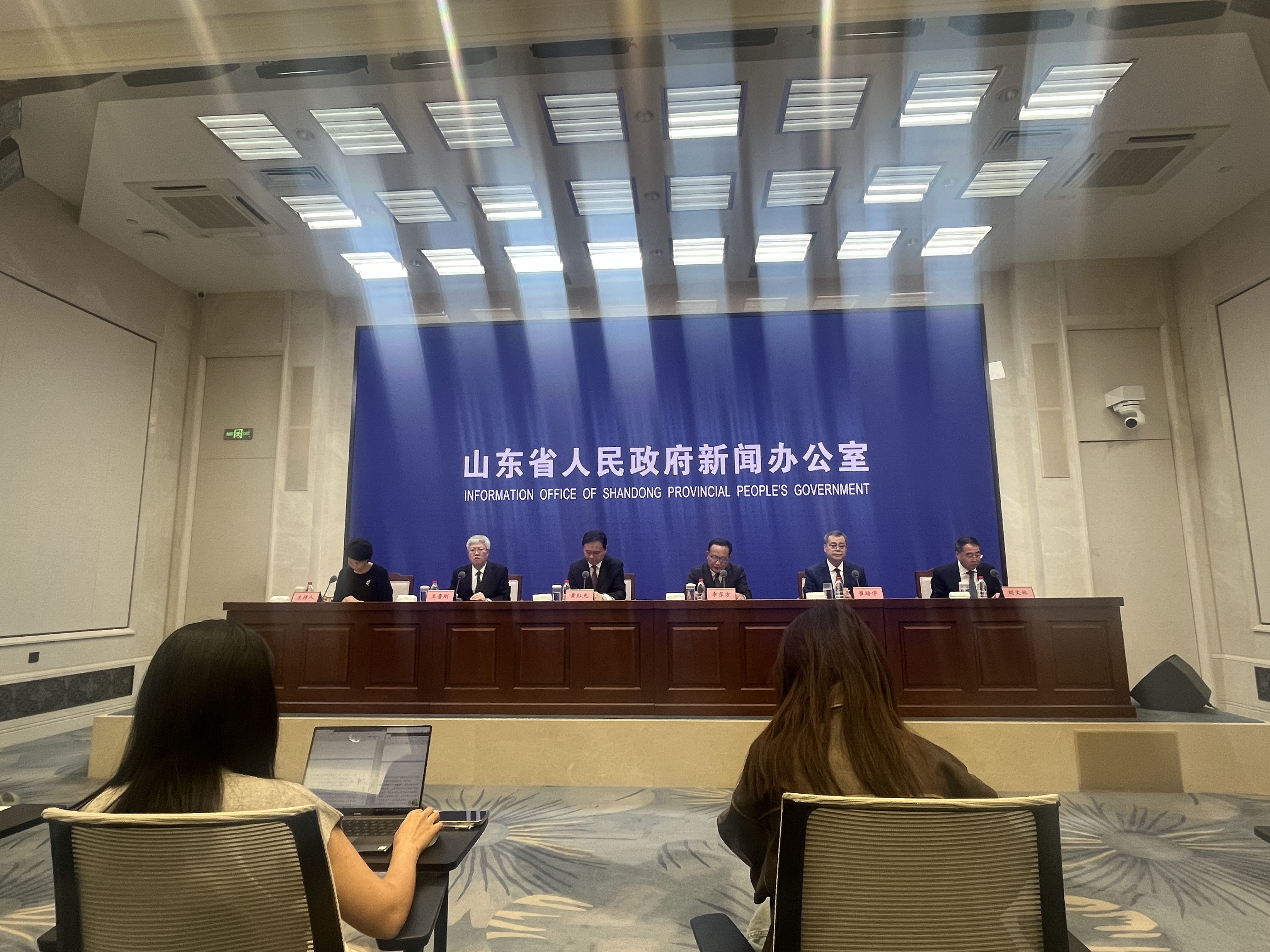
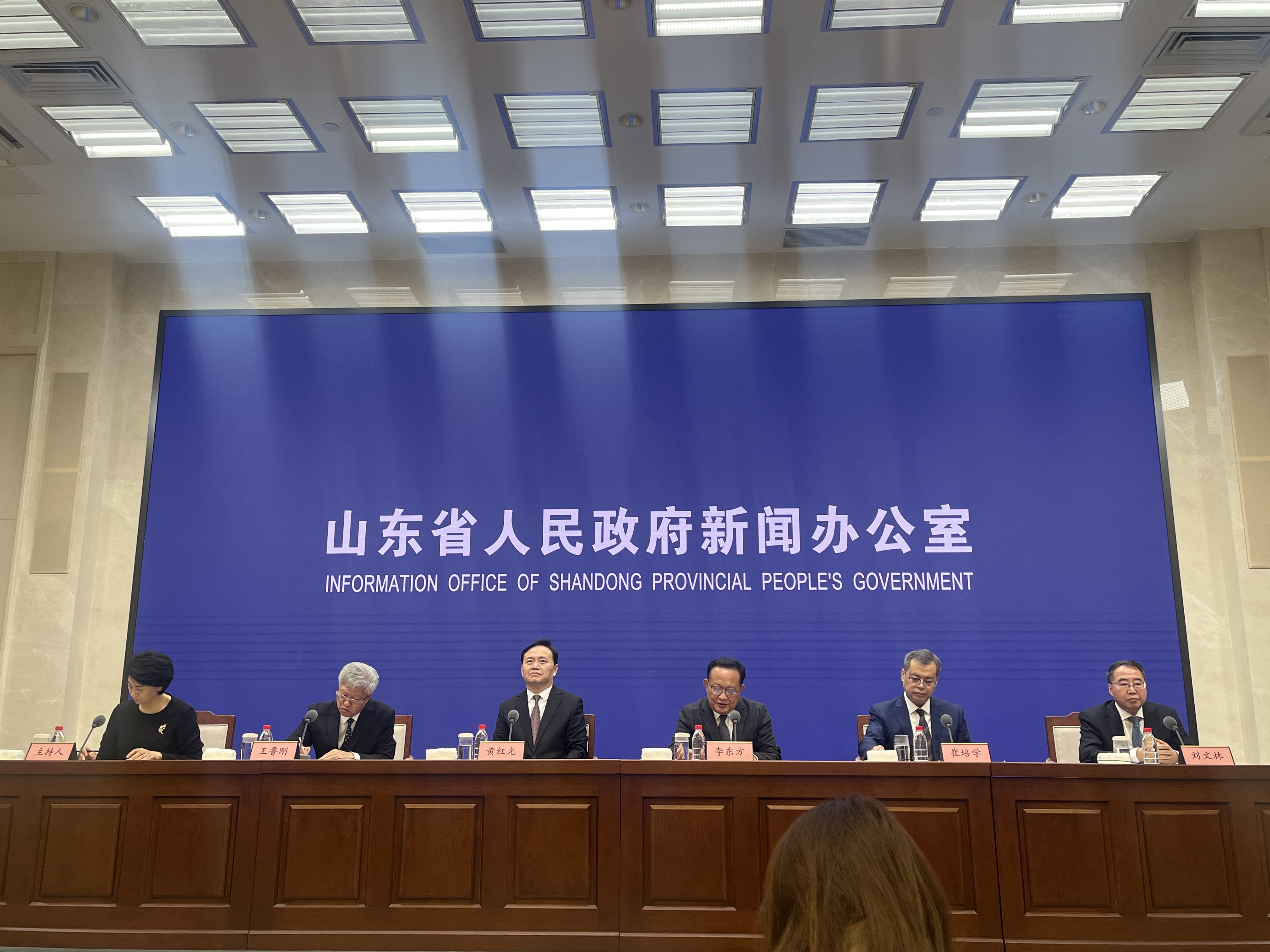
“十四五”时期山东省完成水利投资预计将超过3200亿元
Qi Lu Wan Bao· 2025-09-30 07:46
Core Insights - Shandong Province is set to invest over 320 billion yuan in water conservancy during the 14th Five-Year Plan period, marking a significant increase compared to the previous plan [1][6]. Investment and Development - The total water conservancy investment in Shandong is expected to exceed 320 billion yuan during the 14th Five-Year Plan, which is 1.6 times that of the 13th Five-Year Plan [6]. - Annual water conservancy investments have consistently increased, from 40.5 billion yuan in 2021 to a projected 80 billion yuan in 2024 [6]. - The province has improved its water supply capacity to 12.5 billion cubic meters, with a total water supply pipeline length exceeding 7,100 kilometers [6]. Water Safety and Flood Control - Shandong has achieved the top ranking in the strictest water resource management assessment by the State Council for 2024 [5]. - The flood control system has been enhanced, with a 95% reduction in the population affected by flood disasters compared to the previous five-year period [6]. Ecological Protection - The province has implemented a river and lake management system, with over 66,000 river and lake managers actively involved [7]. - Water and soil loss has decreased by 10.5 percentage points, and the water retention rate has improved to 86.5% [7]. Economic Integration - The "Water Network+" initiative has been launched to integrate water network construction with various sectors, including inland shipping and green industries [8]. - Shandong's water resources support 5% of the nation's arable land and contribute to 8% of the country's grain production [8]. Public Welfare and Community Impact - Rural water supply has improved significantly, with 96% of rural areas now having access to piped water [9]. - The effective utilization coefficient of irrigation water has reached 0.6504, ranking first among the nine provinces along the Yellow River [9].
一网慧治!山东5239座小型水库雨水情监测、视频监控全覆盖
Qi Lu Wan Bao· 2025-09-30 07:45
Core Viewpoint - Shandong Province is accelerating high-quality water conservancy development during the 14th Five-Year Plan period, with a focus on modern water network construction and management [4][5]. Group 1: Modern Water Network Construction - Shandong has become the first province in the country to initiate modern water network construction, receiving national approval as a pilot area for provincial-level water networks [4]. - Over the past three years, Shandong has invested more than 220 billion yuan in water infrastructure, optimizing the layout and functionality of water resources [5]. - The modern water network framework includes key projects such as the Yellow River and South-to-North Water Diversion, enhancing water resource allocation and disaster prevention capabilities [5]. Group 2: Management System Innovations - The province has established a provincial-level water network operation and scheduling center, implementing unified management across major water projects and rivers [6]. - Comprehensive water pricing reforms have been introduced in multi-source supply areas, facilitating cross-regional water resource allocation [6]. - The integration of physical and digital water networks has led to improved monitoring and control systems, enhancing operational efficiency [6].
珠江水利委员会率先编制完成流域蓄滞洪区建设与管理规划报告
Shui Li Bu Wang Zhan· 2025-09-30 06:48
Core Viewpoint - The construction and management of flood retention areas are crucial for ensuring flood safety in river basins, with the Ministry of Water Resources prioritizing this initiative and launching a new round of planning for flood retention areas nationwide [1][2]. Group 1: Planning and Management - The Pearl River Water Resources Commission has completed the planning report for flood retention area construction and management, aligning with the overall layout determined by the flood control planning revision [2][3]. - The planning aims to achieve the goals of "inflow, retention, discharge, and safety for people," adapting to high-quality water resource development and high-level water safety assurance [2]. Group 2: Implementation Strategies - The commission has established a dedicated task force for the planning revision, conducting multiple meetings to ensure efficient progress [2]. - A technical outline for the planning revision has been developed and issued, focusing on systematic and scientific planning for flood retention area management [2]. - Field research teams have been dispatched to relevant cities in Guangxi and Guangdong to assess local construction needs and challenges, laying the groundwork for future planning revisions [2]. Group 3: Collaborative Efforts - A five-level collaborative working mechanism has been established, involving national, river basin, provincial, municipal, and county levels to enhance the relevance and applicability of the planning [2]. - Discussions have been organized to incorporate local feedback into the planning process, ensuring alignment with both higher-level directives and local realities [2]. Group 4: Future Directions - The Pearl River Water Resources Commission will continue to refine the planning outcomes in accordance with the Ministry of Water Resources' directives, aiming for a modernized flood retention area that balances high-quality development with high-level safety [3].
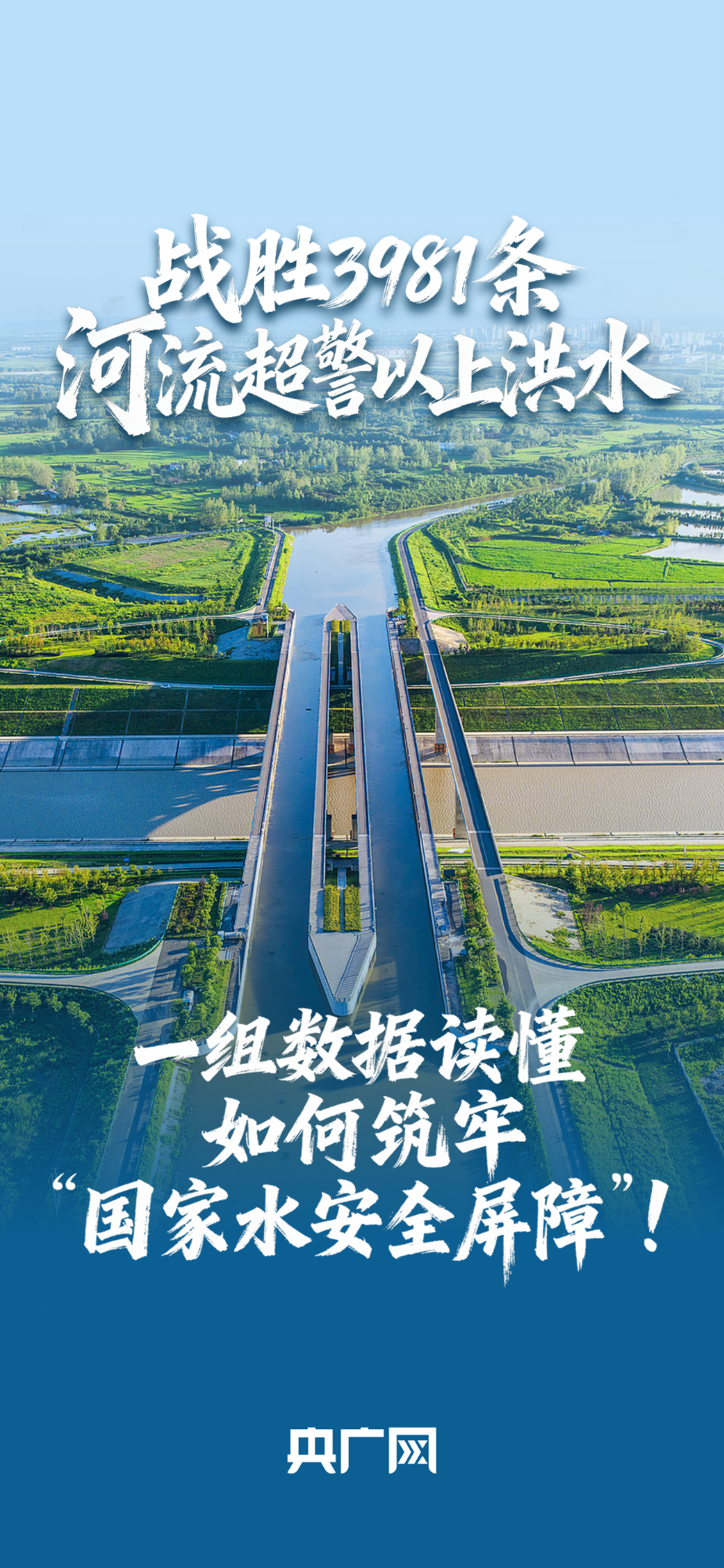
数读“十四五”答卷丨战胜3981条河流超警以上洪水!一组数据读懂如何筑牢“国家水安全屏障”!
Yang Guang Wang· 2025-09-30 00:59
Core Viewpoint - The press conference highlighted the achievements in high-quality water conservancy development during the 14th Five-Year Plan period, emphasizing the construction of major water projects and improvements in ecological flow standards. Group 1: Major Water Projects and Investments - A total of 172 major water conservancy projects have commenced construction [9] - The investment in water conservancy construction reached a historical record of over 1 trillion yuan in 2022, with an expected total investment of over 5.4 trillion yuan during the 14th Five-Year Plan, which is 1.6 times that of the previous plan [5] - By the end of 2024, the national water network coverage rate is expected to reach 80.3%, with irrigated farmland area reaching 1.09 billion mu [18] Group 2: Ecological and Structural Improvements - The ecological flow compliance rate for key rivers and lakes has reached 98.6% [14] - Major water diversion projects and irrigation areas have been established, including 200 large and medium-sized water diversion projects and 692 irrigation areas [11] - The country has implemented the Mother River Revival Action, restoring several rivers that had been dry for decades [14] Group 3: Disaster Prevention and Management - The water and drought disaster prevention system has been continuously improved, successfully overcoming floods in 3,981 rivers exceeding warning levels [20] - The proportion of flood and drought disaster losses to GDP has decreased from 0.28% during the 13th Five-Year Plan to 0.18% [21]
我国水利连破纪录 按下建设“加速键”
Yang Shi Xin Wen Ke Hu Duan· 2025-09-29 23:36
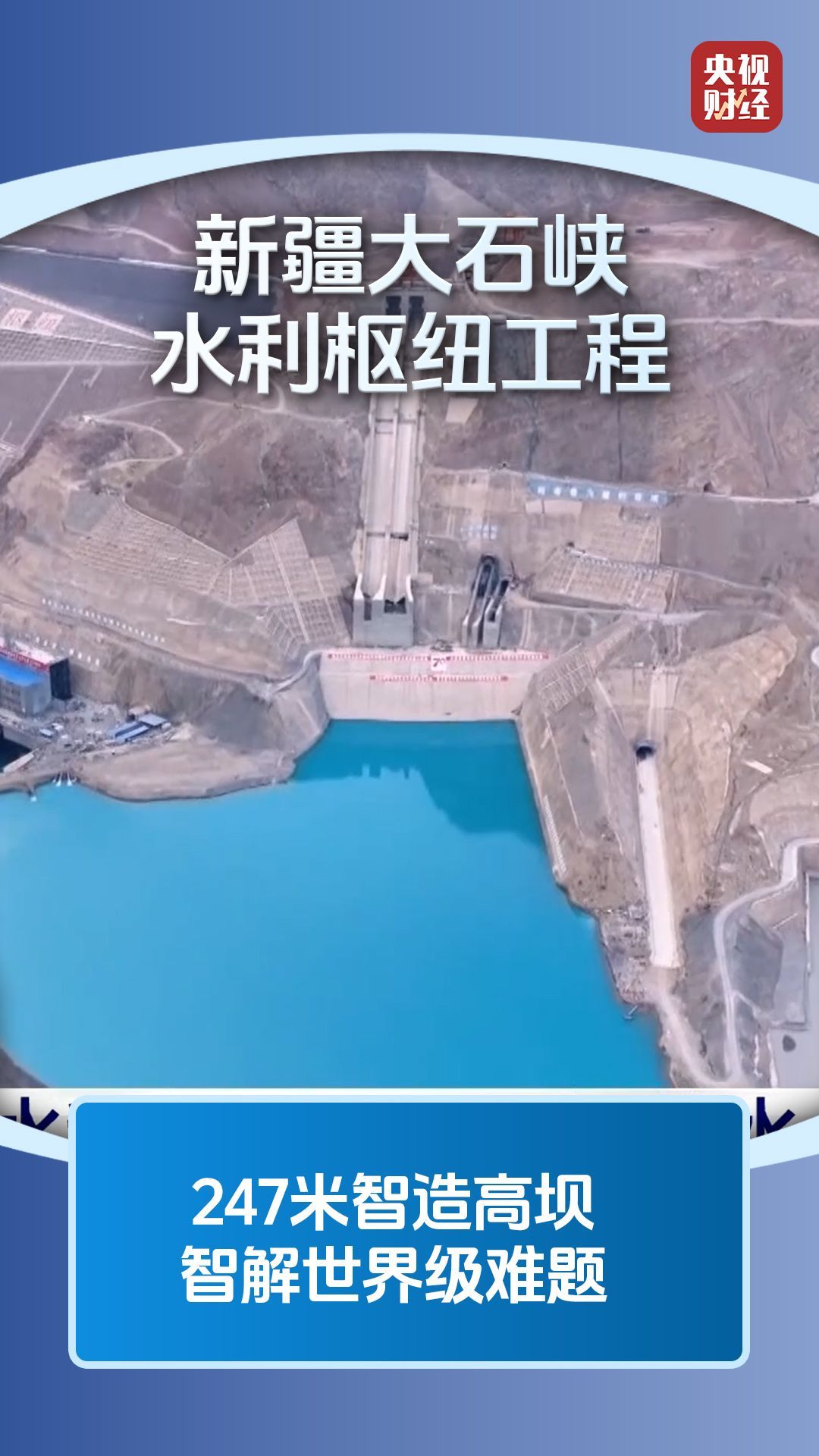
Group 1 - The core viewpoint of the articles highlights significant advancements in China's water conservancy infrastructure construction since the start of the 14th Five-Year Plan, with investments exceeding 1 trillion yuan for the first time in 2022 and projected to reach 13.529 billion yuan in 2024, totaling over 54 trillion yuan by the end of the plan, which is 1.6 times that of the previous five-year plan [1] - Since the beginning of the 14th Five-Year Plan, 172 major water conservancy projects have been initiated, optimizing the layout, structure, function, and system integration of water infrastructure [1] - By the end of 2024, China will have built 95,000 reservoirs, 200 large and medium-sized water diversion projects, 6,924 large and medium-sized irrigation areas, and 318,000 kilometers of embankments, forming the world's largest and most comprehensive water conservancy infrastructure system [1] Group 2 - The Dashi Gorge Water Conservancy Hub Project, a major national water conservancy project, has successfully begun water storage, featuring a maximum dam height of 247 meters, setting a world record for concrete-faced rockfill dams [2][5] - The project plans to install three 250,000-kilowatt turbine generator sets, with a total installed capacity of 750,000 kilowatts, capable of producing over 1.8 billion kilowatt-hours of clean electricity annually, sufficient to meet the annual electricity needs of 650,000 households [2] - The project employs "smart construction" techniques to address various challenges, including high seismic intensity and rapid flood discharge, utilizing real-time data for dynamic reservoir management and health monitoring of the dam [5] Group 3 - The Yunnan Central Water Diversion Project has made significant progress, with the successful construction of the Qujiang inverted siphon, marking a breakthrough in this major national water conservancy project [6] - This project is the largest water diversion project under construction in China, spanning 664.326 kilometers, with an average annual water diversion capacity of 3.4 billion cubic meters, benefiting over 11 million people along the route [9] - The Chongqing Zhaodu Reservoir Project has successfully completed the first tunnel, enhancing regional water supply and irrigation capabilities while serving as a flood control barrier for the surrounding areas [13]
能源早新闻丨千万千瓦级“沙戈荒”新能源大基地开工!
中国能源报· 2025-09-29 22:33
News Focus - The National Development and Reform Commission is soliciting public opinions on the "Standards for Determining Major Electrical Accident Hazards and Governance Supervision Management Regulations" to enhance the identification and management of major electrical accident hazards [2] - Six departments, including the Ministry of Industry and Information Technology, released a plan indicating that the mechanical industry is expected to maintain a stable and positive trend from 2025 to 2026, with an average annual revenue growth rate of around 3.5%, aiming to exceed 10 trillion yuan [2] Domestic News - China has built the world's largest water conservancy infrastructure system, with 172 major water conservancy projects initiated since the 14th Five-Year Plan, including 95,000 reservoirs and 200 large and medium-sized water diversion projects [3] - A new large-scale renewable energy base in Inner Mongolia has commenced construction, with a total investment of 98.8 billion yuan, planning to build 8 million kilowatts of photovoltaic and 4 million kilowatts of wind power [3] Infrastructure Developments - The second phase of the Qinghai-Tibet DC expansion project has officially commenced operation, doubling the transmission capacity between Qinghai and Tibet to 1.2 million kilowatts, which is significant for enhancing power supply security in Tibet [4] - The Yunnan Central Water Diversion Project has achieved a breakthrough with the successful construction of the Qujiang siphon project, which is part of the largest water diversion project under construction in China [4] Corporate News - China Salt Lake Industrial Group has launched a 40,000-ton lithium salt project and a 20,000-ton lithium carbonate project in Qinghai, promoting technological upgrades in the lithium salt industry [8] - China National Offshore Oil Corporation has made significant discoveries in the Bohai Bay Basin, drilling a high-yield oil and gas well with a daily output of approximately 500 tons of crude oil and 20,000 cubic meters of natural gas [8]
安徽省水库安全生产风险管控“六项机制”地方标准发布
Shui Li Bu Wang Zhan· 2025-09-29 14:52
Core Points - The "Regulations on Six Mechanisms for Risk Control in Reservoir Safety Production" (DB34/T 5285 - 2025) has been approved by the Anhui Provincial Market Supervision Administration and will be implemented on October 3, 2023 [1] - The regulations focus on safety risk classification control and hidden danger investigation and governance, establishing mechanisms for identification, judgment, early warning, prevention, disposal, and responsibility in reservoir safety production risk control [1] - The implementation of this standard fills the gap in the construction standards for the "six mechanisms" of safety production risk control in Anhui's water conservancy sector, enhancing risk control capabilities and effectively preventing and curbing production safety accidents [1]
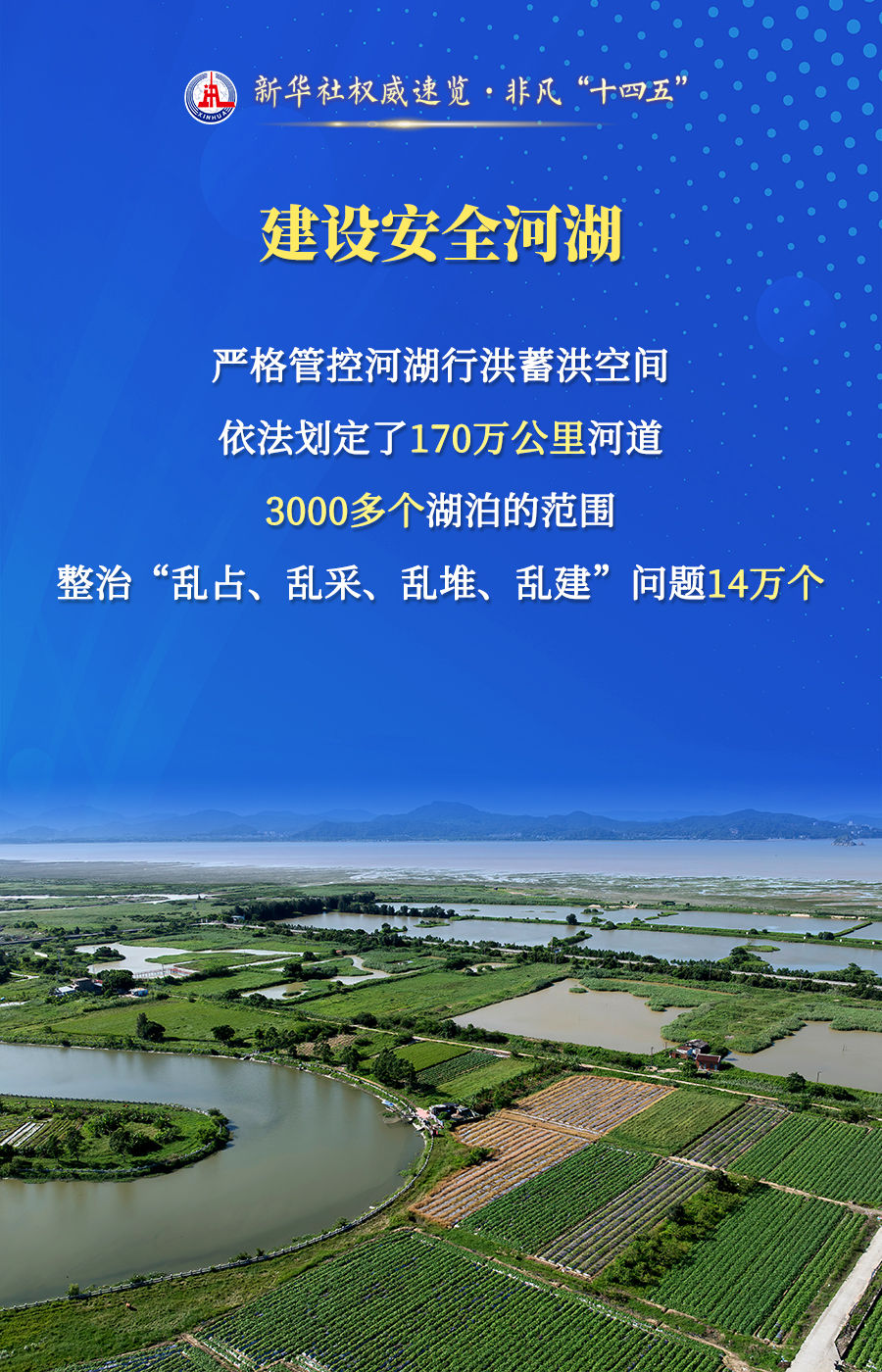
新华社权威速览·非凡“十四五”|水更清岸更绿景更美,水利部门这么干!
Xin Hua She· 2025-09-29 11:14
Core Insights - The article emphasizes the improvement of water quality and ecological environments in rivers and lakes during the "14th Five-Year Plan" period, focusing on the implementation of the river and lake chief system to enhance public access to clean water and beautiful landscapes [1] Group 1: Construction of Safe, Life, and Happy Rivers and Lakes - The water conservancy department is working on building safe, life, and happy rivers and lakes, aiming to provide citizens with more beautiful scenes of clear water and green banks [1] - The "Mother River Revival Action" has been implemented, which includes health evaluations of rivers and lakes, enhancing water system connectivity, and ecological replenishment [3] - A significant restoration of water areas has been achieved, with over 1,300 square kilometers of water surface area restored in major lakes such as Dongting Lake, Poyang Lake, Taihu Lake, Hongze Lake, and Honghu Lake [3] Group 2: Happy River and Lake Construction - Support has been provided for local implementation of 122 happy river and lake construction projects, resulting in the establishment of numerous unique happy rivers and lakes [5] - The transformation of good ecological water into "economic water" is accelerating [5] Group 3: Ecological Environment Improvements - The ecological environment of rivers and lakes has significantly improved, with several rivers that had been dry for decades, such as the Grand Canal and the Xiliao River, now fully flowing again [7] - The ecological flow compliance rate for key rivers and lakes has reached 98.6% [7]