
物业管理

Search documents
2元停车费能否“停”出城市新秩序?广州“电鸡”收费停车场生存调查
Xin Lang Cai Jing· 2025-12-27 05:19
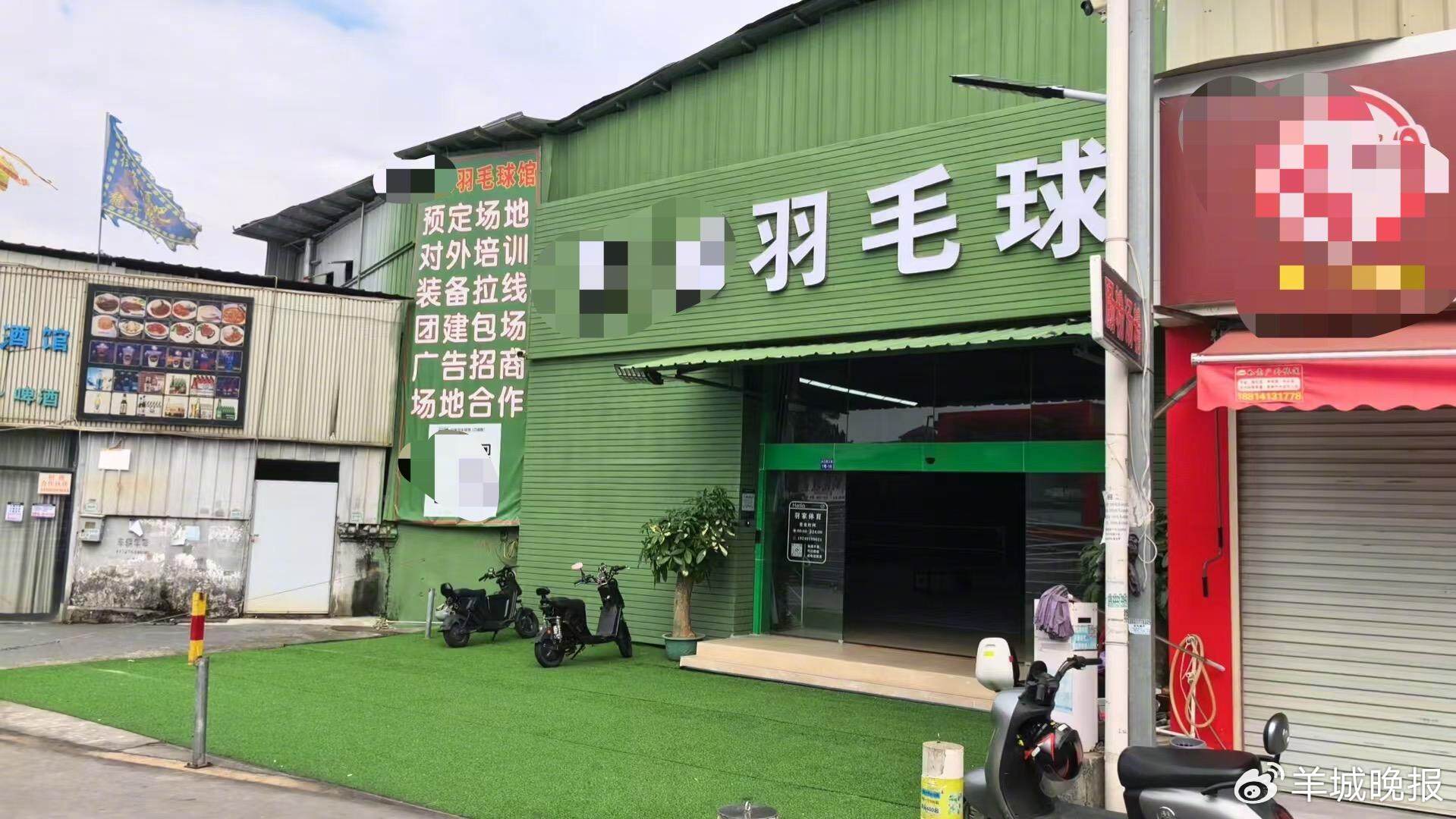
清晨8点,西塱地铁站外,广中立交桥下的电动自行车收费停车场已开始忙碌,"电鸡"一辆接一辆整齐停放在划线内,通道畅通,保安不时上前引导停放。 仅50米外,盲道却被乱停的电动车占满,一块"禁止停放"的警示牌下,照样堆着十几台车。 同样是2元一天的收费停车场,命运却截然不同,西塱的车场已平稳运行四年,秩序井然;荔湾菊树站曾设的同类停车场,不到一年就悄然拆除,原址如今 成了一家羽毛球馆。 但市民究竟愿意为什么样的管理买单?收费模式如何设计才合理?管理方是否应承担保管责任?带着这些疑问,羊城晚报记者近日走访西塱、菊树、万胜 围、同和等多个地铁站,发现收费停车场的存续与其是否匹配真实需求、提供对应服务密切相关。 无需求,强收费: 菊树与万胜围的短命停车场 据去年12月媒体报道,广州菊树地铁站C口旁曾设立一处电动自行车收费停车场。场地由大棚改造,配备道闸,实行扫码入场、2元/次的收费模式(24小时 封顶)。初期免费开放,后转为收费,并同步封闭了周边原有的免费停车位。 记者查阅当时的现场图片发现,入口处告示牌明确写着:"本场地是无人值守车场,收费仅指车辆场地占用使用费,不承担车辆管理责任。"有车主当时质 疑:"我在你的场地给 ...

临困人员专场招聘会 广州开辟从“救助”到“就业”可持续发展道路
Xin Lang Cai Jing· 2025-12-27 01:15
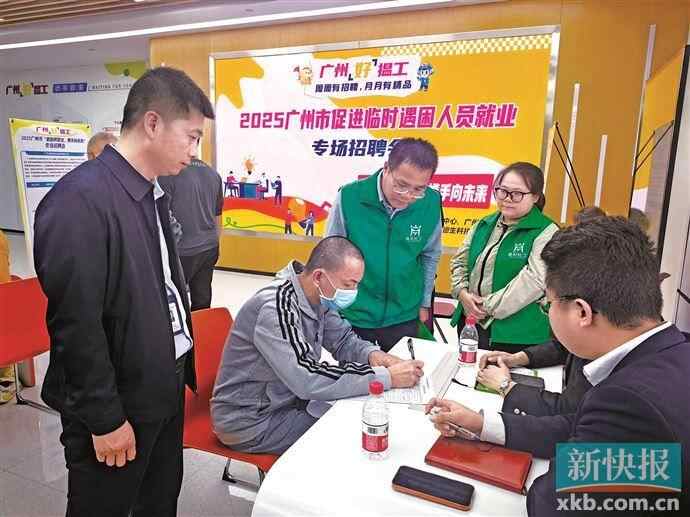
■采写:新快报记者 潘芝珍 李斯璐 通讯员 蔡英莺 "如果能有份正式工作,有地方住,我这心里就踏实了!"曾经流浪街头的王大哥在招聘会场与企业达成 初步就业意向,难掩兴奋与感慨。近日,广州市促进流浪乞讨人员就业服务平台(以下简称"服务平 台")依托广州市救助管理站(以下简称"市救助站"),联合广州市人力资源市场服务中心,共同举办 主题为"救助帮就业·携手向未来"的2025年广州市促进临时遇困人员就业专场招聘会,旨在为临时遇困 人员开辟一条从"救助"到"就业"的可持续发展道路。新快报记者获悉,现场38名流浪乞讨人员中,有36 人与企业达成初步就业意向。 本次招聘会是服务平台在"救助-就业"领域的一次创新实践,首次将就业服务精准延伸到有劳动能力和 就业意愿的流浪乞讨人员。现场汇集了百胜餐饮(广东)有限公司、广州跨越速运有限公司、广东汇沣 物业管理有限公司等29家优质企业,提供涵盖物业管理、餐饮服务、物流运输等领域的1800余个爱心岗 位。 "不慌!来之前接受了就业培训,面试还有(市救助站)工作人员陪同。"来自市救助站的一位应聘者笑 言,自己对成功揾工有"七八分把握"。 首入专场招聘会的受助人员,其底气来源于市救助站 ...
积极回应民生需求
Xin Lang Cai Jing· 2025-12-27 01:13
Core Viewpoint - The proactive measures taken by the property management in Caofeidian District and Honghan Wenfu Community to address residents' electric bicycle charging needs have been positively received by the community, enhancing residents' sense of safety and satisfaction [1] Group 1: Community Engagement - The property management actively listened to residents' concerns regarding the increasing demand for electric bicycle charging facilities [1] - The initiative to construct convenient electric bicycle charging facilities was funded by the property management, demonstrating a commitment to addressing community needs [1] Group 2: Impact on Residents - The installation of charging facilities effectively resolved the inconvenience of charging electric bicycles for residents, contributing to a safer and more convenient living environment [1] - Residents expressed their appreciation for the property management's efforts, which have improved their overall happiness and satisfaction levels [1]
昆明73家物业服务企业被点名→
Xin Lang Cai Jing· 2025-12-26 15:56
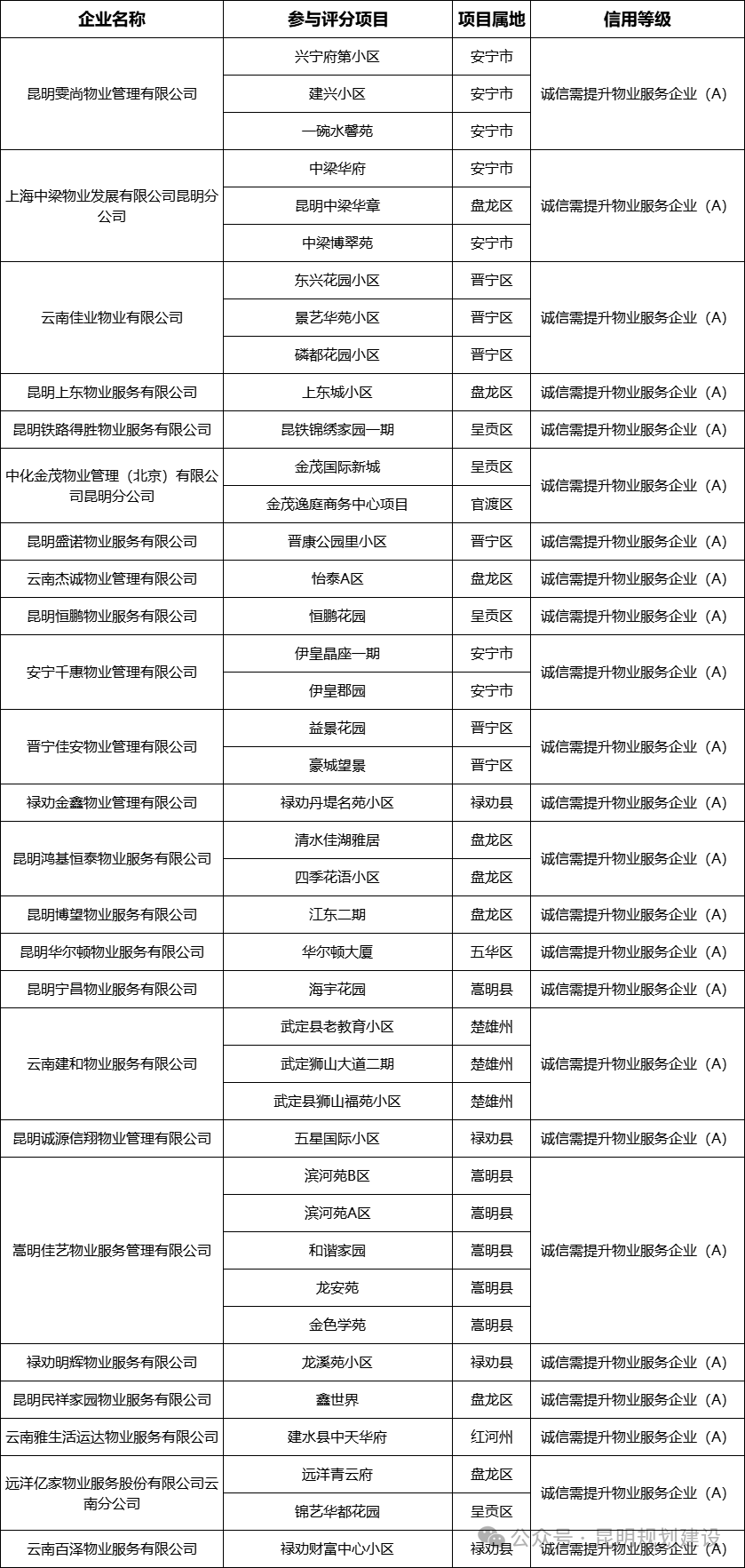
其中,达到"4A"标准的优秀物业服务企业有30家,"A级"诚信需提升物业服务企业有73家。 按照《云南省物业服务企业信用评价管理办法(修订版)》以及《云南省住房和城乡建设厅关于开展2024年度全省物 业服务企业信用评价工作的通知》要求,昆明市物业服务企业以物业服务项目为评价单位,向项目所在地的县(市) 区住房城乡建设部门进行申报。 根据物业服务企业自主申报情况,经各县(市)区住房城乡建设部门对辖区内住宅小区物业服务企业信用信息进行采 集、确认、计分,由昆明市住房和城乡建设局对属地登记企业的综合统计得分进行确认后,经公示,最终形成2024年 度昆明市住宅小区物业服务企业"4A"及以下等级信用评价结果。 近日,昆明市住房和城乡建设局发布《关于公布2024年度昆明市住宅小区物业服务企业"4A"及以下等级信用评价结果 的通知》,公布354家物业企业的信用评价结果,涉及1085个小区。 | 晋宁佳安物业管理有限公司 | | | 诚信需提升物业服务企业(A) | | --- | --- | --- | --- | | | 豪城望景 | 晋宁区 | | | 禄劝金鑫物业管理有限公司 | 禄劝丹堤名苑小区 | 禄劝县 | 诚 ...
每平方米不是3.6元而是36元,豪宅物业费持续上涨令人震惊
Mei Ri Jing Ji Xin Wen· 2025-12-26 14:20
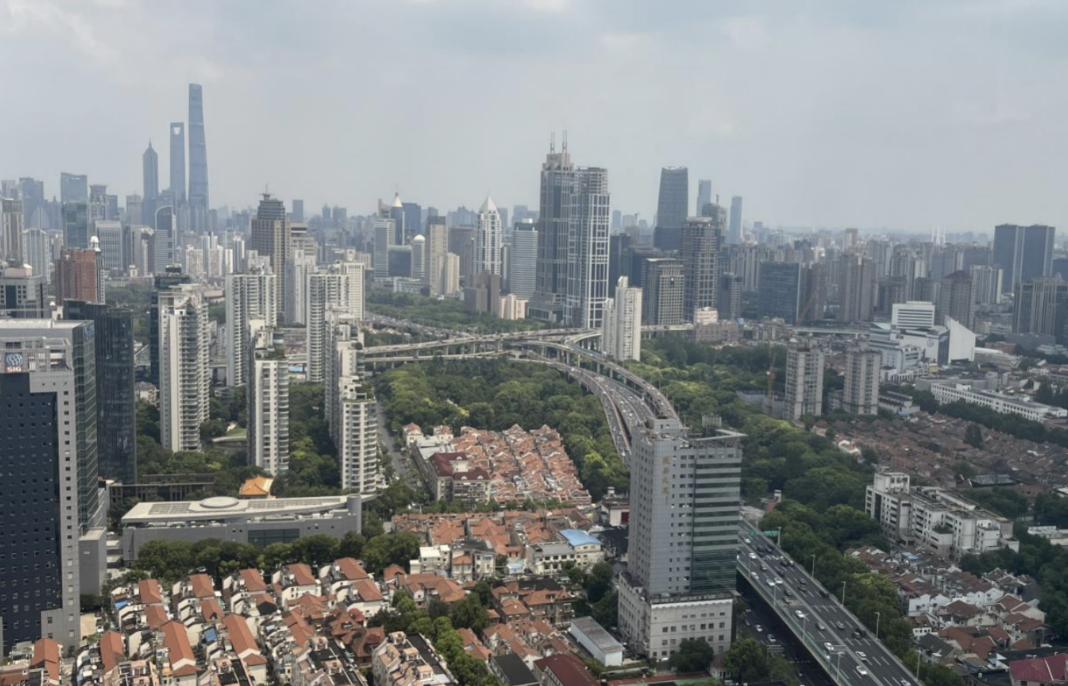
Core Insights - The article discusses the rising property management fees in core cities, particularly in Shanghai, where fees have reached unprecedented levels, while fees for existing properties are declining [2][3][10] - The increase in property management fees is attributed to the evolving value logic of the high-end real estate market, driven by multiple factors including operational costs and service upgrades [2][8][11] Group 1: Rising Property Management Fees - In Shanghai, the property management fee for the Haitai North Bund project has reached 36 yuan per square meter per month, translating to annual fees between 160,000 yuan and 650,000 yuan for homeowners [5] - The average property management fee for new projects in Shanghai is reported at 7.46 yuan per square meter per month, with the highest fees in Huangpu, Jing'an, and Yangpu districts [5][10] - In Beijing, the property management fee for the "Fanyue 108" project is as high as 30 yuan per square meter per month, with annual fees ranging from 40,000 to 170,000 yuan [7] Group 2: Factors Influencing Fee Increases - The rising fees are linked to the emphasis on upgraded amenities and services in high-end properties, which include clubhouses, central air conditioning, and enhanced security systems, leading to higher operational costs [8][11] - As the real estate market faces downturns, developers and property companies have less room to subsidize costs, making new property management fees reflect long-term operational contracts rather than promotional strategies [8][11] - The pricing logic for luxury properties is shifting from basic services to a comprehensive approach that includes asset protection, experience management, and risk management [8] Group 3: Declining Fees for Existing Properties - Despite the rise in fees for new properties, many existing properties are experiencing a decline in management fees, with over 100 communities reportedly reducing fees by 20% to 30% [10][11] - The decline in fees is attributed to mismatches between historical pricing and current market expectations, leading to increased sensitivity among homeowners regarding value for money [11] - Several property management companies are withdrawing from the market due to rising costs and high rates of unpaid fees, affecting both small and large firms across multiple cities [10]
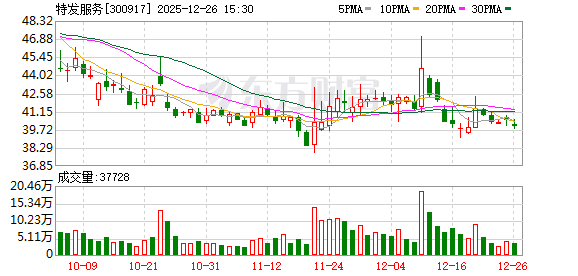
特发服务:2025年第五次临时股东会决议公告
Zheng Quan Ri Bao· 2025-12-26 12:42
证券日报网讯 12月26日,特发服务发布公告称,公司2025年12月26日召开2025年第五次临时股东会, 审议通过《关于公司董事2024年考核结果及奖金事宜的议案》等多项议案。 (文章来源:证券日报) ...

多地豪宅物业费上涨,有楼盘每平方米36元,业主最高一年要交65万元!专家:不是物业公司敢收这么高,而是长期运营成本显性化了
Mei Ri Jing Ji Xin Wen· 2025-12-26 12:39
Core Viewpoint - The pricing of property management fees for new luxury properties in core cities, particularly in Shanghai, is reaching unprecedented heights, while existing properties are experiencing a decline in fees, indicating a divergence in the real estate market dynamics [1][11]. Group 1: Property Management Fees in Core Cities - In Shanghai, the property management fee for the Haitai North Bund project has reached 36 yuan per square meter per month, with annual fees for owners ranging from 160,000 to 650,000 yuan [4]. - The average property management fee for new projects in Shanghai is 7.46 yuan per square meter per month, with the highest averages in Huangpu, Jing'an, and Yangpu districts at 17.56, 12.06, and 9.92 yuan respectively [4]. - In Beijing, the property management fee for the "Fanyue 108" project is as high as 30 yuan per square meter per month, with annual fees varying between 40,000 and 170,000 yuan [5]. - In Shenzhen, the property management fee for the Shenzhen Bay One project is 33 yuan per square meter per month, leading to monthly fees exceeding 20,000 yuan for many units [8]. Group 2: Trends in Property Management Fees - The luxury property market is seeing a significant increase in management fees due to enhanced service offerings and operational costs, with a shift towards long-term operational contracts rather than promotional pricing strategies [9][10]. - The overall property management fees in major cities are projected to decline, with a national average of 2.72 yuan per square meter per month by December 2025, reflecting a year-on-year decrease of 0.23% [12]. - Despite the increase in fees for new luxury properties, many existing properties are experiencing a price drop, with over 100 communities nationwide reducing fees by 20% to 30% last year [12][13]. Group 3: Market Dynamics and Future Outlook - The rising property management fees for new luxury developments are attributed to the increasing operational costs associated with enhanced amenities and services, which are becoming more transparent to consumers [9][10]. - The divergence in property management fees between new and existing properties highlights a mismatch between historical pricing and current market expectations, leading to increased sensitivity among homeowners regarding value for money [13]. - The luxury market's willingness to pay higher fees reflects a trend towards aligning property management costs with the quality of service and experience provided, indicating a potential shift in market standards [14].

再下一城!融创服务与爱玛科技集团达成战略合作,强强联手共筑智能制造服务新标杆
Xin Lang Cai Jing· 2025-12-26 12:29
Core Insights - Sunac Services Group has entered a strategic partnership with Aima Technology Group, winning a comprehensive property service project for Aima's headquarters in Tianjin, covering over 870,000 square meters, marking a significant milestone in the smart manufacturing sector for Sunac Services [1][9] Company Overview - Aima Technology Group, established in 1999 and listed on the Shanghai Stock Exchange in 2021, specializes in the research, production, and sales of electric bicycles and motorcycles, with over 30,000 retail outlets globally and ten manufacturing bases across China [1] - Sunac Services is a nationally qualified property service enterprise, recognized as a leading company in the property management sector, focusing on high-quality development strategies and offering a diverse range of services including industrial park services, commercial operations, and residential management [2][3] Service Capabilities - Sunac Services has developed specialized service solutions tailored for high-end manufacturing and corporate office environments, leveraging extensive experience from servicing top global technology and manufacturing firms [5] - The company employs a "zero interference" service model and comprehensive asset management capabilities, which are critical factors for high-end industrial clients when selecting long-term partners [5] Strategic Collaboration - The partnership between Sunac Services and Aima Technology reflects a shared commitment to quality service and local collaboration, leveraging their mutual understanding of regional culture and management practices [9] - Sunac Services aims to transform Aima's Tianjin headquarters into a model for "safe, efficient, and intelligent" manufacturing services and plans to replicate its standardized service system across Aima's national operations [9][10]

*ST中装:公司股票将于2025年12月29日(星期一)开市起停牌一个交易日
Mei Ri Jing Ji Xin Wen· 2025-12-26 10:39
每经头条(nbdtoutiao)——对话马斯克脑机接口"一号受试者":大脑植入芯片23个月,我正重新夺回 人生的独立 每经AI快讯,*ST中装(SZ 002822,收盘价:4.07元)12月26日晚间发布公告称,为完成本次转增股本 事项,公司向深圳证券交易所申请,公司股票于本次资本公积金转增股本事项的股权登记日当天(2025 年12月29日)停牌一个交易日,并将于2025年12月30日开市起复牌。 2025年1至6月份,*ST中装的营业收入构成为:物业管理及服务占比67.08%,建筑装饰业占比32.92%。 截至发稿,*ST中装市值为39亿元。 (记者 张明双) ...
中天服务:12月26日召开董事会会议
Mei Ri Jing Ji Xin Wen· 2025-12-26 10:20
每经AI快讯,中天服务(SZ 002188,收盘价:6.32元)12月26日晚间发布公告称,公司第六届第十八 次董事会会议于2025年12月26日以通讯方式召开。会议审议了《关于部分募集资金投资项目延期的议 案》等文件。 2025年1至6月份,中天服务的营业收入构成为:物业管理占比94.84%,其他占比5.16%。 截至发稿,中天服务市值为21亿元。 每经头条(nbdtoutiao)——对话马斯克脑机接口"一号受试者":大脑植入芯片23个月,我正重新夺回 人生的独立 (记者 曾健辉) ...
