演艺

Search documents
文化新观察·聚焦国庆中秋假期|红色旅游新模式“走新”更“走心”
Xin Hua She· 2025-10-06 00:40
Core Viewpoint - The large-scale historical stage play "Chongqing 1949" has become a popular choice for tourists during the National Day and Mid-Autumn Festival holidays, attracting a diverse audience through its innovative immersive experience and dynamic staging [1][3] Group 1: Audience Engagement - The play successfully breaks generational barriers by appealing to younger audiences, with over 70% of viewers being under 35 years old, thanks to its modern presentation that contrasts with traditional static red-themed performances [3][4] - Audience members reported feeling emotionally connected to the performance, with interactive elements allowing them to engage with the story and characters, enhancing their overall experience [4][6] Group 2: Tourism and Cultural Integration - The success of "Chongqing 1949" provides a new approach to address the long-standing issues of shallow experiences and short engagement chains in red tourism, encouraging visitors to explore nearby historical sites like the Zhazidong and Baigongguan after the show [4][5] - The integration of red tourism with rural tourism, exemplified by the "red-green fusion" model, has gained popularity among tourists, particularly in the Qijiang District, which features significant historical sites related to the Red Army [4][5] Group 3: Innovative Experience Offerings - The play incorporates various interactive elements and surprises for the audience, extending the experience beyond the theater, such as actors mingling with the audience post-performance to recreate historical moments [4][6] - The Qijiang District is developing a comprehensive experience route that connects red historical sites with local agricultural attractions, enhancing the visitor experience through themed restaurants and local cuisine [7]

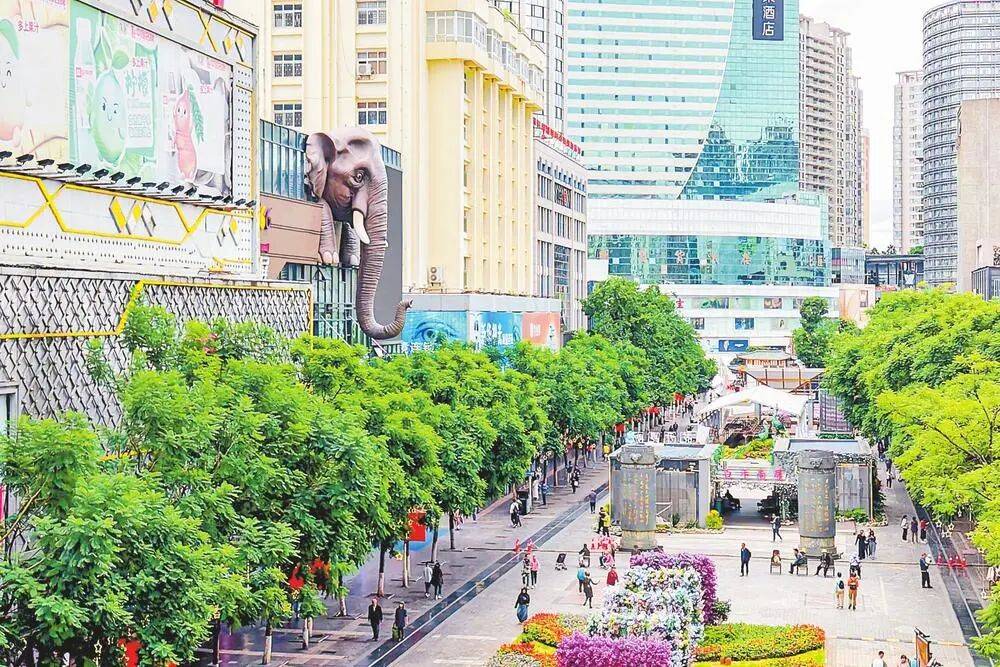
聚焦 | 文旅上新!云南消费市场持续升温
Sou Hu Cai Jing· 2025-10-05 17:33
Group 1 - The core viewpoint of the articles highlights the successful launch of various cultural and tourism projects in Yunnan during the National Day and Mid-Autumn Festival holidays, which have significantly boosted the local consumer market [2][4][5]. Group 2 - Lijiang has introduced a series of cultural activities, including a water curtain projection show at Black Dragon Pool Park, which runs from September 28 to October 20, offering free public access and showcasing stunning natural scenery through advanced technology [4][5]. - The "Coppersmith Fish" food festival in Chengjiang features a giant copper pot, attracting numerous visitors and generating significant tourism revenue, with approximately 112,200 visitors and a revenue of 99.02 million yuan reported [6][5]. - Shiping County has launched a series of themed activities, including a large tofu banquet and cultural performances, which have drawn substantial participation from both locals and tourists, enhancing the region's cultural and culinary appeal [6][7]. - The "Kaqiawa Festival" in Gongshan showcases the unique culture of the Dulong ethnic group through various performances and activities, contributing to local economic growth and community engagement [10]. - The "Muna Zongge Activity Week" in Longchuan aims to enhance the region's cultural brand and attract more visitors through a series of cultural exhibitions, folk experiences, and sports events [10].
“大戏看北京”2025展演季23个演艺新空间推介
Bei Jing Ri Bao Ke Hu Duan· 2025-10-05 05:39
Core Insights - The 2025 Performance Season in Beijing is characterized by the introduction of 23 new performance spaces that feature innovative venue designs, cutting-edge stage technology, and a diverse range of performances [2][4][6] Group 1: Performance Spaces - The A33 Theater focuses on immersive comedy, offering a close interaction between actors and the audience, making it suitable for social gatherings and workplace relaxation [2] - The "Flower World" immersive performance space by Happy Mahua emphasizes interactive theater, requiring audience members to dress in specific costumes and participate in the narrative, appealing to younger audiences [4] - The 77 Theater specializes in suspenseful immersive dramas, utilizing rotating seats and multimedia projections to create an engaging detective experience [6] Group 2: Community and Family Engagement - The Nanyang Shared Space focuses on small theater dramas and experimental works, providing a cultural consumption chain with nearby bookstores and cafes, making it accessible for exploring niche dramas [8] - The Double Benefit Performing Arts Center is designed for family-friendly children's plays, emphasizing values like honesty and cooperation, with a comfortable environment for parents [11] - The Fangzhuang Cultural Arts Center operates as a community theater, offering affordable performances across various genres, suitable for all age groups [20] Group 3: Cultural and Artistic Diversity - The Five Pines·Ailehui Art Space combines classical and popular music, catering to both casual listeners and seasoned music fans with a wide price range [13] - The Yanyuan Pavilion, one of Beijing's oldest theaters, showcases traditional arts like Peking opera and offers cultural explanations to enhance audience understanding [18] - The China Puppet Art Theater provides a unique experience with puppet shows and workshops, appealing to families and children [36] Group 4: Innovative and Experimental Formats - The Shougang High Furnace Soreal Sci-Fi Park is the world's first industrial relic transformed into a sci-fi theme complex, featuring VR experiences and interactive projects [49] - The Central Art District focuses on avant-garde art and cross-disciplinary performances, utilizing multimedia and VR technology to push the boundaries of traditional art forms [47] - The Sanlitun·Ailehui Art Space offers a blend of light art and strong atmosphere, regularly hosting music and cross-disciplinary performances suitable for casual outings [51]
云南:文旅上新 消费升温
Sou Hu Cai Jing· 2025-10-05 04:49
Group 1 - The article highlights the successful launch of various cultural and tourism projects in Yunnan province during the National Day and Mid-Autumn Festival holidays, attracting a significant number of visitors and boosting the local economy [5][6][8] - Lijiang has introduced a series of cultural activities, including free access to Black Dragon Pool Park and the integration of technology with nature through water curtain projection shows, enhancing the night tourism experience [5][6] - The "Coppersmith Food Festival" in Chengjiang features a giant copper pot for cooking fish, attracting over 112,200 visitors and generating approximately 99.02 million yuan in tourism revenue [6] Group 2 - Stone Screen County has launched a series of themed activities, including a large tofu banquet and non-heritage performances, successfully engaging both local residents and tourists [6][7] - The "Kaqiawa Festival" in Gongshan showcases the unique culture of the Dulong ethnic group through various performances and activities, promoting local cultural heritage and community engagement [7] - The 16th Muna Zongge Activity Week in Longchuan aims to enhance the brand recognition of "China's Muna Zongge Town" through cultural exhibitions and sports events, further stimulating the local consumer market [8]
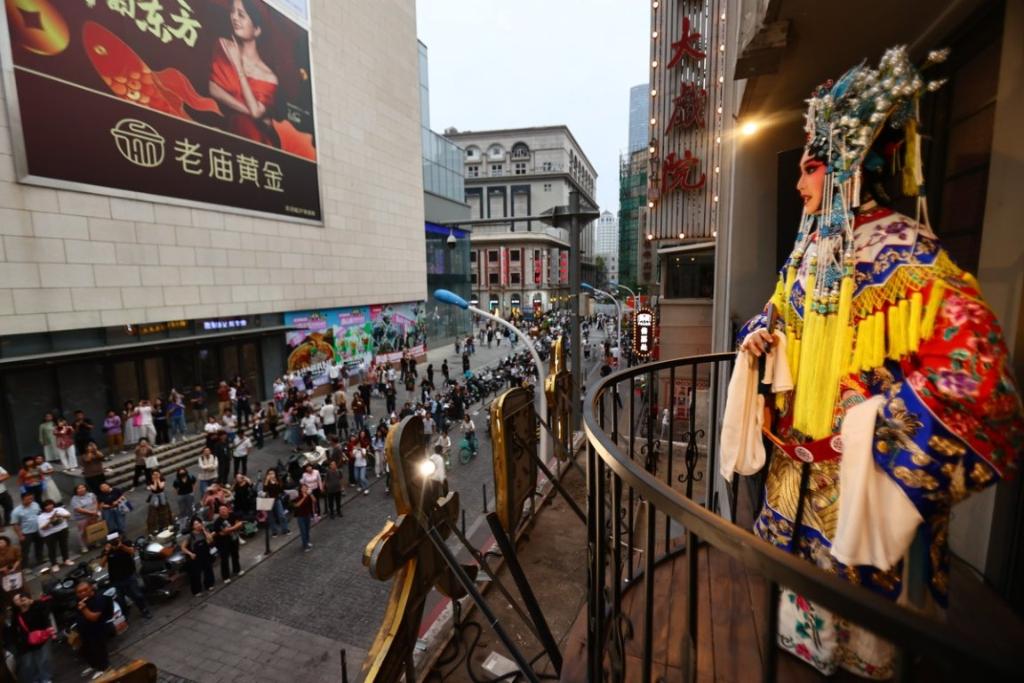
国庆假期,来天津看戏啊!
Xin Hua Wang· 2025-10-05 02:05
Group 1 - The Tianjin Chinese Grand Theatre has reopened its second-floor balcony during the National Day holiday, presenting itself as a "living museum" for local citizens and tourists [2] - The theatre, built in 1936, is known as the "golden hall" of Chinese drama and has been continuously performing for 89 years, showcasing various art forms including Peking opera, film, and dance [2] - The "National Day Carnival" event aims to blend traditional art with modern urban experiences, allowing audiences to actively participate rather than just passively watch [4] Group 2 - The event features various performances throughout the day, including elegant "qipao ladies dance," ancient magic flash performances, and Peking opera flash performances, highlighting the continuation of Mei Lanfang's artistic legacy [4] - The Tianjin People's Art Theatre is also participating in the festivities with an immersive play "Sunrise," performed at the historical site of Huizhong Hotel, enhancing the connection between history and art [5] - The city of Tianjin is recognized as a hub for traditional opera and drama, successfully hosting two drama festivals, with a third festival currently underway, attracting a large audience [5][7]
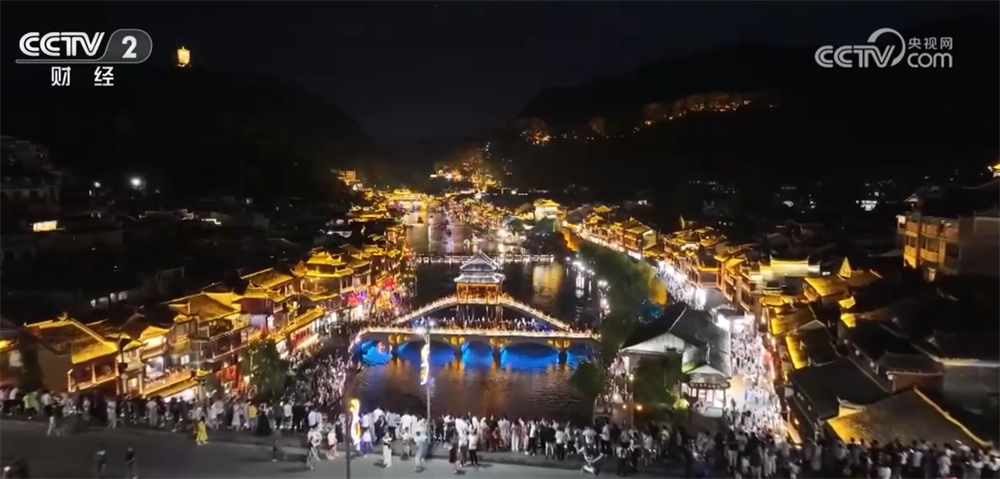
光影璀璨处处洋溢假日喜庆氛围 “沉浸式”美学盛宴激活“夜经济”
Yang Shi Wang· 2025-10-04 04:03
Group 1 - The National Day and Mid-Autumn Festival holiday has seen vibrant night tourism activities across various regions, enhancing the holiday experience for tourists [1] - In Hunan's Fenghuang Ancient Town, the night scenery attracts a peak flow of visitors, with performances such as bamboo raft shows and water curtain light shows [3] - Tourists are increasingly engaging in travel photography, using the ancient city walls and stilted buildings as picturesque backdrops while enjoying local cuisine [4] Group 2 - In Jiangxi's Wangxian Valley, the area has transformed from an abandoned mine into an ecological tourist destination, with an expected total of 200,000 visitors during the holiday [8] - The valley features illuminated ancient towers and streets, along with immersive experiences like fire shows and bonfire parties [8] - In Chongqing's Changshou, a large-scale fireworks display and drone light show attracted over 50,000 attendees, showcasing a blend of modern technology and traditional fireworks [9][11] Group 3 - In Suining, a drone light show featuring over 1,300 drones created stunning visual displays, including representations of a phoenix and significant national symbols [12][14] - The drone show in Suining is scheduled to continue until October 6, providing ongoing entertainment for visitors [15]
假期第三天长沙瞬时客流最高峰191.39 万人次,同比增长18.67%
Chang Sha Wan Bao· 2025-10-04 01:19
Group 1: Tourism and Cultural Development - The tourism market in Changsha experienced significant growth during the National Day and Mid-Autumn Festival holiday, with a peak visitor count of 1.9139 million on October 3, representing an 18.67% increase from the previous year's peak of 1.6128 million [1] - New cultural and tourism products, such as the "YOU Market" art store and the "Initial Love" tea house, have emerged, attracting both local and visiting tourists [1][2] - The transformation of industrial relics into cultural spaces, like the oil factory area, has created unique attractions that resonate with visitors, enhancing the overall tourism experience [1] Group 2: Cultural Events and Performances - The "Initial Love" tea house in Kaohui Town features over 600 donated vintage items, creating a nostalgic atmosphere that elevates it beyond a typical tea-drinking venue to a cultural gathering space [2] - The Korean drama "Beautiful Life" has gained popularity during the holiday period, with nearly sold-out performances, indicating a strong demand for engaging cultural events [2] - The combination of emotional storytelling and relatable themes in performances like "Beautiful Life" contributes to their appeal and success during peak tourist seasons [2]
陕派话剧《生命册》角逐第十四届中国艺术节文华大奖
Zhong Guo Xin Wen Wang· 2025-10-04 00:22
Core Viewpoint - The play "Life Book," produced by Shaanxi Performing Arts Group and Shaanxi People's Art Theatre, will participate in the 14th China Arts Festival, showcasing the unique charm of "Shaanxi-style drama" [1] Group 1: Event Details - "Life Book" will be performed in Chongqing from October 10 to 11 as the only work from Shaanxi province competing for the 18th "Wenhua Drama Award" [1] - The China Arts Festival is the highest-level national cultural and artistic event in China, with significant influence [1] - The previous work by Shaanxi People's Art Theatre, "Protagonist," won the "Wenhua Award" three years ago [1] Group 2: Artistic and Creative Aspects - "Life Book" is adapted from the award-winning novel by renowned author Li Peifu, serving as the concluding piece of his "Plain Trilogy" [1] - The play has undergone five years of meticulous development, including 13 expert seminars and eight major script revisions [1] - The adaptation condenses 50 years of social change into a five-hour stage presentation, achieving a deep transformation from literary classic to stage art [1] Group 3: Performance and Reception - Since its premiere in May 2023, "Life Book" has toured 45 performances across 12 cities, attracting over 90,000 audience members [2] - The play has received multiple accolades, including funding from the National Arts Fund and the 17th "Five One Project" Excellent Work Award, indicating its broad market impact and artistic recognition [2]
“大戏”上演!丰盛文化大餐点亮百姓多彩假期 创新表达让经典绽放新光彩
Yang Shi Wang· 2025-10-03 09:03
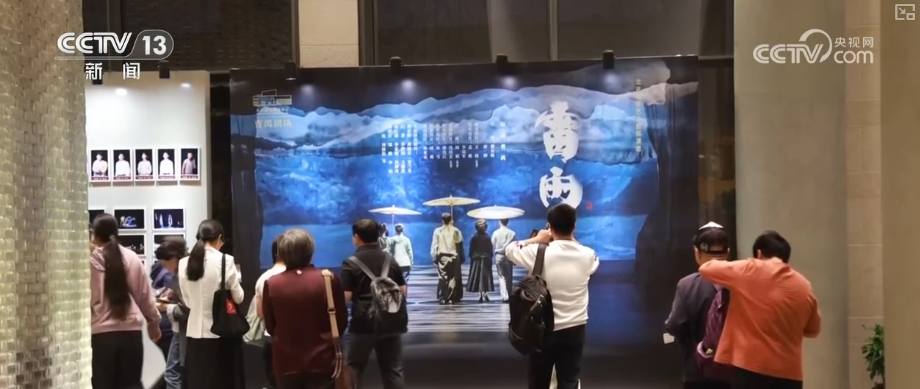
Core Viewpoint - The National Day holiday has seen a surge in high-quality cultural performances across various art troupes, providing a rich cultural experience for the public, with notable productions like the innovative rendition of the classic play "Thunderstorm" [1][4]. Group 1: Performances and Productions - The production of "Thunderstorm," directed by Pu Cunxin and Tang Ye, is being staged at the Beijing International Theatre Center, featuring experimental expansions in stage space that blend symbolic and realistic expressions [4]. - The current version of "Thunderstorm" was created in 2021 and has toured multiple locations, celebrating the 115th anniversary of playwright Cao Yu's birth in 2025 [6]. - The original narrative from Cao Yu's 1934 script is reinterpreted in this production, showcasing the timeless appeal of classic works to contemporary audiences [6]. Group 2: Cultural Events and Festivals - The "Big Drama in Beijing" exhibition season is actively taking place during the National Day holiday, featuring a variety of performances that attract large crowds of citizens and tourists [7]. - The National Centre for the Performing Arts is hosting the original national opera "Red Sorghum," based on Mo Yan's novel, marking its debut on the opera stage with a top-tier creative team [9]. - The "Big Drama in Beijing" exhibition season, themed "Artistic Innovation and Quality for the People," will last for three months, showcasing over 117 premium productions across various genres, highlighting the pinnacle of domestic and international theatrical arts [11]. Group 3: Art Exhibitions - The 2025 International Audio-Visual Artworks Expo is being held, allowing attendees to enjoy a rich artistic atmosphere through performances and exhibitions [11]. - The expo features six exhibition areas covering a total of 15,000 square meters, showcasing nearly 6,000 audio-visual treasures from 17 countries [13]. - Outdoor activities at the Beijing Art Center include free jazz performances and interactive events, enhancing the cultural experience for visitors during the holiday [15].
假日经济新观察·消费驱动力跃迁 市场呈现品质化、理性化、体验化新面貌
Yang Shi Wang· 2025-10-03 07:06
Group 1 - The 2025 National Day and Mid-Autumn Festival will create an 8-day long holiday, significantly boosting consumer enthusiasm and demand across various sectors such as dining, shopping, and entertainment [1] - Major tourist attractions and shopping districts are experiencing a surge in foot traffic, indicating a vibrant consumer market [2][3] - Cultural IPs are injecting long-term momentum into the cultural tourism economy, with significant exhibitions and performances attracting large crowds [5][7] Group 2 - The "Reunion Economy" is thriving during the dual festival period, with retail and dining sectors seeing simultaneous growth, highlighted by the popularity of mooncakes and family meals [8][10] - Local cultural and heritage resources are being leveraged to create immersive experiences in ancient towns, enhancing tourism appeal [11][13][15] - Over 4.8 billion yuan in consumer subsidies are being distributed across the country, supporting a wide range of cultural and tourism activities [16][19] Group 3 - The holiday economy is driving sustained consumer vitality, with strong demand for travel and immersive experiences [20][22] - There is a shift in consumer behavior from survival-based spending to development and enjoyment-oriented consumption, with cultural experiences becoming a core driver [24] - The dual push from policy and market forces is accelerating innovation in product offerings, catering to all age groups and opening new avenues for consumption [26]