
固废处理

Search documents
泰达股份“大环保”板块强势再出手 泰达环保成功收购中交唐山环保垃圾焚烧发电项目
Xi Niu Cai Jing· 2026-01-16 06:59
Core Viewpoint - The company Tianjin TEDA Environmental Protection Co., Ltd. has successfully acquired the waste incineration power generation project of China Communications First Highway Engineering Group Co., Ltd., marking a significant step in its strategic layout in the solid waste treatment sector and enhancing its competitive edge in the ecological and environmental protection industry [1] Group 1: Strategic Synergy and Dual-Drive Development - The acquisition of China Communications Tangshan Environmental Protection is part of the company's "14th Five-Year" ecological and environmental protection strategy, aiming to seize opportunities in the Beijing-Tianjin-Hebei coordinated development [1] - The project has a daily processing capacity of 500 tons and is the only solid waste treatment project of China Communications First Highway Engineering Group, providing significant regional monopoly and operational stability [1] Group 2: Operational Efficiency and Cost Reduction - The acquisition is expected to achieve a 10%-15% reduction in procurement costs through the integration of resources such as fuel and auxiliary materials, significantly enhancing project profitability [3] - The company anticipates annual savings of approximately 2 million yuan in labor costs through shared management teams and optimized organizational structures [3] - The project has the potential for industrial solid waste co-firing, which can improve boiler efficiency and reduce energy consumption, supporting the transition to a low-carbon economy [3] Group 3: Future Outlook and Comprehensive Energy Services - The strategic acquisition is a crucial step for the company to strengthen its core environmental protection business and is aligned with its strategy to deepen its presence in the Beijing-Tianjin-Hebei region and expand into new energy [4] - The integration of the project with existing operations will create a comprehensive energy hub for the coordinated treatment of municipal waste, biomass, and industrial solid waste in the region [4] - The company aims to provide stable, efficient, and clean energy solutions to local governments, contributing to the green and low-carbon high-quality development of the Beijing-Tianjin-Hebei area [4]


两部门协力推进固废综合治理
Zhong Guo Hua Gong Bao· 2026-01-16 02:16
Group 1 - The first comprehensive action plan for solid waste management in China has been released, aiming to establish a systematic approach to address solid waste issues [1] - The Ministry of Ecology and Environment (MEE) plans to reduce both the generation and accumulation of industrial solid waste, targeting a "double reduction" goal [1] - In 2022, large-scale utilization projects for coal gangue and fly ash in nine provinces of the Yellow River basin reached 128, with over 100 million tons utilized [1] - In the Yangtze River basin, 24 large-scale projects for phosphogypsum utilization were conducted, with over 2.9 million tons utilized [1] Group 2 - The MEE will promote the closure and ecological restoration of tailings and slag sites that meet environmental standards, aiming to remediate over 60% of historical solid waste storage sites by 2030 [2] - The Ministry of Industry and Information Technology (MIIT) reported that the comprehensive utilization rate of major industrial solid waste in China has reached 57% [2] Group 3 - The MIIT emphasizes reducing the intensity of industrial solid waste generation through green design and manufacturing practices, particularly in key industries such as steel and petrochemicals [3] - The MIIT aims to enhance the comprehensive utilization of industrial solid waste and recycled resources, focusing on typical categories like smelting slag and phosphogypsum [3] - The MIIT will continue to implement industry standards and encourage technological innovation and quality control in sectors like scrap steel, copper, aluminum, paper, plastic, and used tires [3]
十万吨蚝壳固废“点石成金”,省人大代表卢子策深耕生态循环经济
Nan Fang Nong Cun Bao· 2026-01-15 08:32
Core Viewpoint - The article highlights the innovative transformation of waste oyster shells into high-value resources, addressing environmental issues in coastal areas while promoting sustainable development in the marine aquaculture industry [2][3][23]. Group 1: Project Overview - The project, led by Lu Zice, focuses on the resource utilization of oyster shells, which previously posed environmental challenges in coastal regions like Taishan and Enping, generating up to 100,000 tons of waste annually [18][19]. - Guangdong Beifan Biotechnology Co., founded by Lu Zice, is recognized for its significant role in this resource transformation, marking it as the largest oyster shell resource utilization project in the province [7][11]. Group 2: Technological and Environmental Impact - The processing of oyster shells involves multiple steps, including cleaning, crushing, and high-temperature calcination, converting waste into valuable products such as soil conditioners, construction materials, and environmental purification agents [24][25][26]. - This comprehensive processing model not only mitigates pollution from aquaculture waste but also extends the marine aquaculture industry chain, fostering new green development opportunities [27]. Group 3: Policy and Market Context - The project aligns with increasing governmental emphasis on environmental governance and solid waste recycling, supported by various national and local policies aimed at promoting sustainable practices [28][39]. - The first phase of the project has a total investment of 15 million yuan, with an annual processing capacity of 60,000 tons of oyster shells and an expected annual output value of approximately 20 million yuan [43][44]. Group 4: Future Prospects and Collaborations - The company plans to continue its research and development efforts, expanding its market presence and establishing a brand matrix centered around oyster shell resource utilization [48][49]. - Strategic collaborations with leading experts and institutions in the field aim to explore new material applications, enhancing the project's innovation potential [50][52].

一财社论:解决固废处理顽疾的关键,是要形成可持续的商业模式
Di Yi Cai Jing· 2026-01-14 13:01
Core Viewpoint - The State Council has issued the "Solid Waste Comprehensive Management Action Plan," emphasizing the need to develop sustainable business models for solid waste utilization [1] Group 1: Market Overview - In 2024, China's solid waste treatment market size reached 945.877 billion yuan, with significant growth potential as it addresses both historical and current waste generation while promoting resource recycling under the circular economy concept [2] Group 2: Government Role - The government plays a crucial role in providing policy support for the solid waste treatment industry, utilizing investment, technology, land, and tax incentives to foster sustainable business models [3] - Specific policies include coordinating funding channels for resource recycling projects and ensuring at least 1% of industrial land is allocated for resource recycling facilities [3] Group 3: Technological Advancements - Technological progress is fundamental for improving both input and output in solid waste management, with ongoing support for key technology research and development in resource recycling [4][5] - Despite technological breakthroughs, some industrial solid waste utilization projects lack economic viability, highlighting the need for effective business models [5] Group 4: Business Model Development - Encouragement for relevant operators to explore unique business models is essential, as the industry shifts from "project-led" to "model-led" approaches [6] - The competitive landscape in solid waste treatment is intensifying, with a minimum registered capital of 100 million yuan becoming the baseline for market entry [6] Group 5: Conclusion - Establishing sustainable business models for solid waste treatment requires guidance from national policies, active exploration by operators, and effective utilization of technological advancements [7]
固废综合治理能力再提升
Ren Min Ri Bao Hai Wai Ban· 2026-01-14 01:56
Core Viewpoint - Strengthening solid waste comprehensive management is crucial for promoting the construction of a beautiful China and accelerating the green transformation of economic and social development. The State Council has issued the "Solid Waste Comprehensive Management Action Plan" to establish a comprehensive management system based on reduction, resource utilization, and harmlessness [2][3]. Group 1: Overall Strategy and Goals - The "Action Plan" outlines the overall strategy, work goals, key tasks, and supporting measures for solid waste management, aiming for significant results by 2030, including controlling historical stockpiles and achieving a comprehensive utilization of 4.5 billion tons of major solid waste annually [3][5]. - The plan emphasizes a shift from end-of-pipe treatment to a holistic prevention approach, addressing key issues in solid waste management [3][4]. Group 2: Sector-Specific Management - In agriculture, the plan aims to enhance the comprehensive utilization of solid waste, with current utilization rates for livestock manure at 80.1%, straw at over 88%, and agricultural film disposal at over 85% [5]. - Urban areas are targeted for improved construction waste management, promoting green construction and enhancing recycling facilities [5][6]. - The industrial sector will focus on reducing the generation of solid waste and improving the utilization of industrial by-products, with specific measures to manage historical waste stockpiles [6][7]. Group 3: Promoting Circular Economy - The "Action Plan" promotes resource utilization and the development of a circular economy, emphasizing source reduction and resource recycling [7][8]. - Specific requirements are set for the comprehensive utilization of various solid wastes, encouraging the extraction of valuable components and the development of sustainable business models [7]. - The plan also aims to enhance the recycling of materials and establish standards for recycled materials, integrating these practices into corporate social responsibility [7][8].
固废综合治理能力再提升(锐财经)
Ren Min Ri Bao Hai Wai Ban· 2026-01-13 22:49
Group 1 - The core idea of the news is the release of the "Solid Waste Comprehensive Management Action Plan" by the State Council, aimed at promoting comprehensive governance of solid waste in China, focusing on reduction, resource utilization, and harmless treatment [2][3] - The plan outlines a systematic approach to solid waste management, emphasizing the transition from end-of-pipe treatment to full-process prevention and control [3][4] - By 2030, the plan aims for significant achievements in solid waste management, including controlling historical stockpiles and increasing the annual comprehensive utilization of major solid waste to 4.5 billion tons [3][4] Group 2 - The plan specifies tasks for various sectors, including agriculture, urban areas, and industry, to enhance waste management practices [5][6] - In agriculture, the comprehensive utilization rates for livestock manure, straw, and agricultural film are reported at 80.1%, over 88%, and over 85% respectively, indicating progress in waste management [5][6] - Urban areas are expected to improve construction waste management through green construction practices and enhanced recycling facilities [6][7] Group 3 - The industrial sector generates significant amounts of solid waste, and the plan aims to reduce both the generation and historical stockpiles of industrial waste [7][8] - The plan encourages the exploration of new channels for the large-scale disposal and utilization of industrial solid waste, aiming for a dual reduction in new and accumulated waste [7][8] - The plan promotes the development of a circular economy by enhancing resource utilization and encouraging the recycling of various materials, including metals and plastics [8][9]
走出城市发展与环境保护共赢之路
Xin Lang Cai Jing· 2026-01-12 19:03
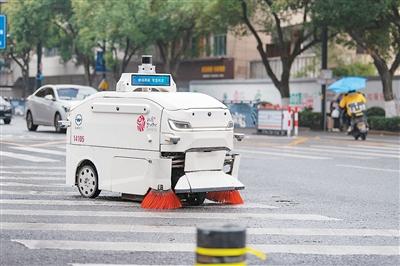
Core Viewpoint - The articles emphasize the importance of balancing urban development with waste management, highlighting the potential of construction waste and other urban waste as valuable resources that can drive green development [1][2][3] Group 1: Waste Management Strategies - The city of Aral has implemented a systematic approach to manage construction waste, transforming it into a new driving force for green development, thus providing a model for comprehensive waste management [1] - A balanced approach between government and market is essential for promoting the resource utilization of urban waste, where the government plays a leading role in establishing a management system while encouraging market participation [2] - The concept of a "waste-free city" aims to minimize the environmental impact of solid waste through source reduction, resource utilization, and harmless disposal, integrating green development into all aspects of urban life [3] Group 2: Government and Market Interaction - The government should establish a full-chain management system to ensure effective collection, transportation, and treatment of construction waste, providing a regulatory framework for resource utilization [2] - Encouraging market entities to innovate and expand the range of recycled products is crucial for creating a market-driven operation mechanism that complements government efforts [2] - A collaborative interaction between government and enterprises is necessary to foster a healthy development of the waste resource utilization industry, avoiding inefficiencies from solely government reliance and chaos from complete marketization [2]

中金:维持光大环境(00257)跑赢评级 目标价5.2港元
智通财经网· 2026-01-12 01:42
Core Viewpoint - CICC reports that Everbright Environment (00257) is expected to experience a slowdown in new project expansion in 2025, which may impact revenue performance, but optimization of existing assets is showing significant results, leading to improved asset quality and cash flow [1] Group 1: Financial Performance - The company is projected to achieve single-digit growth in profit year-on-year for 2025, with a significant improvement in cash flow [1] - Core business indicators are continuously improving, although one-time factors may still disrupt profit performance in 2025 [2] - The company’s core profit is steadily increasing, with key metrics such as tonnage output and heating supply showing ongoing improvement [2] Group 2: Capital Expenditure and Cash Flow - Capital expenditure is expected to decline, with a focus on overseas and water projects, potentially controlling capital expenditure within 3 billion yuan in 2025 [3] - Accelerated recovery of renewable energy subsidies in the second half of 2025 is anticipated to enhance the company’s cash inflow [3] - The company is expected to maintain positive free cash flow and improve its cash capabilities, which will enhance dividend levels and shareholder returns [3] Group 3: Profit Forecast and Valuation - The company’s profit forecasts for 2025 and 2026 have been revised down by 16.2% and 7.5% to 3.58 billion yuan and 4.08 billion yuan, respectively, with a new forecast for 2027 at 4.46 billion yuan [4] - The current stock price corresponds to a price-to-earnings ratio of 7.3x for 2026 and 6.7x for 2027, with an expected dividend yield of 6.0% and 6.6% for the adjusted years [4]
东江环保1月9日获融资买入437.45万元,融资余额1.22亿元
Xin Lang Cai Jing· 2026-01-12 01:35
Core Viewpoint - Dongjiang Environmental Protection experienced a slight decline in stock price, with significant financing activities indicating high investor interest despite recent financial challenges [1][2]. Group 1: Financial Performance - For the period from January to September 2025, Dongjiang Environmental reported a revenue of 2.4 billion yuan, reflecting a year-on-year decrease of 2.72% [2]. - The company recorded a net profit attributable to shareholders of -560 million yuan, marking a significant year-on-year decline of 57.96% [2]. - Cumulative cash dividends since the company's A-share listing amount to 959 million yuan, with no dividends distributed in the past three years [3]. Group 2: Shareholder and Market Activity - As of January 9, 2025, Dongjiang Environmental's stock price fell by 0.21%, with a trading volume of 37.05 million yuan [1]. - The financing buy-in amount on January 9 was 4.37 million yuan, with a net financing buy of 1.5 million yuan, indicating strong investor interest [1]. - The total financing and securities lending balance reached 123 million yuan, with the financing balance accounting for 2.82% of the circulating market value, which is above the 80th percentile of the past year [1]. Group 3: Business Overview - Dongjiang Environmental, established on September 16, 1999, focuses on industrial waste treatment and is expanding into municipal waste management, environmental engineering, and other value-added services [2]. - The company's revenue composition includes 43.06% from industrial waste resource utilization, 26.46% from industrial waste treatment, and 19.14% from precious metal recovery [2].

山东首个污泥独立焚烧项目在青岛建成
Da Zhong Ri Bao· 2026-01-12 01:12
Core Insights - The independent sludge incineration project in Qingdao transforms sludge from a burden into a resource, achieving both economic and environmental benefits through energy self-sufficiency and local processing [1] Group 1: Project Overview - The project is located in the Xiaojianxi Solid Waste Comprehensive Disposal Park and can process 600 tons of sludge daily with an 80% moisture content [1] - Previously, about 30% of the sludge generated by Qingdao's sewage treatment plants required long-distance transportation for disposal, incurring high costs and safety risks [1] - The facility now enables 100% local digestion and harmless disposal of sludge [1] Group 2: Energy Efficiency - The project reduces reliance on external fuels by achieving stable self-sustaining combustion of sludge, with over 80% of the heat generated used to dry incoming wet sludge [1] - This process results in a more than 30% reduction in energy consumption and lowers operational costs [1] Group 3: Resource Utilization - The project benefits from "park synergy," utilizing biogas from a nearby landfill as backup energy and excess heat from biogas power generation as a cost-effective heat source [2] - Wastewater produced by the project is treated and reused within the park, saving 36,000 tons of fresh water annually [2] - Overall operational costs are further reduced by 10%, with the park's resource utilization rate reaching 95% [2] Group 4: Environmental Impact - The project addresses key pollution issues by collecting and incinerating odors and waste gases, effectively eliminating foul smells [3] - The incineration process reduces sludge volume to one-tenth of its original size, producing a stable, non-harmful ash that can be used as a building material [3] - The project creates a closed-loop system that integrates sludge disposal, waste management, wastewater treatment, and energy recovery, serving as a model for sustainable urban waste management [3]