社区服务

Search documents
临平街道深化“门儿清2.0”
Hang Zhou Ri Bao· 2025-10-16 02:40
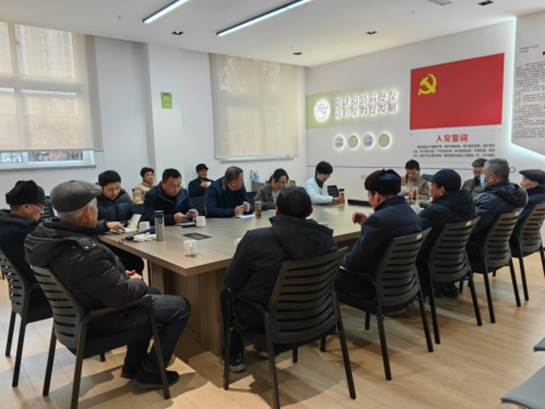
Core Insights - The article highlights the successful implementation of the "online social worker" platform in Linping District, which has significantly improved community service efficiency and resident satisfaction [1][2] Group 1: Implementation and Coverage - The "online social worker" platform has been fully implemented across 15 communities in Linping District since March, establishing 204 resident groups and covering over 6,500 households [1] - The platform has responded to over 1,500 policy inquiries and life requests, leading to a notable increase in resident satisfaction [1] Group 2: Governance Model Transformation - Linping District has deepened its "Door Clear 2.0" grassroots governance model, utilizing "mainstream social platforms + AI" to transition community services from a "manpower strategy" to "intelligent collaboration" [1][2] - The platform has facilitated the identification of vulnerable groups and enabled proactive interventions, such as preventing financial scams targeting elderly residents [1] Group 3: Enhanced Community Interaction - The establishment of dedicated groups for local businesses has improved policy promotion and safety alerts, creating a governance framework where minor issues are resolved within groups and major issues are handled at the community level [2] - During the summer security patrols, grid workers reported hazards in real-time, achieving a conflict resolution rate of 99% [2] Group 4: Future Developments - The district plans to continue optimizing the "online social worker" platform and deepen the "safe visit + data empowerment" model to ensure comprehensive governance coverage [2] - The goal is to achieve a governance standard where no household, individual, or issue is overlooked [2]
便民生活圈重在品质提升
Jing Ji Ri Bao· 2025-10-09 00:09
Core Points - The Ministry of Commerce and nine other departments have jointly issued a notice to enhance the construction of "15-minute convenience living circles," aiming to upgrade basic and enhanced convenience living circles to quality-oriented ones [1][2] - Many regions are categorizing the 15-minute convenience living circles into various functional areas such as supply of daily necessities, elderly care, cultural and recreational activities, and express delivery services, integrating these functions into community planning [1] - Some areas face challenges such as insufficient commercial infrastructure, unreasonable layout of service points, and limited service functions, which do not meet the higher quality consumption demands of residents [1] Group 1 - The construction of convenience living circles requires a focus on public input, ensuring that services are tailored to local residents' needs and consumption habits [1][2] - Essential services such as nursing homes and childcare facilities should be included, along with addressing minor repair needs like bike repairs and key duplication [1] - New lifestyle demands should also be considered to maintain community vitality [1] Group 2 - Strengthening investment is crucial, with a multi-faceted investment mechanism needed for the construction of convenience living circles [2] - Government departments should focus on investments in big data, IoT, and shared cultural resources, while enterprises and social organizations should invest in community supermarkets, canteens, and housekeeping services [2] - The construction of convenience living circles must be tailored to local conditions, avoiding a one-size-fits-all approach and ensuring sustainable community service operations [2]
规划引领和政策引导“双轮驱动”,威海服务业发展稳健向好
Qi Lu Wan Bao Wang· 2025-09-25 15:25
Core Viewpoint - Weihai City is actively promoting high-quality development in the service industry through policy-driven initiatives and structural upgrades, achieving significant economic growth and transformation in various sectors [1][2]. Policy-Driven Development - The city has implemented a dual approach of planning and policy guidance to stabilize and enhance service industry operations, resulting in a service industry value added of 1,091.54 billion yuan, accounting for 55.7% of GDP, with a growth rate of 7.4%, leading the province [2][3]. - Weihai has secured 10.17 billion yuan in special bonds for consumer goods replacement policies, stimulating markets for automobiles, home appliances, and electronics, alongside annual support exceeding 420 million yuan for service industry development [2][3]. Industrial Strengthening - The city is focusing on expanding productive service industries to support advanced manufacturing, with a comprehensive technology service system that includes 30 platforms and over 160 innovation institutions [3][4]. - The manufacturing sector is transitioning towards a "manufacturing + service" model, with all major industrial clusters establishing provincial-level design centers, enhancing competitiveness and innovation [4]. Financial Services - As of August, the total loan balance reached 6,118.8 billion yuan, with manufacturing loans growing by 11.8%, and the number of listed companies in the city has increased to 21, raising 42.75 billion yuan from the stock market [4][5]. Business Service Efficiency - The legal service system has expanded to cover all levels of governance, providing over 220,000 legal services annually, while the exhibition economy has thrived, with the city hosting the second-largest fishing tackle exhibition in China [5][6]. Consumer-Oriented Services - The tourism sector has seen a significant increase, with 28.71 million visitors and 31.98 billion yuan in revenue in the first half of the year, reflecting a growth of 9.7% and 10.2% respectively [6][7]. - The integration of medical and elderly care services has been prioritized, with 42 institutions established and a 100% coverage rate for collaborative medical services in elderly care [6][7]. Community Services - The city has launched a comprehensive elderly care service platform, providing 268 types of services and handling over 9 million service requests, demonstrating a robust community service framework [7].
宝藏街区、邻里中心……来解锁你家门口的“一刻钟幸福地图”
Yang Shi Xin Wen Ke Hu Duan· 2025-09-21 00:37
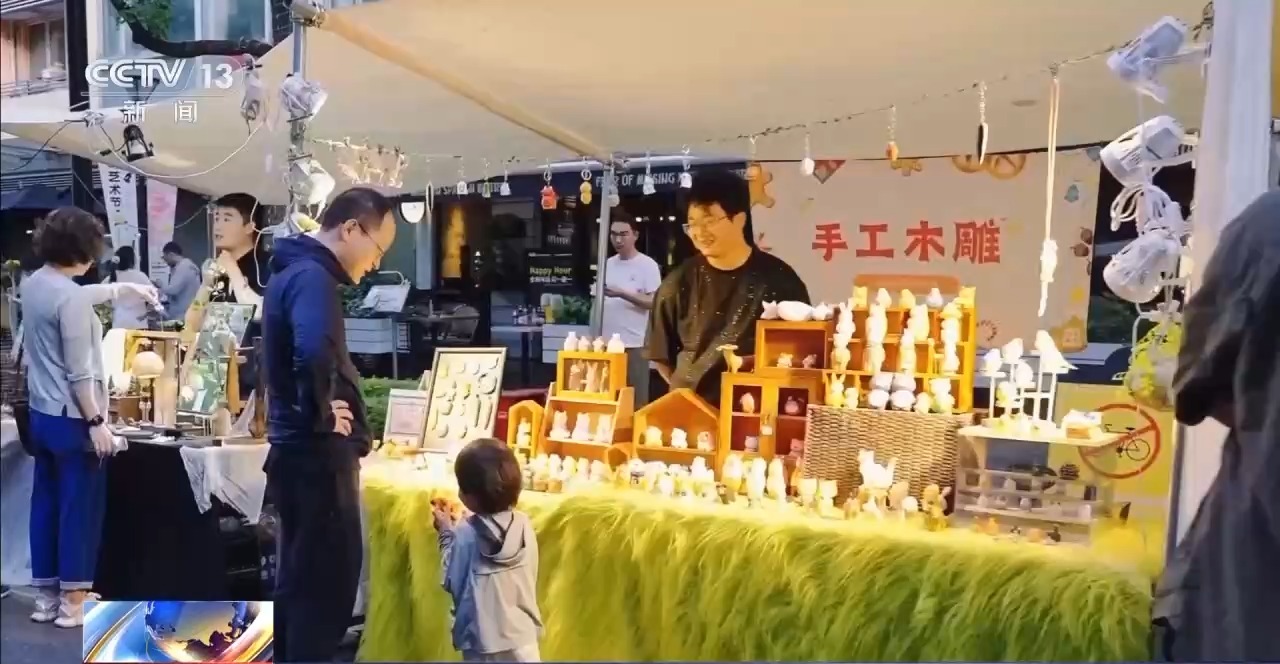
Core Viewpoint - The Ministry of Commerce and nine other departments have issued a notice to promote the expansion and upgrading of the "15-minute convenient living circle" across cities, with 6,255 such circles established nationwide by July this year, serving 129 million residents [1] Group 1: Urban Development and Community Engagement - The "15-minute convenient living circle" enhances daily life by creating vibrant community spaces, such as the 700-meter pedestrian street in Shanghai's Yangpu District, which connects universities, tech parks, and public communities [2] - Weekend transformations of streets into pedestrian zones with art installations and outdoor dining have increased foot traffic and interaction among local businesses [4] - Community spaces like "人人会客厅" have been revitalized, providing residents with various amenities and fostering social connections [5][7] Group 2: Government and Community Collaboration - The initiative emphasizes collaboration between government frameworks, resident needs, and merchant innovations to create practical community spaces [8] - The approach focuses on micro-renovations rather than large-scale demolitions, enhancing existing structures to meet community needs [9] Group 3: Comprehensive Community Services - In Wuhan, the "15-minute convenient living circle" includes diverse facilities such as canteens, educational institutions, and cultural centers, catering to all age groups [10][18] - The integration of community services, such as a mini aerospace museum, has become a local educational hub for nearby schools [13] - The initiative aims to merge various community services, including fitness and cultural activities, to create interconnected living circles [18][21] Group 4: Diverse Community Activities - Community centers in places like Chengdu and Suzhou have developed spaces for cultural and recreational activities, enhancing residents' quality of life [20][22] - Longxing County has initiated a fitness trail project that combines health, culture, and community engagement, promoting a holistic approach to urban living [22]

向下扎根 向上链接 向内赋能 向外辐射 四向发力,服务彰显“民生温度”
Zhen Jiang Ri Bao· 2025-09-20 01:03
Core Viewpoint - The establishment and effective utilization of party-mass service platforms are crucial for enhancing community services and resource allocation Group 1: Resource Optimization and Service Enhancement - The Ruzhou District Qilidian Street Party Committee focuses on "resource aggregation and service optimization" through four strategies: rooting downwards, linking upwards, empowering internally, and radiating externally [1] - The community has established 26 service stations, including community service centers and micro-party homes, to ensure comprehensive service coverage [1] - The implementation of Saturday community extended service allows residents to access essential services, such as urban-rural cooperative medical insurance, conveniently [1] Group 2: Collaboration and Community Engagement - In the past three years, 54 new party-building collaborative units have been added, enhancing the provision of specialized services in healthcare and legal assistance [2] - The street has initiated 152 micro-projects, such as "children's toy sharing houses" and "grid co-construction supermarkets," to ensure resources are effectively utilized and community benefits are maximized [2] - The upgraded home-based elderly care service center has become a vital community hub for seniors, providing meals and activities [2] Group 3: Breaking Barriers and Extending Services - The street has removed spatial barriers of party-mass service platforms, extending services to enterprises, buildings, and schools [3] - Regular policy promotion and financial services are provided to businesses and commercial areas, enhancing support for local enterprises [3] - The integration of extracurricular resources into schools enriches youth activities and supports community engagement [3]
我市多地入选国家级幸福家园行动共建名单
Nan Jing Ri Bao· 2025-09-19 02:35
Core Viewpoint - The recent selection of several communities in Nanjing for the 2025 Urban and Rural Community High-Quality Development Happiness Home Action signifies a recognition of innovative grassroots governance and a step forward in enhancing the quality of life for residents [1][7]. Group 1: Community Innovations - Nanjing's selected communities have tailored their governance strategies based on local resources, population structure, and cultural characteristics, leading to unique paths for happiness practices [2]. - The Oasis Community in Yuhuatai District has created a "small but beautiful" living environment by integrating cultural heritage and effective governance, featuring a factory history museum that engages retired workers and educates younger generations [2][3]. - The Yanziji Street has developed a "Mu Yan Xing Zhi" governance brand, establishing a four-level linkage system to improve service response efficiency and enhance residents' happiness through digital governance initiatives [3][4]. Group 2: Collaborative Governance - The construction of the Happiness Home relies on multi-party collaboration, with communities actively forming governance communities that include enterprises, social organizations, and residents [4][5]. - Yanziji Street has integrated resources through a "Red Chain Party Building Hub," collaborating with educational institutions and local businesses to create a red-themed educational route that connects historical culture with urban development [4][5]. - The "Worry-Free Grocery Store" in the Nanhua New Village community serves as an innovative brand for conflict resolution, providing legal and community support services to residents [5][6]. Group 3: Sustainable Development - The Happiness Home Action aims to modernize grassroots governance and improve community service quality, selecting exemplary communities across the country to explore replicable practices [7]. - The selected communities in Nanjing represent various innovative governance directions, emphasizing the role of party building in activating internal resources and fostering sustainable development [7]. - Future plans include strengthening exchanges with other communities nationwide to further innovate in smart governance and service integration, aiming to create a replicable "Nanjing experience" in community development [7].
合力放大生活服务惠民成效
Jing Ji Ri Bao· 2025-09-16 22:12
Core Viewpoint - Diversified community services are essential for enhancing residents' happiness and improving the quality of service industries, as traditional community service institutions struggle to meet increasingly diverse and specialized public needs [1][2]. Group 1: Community Service Development - The central government has issued guidelines to enhance community services, emphasizing the need for high-quality, accessible services that cater to diverse needs [1]. - Cities like Tianjin and Luoyang are actively developing public facilities and community service infrastructure to create convenient living environments, such as the 15-minute convenience living circle [1][2]. Group 2: Resource Utilization and Innovation - To improve service quality, existing resources must be optimized, especially in urban areas where space is limited. Innovative mechanisms such as multi-use community spaces and urban renewal are necessary to enhance service availability [1]. - The focus should be on integrating traditional services with modern needs, including professional services for elderly care, medical assistance, and early childhood education [2]. Group 3: Accessibility and Affordability - Community services must adhere to the principle of accessibility, aiming to reduce disparities between urban and rural areas through reasonable pricing mechanisms [2]. - The development of a community service network that is universally accessible and user-friendly is a priority, with an emphasis on integrating online and offline services [2].
顺义上半年GDP总量居平原新城首位
Bei Jing Qing Nian Bao· 2025-09-16 17:58
Core Insights - Shunyi District has achieved an average GDP growth of 5.8% since the 14th Five-Year Plan, with a total GDP of 238.8 billion yuan last year [1] - In the first half of this year, Shunyi maintained its position as the leading plain new city in GDP, ranking fourth in the city's general public budget revenue, and residents' per capita disposable income increased by 6%, ranking second in the city [1] Group 1: Economic Development - Shunyi District focuses on a "5+4" leading industry system, promoting high-end manufacturing (including new energy vehicles, aerospace, and healthcare) and modern service industries (such as aviation services, business exhibitions, and industrial finance) [1] - The district aims to accelerate the cultivation of new quality productivity [1] Group 2: Internationalization and Talent Attraction - Shunyi leverages its advantages from the Capital Airport and the "Two Zones" construction to create three major open development platforms, enhancing its level of openness [2] - The district is building an "internationalized overseas" environment, focusing on attracting global talent through improved international education, healthcare, community support, and public service environments [2][3] Group 3: International Education and Healthcare - Shunyi has established 11 international schools offering mainstream curricula such as IB, A-level, and AP, aiming to meet diverse student needs [2] - By 2025, 664 international school graduates are expected to successfully enroll in the world's top 100 universities, with Beijing Dewey International School ranked first nationally among the best IB schools [2] - The district is enhancing foreign medical service accessibility for expatriates, improving bilingual medical service capabilities, and equipping hospitals with smart translation devices [3] Group 4: Community Development - Shunyi focuses on international community building by introducing bilingual property service standards and organizing cultural activities for residents [3] - The district aims to create a high-quality international new city model by enhancing both hardware and software aspects in areas such as innovation, business services, living conditions, cultural exchanges, urban facilities, and foreign-related services [3]
中国改革现场丨党群服务中心“圈粉”记
Yang Guang Wang· 2025-09-15 13:06
央广网北京9月15日消息(记者张国亮 陶高旸 侯艳)据中央广播电视总台中国之声报道,党群服务中心是基层党组织服务群众、利企便民 的重要场所。党群服务中心能否充分发挥作用,关键在于能不能让党员群众"走得进、坐得下、还想来"。 在一些地方,党群服务中心提供的便民服务存在着供需错位、服务质量不高、保障不足、监管不到位等问题。如何真正满足群众民生需 求,为基层治理注入新活力?去年以来,浙江杭州探索实施党群服务中心专业化服务集成供给改革,依托党建阵地,一站式提供专业、多样的 服务项目和场景,引来群众纷纷点赞,许多人还在社交平台上分享这些"新晋宝藏地"。 党群服务中心,如何发挥党建引领优势,集聚专业化、社会化力量参与服务供给?如何打通"供需链",不断扩展为民服务"朋友圈"? 服务与需求的"双向奔赴" 在位于浙江省杭州市拱墅区长庆街道汇金国际大厦的党群服务中心,服务中心负责人蒋桂丽正在协调楼宇业主和物业公司,商讨健身器材 的种类和摆放问题。汇金国际大厦位于杭州市中心武林广场旁,寸土寸金,很难有公司能在这种地段开办健身房。面对楼宇里上班族的健身需 求,汇金国际商务社区党群服务中心多方协调,拿出300多平方米的办公场所开设健身 ...
党建引领聚合力 多元善治促融合 ——宁波镇海探索村改社区治理新路径
Yang Shi Wang· 2025-09-12 09:41
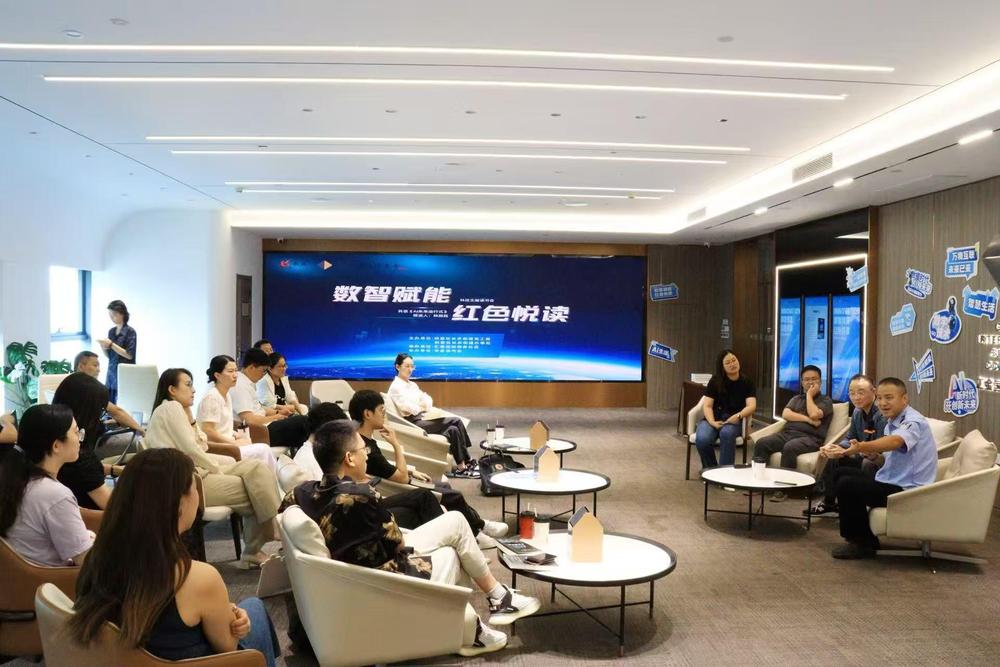
Core Viewpoint - Ningbo's Zhenhai District Xiepu Town is addressing governance challenges arising from village demolition and resettlement through a community governance model led by party building, aiming to enhance community integration and resolve conflicts effectively [1][4][7] Group 1: Community Governance Structure - The town has established a four-level organizational structure consisting of "Community Party Committee - Grid Party Branch - Area Party Group - Building Red Manager" to promote collaborative governance among party leaders, residents, and property management [1] - A "Neighborly Agreement" platform is used to regularly collect public opinions, leading to a high approval rate of over 85% for village demolition agreements and over 90% for community committee election votes [1] Group 2: Identity and Community Engagement - The town has upgraded mutual aid groups into "Neighborhood Interaction Groups" by collaborating with over 30 local organizations and businesses, creating a "Together in Heart" brand for joint party building [4] - Initiatives such as emotional support services and food safety checks have been implemented in partnership with local hospitals and organizations, enhancing the precision and effectiveness of community services [5] Group 3: Conflict Resolution and Safety - A "Neighbor Emergency" volunteer team has been formed to conduct regular safety inspections and environmental clean-ups, playing a crucial role in community safety and conflict resolution [7] - The "Dispute Resolution Courtyard" has been established to facilitate the collection of conflict-related information through various channels, aiming to resolve community disputes effectively [7] Group 4: Future Development Plans - Xiepu Town plans to deepen the "Neighborly Heart, Harmonious Lanwan" brand, focusing on implementing a governance model that emphasizes community management and collaboration [7] - The town aims to enhance the effectiveness of the "Dispute Resolution Courtyard" and optimize property management collaboration to improve the precision of community governance [7]