
社区治理创新

Search documents
省政府召开座谈会征求对政府工作报告和“十五五”规划纲要草案的意见建议
Da Zhong Ri Bao· 2026-01-13 01:12
Group 1 - The meeting was convened to gather opinions on the "Government Work Report (Draft for Comments)" and the "14th Five-Year Plan Outline Draft" from grassroots representatives and experts [1] - Key discussion topics included expanding domestic demand, developing new productive forces, promoting "Artificial Intelligence +", supporting the private economy, high-level opening up, rural revitalization, cultural prosperity, community governance innovation, quality education resource supply, enhancing grassroots medical services, and new employment form protections [1] - The Vice Governor Zhang Haibo acknowledged the suggestions made by participants and expressed commitment to incorporate these insights into the revisions of the two documents and future work planning [1]
东川区铜源社区创新村规民约宣传方式
Xin Lang Cai Jing· 2026-01-12 22:07
Group 1 - The core idea of the article is the innovative approach taken by the Tongyuan community in Dongchuan District to promote community rules and regulations through a creative video format, which has gained popularity among residents [1] - Traditional methods of communication, such as posting notices and distributing brochures, were found to be limited in reach and engagement, prompting the community to seek new ways to connect with residents [1] - The community utilized local artistic talents to adapt key clauses of community rules into catchy and easy-to-understand rap lyrics, enhancing the appeal and relatability of the content [1] Group 2 - The video, featuring well-edited visuals and clear subtitles, was first released on the "Jiyi Shiguang" video account and quickly went viral among residents, demonstrating its effectiveness in reaching a wide audience [1] - This innovative method of combining rap with video content has successfully bridged online and offline promotion, leading to a deeper understanding and acceptance of community rules among residents [1] - The initiative has not only improved compliance with community regulations but also fostered neighborly communication and increased resident participation in community governance, adding a personal touch to community management [1]
以“绣花”功夫托起民生“温度” 百姓圆新居梦民生幸福持续加码
Yang Shi Wang· 2026-01-07 06:42
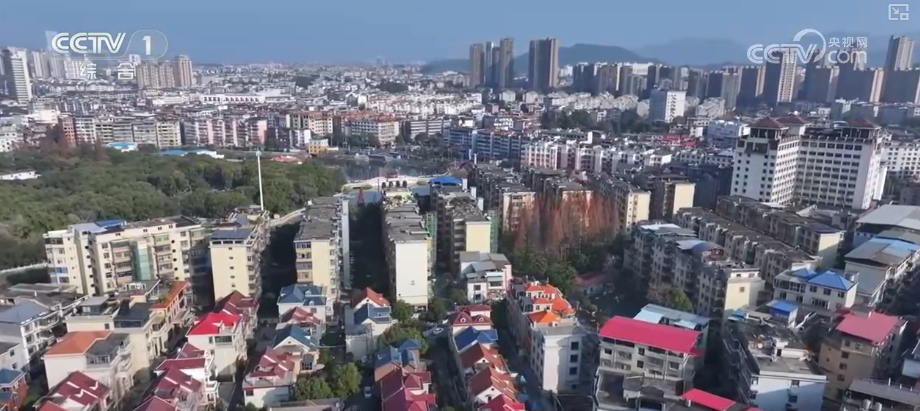
Core Viewpoint - The article highlights the innovative mechanisms being implemented in various regions to enhance community governance and improve living conditions in old residential areas, focusing on the successful case of the Fuli Garden community in Pingxiang, Jiangxi Province [1]. Group 1: Community Improvement Initiatives - The Fuli Garden community, built over 30 years ago, recently installed new elevators, significantly improving residents' living conditions within a short period of approximately three months [3][4]. - Previously, the community faced challenges such as poor property management, lack of resident engagement in community governance, and disputes over shared facilities, which negatively impacted the living experience [6]. Group 2: Governance and Conflict Resolution - The implementation of a community property party-building governance model has been adopted in 37 communities, resulting in a 52% decrease in community conflicts and disputes [10]. - In 2024, a new mechanism will be trialed, emphasizing party organization leadership, owner participation, and multi-party collaboration, allowing residents to engage in decision-making processes regarding community improvements and service standards [11]. Group 3: Future Community Goals - The local government aims to create harmonious and supportive "neighborhood communities" that enhance urban warmth and increase resident satisfaction [13].

各地社区便民阵地上“新”服务 让民生实事落地有声、幸福生活可感可及
Yang Shi Wang· 2025-10-19 06:11
Group 1 - The article highlights the innovative community service initiatives aimed at improving residents' quality of life, particularly focusing on integrating new employment groups like delivery riders into community governance [1][8] - In Weihai, Shandong, delivery riders have been engaged in community governance by responding to local needs, such as retrieving keys for elderly residents, showcasing a model of mutual support [1][3] - The community has established a "rider station" providing amenities like shelter from rain, charging facilities, and health check-up events, fostering a sense of belonging among delivery riders [7][8] Group 2 - Community canteens are being developed across various regions to enhance food security for the elderly, with a new canteen recently opened in Guangdong's Jieyang, offering a variety of meal options [9] - The canteen features an open kitchen and provides 12 different dishes and 4 types of soup for residents, promoting social interaction among diners [9]

我市多地入选国家级幸福家园行动共建名单
Nan Jing Ri Bao· 2025-09-19 02:35
Core Viewpoint - The recent selection of several communities in Nanjing for the 2025 Urban and Rural Community High-Quality Development Happiness Home Action signifies a recognition of innovative grassroots governance and a step forward in enhancing the quality of life for residents [1][7]. Group 1: Community Innovations - Nanjing's selected communities have tailored their governance strategies based on local resources, population structure, and cultural characteristics, leading to unique paths for happiness practices [2]. - The Oasis Community in Yuhuatai District has created a "small but beautiful" living environment by integrating cultural heritage and effective governance, featuring a factory history museum that engages retired workers and educates younger generations [2][3]. - The Yanziji Street has developed a "Mu Yan Xing Zhi" governance brand, establishing a four-level linkage system to improve service response efficiency and enhance residents' happiness through digital governance initiatives [3][4]. Group 2: Collaborative Governance - The construction of the Happiness Home relies on multi-party collaboration, with communities actively forming governance communities that include enterprises, social organizations, and residents [4][5]. - Yanziji Street has integrated resources through a "Red Chain Party Building Hub," collaborating with educational institutions and local businesses to create a red-themed educational route that connects historical culture with urban development [4][5]. - The "Worry-Free Grocery Store" in the Nanhua New Village community serves as an innovative brand for conflict resolution, providing legal and community support services to residents [5][6]. Group 3: Sustainable Development - The Happiness Home Action aims to modernize grassroots governance and improve community service quality, selecting exemplary communities across the country to explore replicable practices [7]. - The selected communities in Nanjing represent various innovative governance directions, emphasizing the role of party building in activating internal resources and fostering sustainable development [7]. - Future plans include strengthening exchanges with other communities nationwide to further innovate in smart governance and service integration, aiming to create a replicable "Nanjing experience" in community development [7].
提升社区服务能力和水平 以治理创新推动老年友好型社区建设
Ren Min Ri Bao· 2025-09-10 22:13
Core Viewpoint - The construction of elderly-friendly communities is essential for improving the quality of elderly care services and enhancing the well-being of senior citizens in China, as emphasized by the government and relevant policies [1][2][3]. Group 1: Importance of Elderly-Friendly Communities - The aging population in China is projected to exceed 300 million by the end of 2024, accounting for 22% of the total population, highlighting the need for community-based elderly care solutions [2]. - Communities serve as vital units for elderly individuals, providing essential services such as healthcare, rehabilitation, and cultural activities, thereby enhancing their quality of life [2][3]. - Developing elderly-friendly communities aligns with the preferences of seniors for familiar and accessible environments, facilitating better service delivery [2]. Group 2: Policy Support and Current Challenges - Multiple policy documents have been issued to support the development of elderly-friendly communities, leading to improvements in the scale and quality of community elderly care services [3]. - Despite progress, challenges remain, including the need for better coordination mechanisms, inadequate facilities, and low levels of age-friendly housing [3][4]. Group 3: Community Governance and Service Optimization - Effective community governance is crucial for building a cohesive elderly care service network, requiring collaboration among various stakeholders, including government, social organizations, and the public [4]. - Optimizing service supply involves establishing efficient communication channels to accurately assess and meet the diverse needs of the elderly population [5]. - The integration of technology, such as big data and AI, is recommended to create dynamic health records for seniors, enhancing service personalization [5]. Group 4: Creating a Supportive Environment - The construction of elderly-friendly communities should encompass not only physical adaptations but also the promotion of a culture of respect and care for the elderly [6]. - Community activities that foster intergenerational interaction and mutual support are essential for building a harmonious living environment for seniors [6].
以治理创新推动老年友好型社区建设
Ren Min Ri Bao· 2025-09-10 22:13
Core Viewpoint - The construction of elderly-friendly communities is essential for improving the quality of elderly care services and enhancing the sense of security and happiness among the elderly population in China [1][2][3]. Group 1: Importance of Elderly-Friendly Communities - The elderly population in China is projected to exceed 300 million by the end of 2024, accounting for 22% of the total population, highlighting the need for effective elderly care solutions [2]. - Communities serve as a vital unit for elderly living, providing essential services such as medical care, rehabilitation, and cultural activities, which are crucial for enhancing the quality of life for the elderly [2][3]. - Developing elderly-friendly communities aligns with the preferences of older adults to receive care in familiar and accessible environments, thereby improving their independence and quality of life [2][3]. Group 2: Policy Support and Current Challenges - Multiple policy documents have been issued to support the development of elderly-friendly communities, leading to improvements in the scale and quality of community elderly care services [3]. - Despite progress, challenges remain, including the need for better coordination mechanisms, inadequate community facilities, and low levels of age-friendly housing [3][4]. Group 3: Strategies for Improvement - Strengthening the construction of home and community elderly care service networks is essential, requiring effective communication and coordination among various service providers [4]. - Optimizing community elderly care service supply involves establishing efficient feedback mechanisms and interactive platforms to better understand and meet the needs of the elderly [5]. - Creating a supportive atmosphere in elderly-friendly communities includes not only physical adaptations but also fostering a culture of respect and care for the elderly through community activities and education [6].
重新定义理想社区:用热爱,让“好房子”承载“好生活”
Nan Fang Du Shi Bao· 2025-08-04 03:18
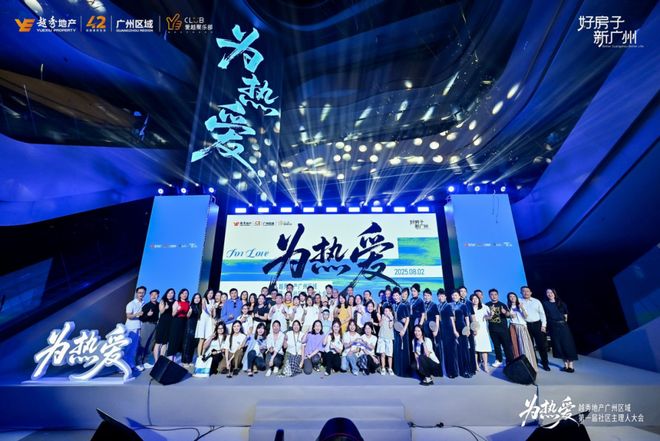
Core Insights - The first Community Manager Conference organized by Yuexiu Property in Guangzhou marks the establishment of a large-scale community co-construction platform in South China, focusing on innovative community governance in the new era [1][3]. Group 1: Community Development - As of July 2025, the company has cultivated 108 vibrant communities in Guangzhou, attracting 22,965 homeowners, with over 11,200 becoming "Yue Friends" [3]. - The conference featured insights from community leaders and shared practical experiences, highlighting the new community governance model of "community managers" [3][9]. - The event included a vibrant community experience carnival, fostering a warm atmosphere and community culture [6]. Group 2: Community Engagement and Activities - The "Muyu Community" was created to help children develop social skills through nature exploration, receiving positive feedback from various projects [10][12]. - The "Chao You Attraction" community utilizes a clubhouse to create an artistic lifestyle season, enhancing the urban micro-vacation experience for residents [14][15]. - The company emphasizes activating homeowner participation and self-driven community development through various interest groups and collaborative plans [17][19]. Group 3: Cultural Integration and Local Understanding - Yuexiu Property has been a city builder in Guangzhou for over 40 years, with more than 150 residential projects and 40 commercial entities, deeply embedding itself in the local culture [23][25]. - The company is upgrading its community structure to include ten thematic communities, achieving over 10,000 active members by July 2025 [23]. - The integration of local cultural elements into community life is evident through art exhibitions, cultural lectures, and workshops, enhancing the community's vibrancy [25][29].

扫码进门,驿站暖心小哥成了社区流动网格员
Hang Zhou Ri Bao· 2025-07-08 03:00
Core Insights - The article highlights the innovative construction of a "Delivery-Friendly Community" in Fengxiang Community, Tonglu, which effectively addresses delivery challenges and opens a new path for community governance [1][2]. Group 1: Delivery Challenges - With the widespread adoption of food delivery services, the conflict between community safety management and delivery efficiency has become increasingly prominent [2]. - The Evergrande Guanlanfu community, a high-rise residential area with a human-vehicle separation policy, experiences over 200 daily delivery orders, leading to inefficiencies and high complaint rates due to delivery personnel needing to walk up to 8 minutes to the farthest building [2]. Group 2: Innovative Solutions - In response to these challenges, the Fengxiang Community Party Branch collaborated with property management and delivery platforms to launch the "Delivery Personnel Code" certification system, allowing certified delivery personnel to enter the community quickly through a smart access system [3]. - The delivery time to the farthest building has been reduced to just 2 minutes, significantly lowering the order delay rate [3]. Group 3: Community Integration - The community has established a "Warm New Station" to provide essential services such as drinking water, charging, and climate control for delivery personnel, enhancing the overall service experience [3]. - The implementation of the "Delivery Personnel Code" has led to an 80% reduction in conflicts arising from deliveries, creating a more harmonious community environment [3]. - Delivery personnel have transitioned from being mere "transient visitors" to "co-building partners" within the community, actively participating in safety patrols and reporting safety hazards [3]. Group 4: Future Plans - The Fengxiang Community plans to further develop the "Delivery-Friendly Community" initiative by optimizing the "Delivery Personnel Code" and expanding the services offered at the "Warm New Station," with intentions to share successful practices with other communities [3].