
国际贸易

Search documents
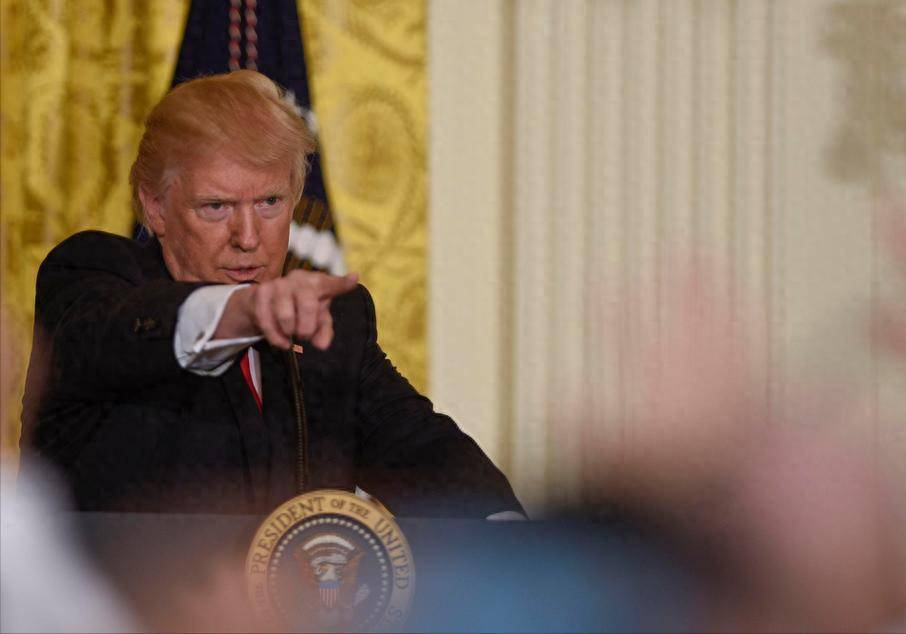
这是离间计吗?特朗普要求欧盟对中印加税100%,随后美国也跟进。
Sou Hu Cai Jing· 2025-09-10 06:16
Core Viewpoint - The article discusses President Trump's request for the EU to impose a 100% tariff on China and India for purchasing Russian energy, aiming to pressure Russia and potentially disrupt trade relations between the EU and these countries [1][3]. Group 1: Impact on Trade Relations - Imposing a 100% tariff on China and India could severely damage trade relations between the EU and these countries, as both are significant economic partners with extensive trade ties to the EU [1]. - The potential tariffs may lead to increased trade friction, harming economic interests on both sides, while the U.S. could benefit from a shift in trade flows [1][3]. Group 2: Effects on Energy Cooperation - The proposed tariffs could raise the cost of energy purchases for China and India from Russia, potentially hindering their energy cooperation and affecting the strategic partnerships between China-Russia and India-Russia [3]. - This move aligns with the U.S. strategy to weaken Russia's economic power indirectly [3]. Group 3: EU's Position and Response - The EU is unlikely to agree to the proposed "secondary taxation" unless the U.S. takes similar actions, as unilateral tariffs could negatively impact the EU's own economy due to its significant trade relations with China and India [5]. - The U.S. has previously imposed a 25% tariff on Indian goods and retained some tariffs on China, indicating a continuation of protectionist policies aimed at adjusting global trade dynamics [5]. Group 4: Future Developments - The request is still in the proposal stage, and the EU has not yet provided a clear response, necessitating further observation of how this situation evolves and its implications for U.S.-China, EU-China, and Russia-China relations [6].

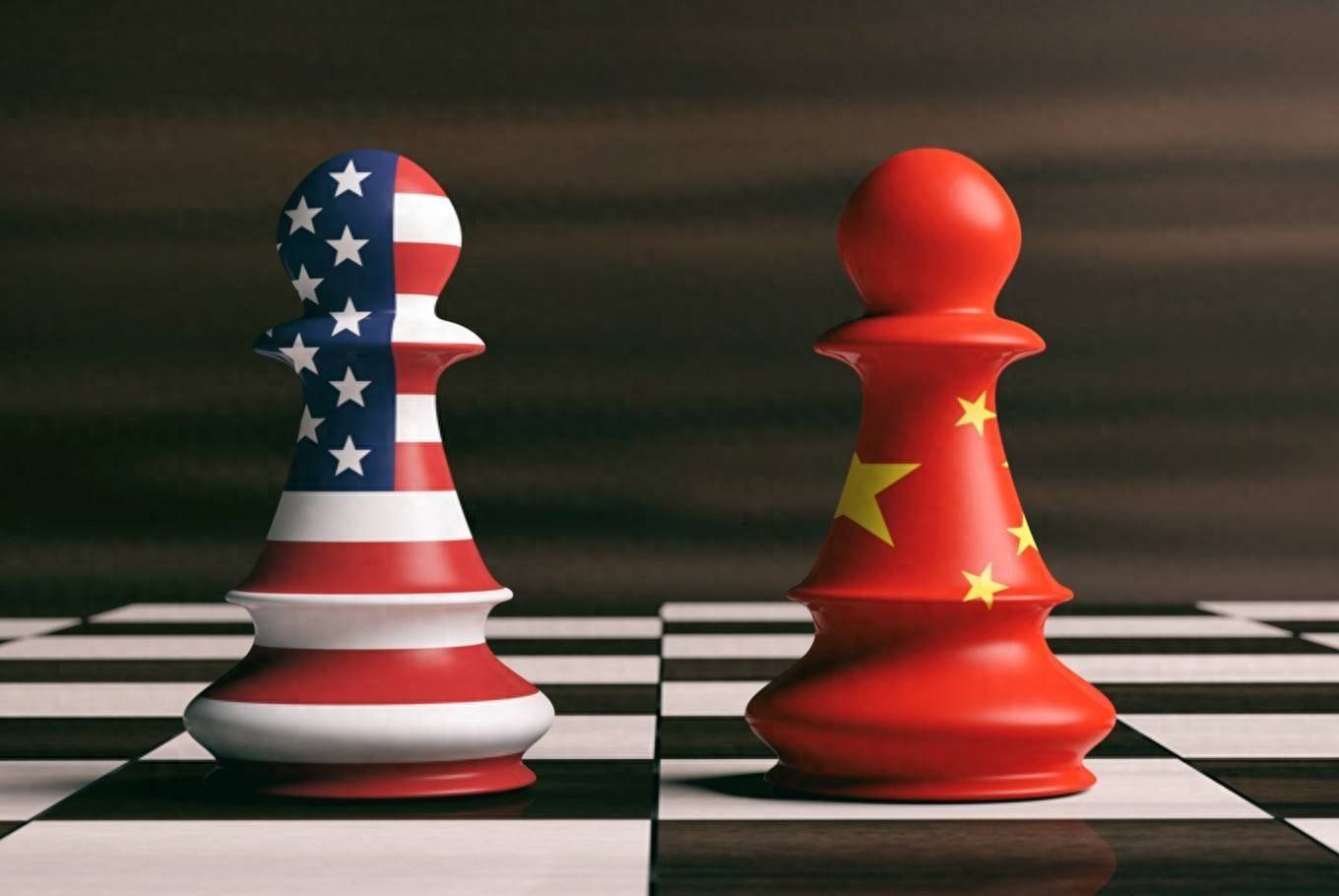
中美贸易战戛然而止?美国法院做出裁定,特朗普无权对华加征关税
Sou Hu Cai Jing· 2025-09-10 06:16
Core Viewpoint - The U.S. Court of Appeals has overturned Trump's tariff policy against China, which could have significant implications for the global economy and U.S. political landscape [1][5]. Group 1: Legal and Political Implications - The court ruled 7-4 that the tariffs imposed under the International Emergency Economic Powers Act were an overreach of presidential authority, indicating that such significant economic policy changes require congressional approval [1][5]. - Trump's immediate reaction involved a series of tweets asserting the tariffs remain effective and vowing to appeal to the Supreme Court, reflecting a refusal to concede defeat [3][5]. - The ruling highlights a deeper crisis within the U.S. political system, as Trump's administration has been accused of expanding executive power at the expense of the checks and balances established by the Constitution [6][8]. Group 2: Economic Consequences - If the Supreme Court upholds the ruling, the U.S. Treasury may face substantial refund claims, potentially returning over $210 billion in tariffs to importers, which could exacerbate the already high national debt [6]. - The loss of tariffs would undermine the U.S. negotiating position in trade agreements with the EU and Japan, which were partly based on the threat of tariffs [6][9]. - The outcome of this legal battle is seen as a pivotal moment that could reshape global political and economic dynamics, with potential benefits for China as it navigates external pressures [9].
南非总统:南非在对美贸易谈判中绝不会“卑躬屈膝”
Xin Hua She· 2025-09-10 05:43
Core Viewpoint - The South African government is actively engaging with the United States regarding the newly imposed tariffs, emphasizing that it will not compromise its position in trade negotiations [1]. Group 1: Government Actions - South African President Ramaphosa stated that government representatives are in contact with U.S. officials, Congress members, and business leaders to advance formal negotiations aimed at achieving mutually beneficial trade and investment agreements [1]. - The South African government is determined to maintain a strong stance in negotiations, asserting that it will not bow down or compromise its dignity [1]. Group 2: Tariff Details - On July 31, U.S. President Trump signed an executive order announcing tariff rates applicable to goods from 69 trade partners, including South Africa [1]. - The U.S. imposed a 30% "reciprocal tariff" on South African goods, which took effect on August 7 [1].
乌兹别克斯坦审计院院长来苏 到访中国—中亚贸易畅通合作平台
Xin Hua Ri Bao· 2025-09-07 21:57
Group 1 - The Uzbekistan Audit Chamber, led by Chairman Abdullayev, visited Jiangsu to inspect the China-Central Asia Trade Facilitation Cooperation Platform, which is a significant outcome of the second China-Central Asia Summit [1] - The platform aims to enhance trade cooperation, promote industrial collaboration, support educational exports, and strengthen communication exchanges among the five Central Asian countries and other provinces, playing a crucial role in improving economic and trade cooperation [1] - Abdullayev expressed high expectations for deepening cooperation with Jiangsu, highlighting Uzbekistan's strong economic growth, large consumer market potential, and solid cooperation foundation with Jiangsu [1] Group 2 - The China-Central Asia Trade Facilitation Cooperation Platform is constructed and operated by Suhao Holdings Group, which aims to strengthen bilateral cooperation with Uzbek institutions and expand collaboration in areas such as silk, new energy vehicles, educational exports, and cultural tourism [2] - Suhao Holdings Group's Chairman Zhou Yong emphasized the importance of the platform in promoting Jiangsu's high-tech products to Central Asia and facilitating the entry of quality Central Asian products into the Chinese market [2]
特朗普急上诉:关税案我们真输不起!万亿协议要凉,美国被反噬?
Sou Hu Cai Jing· 2025-09-06 02:15
Core Viewpoint - President Trump's warning about the potential termination of trade agreements with major partners like the EU, Japan, and South Korea if the Supreme Court rules against the government in a tariff case, which he claims would have a "catastrophic impact" on the U.S. economy [1] Group 1: Legal and Economic Implications - The U.S. Department of Justice has formally appealed to the Supreme Court to overturn a recent unfavorable ruling regarding the legality of the "reciprocal tariff" policy [2] - Trump's statement links the survival of trade agreements, valued at nearly $1 trillion, directly to the Supreme Court's decision, indicating the high stakes involved [2] - Economic experts, including Nobel laureate Paul Krugman, argue that the tariff policy shifts the tax burden onto American consumers and businesses, potentially increasing inflation by 1.5 percentage points [2] Group 2: Political Reactions - Legal experts highlight the case's significance regarding presidential authority to impose tariffs without congressional approval, noting the potential for a divided Supreme Court decision [3] - Congressional Democrats criticized Trump's remarks, with Senate Finance Committee Chairman Ron Wyden stating that the administration has failed to clarify the legal status of the trade agreements [3] - House Speaker Nancy Pelosi described Trump's comments as "another reckless threat" [3] Group 3: Judicial Process and Global Impact - The Justice Department submitted an emergency appeal to the Supreme Court, emphasizing the importance of maintaining tariffs for protecting the U.S. manufacturing base [4] - Legal experts predict that the Supreme Court is likely to hear the case due to its significant implications, although a final ruling may not come until just before the 2026 presidential election [4] - The former Director-General of the World Trade Organization expressed that the case affects not only U.S. law but also the stability of the global trading system [4]

不到48小时,美国连遭三重重击,日本变脸倒戈,印度巨大反转,全球在期待中国方案
Sou Hu Cai Jing· 2025-09-06 02:15
Group 1 - The article highlights the rapid changes in the international political landscape, indicating a potential decline of U.S. hegemony and a shift towards a multipolar world order [1][11] - The U.S. is facing significant challenges both domestically and internationally, with its trade policies being questioned and losing effectiveness [3][5] - Traditional allies, such as India and Japan, are showing signs of independence from U.S. influence, indicating a broader trend of shifting alliances [6][9] Group 2 - China's new global governance proposal is gaining recognition and support from various countries, contrasting with the U.S. unilateral approach [11][12] - The principles of China's initiative emphasize equality, international law, multilateral cooperation, and a people-centered approach, resonating with many nations [11] - The article concludes that the recent international events signal a profound transformation in global power dynamics, with countries seeking to maximize their interests in the context of great power competition [11][12]
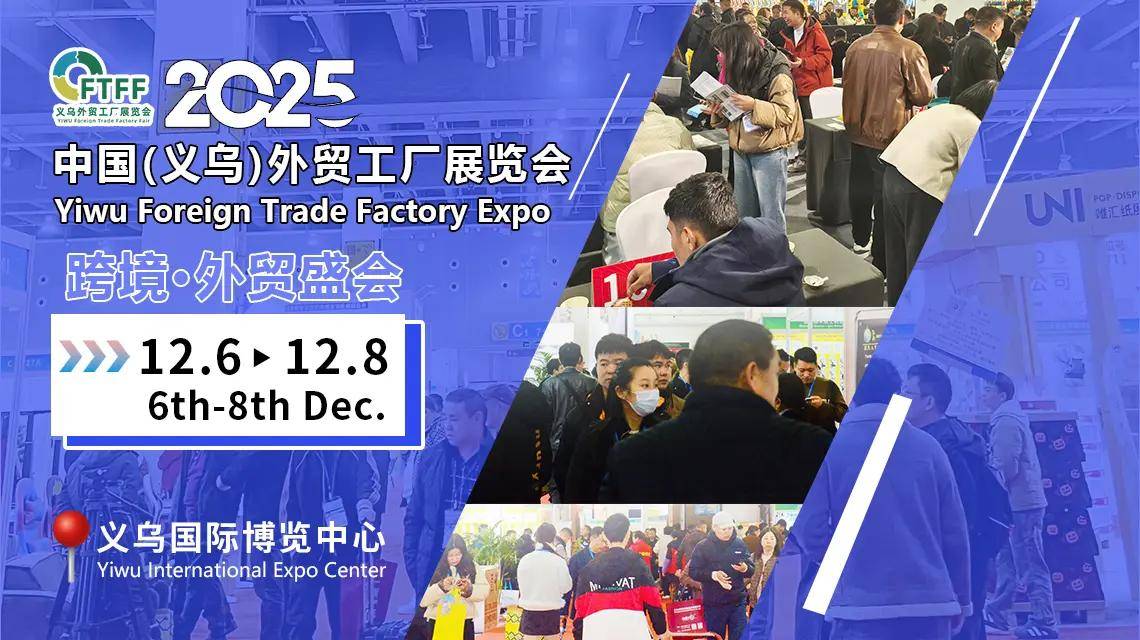
2025义乌外贸中小工厂展:前7个月,52.7亿元!义乌与上合组织成员国经贸合作不断深化
Sou Hu Cai Jing· 2025-09-06 02:11
Core Insights - The 2025 Shanghai Cooperation Organization Summit will be held in Tianjin, highlighting the growing economic cooperation between Yiwu and SCO member countries [1] - Yiwu's trade with SCO countries has seen significant growth, with a 20.4% year-on-year increase in import and export value, reaching 5.27 billion yuan in the first seven months of this year [1] Trade and Logistics - Yiwu has expanded its export product categories from small commodities to high-value items such as auto parts, machinery, and building materials, while also importing metals and grains from SCO countries [3] - The use of the Zhejiang China-Europe Railway Express has become a preferred logistics method due to its cost-effectiveness and shorter transit times compared to sea and air transport [1][2] - The introduction of new TIR transport routes connecting Yiwu to Moscow and Tashkent has further enhanced logistics capabilities, with a 34.6% increase in shipments and a 39.1% rise in export value in the first eight months of the year [2] Upcoming Events - The 2025 China (Yiwu) Foreign Trade Factory Exhibition and Cross-Border E-Commerce Procurement Fair is set to take place from December 6 to 8, aiming to attract global attention and facilitate international market expansion [5] - The exhibition will feature 2,000 international standard booths and cover an area of 50,000 square meters, expecting to draw 60,000 visitors [5]
2025年上半年哥伦比亚与拉美一体会协会成员国实现贸易顺差
Shang Wu Bu Wang Zhan· 2025-09-05 17:28
Core Insights - In the first half of 2025, Colombia achieved a trade surplus of $1.143 billion with members of the Latin American Integration Association (Aladi) despite having a trade deficit with most countries [1] - Panama led the surplus with $1.755 billion, followed by Ecuador and Venezuela [1] - Experts recommend that Colombia should increase exports of non-mineral energy products and leverage the advantages of the Andean Community Free Trade Area and regional industrial chains to further expand its surplus with regional countries [1]
墨西哥总统称考虑对部分国家加征关税 中方:反对以各种名目对华设限
Zhong Guo Xin Wen Wang· 2025-09-05 09:06
墨西哥总统称考虑对部分国家加征关税 中方:反对以各种名目对华设限 中新网北京9月5日电(记者 郭超凯)中国外交部发言人郭嘉昆9月5日主持例行记者会。 有记者提问:据报道,墨西哥总统辛鲍姆表示,墨政府正在考虑对没有与墨西哥签署贸易协议的国家加 征关税,其中包括中国。中方对此有何评论? 郭嘉昆:我不了解你提到的具体情况。中墨经贸合作是互利共赢的,合作成果惠及彼此人民。中方始终 倡导普惠包容的经济全球化,反对各种形式的单边主义、保护主义和歧视性、排他性措施。我们坚决反 对在他人胁迫下,以各种名目对华设限,损害中方正当权益。相信有关国家将坚持独立自主,妥善处理 有关问题。(完) 来源:中国新闻网 编辑:万可义 广告等商务合作,请点击这里 本文为转载内容,授权事宜请联系原著作权人 中新经纬版权所有,未经书面授权,任何单位及个人不得转载、摘编或以其它方式使用。 关注中新经纬微信公众号(微信搜索"中新经纬"或"jwview"),看更多精彩财经资讯。 ...
近三年中亚国家同海湾国家贸易额大幅增长
Shang Wu Bu Wang Zhan· 2025-09-05 03:17
Core Insights - The Eurasian Development Bank (EDB) reports that trade between Central Asian countries and Gulf countries is projected to reach $3.3 billion in 2024, more than tripling since 2020 [1] Trade Dynamics - Central Asian countries import 80% of their trade from Gulf countries, with Turkmenistan being the largest trade partner at $2 billion, accounting for 61% of total trade [1] - Uzbekistan and Kazakhstan follow with trade volumes of $740 million (23%) and $302 million (9%) respectively [1] Growth Rates - The countries with the highest trade growth rates are Turkmenistan (8.9 times), Kyrgyzstan (8.5 times), and Uzbekistan (7.1 times) [1] Dominance of UAE - The United Arab Emirates (UAE) dominates trade between Gulf and Central Asian countries, accounting for 97% of the total trade volume [1] Future Potential - Experts predict an additional growth potential of $4.9 billion in trade, with Gulf countries having a potential export value of $4.4 billion (mainly automobiles, electronics, and jewelry) and Central Asian countries at $500 million (mainly precious and non-ferrous metals, agricultural products) [1] Tajikistan's Trade with Gulf Countries - Tajikistan's trade with Gulf countries is expected to reach $9.3 million in 2024, a 3.7-fold increase from $1.96 million in 2020 [1] - The UAE remains Tajikistan's primary trade partner, with its share of Tajikistan's trade with Gulf countries increasing from 93% in 2020 to 99% in 2024 [1]