酒店业

Search documents
花海友的钱住“全季 ”,全自助酒店真能把价格打下来?
Guan Cha Zhe Wang· 2025-11-04 07:04
Core Viewpoint - Haiyou, a budget hotel brand under Huazhu Group, aims to achieve a "thousand-store scale" by enhancing its product offerings and operational efficiency, despite previous setbacks in expansion [1][6]. Group 1: Business Strategy and Expansion - Haiyou previously set a goal to expand from 464 stores in 2020 to 1,500 by the end of 2023, but has only added about 230 stores, reaching over 700 by August this year [1][6]. - The CEO of Huazhu Group acknowledged that Haiyou initially limited its target audience to younger demographics, neglecting a broader market that includes middle-aged and older customers [1]. - Haiyou has introduced a new product, the fully self-service hotel, moving away from previous iterations to better meet market demands [1][5]. Group 2: Product Offering and Customer Experience - The fully self-service model aims to drastically reduce labor costs while reallocating savings to enhance room quality, positioning itself against higher-end brands like All Seasons [2][5]. - Haiyou's new offerings include larger room sizes, ergonomic mattresses, and improved amenities, all while maintaining cost efficiency [5][10]. - The self-service model allows guests to check in quickly and access various facilities independently, promoting a balance between efficiency and customer service [8][10]. Group 3: Market Trends and Consumer Behavior - Consumer preferences are shifting towards value-driven accommodations, with a notable trend of travelers opting for budget-friendly options, even unconventional ones like camping [7][8]. - Traditional budget hotels face challenges due to outdated offerings and inflated pricing, creating a gap in the market that Haiyou aims to fill with its innovative model [8][10]. - Data indicates that the fully self-service hotel model is gaining traction, with several locations achieving high occupancy rates and revenue per available room (RevPAR) exceeding 230 yuan [10][11]. Group 4: Investment Potential - The fully self-service hotel model is characterized by low investment costs, with a new single room costing approximately 57,100 yuan, making it an attractive option for investors [10]. - The operational efficiency of the self-service model allows for a significantly reduced staff-to-room ratio, enhancing profitability [10][11]. - Haiyou's approach is positioned as a "king of investment efficiency" in the budget hotel sector, promising high returns with minimal investment [10][11].



华住旗下高端酒店品牌施柏阁携手可力乐熊,开启全球艺术之旅
Xin Lang Cai Jing· 2025-11-04 05:34
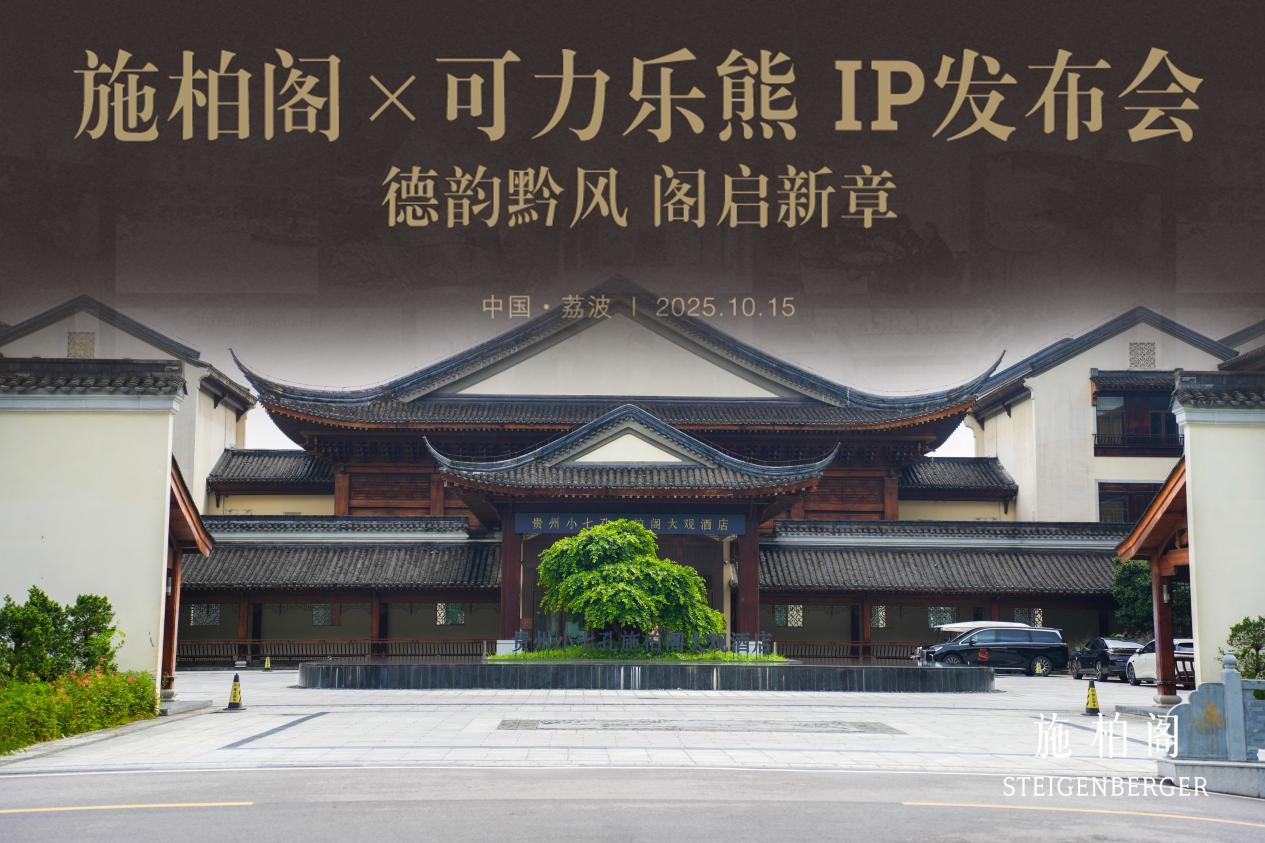
Core Viewpoint - The launch of the new brand image partner, the "Kelele Bear," by the high-end hotel brand Shijia Ge under Huazhu Group, marks a significant step in connecting emotionally and artistically with Chinese consumers, leveraging nearly a century of German heritage [2][12]. Group 1: Brand Identity and Cultural Significance - The Kelele Bear is designed as an artistic bear figure that embodies deep German cultural roots while presenting a warm and soft exterior, challenging the stereotype of German rigidity [4]. - The bear symbolizes strength and friendliness, particularly in Berlin, where it is seen as a city emblem, thus enhancing the brand's cultural relevance [4]. Group 2: Collaboration with Artists - International young artist Ye Zile was invited to co-create the Kelele Bear, known for his works that blend pop colors with healing aesthetics, showcasing broad international influence [5]. - The design process took nearly two years, resulting in a unique visual expression that abstractly represents the flow of energy through time and space [8]. Group 3: Long-term Vision and IP Integration - A groundbreaking 40-year cooperation agreement was established between Shijia Ge and Ye Zile, highlighting the brand's long-term vision in cultural development [8]. - The Kelele Bear will be integrated into the guest experience across all Shijia Ge hotels, featuring installations, themed rooms, customized meals, and merchandise, creating an immersive IP experience [10]. Group 4: Art Installations and Exhibitions - The first silver mirror sculpture of the Kelele Bear was unveiled at the Guizhou Xiaoqikong Shijia Ge Hotel, with plans for global guests to encounter this artistic installation [11]. - The "Kelele Bear World Tour" interactive exhibition commenced in Chengdu, showcasing the brand's nearly century-long journey from Germany to China, emphasizing the connection to Chengdu as the "Panda Capital" [12][15].
美国旅游协会警告:政府“停摆”或引发节日出行混乱!美国国会预算办公室估计,停摆已造成70亿至140亿美元经济损失
Ge Long Hui· 2025-11-04 01:50
格隆汇11月4日|据央视,美国旅游协会致信国会,敦促在近期美传统节日出行高峰前尽快重启政府, 以避免航空运输陷入全面混乱。目前,美政府"停摆"已进入第34天。协会指出,空管人员大批缺勤、被 迫兼职维持生计,导致航班延误激增,约影响320万名乘客。美国国会预算办公室估计,停摆已造成70 亿至140亿美元经济损失。 (责任编辑:宋政 HN002) 【免责声明】本文仅代表作者本人观点,与和讯网无关。和讯网站对文中陈述、观点判断保持中立,不对所包含内容 的准确性、可靠性或完整性提供任何明示或暗示的保证。请读者仅作参考,并请自行承担全部责任。邮箱: news_center@staff.hexun.com 美国旅游协会总裁兼首席执行官杰夫·弗里曼表示,航空安全仍会维持,但旅客将为延误、取消和信心 丧失"付出沉重且完全不必要的代价"。包括希尔顿集团、美高梅国际酒店集团在内的500家机构联合签 署信函,呼吁国会通过临时拨款法案尽快恢复政府运转,并指出已有60%的美国人重新考虑节日出行计 划。 ...

中银证券给予锦江酒店“增持”评级,需求端潜力仍待释放,公司费用管理能力优化
Sou Hu Cai Jing· 2025-11-04 00:00
Group 1 - The core viewpoint of the report is that Zhongyin Securities has given Jinjiang Hotels (600754.SH, latest price: 23.06 yuan) an "overweight" rating based on its Q3 2025 performance and market conditions [1] - In Q3 2025, the company reported a revenue of 3.715 billion yuan, a year-on-year decrease of 4.71%, while the net profit attributable to shareholders was 375 million yuan, showing a year-on-year increase of 45.45% [1] - Domestic revenue in mainland China grew by 2.18% year-on-year, while overseas revenue decreased by 18.44% [1] - The hotel RevPAR (Revenue per Available Room) experienced a slight decline compared to the same period last year [1] - The overall market demand is under pressure, leading to a slight decrease in revenue [1] - The company has successfully completed its annual store expansion plan [1] Group 2 - The report highlights the competitive pressures in the hotel market, which may impact revenue and profitability [1] - There are risks associated with intensified industry competition, potential obstacles to expansion, and fluctuations in exchange rates [1]

首个20年华住跑到全球第四,下个20年华住坚定看好酒店业
Nan Fang Du Shi Bao· 2025-11-03 15:32
Core Insights - The core message of the event was a strong endorsement of the Chinese hotel industry, emphasizing a positive outlook for the future and the importance of supply-side reforms in driving growth [1][12][16] Company Overview - Huazhu Group has achieved significant milestones, including 300 million members and operations in over 12,000 hotels across 19 countries, ranking fourth globally among hotel groups [8][10] - The company has established a comprehensive brand matrix covering various market segments, with high repurchase rates among franchisees and leading performance metrics in the industry [8][10] New Brand Launch - The new brand "All Seasons Grand View" was introduced, focusing on a lifestyle approach that integrates Eastern aesthetics into the hospitality experience, aiming to create a unique cultural and aesthetic experience for guests [6][10] Market Position and Strategy - Huazhu's growth strategy is centered on three key pillars: deepening focus on the Chinese market, leveraging a triadic model of brand, membership, and technology, and pursuing high-quality growth [11][12] - The company is positioned to capitalize on the ongoing transformation in the hotel industry, moving from rapid expansion to a focus on quality and efficiency [10][15] Industry Trends - The Chinese hotel industry is undergoing a significant transformation, with opportunities arising from market pressures, the rise of franchising, advancements in AI technology, and the potential in lower-tier cities [15][16] - The current state of the industry presents a chance for supply-side reforms, addressing issues of fragmentation and homogeneity in the market [15][16]

国信证券发布锦江酒店研报,三季度低基数下利润高增长,拟赴港上市优化海外资产结构
Mei Ri Jing Ji Xin Wen· 2025-11-03 03:42
Group 1 - The core viewpoint of the report is that Guosen Securities has given Jinjiang Hotels (600754.SH, latest price: 22.78 CNY) an "outperform" rating based on several factors [1] - Q3 revenue experienced a slight decline, but profit showed high growth due to a low base [1] - In Q3, the domestic RevPAR (Revenue per Available Room) decline narrowed, with direct-operated stores stabilizing, while overseas performance continued to be under pressure [1] - The company achieved 78% of its store opening target by the end of the quarter, with domestic store growth slightly outpacing industry growth [1] - The domestic supply-demand rebalancing, combined with the company's own integration effects, suggests that the RevPAR trend is expected to gradually stabilize [1] - Attention is drawn to the pace of the company's potential listing in Hong Kong and the progress of subsequent asset optimization [1]
全季大观 华住(01179)20周年再造下一个世界级品牌
智通财经网· 2025-11-03 03:00
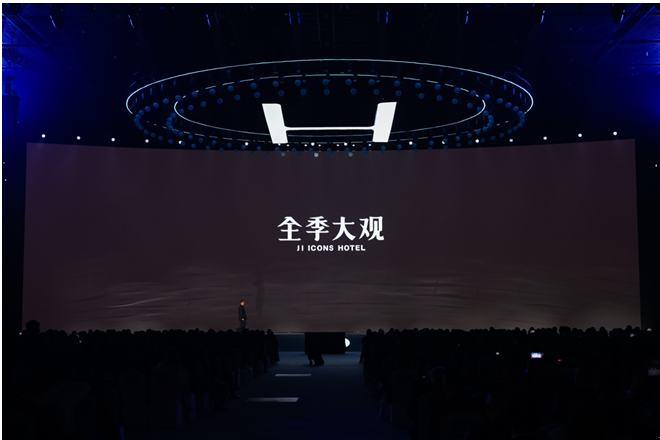
Core Viewpoint - The launch of the new brand "All Seasons Grand View" by Huazhu Group marks a strategic re-commitment to redefine the Chinese hotel industry for the next 20 years, emphasizing the importance of local culture and design in the hospitality sector [1][3][15] Group 1: Brand Development - The new brand "All Seasons Grand View" was unveiled at the 2025 Huazhu Partners Conference, celebrating Huazhu's 20th anniversary [1][3] - Huazhu's existing mid-range brand, All Seasons, has achieved a significant scale with nearly 3,500 locations nationwide, recognized as the fastest-growing mid-range hotel brand [3][5] - Huazhu's founder predicts that All Seasons and HanTing will rank among the top two single-brand hotels globally in the near future [3][5] Group 2: Market Positioning - The hotel industry is transitioning from rapid expansion to a focus on high-quality development, particularly in the mid to high-end market [7][8] - There is a notable disconnect between current hotel offerings and the actual needs of contemporary Chinese consumers, particularly in service and design [7][8] - The emergence of a "Chinese design" wave is seen as an opportunity for Huazhu to cater to the preferences of a new generation of Chinese consumers [5][8] Group 3: Strategic Vision - Huazhu aims to create a world-class brand rooted in Eastern culture, addressing the genuine needs of Chinese consumers [8][10] - The company emphasizes efficiency and scale as key competitive advantages, with over 12,000 hotels across 19 countries by 2025 [10][13] - The launch of All Seasons Grand View is positioned as a culmination of Huazhu's 20 years of experience and a starting point for future growth [10][15]
华住集团创始人季琦:酒店业迎来机遇叠加期 县域市场发展潜力巨大
Zheng Quan Shi Bao Wang· 2025-11-02 12:29
Core Insights - The hotel industry is experiencing unprecedented opportunities driven by market pressures, supply-side reforms, AI technology, and the potential of county markets [1] - The founder of Huazhu Group, Ji Qi, introduced the concept of "three markets" in the Chinese hotel industry, highlighting the distinct characteristics of developed markets, provincial cities, and county markets [1] - The middle-income group, exceeding 400 million people, is driving high-quality development in the hotel sector due to their pursuit of quality living [1] Market Dynamics - The increasing pressure in the stock market is prompting a return to the essence of investment, creating favorable conditions for rational investment [1] - Franchise investments are becoming a significant trend in the industry, with a focus on supply-side transformation [1] - The county market shows significant potential for growth, with a low chain rate compared to the national average, and improving infrastructure and consumption upgrades creating a conducive environment for hotel investment [1] Consumer Behavior - The hotel industry is witnessing parallel development across three consumer segments: luxury, middle-class, and budget consumers [1] - Younger consumers, who have grown up in affluent environments and possess a strong educational background, are demanding higher aesthetic standards in hotel products, significantly altering the competitive landscape [1] Company Milestones - Huazhu Group celebrated its 20th anniversary, having hosted over 2 billion guests and driven nearly 300 billion yuan in industry chain investments [2] - The company has established a comprehensive brand matrix covering various hotel categories, including national hotels, select services, lifestyle, high-end brands, and serviced apartments [2] Performance Metrics - The repurchase rate for franchisees of the All Seasons Hotel exceeds 30% [4] - The RevPAR (Revenue per Available Room) of Orange Crystal Hotels continues to lead the industry [4] - Intercity Hotels have achieved an annual growth rate of 155% [4]
万达酒店发展附属拟收购Vampire Squid Productions49%权益
Zhi Tong Cai Jing· 2025-11-02 10:49
Group 1 - Wanda Hotel Development announced an agreement for Wanda Chicago to acquire a 49% stake in Vampire Squid Productions Limited from CPE, in exchange for transferring rights to 16 condominium units located at 363 E. Wacker Drive, Chicago [1] - Vampire Squid Productions Limited is primarily engaged in issuing television production licenses to broadcasters and is co-owned by Wanda Children and CPE [1] - The company has been seeking buyers for 37 condominium units held by Wanda Chicago due to the enforcement of a mortgage related to the Chicago project [2] Group 2 - The transaction allows the company to enter the popular cultural intellectual property operation sector, diversifying its business beyond traditional boundaries [2] - This deal aligns with the company's initial plans to identify suitable investment opportunities in the domestic and international cultural tourism industry [2]
华住季琦:掘金三大细分市场,让“中国服务”走向全球
Sou Hu Cai Jing· 2025-11-02 04:57
Core Insights - The core viewpoint of the article emphasizes the need for structural reforms in the Chinese hotel industry, focusing on three market dimensions and adhering to two sets of principles for high-quality development [1][4]. Group 1: Market Opportunities - The Chinese hotel industry benefits from a complete industrial system and excellent infrastructure, alongside a growing demand for quality living from the population [3]. - The hotel market should be understood through three dimensions: geographic (developed markets, provincial cities, and county markets), consumer segments (luxury, middle-class, and budget), and age demographics (youth, middle-aged, and seniors) [3][4]. - The county market shows significant potential due to lower chain rates compared to national averages, rapid infrastructure improvements, and notable consumption upgrades [3]. Group 2: Strategic Focus - The current state of the hotel industry reveals over 20 million rooms, ranking first globally, but faces challenges such as fragmentation and homogenization, with only 25% of hotels having over 40 rooms and a chain rate of 40% [4]. - New opportunities arise from existing pressures, including a return to investment fundamentals, brand-driven supply-side reforms, AI technology enhancements, and strong manufacturing support for cost-effective supply chains [4]. - The company emphasizes the importance of adhering to two sets of "three goods": investment aspects (good location, good rent, good product) and product aspects (good brand, good property, good quality) [4]. Group 3: Brand Development - The company has launched a new brand, "All Seasons Grand View," integrating Eastern aesthetics into travel experiences, aiming to elevate from hotels to lifestyle offerings [3]. - According to the 2025 ranking by HOTELS, the company ranks fourth globally, with its HanTing brand being the largest in scale and All Seasons ranked fourth [4]. - The company aims to lead with its brand strategy, promoting "Chinese service" globally and positioning hotels as essential spaces for a better life [4].