
中医药

Search documents
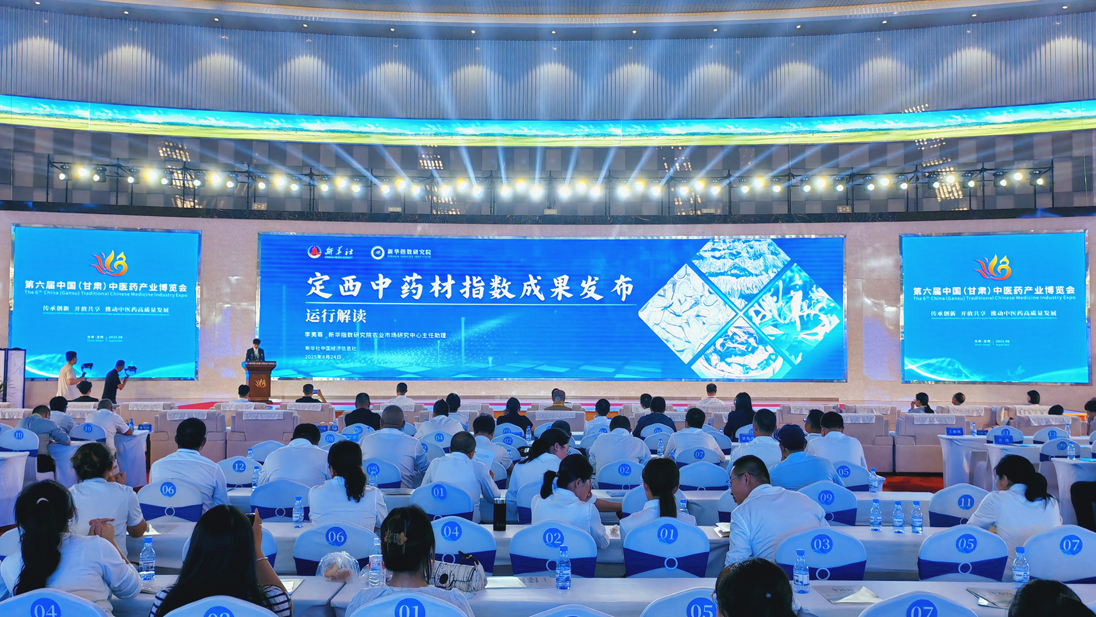
从“千年药乡”到“中国药都”——定西中医药产业链跃升之路
Xin Hua Cai Jing· 2025-08-26 07:55
Core Viewpoint - The release of the "Xinhua·China (Dingxi) Traditional Chinese Medicine Material Index Operation Report (2025)" outlines the significant growth and potential of Dingxi's traditional Chinese medicine industry, highlighting its development trajectory and the establishment of a quantifiable data foundation for the sector [1][2]. Industry Overview - Dingxi's traditional Chinese medicine industry is projected to exceed 50 billion yuan in scale by 2024, with a static storage capacity of over 1.4 million tons and an annual transaction volume of 1.44 million tons, generating a transaction value of over 28.6 billion yuan [3]. - The region's favorable climate and systematic policies contribute to the high quality of medicinal materials, which are recognized in the market for their superior active ingredients [3]. - Dingxi has been designated as a national pilot zone for the inheritance and innovation of traditional Chinese medicine, marking its development as a national strategic priority [4]. Innovation and Enterprise Development - The number of regulated enterprises in Dingxi's traditional Chinese medicine sector reached 70 by 2024, representing a 141.4% increase since 2020, indicating significant growth in the processing and sales capabilities of medicinal materials [4]. - The shift from traditional processing methods to advanced techniques such as refined processing and extraction is being supported by government initiatives aimed at enhancing the industry's competitiveness [4]. - E-commerce platforms are playing a crucial role in revitalizing the sales of Dingxi's medicinal materials, with over 2,000 online stores established in the region [4]. Brand Influence and Market Position - The brand influence index for Dingxi's medicinal materials reached 167 points in the second quarter of 2025, reflecting a 67.0% year-on-year increase, showcasing the growing recognition and credibility of the region's products [5]. - Dingxi has registered 310 trademarks for its medicinal materials, including five well-known trademarks and five geographical indication trademarks, enhancing its brand presence [5]. - The region is diversifying its product offerings by developing health-oriented products and integrating traditional medicine with tourism, creating new economic growth opportunities [5].

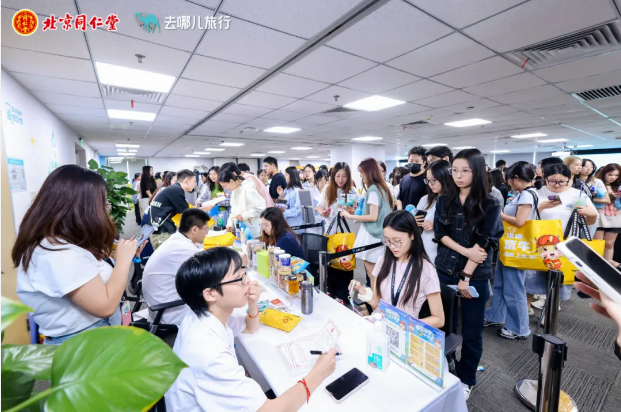
“带薪健康2小时” 同仁堂明星产品走进“去哪儿”
Zhong Guo Zhi Liang Xin Wen Wang· 2025-08-26 05:25
Core Viewpoint - The event organized by Beijing Tongrentang Technology Development Co., Ltd. focuses on addressing the health concerns of office workers through traditional Chinese medicine solutions, emphasizing the integration of health awareness into daily work life [1][7][13] Group 1: Health Issues and Solutions - Common health issues faced by office workers include acne from spicy food, fatigue from long hours, and emotional stress due to work pressure [2][5] - The company offers targeted products to address these specific health concerns, such as Jingzhi Niuhuang Jiedu Pian for heat relief, Huoxiang Zhengqi Shui for summer discomfort, and Ren Dan for boosting energy [5][9] Group 2: Event Engagement and Experience - The event featured interactive sessions where employees could learn about the products in relatable scenarios, enhancing their understanding and engagement [11][13] - The presence of experienced traditional Chinese medicine experts provided personalized consultations, addressing common issues like fatigue and stress-related insomnia [9][11] Group 3: Brand Trust and Community Building - The event aimed to build trust in the brand by allowing employees to experience the products firsthand, leading to positive word-of-mouth and potential repeat purchases [7][13] - The interactive and fun atmosphere of the event helped to foster a proactive approach to health among employees, making health knowledge more accessible and engaging [11][13] Group 4: Future Directions - The company plans to continue exploring ways to integrate traditional Chinese medicine into modern lifestyles, focusing on various workplace scenarios and health needs [13] - By leveraging technology and maintaining a caring approach, the company aims to keep traditional Chinese medicine relevant and beneficial for contemporary health challenges [13]

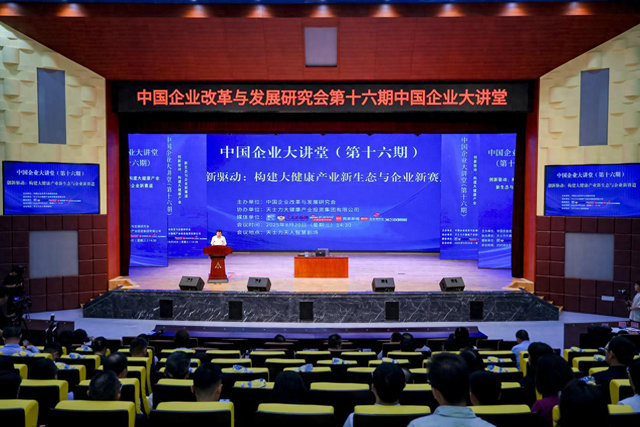
闫凯境博士:以还原健康开启生命科学新纪元
Xin Lang Cai Jing· 2025-08-26 03:36
Core Viewpoint - The event focused on "Innovation-Driven: Building a New Ecosystem for the Health Industry and New Business Tracks," emphasizing the intersection of technological revolution and health challenges, with Tianjin Tianshi Group aiming to leverage life science innovations to support the Healthy China strategy and fundamentally transform the health industry [1][2]. Group 1: Event Overview - The 16th China Enterprise Lecture was held in Tianjin, co-hosted by the China Enterprise Reform and Development Research Association and Tianjin Tianshi Health Industry Investment Group, gathering government, industry, academia, and research to discuss topics such as the inheritance and innovation of traditional Chinese medicine and life science advancements [1][2]. - Key attendees included renowned figures such as Zhang Boli, honorary president of Tianjin University of Traditional Chinese Medicine, and Yan Kaijun, chairman of Tianjin Tianshi Group [1]. Group 2: Health Challenges and Strategic Direction - The global life expectancy increased from 66.8 years in 2000 to 73.1 years in 2019, while healthy life expectancy only rose from 58.1 years to 63.5 years, indicating that longer life often comes with health issues and lower quality of life [4]. - The 2025 National Health Conference emphasized a shift from a disease-centered approach to a people-centered health system, highlighting the urgent need for a new health framework [4]. Group 3: Tianshi's Health Restoration Theory - Yan Kaijun introduced Tianshi's "Restoration Health" theory, which focuses on restoring microcirculation networks to activate adult stem cells for functional repair, emphasizing the importance of microcirculation in preventing aging and chronic diseases [4][6]. - The team utilized single-cell RNA sequencing and AI analysis to clarify the role of mesenchymal stem cells (MSCs) in health restoration, establishing a quality control system for MSCs to ensure their stability and effectiveness [6][7]. Group 4: Integration of Technology and Traditional Medicine - Tianshi is integrating cell therapy with traditional Chinese medicine through a large model that provides personalized health services, including precise diagnostics and tailored intervention plans [7][8]. - The collaboration with Huawei Cloud led to the development of a dual-modal model "Smart Herbal Medicine," which enhances both drug development and clinical diagnosis in traditional Chinese medicine [8]. Group 5: Vision for the Future - Tianshi aims to transform the challenges of an aging society into opportunities for health innovation, aspiring to help individuals achieve a healthy lifespan of 120 years and support sustainable societal development [8].

数智赋能,中医药产业焕发新生
Xin Lang Cai Jing· 2025-08-25 23:14
来源:科技日报 数智化技术正为中医药产业带来前所未有的变革,古老的中医药智慧在数字时代焕发新的生机。8月24 日至25日,在甘肃省定西市陇西县举行的第六届中国(甘肃)中医药产业博览会期间,举办了数智化赋 能中医药产业高质量发展论坛。此次论坛汇聚人工智能(AI)、大数据领域的相关专家,共话数智化 赋能中医药产业高质量发展的新路径。 "新兴的智能中医诊疗技术可基于智能传感技术、大数据和知识图谱,融合经典医籍和名医经验,进行 中医'望闻问切'的四诊合参、辨证论治,实现中医处方和中医适宜技术的智能推荐。"天津大学生物医 学工程系副主任周鹏介绍,目前,该技术已在临床、科研、名老中医传承及大健康等领域中广泛运用。 除此之外,中医药行业也掀起了一股AI技术热潮。天士力数智中医药科技有限公司医学总监马奔欢坦 言,AI正快速成为药物研发重要的革新力量和热门领域,传统中药正逐步迈向"数智中药",未来竞争将 愈发激烈。同时,利用数智技术加快中药新药研发,将推动中药复方的现代化研究,明确其作用机制和 活性成分。南京柯基数据科技有限公司CEO吴刚也表示,"知识图谱+大模型"成为双轮驱动的中医药产 业数智化转型新范式,通过AI加速新产品 ...
《BMJ循证医学》圆桌会召开,顶尖专家共探中西医整合发展之道
2 1 Shi Ji Jing Ji Bao Dao· 2025-08-25 13:15
Core Insights - The roundtable hosted by BMJ Group aims to promote the standardization of evidence-based research in traditional medicine and explore innovative collaborative mechanisms between traditional Chinese medicine (TCM) and Western medicine [1][4][19] - The event aligns with China's health strategy, emphasizing the modernization and internationalization of TCM as a national priority [4][19] Group 1: Event Overview - The roundtable was successfully held in Beijing, focusing on three main themes: building a high-quality evidence framework for traditional medicine, innovating collaborative mechanisms between TCM and Western medicine, and practical strategies for TCM clinical interventions [1][2] - The event gathered top experts from various institutions, including the Chinese Academy of Engineering and Beijing University of Chinese Medicine, to discuss the integration of TCM into global healthcare [3][4] Group 2: Importance of Evidence Framework - Experts highlighted the need to overcome challenges in evidence assessment and integration for TCM, emphasizing the importance of constructing a high-quality evidence framework [7][10] - The integration of evidence-based methods with TCM practices is crucial for enhancing the credibility and acceptance of TCM in the global medical community [7][10] Group 3: Integration of TCM and Western Medicine - The current collaboration between TCM and Western medicine is often superficial, lacking deep integration of theoretical frameworks [11][12] - Experts propose that true integration should focus on addressing key health issues, utilizing evidence-based evaluations, and leveraging advanced technologies like AI and big data [12][13] Group 4: Translating Evidence into Practice - The roundtable emphasized the importance of translating research evidence into clinical practice to enhance the accessibility and competitiveness of TCM within modern healthcare systems [14][15] - Experts discussed the need for clinical guidelines that incorporate traditional medicine practices, ensuring that patient needs and treatment efficacy are prioritized [15][16] Group 5: Industry Perspective - The pharmaceutical industry plays a critical role in bridging medical research and clinical practice, facilitating the generation of applicable evidence for TCM [18] - The event concluded with a consensus on the necessity of collaborative efforts between academia, industry, and research to foster the integration of TCM into global health frameworks [19]
奇正藏药(002287) - 002287奇正藏药投资者关系管理信息20250825
2025-08-25 09:12
Financial Performance - The company reported an impressive operating cash flow of 0.92 CNY per share, reflecting a year-on-year increase of 991.52% [2] - The net cash flow from operating activities increased by 993.71% due to optimized cash flow management and accelerated discounting of receivables [2][5] Sales and Marketing Strategy - The company has established a strong presence in both B2C and O2O channels, achieving rapid growth by collaborating with major platforms and expanding its online medical resources [3] - The O2O strategy focuses on differentiated operations based on consumer needs, enhancing exposure and conversion rates through targeted marketing [3] - The company’s pain relief patches have outperformed the industry growth rate due to their dual efficacy in pain relief and anti-inflammation [4] Research and Development - The company is concentrating its R&D efforts on key therapeutic areas such as external pain relief, respiratory, and neurological treatments, with a focus on unmet clinical needs [4][6] - The new drug "Xiaoer Relixin Granules" has received clinical trial approval, enhancing the pediatric product pipeline [5] - R&D investment reached 48.65 million CNY in the first half of the year, a 3.31% increase year-on-year, with a R&D expense ratio of 5.6%, below the industry average [6] Market Position and Competitive Advantage - The company has established itself as a leading brand in the Tibetan medicine market, particularly in external pain relief [6] - The competitive landscape has intensified due to increased demand for topical anti-inflammatory products, but the company maintains a unique advantage with its multi-target Tibetan medicine formulations [4] - The company’s strategic focus on brand recognition and product differentiation supports its market leadership [6] Future Outlook - The company plans to enhance its cash flow management through improved receivables management and expanded financing channels to support business growth and R&D investments [5] - The ongoing construction of the pharmaceutical industrial base is on track, with production licenses being obtained for various formulations [4]

国内首部《医疗机构鲜药管理规范》发布,深圳一医院牵头制定
Nan Fang Du Shi Bao· 2025-08-25 07:53
Core Points - The Guangdong Provincial Traditional Chinese Medicine Association officially released the "Management Norms for Fresh Medicine in Medical Institutions" group standard (T/GDACM 0159-2025) on August 20, marking a significant step towards the standardization and normalization of fresh medicine management in clinical applications [1][2] - The standard was developed by Shenzhen Baoan Traditional Chinese Medicine Hospital (Group) in collaboration with over ten institutions, including Qingyuan Traditional Chinese Medicine Hospital and Guangzhou University of Traditional Chinese Medicine [1] - Fresh medicine, a traditional form of medication in TCM, has unique advantages such as rapid efficacy and complete retention of active ingredients, making it irreplaceable in clinical diagnosis and treatment, especially in the Lingnan region [1] Industry Impact - The implementation of the standard will promote the standardized application of fresh medicine in medical institutions, enhancing the TCM service capabilities and providing a more diversified TCM treatment experience for citizens [2] - The standard will serve as an important basis for the standardization and internationalization of TCM, while also driving the integrated development of the entire fresh medicine industry chain, including planting, processing, and logistics [2] - Baoan Traditional Chinese Medicine Hospital (Group) aims to leverage the opportunity presented by the standard's release to deepen the application of fresh medicine in clinical diagnosis and actively explore high-quality research projects to promote the industrialization and scaling of fresh medicine [2]
2025江苏国际服贸展吉隆坡圆满收官
Jiang Nan Shi Bao· 2025-08-25 07:52
Core Insights - The 2025 Jiangsu International Service Trade Expo was held in Kuala Lumpur, Malaysia, from August 22 to 24, focusing on the theme of "Service Sharing, Trade Win-Win" with an exhibition area of approximately 2,500 square meters and participation from over 70 key enterprises and institutions in various sectors [1][2] Group 1: Event Overview - The expo featured six key project signings covering areas such as cross-border e-commerce, cultural services, tourism services, intangible cultural heritage, and intellectual property, aimed at enhancing cooperation between China and Malaysia [1][2] - The event included various promotional activities such as digital animation exhibitions, intangible cultural heritage performances, and interviews, attracting numerous professional buyers and local visitors [3] Group 2: Economic and Strategic Context - Jiangsu's Deputy Director of Commerce highlighted the significance of the expo in the context of the 15th anniversary of the China-ASEAN Free Trade Area and recent high-level visits between China and Malaysia, emphasizing the importance of practical cooperation [2] - The expo is seen as a practical measure to implement the joint statement between China and Malaysia, contributing to the growth potential in service trade and investment cooperation [2] Group 3: Company Participation and Opportunities - Jiangsu Zhuoyi Cultural Development Co., Ltd. showcased over a hundred exquisite Yixing Zisha artworks and highlighted its digital copyright innovation platform, indicating strong interest from Southeast Asian clients during the expo [3] - The event provided a favorable environment for companies to explore integrated models of e-commerce, copyright, auction, and trading, leveraging Malaysia's position as a cultural hub and technology investment hotspot in ASEAN [3]
看中医,为何也要照B超、做CT
Ren Min Ri Bao· 2025-08-25 00:18
Core Viewpoint - The integration of modern medical technology with traditional Chinese medicine (TCM) enhances diagnostic accuracy and treatment options, emphasizing that modern techniques should complement, not replace, the holistic approach of TCM [1][6]. Group 1: Modern Technology in TCM - Modern medical examinations like CT and B-ultrasound are increasingly utilized in TCM to provide detailed insights into patients' conditions, allowing for more precise diagnoses and treatment plans [2][3]. - The concept of "five diagnoses" in TCM has evolved to include modern diagnostic tools, which help overcome the subjective limitations of traditional methods [2][3]. - The use of advanced imaging techniques, such as CTA, aids in assessing conditions like atherosclerosis, enabling tailored treatment strategies that may combine both TCM and modern interventions [3][4]. Group 2: Enhanced Treatment Options - The combination of TCM principles with modern techniques, such as visualized acupuncture, improves treatment precision and safety, making advanced therapies accessible to more patients [4][5]. - Real-time monitoring during procedures, like the use of ultrasound in needle-knife therapy, enhances the safety and effectiveness of treatments for conditions such as cervical spondylosis [5][6]. - The integration of modern technology into TCM practices is seen as a way to meet the growing demand for healthcare services while maintaining the essence of traditional practices [6][7]. Group 3: Policy and Future Directions - Recent government policies emphasize the importance of integrating modern science with TCM to foster innovation and improve healthcare quality [7]. - Continuous exploration of new treatment methods and understanding the mechanisms of TCM through modern scientific research is a key focus for the future development of the industry [7].
看中医,为何也要照B超、做CT(民生一线)
Ren Min Ri Bao· 2025-08-24 22:40
Core Viewpoint - The integration of modern medical technology and traditional Chinese medicine (TCM) enhances diagnostic accuracy and treatment options for patients, emphasizing that modern techniques should complement, not replace, the holistic approach of TCM [1][6]. Group 1: Modern Technology in TCM - Modern medical examinations like CT and B-ultrasound are increasingly utilized in TCM to provide detailed insights into patients' conditions, allowing for more precise diagnoses and treatment plans [2][3]. - The concept of "five diagnoses" in TCM has evolved to include modern diagnostic tools, which help overcome the subjective limitations of traditional methods [2][3]. - The use of visualized techniques, such as ultrasound-guided procedures, improves the safety and effectiveness of TCM treatments, allowing for real-time monitoring during interventions [4][5]. Group 2: Case Studies and Applications - A case study highlighted the importance of CT scans in diagnosing early-stage lung cancer, demonstrating how modern technology can lead to timely interventions that traditional methods alone might miss [2]. - Another example involved the use of ultrasound in treating cervical spondylosis, showcasing how modern techniques can enhance the precision of TCM treatments [5]. - The integration of modern diagnostic tools has proven beneficial in various conditions, such as arterial occlusion and gastric ulcers, where traditional methods were supplemented with advanced imaging for accurate diagnosis [3][4]. Group 3: Policy and Future Directions - Recent policies in China emphasize the importance of integrating modern science with TCM to enhance its development and innovation, aiming for high-quality growth in the sector [7]. - The ongoing exploration of new treatment methods and the application of modern scientific research to understand TCM's mechanisms are seen as vital for the future of the industry [7].