
零售业

Search documents
浙江省空港口岸实现离境退税服务全覆盖
Xin Hua Wang· 2025-11-04 11:48
Core Insights - The first departure tax refund port in central Zhejiang has been launched at Yiwu Airport, achieving full coverage of departure tax refund services in the province, enhancing the consumer experience for global merchants visiting Zhejiang [1][2] - The new system allows travelers to complete the tax refund process in under 10 minutes at the airport, significantly improving convenience for international buyers [1] - The rapid growth of departure tax refund applications indicates a strong demand for streamlined refund services among foreign merchants [2] Summary by Sections Departure Tax Refund Port - The establishment of the departure tax refund port at Yiwu Airport marks a significant development in Zhejiang's tax refund services, facilitating easier access for international travelers [1] - The process now requires only a passport, tax refund application form, and sales invoice, streamlining the previous requirement of traveling to Hangzhou for refunds [1] Collaboration and Service Improvement - The collaboration between Hangzhou Customs, Zhejiang's finance and tax departments, and tax refund agencies has led to an efficient joint acceptance of the new port, enhancing the entire service process from shopping to customs verification [1] - A dedicated team at Hangzhou Customs provides one-stop services for travelers, including product verification and supervision of departures [1] Growth Metrics - In the first ten months of this year, Hangzhou Customs verified 3,582 departure tax refund applications, amounting to 121 million yuan, representing year-on-year increases of 199% and 117.07%, respectively [2] - The growth in departure tax refund business reflects the urgent need for convenient refund services among foreign merchants, aligning with their purchasing patterns of small quantities and high frequency [2]
第一家进中国投资的外企,开始抄中国科技作业了
Ge Long Hui· 2025-11-04 10:20
01 从"正大综艺"到"菜鸟系统" 10月底的曼谷,空气中弥漫着热带季风的味道。在正大集团旗下CP AXTRA的发布会现场,泰国首富家 族的第四代,也是公司批发业务首席执行官的谢宇宸用流利的中文说出"不管黑猫白猫,抓到老鼠就是 好猫"时,台下响起会心的笑声。 如果你年过四十,一定记得每个周六晚上全家围坐电视机的场景——赵忠祥浑厚的嗓音响起"正大综 艺",镜头切换至世界各地的奇观异景。那是1990年,第一家进入中国的外资企业正大集团,用一档节 目为刚打开国门的我们推开看世界的窗。早在1979年,中国刚刚开始改革开放,正大作为爱国华侨创办 的企业,第一个来中国内地投资开厂,为中国送来最需要的资金和农牧业技术。 谁能想到,46年后的今天,这个曾经象征"西方先进"的企业,却转身向中国寻求最硬核的零售科技。历 史在这个瞬间完成轮回。 这家在东南亚拥有2700家门店的零售霸主,在数字化转型的十字路口,放弃了沿用多年的"欧美技术迷 信",选择了中国科技企业菜鸟。这个决定背后,是泰国零售业正在经历的一场地震式变革。 在曼谷的万客隆超市:一边是推着购物车悠闲选购的顾客,在货架间慢悠悠地比较商品;另一边是拉着 拣货笼车疾走的拣货 ...
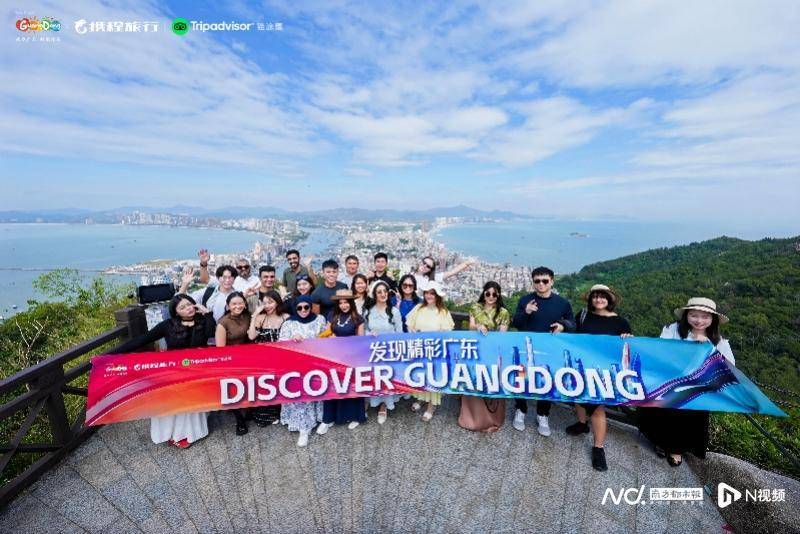
“粤享暖冬 乐游广东”消费季推出四大活动五大品牌六大优惠
Sou Hu Cai Jing· 2025-11-03 20:36
Core Viewpoint - The Guangdong provincial government has launched the "Enjoy Warm Winter, Travel Guangdong" consumption season, which will run from November 2025 to March 2026, featuring various activities aimed at boosting tourism and consumption in the region [1][3][4]. Group 1: Activities - The consumption season will include four major activities centered around the 15th National Games, the APEC summit in Shenzhen, and significant holidays like the winter vacation and Spring Festival [7][8]. - The activities will create a matrix of promotional events, including themed tourism routes and immersive experiences that combine sports and leisure [8]. Group 2: Brands - Five major consumer brands will be promoted, focusing on shopping, food, tourism, leisure, and fitness, to enhance the overall experience for visitors [11][12]. - The "Shopping in Guangdong" brand will feature a shopping map and 45 traditional "Yue Handicrafts" [11]. - The "Food in Guangdong" brand will introduce 30 specialty food gathering areas and tasting routes [11][12]. Group 3: Policies - Six major policies will be implemented to provide discounts and incentives for consumers, including free admission to attractions for participants of the National Games [13][16]. - A total of 35 billion yuan will be allocated to support these initiatives, with funding linked to local government performance in promoting consumption [18][19].

末日幸存欲,才是2025年的消费源动力
虎嗅APP· 2025-11-03 09:53
Core Viewpoint - The article discusses the emergence of a "polycrisis" era, highlighting the interconnectedness of economic inequality, political instability, ecological imbalance, and technological risks, which are increasingly shaping consumer behavior and market trends in 2025 [7][8]. Group 1: Global Uncertainty and Economic Impact - The World Uncertainty Index (WUI) indicates that global uncertainty in the first half of 2025 has surged over five times compared to the same period in 2024, reflecting a significant decline in market confidence [10]. - Major factors driving this increase in uncertainty include policy unpredictability and geopolitical tensions [11]. Group 2: Climate Crisis and Consumer Behavior - By 2050, it is predicted that there will be 1.2 billion climate refugees, with Asia experiencing climate impacts at twice the global average rate [14]. - The climate crisis is influencing consumer trends, merging survivalist demands with a desire for security, which is becoming a key driver of consumption in 2025 [17]. Group 3: Rise of Survivalist Consumption - The concept of "doomsday consumption" is gaining traction, with products like the Toyota Tacoma being favored for their reliability and perceived safety, showing a 188% increase in Q1 2025 sales compared to Q1 2024 [22]. - Affordable survival shelters are emerging as a new trend, with membership-based services like Fortitude Ranch gaining popularity among middle-class consumers concerned about societal instability [24][26]. Group 4: Cultural Reflections of Doomsday Sentiment - The cultural landscape is reflecting doomsday sentiments, with popular media and entertainment focusing on survival themes, indicating a growing consumer interest in products that evoke a sense of security and survival [29]. Group 5: Innovations in Climate-Responsive Products - There is a rising demand for cooling apparel, with a 16% increase in searches for cooling fabrics in 2025, highlighting the importance of personal climate regulation [42]. - Innovative products like wearable solar-powered vests are being developed to help individuals cope with extreme heat, showcasing the retail industry's adaptation to climate challenges [40]. Group 6: Security and Personal Safety Consumption - In the UK, sales of stab-proof clothing have surged due to rising concerns over personal safety, with projections indicating a global market growth to $2.3 billion by 2032 [49]. - In the U.S., there is a notable increase in home security investments, with middle-class consumers increasingly interested in creating safe spaces within their homes [52][53]. Group 7: Digital Security and Asset Protection - The demand for encrypted USB drives is rising, reflecting a growing concern for personal information security, with a steady market growth rate of approximately 7.1% [55]. - The cold wallet market for cryptocurrency is expected to grow significantly, with projections indicating a rise from $3.5 billion in 2024 to $12.2 billion by 2033, driven by increasing concerns over digital asset security [60].


巴菲特“绝唱”,大赚134亿美元
Shang Hai Zheng Quan Bao· 2025-11-01 15:15
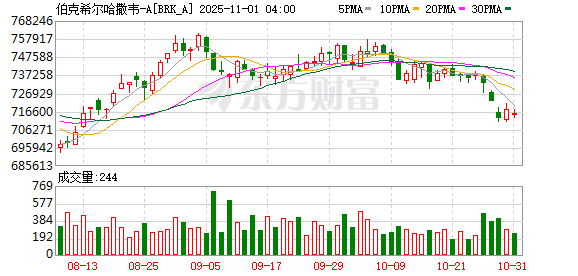
Core Viewpoint - Berkshire Hathaway reported strong third-quarter earnings, with significant growth in operating profit, reflecting the company's robust traditional business performance. The report is notable as it is the last one before Warren Buffett steps down as CEO, which has led to some market pressure on the stock price [2][10][13]. Financial Performance - Total revenue for the third quarter reached $94.972 billion, a year-on-year increase of 2.13% from $92.995 billion [4][6]. - Net profit for the third quarter was $30.796 billion, up 17.31% from $26.251 billion in the same period last year [4][5]. - Operating profit surged to $13.485 billion, marking a 33.65% increase from $10.090 billion year-on-year, indicating strong operational performance across its core businesses [3][7]. Cash Reserves - Cash reserves reached a record high of $381.67 billion, surpassing the previous high of $347.7 billion set earlier this year, providing the company with significant capacity for future acquisitions [8][9]. Stock Buybacks and Market Sentiment - Berkshire Hathaway has not conducted any stock buybacks for five consecutive quarters, reflecting a cautious approach in the current market environment [2][10]. - The company faced a rare downgrade from KBW, which lowered its rating from "in line with the market" to "underperform," citing concerns over its insurance business and the upcoming leadership transition [10][13].
长沙招商“热力值”拉满 前三季度引进重大项目153个同比增长20.5%
Chang Sha Wan Bao· 2025-11-01 06:26
Group 1 - Changsha has seen a surge in investment activities, with significant projects including the establishment of a new energy equipment management headquarters and R&D production base, 20 AI projects, and 12 key cultural tourism projects with a total investment of 2.025 billion yuan [1] - In the first three quarters of the year, Changsha introduced 153 major projects with a total investment of 135.93 billion yuan, including four projects exceeding 10 billion yuan [1][6] - The implementation of the "profit reinvestment tax credit policy" has encouraged foreign investment, with companies like Xiangyu Group reinvesting 18 million yuan into local projects [2][3] Group 2 - Foreign investment in Changsha is on the rise, with 2.6 billion USD utilized in the first nine months of 2025, marking a 12.4% increase, and 176 new foreign-invested enterprises established, a 5.4% year-on-year growth [3] - Major global companies, including Stellantis and Aeon, are expanding their presence in Changsha, indicating strong confidence in the local market [3][4] - The establishment of a high-end R&D manufacturing base by Hunan Cirong Technology, with an investment of 3 billion yuan, is expected to generate an annual output value of 2.8 billion yuan [5] Group 3 - Changsha's investment strategy focuses on industrial chain recruitment, with efforts to enhance, supplement, and strengthen 17 key industrial chains, resulting in a 20.5% increase in the number of major projects and a 6.5% increase in investment compared to the previous year [6] - The city has signed 367 projects in its parks, with over 50% already under construction, demonstrating a rapid pace of project development [6] - The local government aims to optimize the business environment and enhance investment quality through various initiatives, including attracting returning entrepreneurs and promoting industrial chain investments [7]
巴西衬衫税导致小额包裹月度进口额下降43%
Shang Wu Bu Wang Zhan· 2025-10-31 16:40
Core Insights - The Brazilian government will impose a 20% tax on imported small packages valued under $50 starting August 2024, leading to a significant decrease in import volumes for major e-commerce platforms [1] Tax Revenue Impact - Monthly import value for e-commerce platforms dropped by $122 million, a 43% decline, with current import levels at only 50% of the previously predicted growth trajectory [1] - Federal tax revenue from import duties increased by 265 million Brazilian Reais per month, accounting for 0.08% of total tax revenue [1] - However, the reduction in import package volumes resulted in a monthly loss of 258 million Brazilian Reais in state tax revenue (17%-20% of goods circulation tax), leading to a net increase in national tax revenue of only 7 million Brazilian Reais [1] Employment Effects - The implementation of the "shirt tax" resulted in a mere 0.97% increase in retail and industrial employment over 12 months, which is below the national average increase of 3.04% [1] - The proportion of consumers abandoning cross-border e-commerce shopping due to the import tax rose from 13% in May 2024 to 38% currently, indicating a significant shift in consumer behavior [1]
香港9月零售销货价值同比升5.9%
Zhong Guo Xin Wen Wang· 2025-10-31 13:07
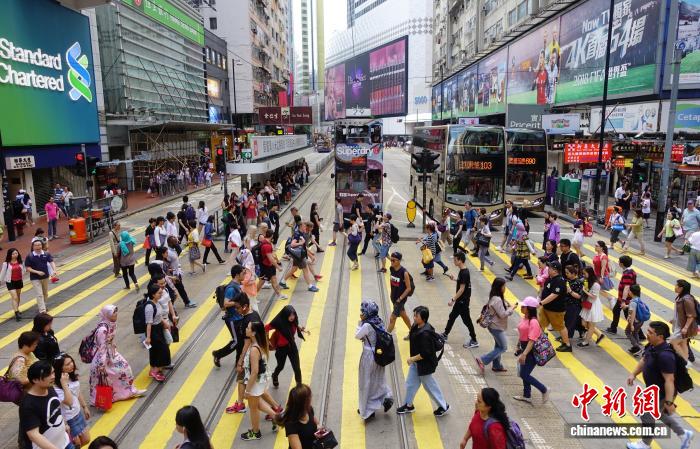
Group 1 - The total estimated retail sales value in Hong Kong for September 2025 is HKD 31.3 billion, representing a year-on-year increase of 5.9%, marking the fifth consecutive month of growth [1][3] - Online sales accounted for 12.5% of total retail sales, with an estimated online sales value of HKD 3.9 billion, up 27.3% compared to the same month last year [1][3] - Sales of electrical and other unspecified durable goods increased by 31.3% year-on-year, while supermarket goods rose by 2%, and other unspecified consumer goods increased by 6.9% [1][3] Group 2 - The retail sales data for September exceeded market expectations, indicating a stabilization in the retail atmosphere in Hong Kong [3] - The Hong Kong Retail Management Association believes that upcoming events such as Christmas and the "Guangdong vehicles entering Hong Kong" arrangement will further boost retail sales [3] - A government spokesperson noted that the retail sector continues to recover, with an acceleration in growth compared to August, supported by improving local consumption and a growing tourism sector [3]
制造业PMI为何超季节性回落?:——2025年10月PMI点评
EBSCN· 2025-10-31 12:32
Manufacturing Sector - The manufacturing PMI for October 2025 is reported at 49.0%, a significant decrease of 0.8 percentage points from the previous month, which is notably higher than the seasonal average decline of 0.4 percentage points observed from 2020 to 2024[2][5] - The production index fell by 2.2 percentage points to 49.7%, while the new orders index decreased by 0.9 percentage points to 48.8%[5][15] - The new export orders index dropped to 45.9%, down 1.9 percentage points, marking the second-lowest level since the introduction of high tariffs in April 2025[5][20] - Small enterprises experienced a notable decline in PMI, falling 1.1 percentage points to 47.1%, while large enterprises' PMI decreased to 49.9%[6] Non-Manufacturing Sector - The non-manufacturing PMI for October 2025 is at 50.1%, slightly up from 50.0% in the previous month, driven by holiday consumption[2][28] - The service sector showed improvement, with indices for transportation, retail, and entertainment exceeding 60%, indicating strong performance in consumer-related services[28] - The construction PMI fell to 49.1%, but new orders and business activity expectations increased, suggesting a potential recovery in infrastructure activities[34] Economic Outlook - The report highlights that the construction sector may benefit from the introduction of 500 billion yuan in new policy financial tools and an additional 200 billion yuan in special bond issuance, which could support infrastructure investment[4][34] - The overall economic environment remains cautious due to external trade uncertainties and domestic demand stability, particularly in high-energy-consuming industries[16][20]
香港9月零售业总销货价值的临时估计为313亿港元 同比上升5.9%
Zhi Tong Cai Jing· 2025-10-31 08:53
Core Insights - The total estimated retail sales value in Hong Kong for September 2025 is HKD 31.3 billion, representing a year-on-year increase of 5.9% compared to September 2024 [2][4] - The total retail sales value for August 2025 was revised to show a 3.9% increase compared to August 2024, while the cumulative retail sales value for the first nine months of 2025 shows a temporary estimate decline of 1.0% compared to the same period in 2024 [2] - Online sales accounted for 12.5% of the total retail sales value in September 2025, with an estimated online sales value of HKD 3.9 billion, marking a significant year-on-year increase of 27.3% [2][3] Retail Sales Performance - The estimated retail sales value by major retail categories in September 2025 shows significant increases in various sectors, with electrical and other classified durable goods rising by 31.3%, supermarkets by 2.0%, and jewelry, watches, and luxury gifts by 9.1% [3] - Conversely, clothing sales value decreased by 5.4%, with other declines noted in automotive parts (down 4.1%), stationery and gifts (down 5.3%), and furniture (down 17.3%) [3] Seasonal Adjustments - The seasonally adjusted total retail sales value for the third quarter of 2025 increased by 1.4% compared to the second quarter, while the seasonally adjusted total sales volume rose by 0.5% [3] Future Outlook - The spokesperson for the Hong Kong government indicated that the retail sector continues to recover, with improving local consumer sentiment and a growing tourism industry expected to support retail business moving forward [4]