首店效应

Search documents
穿越“首店狂欢”:达美乐中国的扩张与隐忧
Hua Er Jie Jian Wen· 2026-01-10 10:10
Core Insights - In 2025, Domino's China achieved significant growth in store numbers, reaching a total of 1,315 stores with a net addition of 307 stores, exceeding its annual opening target [1] - The expansion strategy has focused on second and third-tier cities, with new stores primarily located in shopping centers to leverage the "first store effect" [5] - The membership program "Da Ren Hui" has seen rapid growth, surpassing 35.6 million members, with approximately 15.4 million new customers placing their first orders within a year [4] Expansion and Market Presence - The number of cities covered by Domino's China increased by 21, bringing the total to 60 cities [2] - In early 2026, the company continued its momentum by opening 62 new stores across 46 cities on January 1, including 8 cities where it had not previously established a presence [3] - The store count nearly doubled in two years, with an additional 220 stores opened in 2024 [4] Sales Performance and Challenges - Despite the rapid expansion, same-store sales growth fell below -1% in the first half of 2025, marking the lowest rate since 2017 [6] - The decline in same-store sales is attributed to a high base effect from the previous year, with expectations for stabilization in the latter half of 2025 [6] - Competitive pressures from rivals like Pizza Hut, which has implemented aggressive pricing strategies, have contributed to the challenges faced by Domino's [6] Future Outlook - Analysts project that Domino's China has room for further growth, with expectations of reaching 2,000 stores by 2027 and potentially exceeding 3,000 stores by 2029-2030 [6] - The recent decline in average sales per order is seen as a temporary issue related to new store capacity constraints and business restructuring, with a recovery anticipated as new stores mature [6] Strategic Considerations - The company must navigate the balance between self-owned channels and third-party platforms, product innovation, cost control, and the trade-offs between delivery reliance and dine-in experiences [7]
达美乐来中国只赚了两年钱
36氪· 2025-12-29 09:54
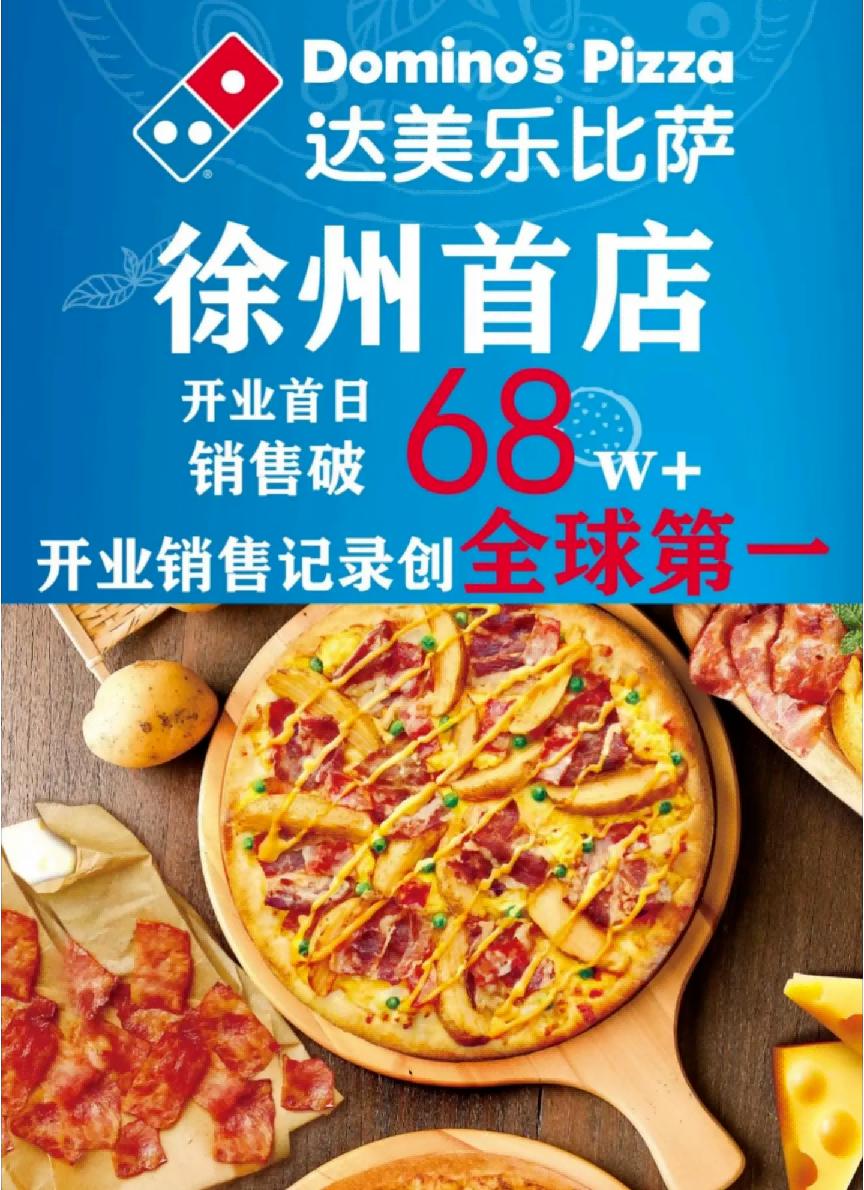
Core Viewpoint - The article highlights the contrasting performance of Domino's Pizza and Pizza Hut in the Chinese market, emphasizing Domino's rapid expansion and unique strategies that have allowed it to thrive amid a broader industry downturn. Group 1: Market Performance - Domino's has opened new stores in China despite a trend of closures in the restaurant industry, achieving record sales on opening days, such as 680,000 yuan on its first day in Xuzhou [5][10]. - In contrast, Pizza Hut's average weekly revenue for mature stores is around 100,000 to 150,000 yuan, with monthly revenues averaging 400,000 yuan [8]. - As of Q3 this year, Domino's has 1,283 stores in mainland China, while Pizza Hut has 4,022, indicating a significant difference in store count and market penetration [10]. Group 2: Financial Performance - Domino's achieved profitability for the first time in 2024, reporting a net profit of 55 million yuan, while it had accumulated losses of 1.177 billion yuan from 2019 to 2023 [12]. - In the first half of 2025, Domino's reported a net profit of 91.42 million yuan, showcasing a significant turnaround [12]. - The sales growth in non-first-tier cities has been particularly strong, with a 46.6% year-on-year increase in revenue from these locations [16]. Group 3: Strategic Insights - Domino's has successfully implemented a "store opening effect" strategy, particularly in lower-tier cities, which has driven initial sales surges [17][20]. - The leadership change in 2017, with a focus on expanding into non-first-tier cities, has been pivotal for Domino's growth [20]. - Pizza Hut has responded to competition by lowering prices, with average customer spending dropping from 119 yuan to 76 yuan [23]. Group 4: Consumer Behavior and Preferences - Domino's has leveraged product innovation, introducing new pizza flavors every 6-10 weeks, which has attracted a younger demographic [28][30]. - The brand's ability to create a "custom menu" experience has enhanced customer engagement and social media presence [30]. - Despite initial excitement, there are concerns about declining same-store sales growth, indicating a potential saturation of the novelty effect [34]. Group 5: Operational Challenges - Domino's faces challenges with maintaining quality control and managing customer expectations, particularly in terms of product consistency across locations [38]. - The company's commitment to a "30-minute delivery" promise has led to high labor costs, with a significant portion of revenue allocated to employee compensation [41][48]. - The reliance on a large number of dedicated delivery personnel may not be sustainable in the long term, especially as competition intensifies [45][51].

达美乐来中国只赚了两年钱
3 6 Ke· 2025-12-25 23:25
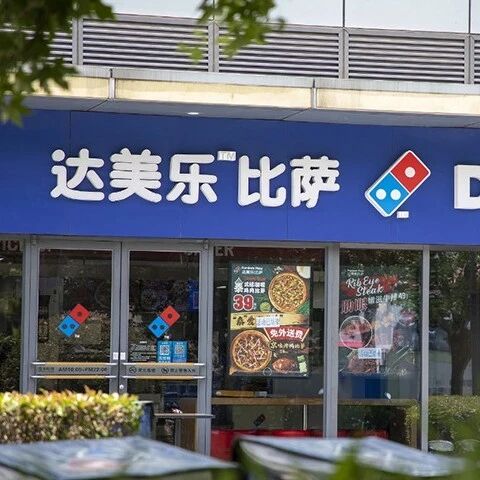
Core Insights - Domino's Pizza is experiencing significant growth in China, opening new stores while many competitors are closing down. The company has set sales records for its first-day openings in various cities, indicating strong consumer interest and demand [1][5][7]. Group 1: Store Performance and Market Strategy - Domino's opened its first store in Xuzhou on October 1, achieving a daily sales record of 680,000 yuan, surpassing previous records in other cities [1]. - The company has expanded its presence to 1,283 stores in mainland China, focusing on non-first-tier cities, which has been crucial for its profitability [5][9]. - In the first half of 2025, Domino's China reported a net profit of 91.42 million yuan, marking a turnaround after previous losses totaling 1.177 billion yuan from 2019 to 2023 [7][9]. Group 2: Competitive Landscape - Domino's is viewed as the only significant competitor to Pizza Hut in the Chinese market, with a notable difference in sales growth between first-tier and non-first-tier cities [9][12]. - While Domino's has a higher growth rate in non-first-tier cities (46.6% year-on-year), Pizza Hut's sales growth is more stable but slower [9][12]. - The average weekly sales for a mature Pizza Hut store are around 100,000 to 150,000 yuan, compared to Domino's first-month sales exceeding 1 million yuan for new stores [3][9]. Group 3: Consumer Behavior and Marketing - The "first-store effect" has driven initial sales, but as more stores open, repeat purchases may decline due to market saturation and changing consumer preferences [21][22]. - Domino's has successfully attracted a younger demographic through social media marketing and innovative product offerings, including customizable pizzas [16][18][20]. - The company has a membership base of 32.9 million, with 14.4 million new customers ordering for the first time in the past year [20]. Group 4: Operational Challenges - Despite its growth, Domino's faces challenges with same-store sales growth, which fell below -1% in the first half of 2025, indicating potential issues with customer retention [21][23]. - The company has a high employee cost structure, with labor expenses significantly impacting profitability compared to competitors like KFC and Pizza Hut [29][31]. - Delivery logistics remain a challenge, as many new stores do not offer delivery services, limiting potential sales growth in certain markets [33][34].
免签入境激增逾50%,前三季度2089万人次,旅游商机大爆发
Sou Hu Cai Jing· 2025-10-29 22:06
Core Insights - The number of visa-free foreign visitors in the first three quarters reached 20.89 million, a year-on-year increase of over 50%, indicating a faster-than-expected recovery in travel and consumption [1][3] - The sales volume of tax refunds doubled, reflecting not only an increase in visitor numbers but also a rise in both single purchase amounts and frequency of purchases, showcasing a recovery in both quality and quantity of consumption [3][5] Group 1: Visitor Trends - The increase in visa-free visitors suggests a structural change, with a diversification in visitor nationalities and a stratification in consumption preferences, necessitating faster adaptation by businesses to different market tastes and payment habits [7] - The trend of tourists bringing empty suitcases to China indicates a strong demand expectation, as visitors are willing to stock up on Chinese goods, which reflects the attractiveness of Chinese consumer products [3][5] Group 2: Economic Activities and Events - Events like the China International Import Expo (CIIE) can transform exhibits into commodities, but this requires support from buyers, supply chains, promotional strategies, and policy backing [5][7] - Local initiatives such as consumption festivals in Shanghai and Guangxi's ASEAN Fair are crucial for effectively connecting international goods with local distribution, which will determine their success [3][5] Group 3: Long-term Outlook - The transition from one-time traffic to stable demand is essential for sustainable economic growth, and while current data shows positive trends, it should not be prematurely interpreted as a complete recovery [7][8] - The long-term challenge lies in replicating successful national-level events like the CIIE into local practices to ensure ongoing consumer engagement and market growth [7]

盒马年内将新增百家门店,会员数激增印证消费市场活力
Sou Hu Cai Jing· 2025-08-07 14:31
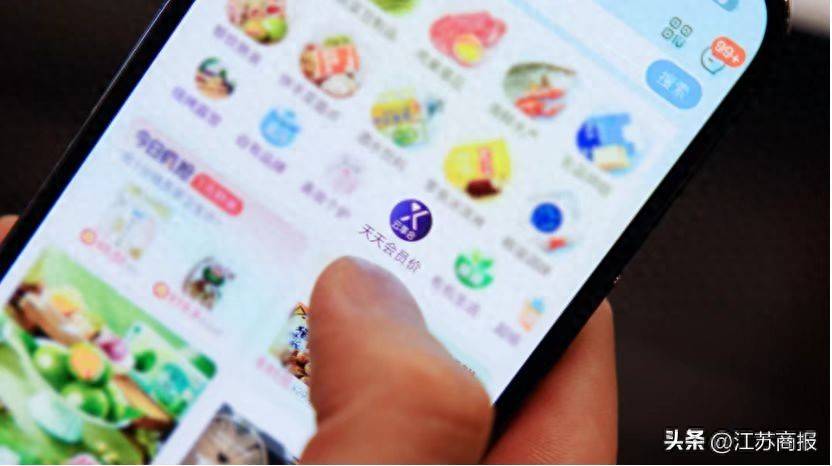
Core Insights - Hema plans to open nearly 100 new stores nationwide this fiscal year, expanding its presence to over 50 new cities and bringing the total number of stores to over 500, solidifying its position among the top three in China's retail chain industry [1][10] - The company achieved its first full-year adjusted EBITDA profitability with a GMV exceeding 75 billion yuan, ranking third in the retail chain sector, only behind Walmart China and RT-Mart [5] Expansion Strategy - Hema will focus on fresh produce and community discount store formats starting in 2024, accelerating its expansion efforts [3] - The company opened nearly 70 new stores in the previous fiscal year, covering 27 cities, with several cities set to welcome their first stores in the first half of 2025 [3][10] Membership Growth - Hema's membership system was integrated with Alibaba's 88VIP, resulting in a doubling of Hema's membership numbers within three days, exceeding expectations [6] - 88VIP users can receive a 90-day free Hema X membership card, which offers various benefits, including discounts and free delivery [6] Supply Chain and Product Innovation - Hema has built a robust global supply chain over the past ten years, featuring eight supply chain centers and over 300 direct sourcing bases, enabling the direct procurement of high-quality products [8][9] - The company emphasizes product innovation, with a range of self-owned brands and differentiated products that attract customers both online and offline [9] Market Positioning - Hema is committed to deepening its market presence, with a dual strategy focusing on broad expansion and enhanced service through technology [10] - The company recognizes the significant contribution of domestic consumption to economic growth, with a contribution rate of 86.4% over the past four years [10]
排队3000杯,这个去茶山非喝不可么
Ge Long Hui· 2025-07-04 13:10
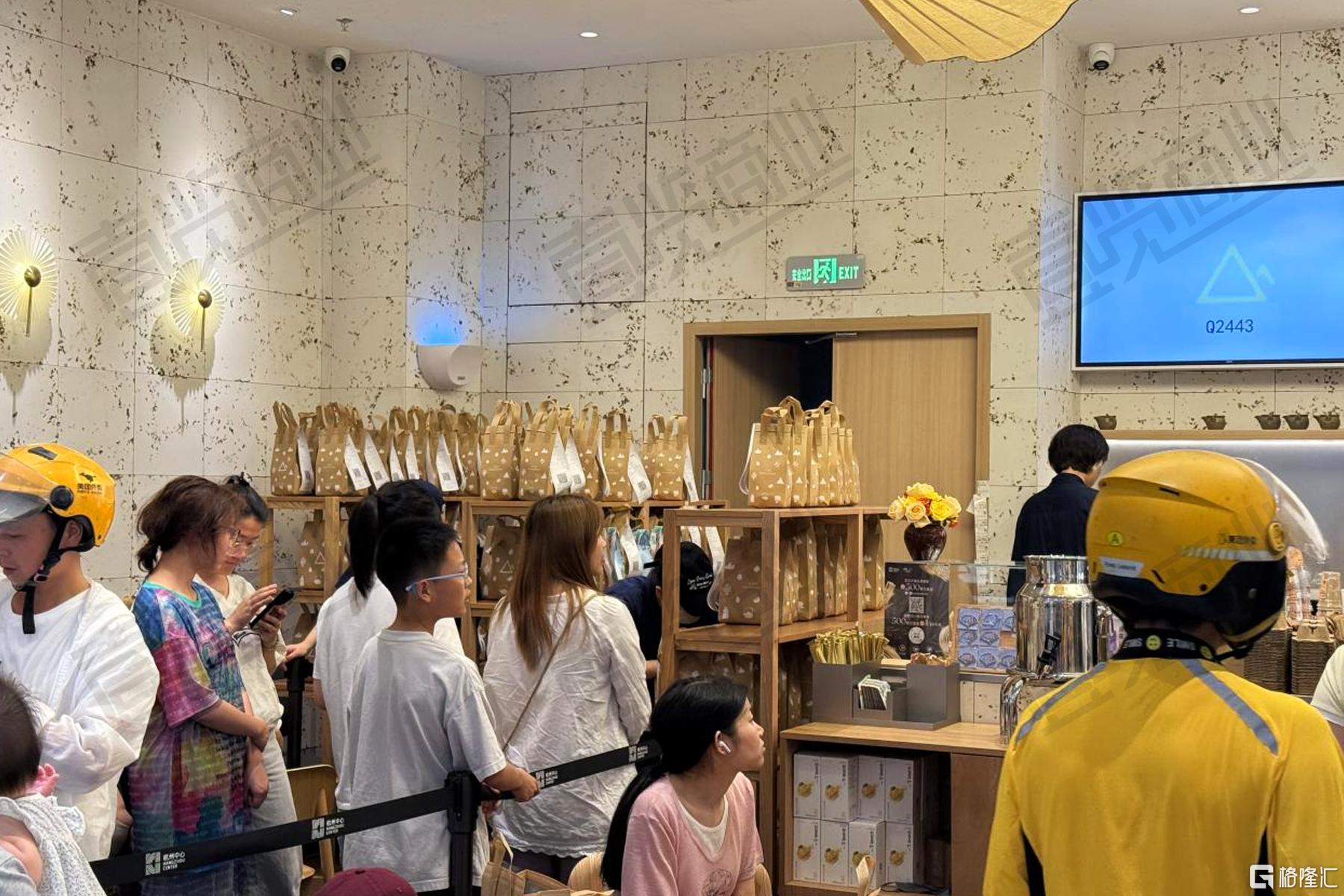
Group 1 - The core point of the article is the successful opening of the tea brand "去茶山" in Hangzhou, which attracted significant attention and long queues, indicating strong consumer interest and effective marketing strategies [2][3] - The brand focuses on local ingredients from Guizhou, offering unique products such as Guizhou Tongren matcha and prickly pear sparkling water, with prices ranging from 20 to 30 yuan [2][5] - The store's location in a high-traffic commercial area enhances its visibility and customer flow, contributing to its initial success [5][10] Group 2 - The brand's operational efficiency is noteworthy, achieving a cup output of 400 per hour, which is higher than the industry average of 200-300 cups per hour [10][11] - The high output is supported by a large staff presence and a streamlined product offering that reduces preparation complexity, allowing for quick service [11][13] - The brand employs a pre-order system that avoids on-site queuing, enhancing the customer experience despite the potential inconvenience of delayed pick-up times [13][15] Group 3 - The initial success of "去茶山" may not be sustainable in the long term, as similar brands often experience a decline in customer interest after the initial opening phase [14][15] - The brand's strategy includes selling local Guizhou snacks alongside tea, aiming to create a unique consumer experience and increase average transaction value [14] - The overall tea beverage industry is facing challenges such as rational consumer spending and declining average transaction values, which may impact the brand's future growth [15]