文化创意产业

Search documents
2025年中国上海文化创意行业市场规模、进入壁垒及投资战略研究
Sou Hu Cai Jing· 2025-10-23 05:05
Core Insights - The report titled "2026-2032 China Shanghai Cultural and Creative Industry Market Deep Research and Investment Risk Assessment" aims to provide insights into the development trends and future prospects of Shanghai's cultural and creative industry [1][23] - The cultural and creative industry is defined as a sector that integrates creativity, culture, technology, and market orientation, forming a new type of industrial chain [1][6] - Shanghai's cultural and creative industry is projected to grow significantly, with its added value expected to increase from 4,667.6 billion yuan in 2018 to approximately 7,091.4 billion yuan by 2024, maintaining a GDP share of around 13% [12][14] Industry Overview - The cultural and creative industry in Shanghai includes various sectors such as media and arts, industrial design, architectural design, fashion creativity, internet services, software and IT services, advertising, leisure and entertainment, and cultural equipment manufacturing [6][7] - The industry is characterized by a strong reliance on innovation and existing industry foundations, with a robust growth momentum driven by new productive forces [12][14] Market Performance - The total output of Shanghai's cultural and creative industry is expected to rise from 17,736 billion yuan in 2018 to 24,670 billion yuan by 2024, indicating a strong upward trend [14][15] - The number of large and medium-sized cultural and creative industry parks in Shanghai exceeds 100, with nearly 10,000 enterprises generating an annual output value surpassing 100 billion yuan [17][18] Policy Environment - The Chinese government has implemented various supportive policies to promote the development of the cultural and creative industry, including initiatives to enhance internet content creation and cultural trade [8][10] - Shanghai's financial institutions are actively investing in the cultural and creative industry, exploring innovative investment models [43] Future Outlook - The report provides a comprehensive analysis of the competitive landscape, key enterprises, and investment risks within the cultural and creative industry in Shanghai, helping stakeholders make informed decisions [23][24] - The industry is expected to continue evolving, with a focus on enhancing competitiveness and fostering innovation [12][14]


文明互鉴架起合作桥梁
Jing Ji Ri Bao· 2025-10-02 22:20
Core Insights - Gansu province plays a significant role in cultural exchange and cooperation, leveraging its historical position along the ancient Silk Road to enhance international cultural interactions [1][2] - The 8th Silk Road (Dunhuang) International Cultural Expo showcases exhibits from countries like Thailand, Cambodia, and Uzbekistan, promoting diverse cultural experiences [1] - The expo has grown in influence and brand recognition, contributing positively to the global civilization initiative and the Belt and Road cultural exchange [1] Group 1 - Gansu has established a copyright service station at the Dunhuang Expo to protect and promote traditional culture, ensuring a solid foundation for cultural exports [2] - During the expo, Gansu launched over 10,000 cultural and creative products and held a tourism industry investment promotion conference, resulting in 63 signed projects worth 10.715 billion [2] - In the first eight months of this year, Gansu's exports to Belt and Road countries reached 5.87 billion, a year-on-year increase of 21.5%, accounting for 56.3% of the province's total exports [2]
长沙铭匠社文化创意有限公司成立 注册资本100万人民币
Sou Hu Cai Jing· 2025-09-26 05:16
Core Viewpoint - Changsha Mingjiang Cultural Creative Co., Ltd. has been established with a registered capital of 1 million RMB, focusing on various cultural and artistic products and services [1] Company Summary - The legal representative of the company is Ouyang Wen [1] - The registered capital of the company is 1 million RMB [1] - The company operates in the manufacturing and sales of arts and crafts, cultural products, and daily necessities, excluding ivory and its products [1] Business Scope - The company’s business includes the manufacturing of arts and crafts and ceremonial products, wholesale and retail of cultural and collectible items, and design services for cultural products [1] - It also engages in the manufacturing and sales of daily ceramic products, wooden toys, and various daily goods [1] - Additional services include advertising design and agency, engineering technical services, and rental of cultural and daily goods [1]
京西有座“小景德镇”
Bei Jing Wan Bao· 2025-09-23 06:27
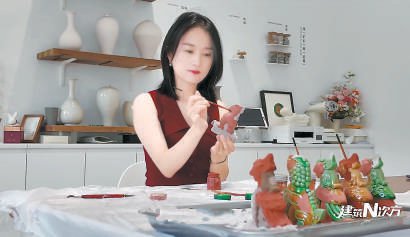
Core Viewpoint - The historical royal ceramic factory in Liuliqu Village, Mentougou, has been revitalized into the Jingu Liuli Cultural and Creative Industry Park, focusing on the protective renewal of traditional glass-making techniques and integrating various modern business models [2] Group 1: Historical Background - The factory has a history of over 700 years, originally serving royal buildings such as the Forbidden City and the Temple of Heaven [2] - The factory had previously ceased operations before being revitalized in 2023 [2] Group 2: Current Developments - The park emphasizes "protective renewal" as its main theme, aiming to preserve and pass on the intangible cultural heritage of glass-making [2] - The introduction of non-heritage studios and trendy coffee and dining establishments has contributed to its appeal [2] - The site has gained a reputation on social media as the "Little Jingdezhen of Western Beijing" [2]
千年文脉与现代创意碰撞 武汉文创新品发布会引热潮
Chang Jiang Shang Bao· 2025-09-20 11:58
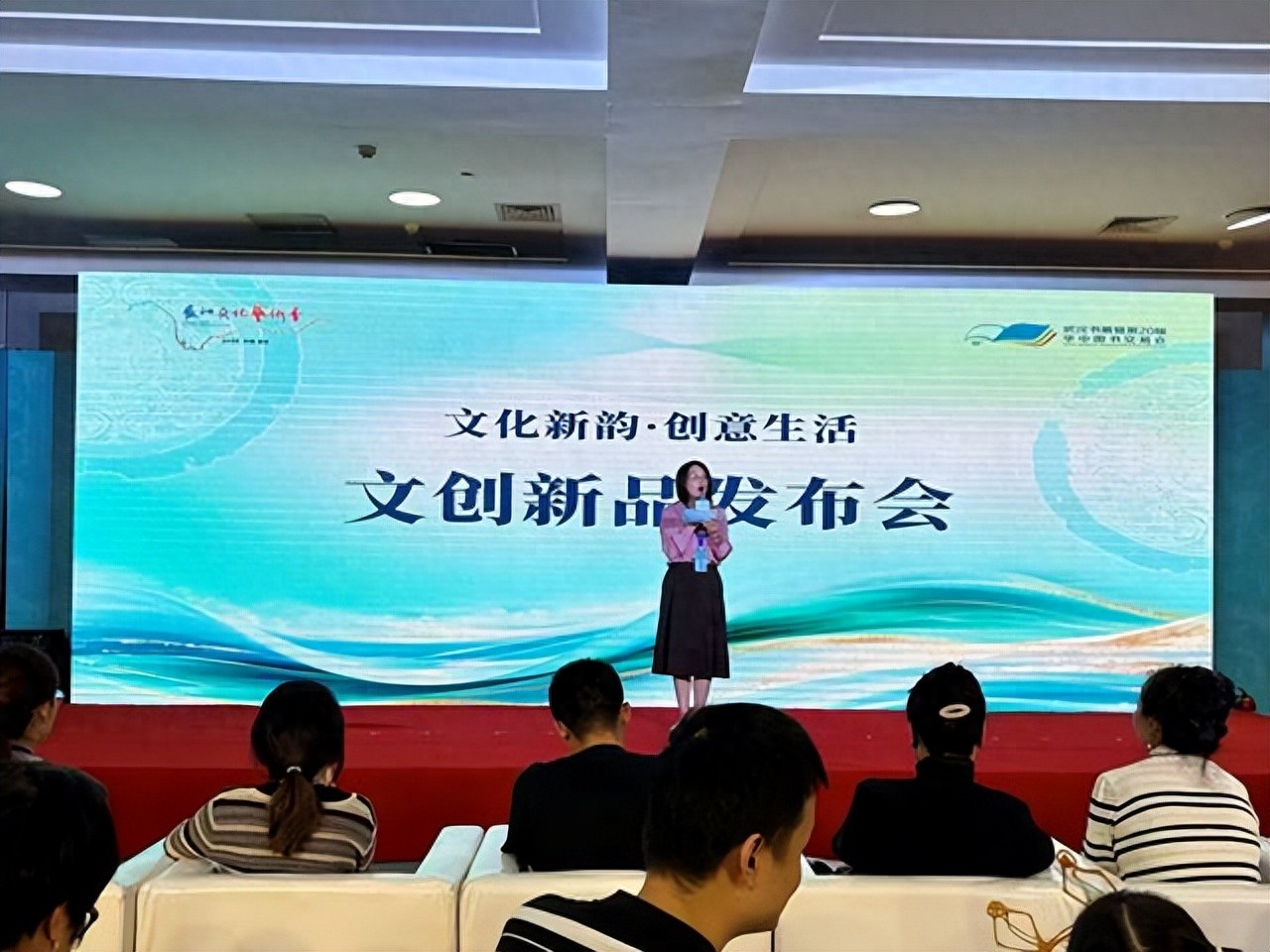
Core Insights - The "Cultural New Rhythm & Creative Life" product launch event showcased a blend of traditional and modern cultural elements through various creative products [1][18] - Three brands, Nansong Bookstore, Chuhan Crafts, and Jieli Publishing House, presented their innovative cultural products, emphasizing the integration of cultural heritage with contemporary design [1][18] Group 1: Nansong Bookstore - Nansong Bookstore, from Zhejiang Dachun Publishing House, introduced products inspired by Song Dynasty culture, aiming to revitalize this heritage in daily life [3][4] - The "Song Painting Flowing Light" series features refrigerator magnets designed with classic Song paintings, enhancing home aesthetics [4] - The Song-themed stationery series includes sticky notes and washi tape, reflecting the beauty of Song-era tea culture and art [4] Group 2: Chuhan Crafts - Chuhan Crafts presented products that merge Jingchu culture with the characteristics of Wuhan city, focusing on creating culturally relevant items [7][8] - The Chuwen series includes bookmarks and refrigerator magnets inspired by traditional patterns, integrating ancient cultural elements into modern decor [8] - The sales team reported that Chuhan Crafts was one of the most popular booths, achieving sales of 1,600 yuan on the launch day [9] Group 3: Jieli Publishing House - Jieli Publishing House celebrated the 55th anniversary of the Baba Papa IP, launching a variety of creative products including plush toys and bags [12][15] - The new book plan for 2025 includes interactive books and story series, showcasing the potential for diverse IP development [13][15] - All products from Jieli Publishing House were offered at a 20% discount during the event, driving consumer interest and sales [16] Group 4: Overall Event Impact - The event highlighted the vitality of the cultural and creative industry, showcasing how traditional cultural foundations can meet modern aesthetic designs [18] - Attendees engaged with the products, experiencing the beauty and cultural richness that creative industries can offer [19]
长江文化创意产业发展联盟揭牌 全国21家单位合力推动长江文化活态传承
Chang Jiang Shang Bao· 2025-09-20 07:12
Core Insights - The event "Han Character Culture Week • Chutian Cup" showcased the latest achievements in the cultural creative industry of the Yangtze River Basin, emphasizing the theme of "inheriting the cultural heritage of the Yangtze River and creating a better life" [1][2] - The establishment of the "Yangtze Cultural Creative Industry Development Alliance" aims to enhance collaboration within the cultural creative industry in the Yangtze River region, promoting brand and IP upgrades [3] Group 1: Event Highlights - The event included the award ceremony for the first "Han Character Culture Week • Chutian Cup" national college student cultural creative design competition, highlighting innovative integration of Han character culture and modern design by young creators [1] - The "Longjiang Good Products" immersive exhibition area became a popular attraction, showcasing cultural products from eight provinces and award-winning works from the student competition, along with interactive experiences [4] Group 2: Strategic Collaborations - The event facilitated strategic cooperation agreements between the online platform for cultural creativity and various universities and enterprises, promoting deep integration of production, learning, research, and application [2] - Longjiang Publishing Media Co., Ltd. plans to leverage the cultural creative industry alliance to focus on three main areas: cultural heritage organization, industry ecosystem integration, and talent cultivation [3] Group 3: Cultural Significance - The event underscored the importance of culture as a spiritual lifeline for the nation and a unique advantage for Hubei in advancing its "pivot construction" [2] - The performances and interactive experiences at the event aimed to bring the charm of Yangtze culture to life, engaging audiences and fostering appreciation for traditional craftsmanship [4][5]

新华全媒+丨从2025年服贸会看中国创意经济如何发力
Xin Hua Wang· 2025-09-14 07:27
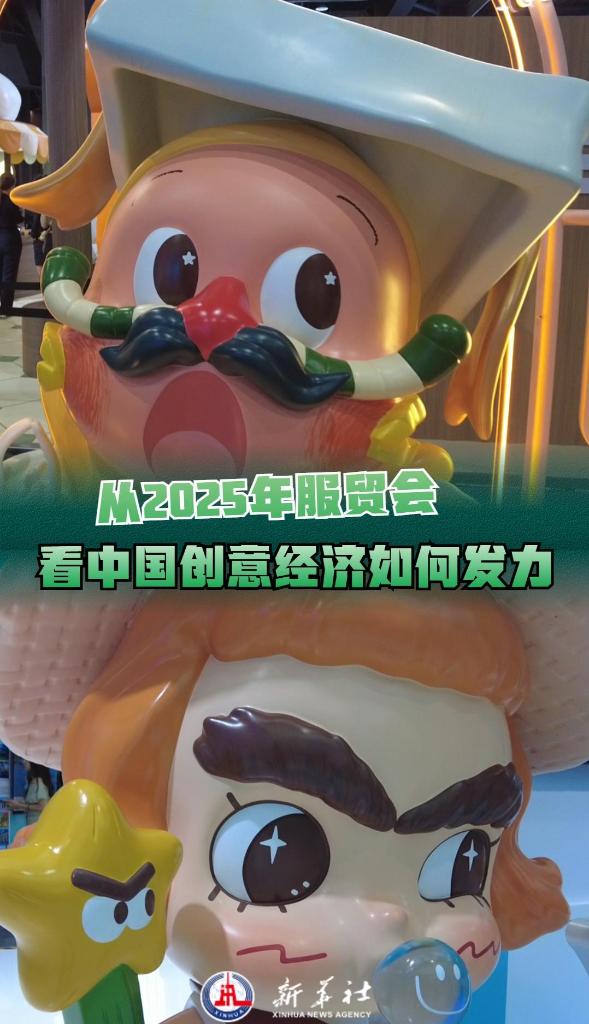
Core Insights - The 2025 China International Service Trade Fair showcased a variety of cultural and creative products that became the highlight of the event, attracting significant attention from attendees [1] - The exhibition featured classic animated derivatives like "Tianshu Qitan," "Hulu Brothers," and "Nezha Conquers the Dragon King," which resonated with the collective memories of the "post-70s" and "post-80s" generations, sparking nostalgia [1] - The rise of trend culture and emotional consumption in China has invigorated the creative economy, leading to a diverse and vibrant market for innovative products [1] Industry Trends - The cultural and creative products displayed at the fair demonstrated a notable improvement in China's innovation and design capabilities, indicating a shift towards a more dynamic creative economy [1] - The event highlighted the successful integration of traditional craftsmanship with modern design, as seen in products like the Bubble Mart Molly dolls, which attracted significant social media engagement [1] - The collaboration with events like the China Open Tennis Tournament introduced new collectible trends, further engaging fans and enhancing the interactive experience at the fair [1]
求是专访 | 深入推进新时代人文经济学研究
Sou Hu Cai Jing· 2025-09-03 04:12
Core Viewpoint - The concept of humanistic economics proposed by President Xi Jinping aligns with China's shift towards high-quality economic development, emphasizing the integration of cultural and economic growth [1][4][5]. Theoretical Significance - Humanistic economics helps deepen the understanding of economic and social development laws, providing a foundation for an independent Chinese economic knowledge system [2][5]. - It emphasizes the importance of human development and cultural needs, correcting the previous overemphasis on material growth [2][5]. - The theory critiques Western mainstream economics for neglecting human values and aims to construct a uniquely Chinese economic theory rooted in Marxism and traditional culture [2][6]. Practical Significance - The introduction of humanistic economics can activate new cultural resources and shape new development advantages, guiding economic development from a material-centric to a human-centric approach [3][4]. - It aligns with the goal of building a strong socialist cultural nation, promoting the integration of cultural heritage into economic development [3][4]. - Humanistic economics emphasizes comprehensive competitiveness based on cultural soft power, social quality, and environmental quality, laying the groundwork for innovation-driven and sustainable development [3][4]. Development of Humanities - The proposal of humanistic economics supports the development of humanities disciplines, providing cultural support for Chinese-style modernization [4][5]. - It highlights the interdependence of material and spiritual civilization, advocating for a balanced approach to economic and cultural development [4][5]. Research and Implementation - Humanistic economics is positioned as a critical theoretical task for high-quality development, requiring the establishment of a unique research paradigm free from Western economic constraints [18]. - There is a need for interdisciplinary collaboration, integrating insights from philosophy, sociology, and technology to expand the research scope of humanistic economics [18]. - Practical applications of humanistic economics should focus on enhancing people's well-being and promoting comprehensive human development [18].
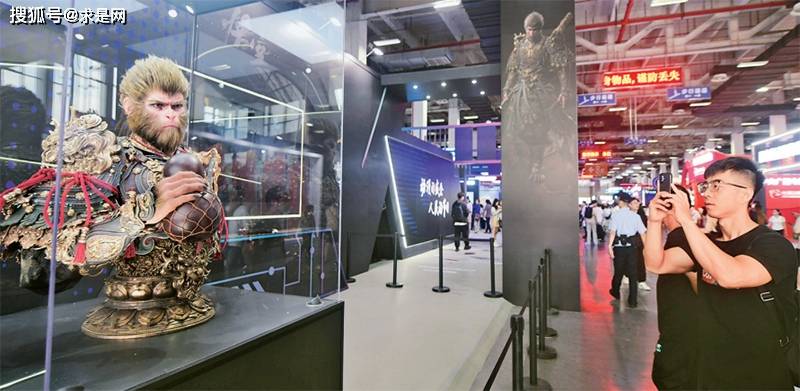
2025年中国上海市文化创意产业政策、发展历程、发展规模、重点企业及投资潜力研判:产业规模保持领先水平,产业增加值将达7514.8亿元[图]
Chan Ye Xin Xi Wang· 2025-08-28 01:29
Core Viewpoint - The cultural and creative industry in Shanghai is a strategic pillar industry, with significant government support and a projected total output of 24,670 billion yuan in 2024, increasing to approximately 26,015 billion yuan by 2025 [1][4]. Group 1: Definition and Classification - The cultural and creative industry is defined as an emerging industry centered on human creativity, integrating culture, creativity, technology, capital, and manufacturing [2][3]. - It encompasses various sectors including broadcasting, animation, media, visual arts, performing arts, design, and software services [2][3]. Group 2: Development History - The cultural and creative industry in Shanghai has been growing rapidly, outpacing the overall economic growth of the city [4]. - In 2017, the industry achieved an added value of 3,340 billion yuan, with a year-on-year growth of 10.3% [4]. Group 3: Current Status - Shanghai is advancing its design capabilities across five major sectors: industrial, architectural, fashion, digital, and service design, maintaining a leading position in industry scale [4]. - The projected added value for the cultural and creative industry in 2024 is 7,091.4 billion yuan, with core cultural creative sectors contributing 6,813.41 billion yuan [4]. Group 4: Employment and Productivity - The number of employees in Shanghai's cultural and creative industry has remained around 1.3 million, with an expected increase to 1.3447 million by 2025 [5]. - The per capita output value in the industry is projected to rise from 185 million yuan in 2024 to 193.46 million yuan in 2025 [5]. Group 5: Policy Support - The Shanghai government prioritizes the cultural and creative industry as part of its strategy for innovation and development, aiming to establish an internationally influential cultural and creative industry center by 2035 [6]. Group 6: Key Enterprises - Major enterprises in Shanghai's cultural and creative industry include Shanghai Film Co., Ltd., Shanghai Architectural Design Research Institute, and China Vision Media [6][7]. Group 7: Investment Potential - The rising income levels and changing consumption patterns in Shanghai are driving demand for leisure and entertainment services, creating significant growth opportunities in the sector [8]. - The integration of cultural elements into leisure and entertainment services is enhancing the industry's cultural value and market appeal [8].


赴场秋日之约 老地方 新玩法
He Nan Ri Bao· 2025-08-25 23:31
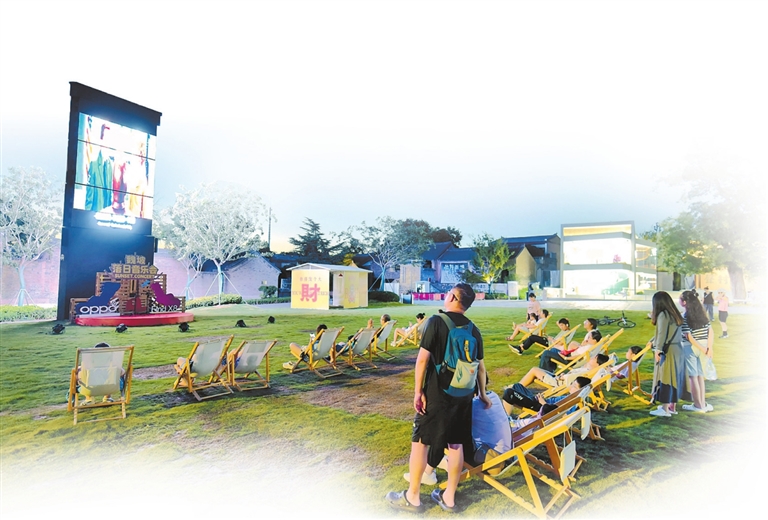
Core Insights - The transformation of old factories in Henan into cultural and creative spaces reflects a shift in consumer preferences from mere sightseeing to immersive experiences [1][2][4] - The success of these projects is attributed to innovative operational models that combine day and night economies, enhancing the cultural and social fabric of urban areas [2][6] Group 1: Transformation of Old Factories - A number of old factories in Henan are being repurposed into vibrant cultural spaces, shedding their industrial past to become attractive urban landmarks [2] - The Zhengzhou Mijie Cultural Park, formerly a research institute, now features a blend of art exhibitions and dining options, quickly becoming a popular cultural hub [2][3] - The design philosophy of projects like the Luoyang Weipo New Sequence emphasizes contemporary relevance while respecting historical context, creating multifaceted social and cultural environments [2][4] Group 2: Economic Impact - The Luoyang Weipo street saw a 300% increase in foot traffic during the coffee festival, with nearby accommodations achieving over 90% occupancy [3] - The night economy is thriving, with areas like the Luoyang Sui-Tang Palace District reporting over 90% of nighttime business coming from cultural and tourism activities [6] - Events such as live music and creative markets are drawing significant crowds, contributing to a vibrant nighttime atmosphere across various transformed factory sites [6]