文化展览

Search documents
新展开幕丨币载千年文明 熊猫传递友谊——国宝熊猫与贵金属货币文化首展启幕
Sou Hu Cai Jing· 2025-11-21 16:32
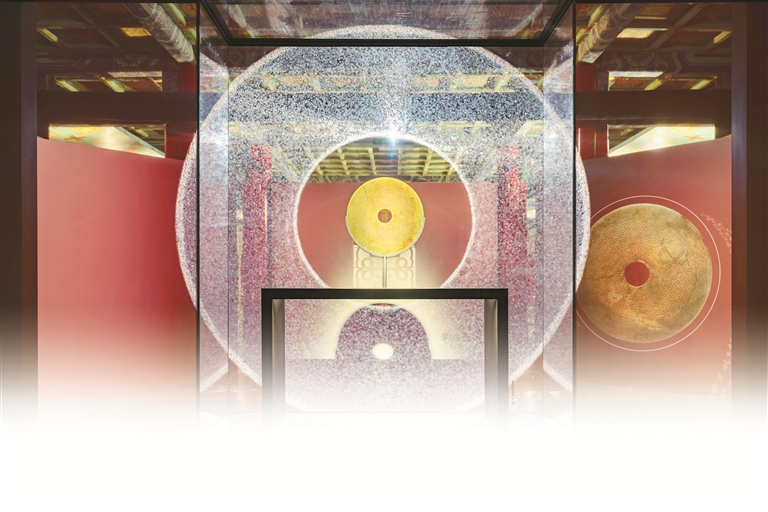
Core Viewpoint - The "National Treasure Panda and Precious Metal Currency Culture First Exhibition" opened on November 21, 2025, as part of the Global Panda Partners Conference, showcasing the integration of Chinese currency civilization, panda culture, and financial culture [1][3]. Group 1: Exhibition Overview - The exhibition is themed "Currency Carries Millennia of Civilization, Panda Conveys Friendship," aiming to create a bridge between tradition and modernity, finance and culture, and China and the world [3]. - It features a total of 113 panda precious metal commemorative coins, including all panda coins issued from 1982 to 2025, as well as the 2026 edition [6]. - The exhibition is divided into three thematic areas: "A New Carrier of Chinese Traditional Culture," "Golden Memories of Bashu Culture," and "Golden Name Card of National Treasure" [6]. Group 2: Interactive Experience - The exhibition includes immersive interactive experiences, such as a "Time Tunnel" at the entrance, decorated with various currency light boxes and coin-shaped floor stickers [8]. - A viewing area will continuously play a themed film about the commemorative coins, allowing visitors to learn more about the creation stories of precious metal coins [8]. Group 3: Venue and Duration - The exhibition adopts a dual-venue model, with the Chengdu Museum exhibition running for 15 days from November 21 to December 5, located on the fourth floor [11]. - The exhibition at the Chengdu Airport International Conference Center will be synchronized with the Panda Partners Conference, showcasing the complete set of panda precious metal coins on November 21 and 22 [11].


长三角文博会规模创新高,33个沉浸式项目集中亮相
Di Yi Cai Jing· 2025-11-21 02:19
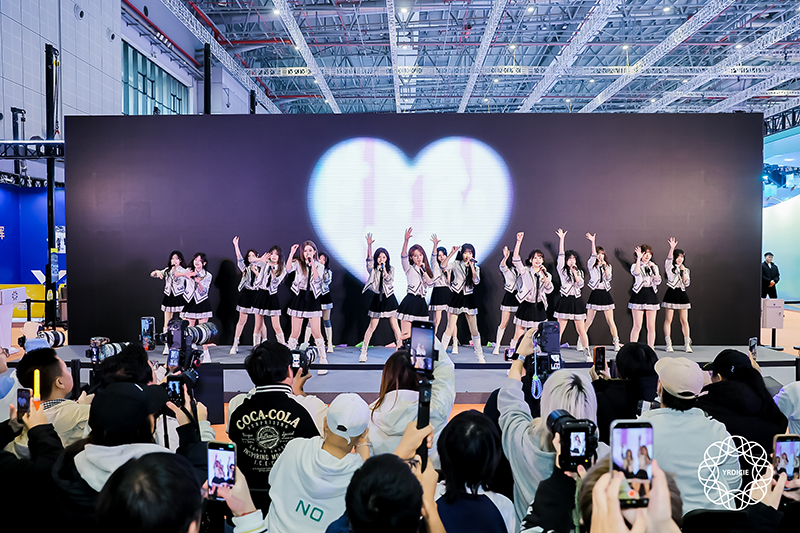
Core Insights - The 6th Yangtze River Delta International Cultural Industry Expo successfully took place from November 20 to 22 at the National Exhibition and Convention Center in Shanghai, showcasing cultural achievements from the region and emphasizing the integration of cultural heritage and innovation [1][3] Group 1: Event Overview - The expo gathered cultural treasures from Shanghai, Jiangsu, Zhejiang, and Anhui, along with participation from Yunnan, Guizhou, Inner Mongolia, and Jilin, highlighting regional explorations in cultural heritage and innovation [1][3] - The event featured over 1,500 cultural industry-related units and enterprises, displaying thousands of cultural products and nearly a thousand local delicacies, alongside 126 themed activities [3][8] Group 2: Exhibition Highlights - Shanghai's exhibition teams showcased unique designs, such as the "Drama Convenience Store" featuring a guest performance by the cast of "Dali Temple Log," and interactive XR spaces allowing audiences to engage with historical figures [3][5] - Jiangsu's exhibition area highlighted the phenomenon of the "Su Chao" football event, presenting cultural tourism routes and tech applications that demonstrate the vitality of sports and culture integration [3][5] Group 3: Technological Integration - The Zhejiang exhibition area utilized VR and AI technologies to present cultural export possibilities, while also demonstrating traditional crafts like bamboo paper and porcelain [5][7] - The expo introduced a "1+6" exhibition format, focusing on immersive experiences with 33 projects, including VR and XR applications that bring historical cultural heritage to life [7][8] Group 4: Specialized Exhibitions - Four specialized exhibition areas catered to different audience needs, including a focus on Gen Z with new products from 50 museums and revitalized traditional brands [8] - The event emphasized industry connections and transactions, hosting 126 supporting activities such as thematic summits and trade matchmaking events, covering various sectors like immersive industries and cultural tourism investment [8]
苏州古典园林艺术展在新加坡植物园开幕
Su Zhou Ri Bao· 2025-11-12 22:39
联合国教科文组织亚太地区世界遗产培训与研究中心苏州分中心相关负责人表示:"我们致力于推 动海内外传统文化交流,不仅要引进国际先进的保护理念,也要系统推动苏州园林走向亚太,让中国的 遗产保护实践影响世界。" 展览围绕"文脉流芳、匠心造园、园林之城、沧浪兰馨、四时雅韵"五大主题,系统展现苏州园林的 艺术精髓与人文精神。"文脉流芳"追溯苏州园林自春秋奠基、唐宋发展至明清鼎盛的历史脉络,重点呈 现沧浪亭、拙政园、留园等9座世界遗产园林的历史价值。"匠心造园"解析苏州古典园林造园特色,传 递"虽由人作,宛自天开"的造园智慧。"园林之城"铺展苏州108座园林图卷,展现"城里半园亭"的独特 风貌,凸显园林群体性保护的成效。 昨天(11月12日),《诗意园林城—苏州古典园林艺术展》在新加坡植物园开幕,英文宣传片《诗 意的栖居》同步上线,以国际视野讲述东方园林之美,迅速引发当地媒体和公众的关注。今年正值中新 建交35周年,此次展览系苏州古典园林与新加坡植物园两处世界文化遗产首次跨域联动,以东方园林美 学为纽带,推动中新文化交流走向深入。 影片从山水格局、建筑布局到花木配置,层层解析"建筑为骨,花木为魂"的造园理念,挖掘文人寄 ...
郑州文旅的“出圈”密码
Zheng Zhou Ri Bao· 2025-11-10 01:00
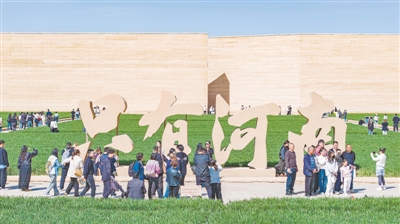
Core Viewpoint - Zhengzhou's cultural and tourism market is thriving in 2025, driven by new attractions and activities that enhance visitor experiences and boost economic growth [2][3][4]. Group 1: Tourism Growth and Attractions - Zhengzhou has been recognized as a top departure city and a vibrant nightlife destination, showcasing its appeal to both domestic and international tourists [2][8]. - New attractions such as the "Animal Kingdom" featuring six pandas and the "Mythical Sea World" have been introduced to attract visitors, resulting in significant visitor numbers and revenue [3]. - The "Only Henan: Drama Fantasy City" and "Jianye Movie Town" have launched new performances and nostalgic activities, enhancing cultural tourism offerings [4]. Group 2: Seasonal Events and Visitor Engagement - The city has organized over 200 cultural and tourism activities for the Spring Festival, igniting consumer interest and participation [6]. - During the May Day holiday, Zhengzhou hosted more than 1.1 million visitors, showcasing the city's ability to attract large crowds through themed events [7]. - The combination of the National Day and Mid-Autumn Festival has led to a surge in visitor numbers, with new commercial districts attracting over a million visitors shortly after opening [8]. Group 3: Cultural Integration and Community Engagement - Zhengzhou has seen a rise in cultural exhibitions and events, such as the "Confucius Tour" and various art showcases, which have increased public engagement and tourism spending [9]. - The city has implemented community-focused arts initiatives, bringing high-quality performances to local neighborhoods and enhancing cultural accessibility [10]. - Policies aimed at promoting the performing arts and cultural tourism are being introduced to further stimulate economic growth and enhance the city's cultural landscape [10].
中泰共话稻作文明 浙江考古特展在曼谷启幕
Zhong Guo Xin Wen Wang· 2025-11-06 01:59
Core Points - The exhibition "Myth of Rice Cultivation: Concepts, Beliefs, and Memories" has opened in Bangkok, marking a significant cultural exchange between China and Thailand to celebrate the 50th anniversary of diplomatic relations [1][2] - The exhibition showcases archaeological findings from Zhejiang, a key origin of rice cultivation civilization, highlighting the shared and unique aspects of rice culture between Southern China and Southeast Asian countries [1] - The exhibition features four main sections: "Creating Myths," "Tracing Myths," "Nurturing Myths," and "Sharing Myths," using artifacts, replicas, and interactive content to illustrate the development of rice cultivation beliefs [1] Additional Information - A global online exhibition is also launched to construct a "Myth of Rice World," aiming to convey the spiritual essence of rice cultivation civilization [2] - The exhibition will run until November 20, serving as an important cultural event for the ongoing cooperation between China and Thailand in cultural and academic fields [2]
新疆和田地区非物质文化遗产展亮相中国非遗馆
Zhong Guo Xin Wen Wang· 2025-11-04 01:08
Core Viewpoint - The exhibition "Wanfang Lezao Youyu Tian - Intangible Cultural Heritage Exhibition of Hotan, Xinjiang" opened on March 2 at the China Intangible Cultural Heritage Museum, showcasing the rich cultural heritage of the Hotan region through various forms of presentation [1] Group 1: Exhibition Details - The exhibition features six thematic units: Kunlun Mythology, Jade from Kunlun, Famous Silk Road Cities, Wanfang Lezao, Hundred Ethnicities in Harmony, and Forging the Soul [1] - Approximately 30 representative projects of national and regional intangible cultural heritage are presented, with nearly 600 exhibits, including techniques such as Adela silk dyeing and weaving, Aiyuang construction skills, carpet weaving, and mulberry paper making [1] Group 2: Cultural Significance - The exhibition vividly showcases the transmission of intangible cultural heritage in the Hotan region, highlighting its unique charm and contemporary relevance, while connecting the long history and splendid culture of Hotan and Xinjiang [1] - It illustrates the spirit of unity and friendship among various ethnic groups in Xinjiang, depicting a beautiful vision of building a harmonious home together, akin to pomegranate seeds tightly embracing each other [1] Group 3: Event Organization and Duration - The exhibition is jointly organized by the China Intangible Cultural Heritage Museum, the Cultural and Tourism Department of Xinjiang Uygur Autonomous Region, the Cultural, Sports, Radio, and Television Bureau of Xinjiang Production and Construction Corps, and the Hotan Regional Administrative Office [1] - It will run until March 15, 2026, with accompanying activities such as intangible cultural heritage performances, handicraft experiences, and lectures to provide an immersive understanding of Hotan's intangible heritage [1]
参演行进剧、体验非遗手作,北大学子在园区行中沉浸感受天桥文化
Xin Jing Bao· 2025-10-31 11:04
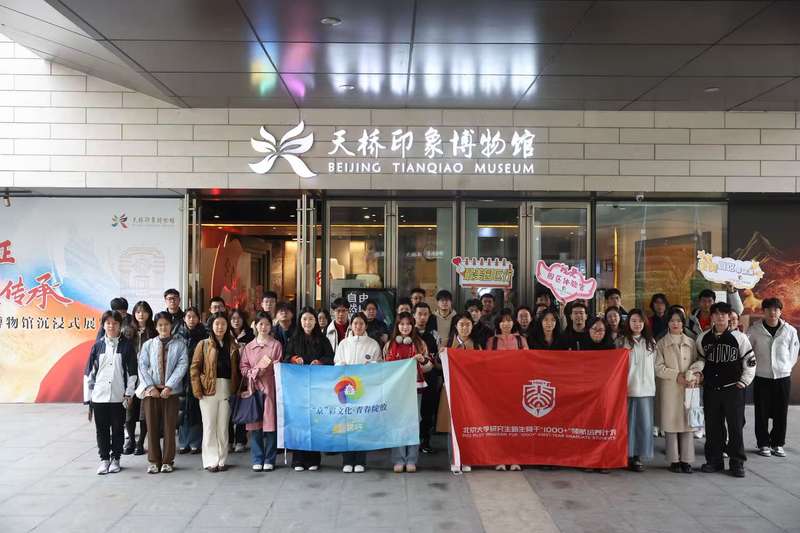
Core Points - The event "‘京’彩文化 青春绽放" 2025 Park Tour took place at the Beijing Tianqiao Performing Arts District, showcasing the charm of Beijing's folk culture to over 40 students from Peking University [1][2] - The Tianqiao area is recognized as a significant birthplace of Beijing's folk culture, now revitalized as a cultural hub featuring various performing arts and cultural activities [2] Group 1: Event Overview - The event was organized by the Beijing Municipal Publicity Department and other local authorities, aimed at immersing students in the cultural heritage of the Tianqiao area [1][2] - The Tianqiao Performing Arts District spans 2.07 square kilometers and includes key projects such as the Tianqiao Theater and Tianqiao Art Center, making it a cultural landmark in Beijing [2] Group 2: Student Experience - Students participated in immersive activities, including the Momoda infant-parent drama, which is the first of its kind in China for children aged 0-3, featuring several unique productions [5] - The "Youth Song" immersive cultural experience allowed students to engage with historical narratives and traditional performances, enhancing their understanding of Tianqiao's cultural significance [7][9] Group 3: Cultural Significance - The "Youth Song" performance is based on the real-life experiences of musician Nie Er in the 1930s, connecting historical events and figures to the present [7] - The performance integrates traditional arts such as Beijing opera and storytelling, providing a modern interpretation of cultural heritage [7][11] Group 4: Student Feedback - Students expressed positive feedback regarding the interactive nature of the performances, with many indicating a desire to return with friends [9][11] - Suggestions for improvement included enhancing audience participation and clarifying audio during performances, reflecting a keen interest in the cultural offerings [13]
传统商圈的破圈启示
Jing Ji Ri Bao· 2025-10-26 00:38
Core Insights - Cultural exhibitions are transforming urban commercial spaces into vibrant consumer experiences, moving beyond mere shopping to create emotional resonance and cultural identity [1][2][3] Group 1: Cultural and Commercial Integration - The integration of culture and commerce is reshaping consumer behavior, with younger demographics valuing emotional connections and cultural experiences over traditional shopping [1][2] - Commercial spaces are increasingly connecting with historical districts and public resources, utilizing modern technology to create immersive environments that enhance consumer engagement [2] - The rise of "first-store economy" and "first-release economy" reflects a shift in consumer psychology, where the experience of being the first to own something drives demand [2] Group 2: Experience Economy - Consumers spend significantly more time at cultural events compared to regular shopping, indicating that creating memorable experiences is a more effective marketing strategy than price promotions [3] - The success of offline commercial spaces hinges on their ability to offer unique, immersive experiences that cannot be replicated online, thus forming a protective barrier against digital competition [2] - Continuous investment in high-quality cultural content and events is essential for maintaining consumer interest and fostering emotional connections, which are crucial for sustainable growth [2][3] Group 3: Economic Implications - Thriving commercial districts serve as indicators of China's economic resilience and vitality, contributing to a broader narrative of urban economic development and consumer aspirations [3] - The transformation of commercial spaces into attractive consumer destinations not only enhances consumption but also supports the overall economic landscape by providing tangible representations of quality living [3]
黄河几字弯的文化“活化石”与鄂尔多斯民俗
Xin Lang Cai Jing· 2025-10-22 11:51
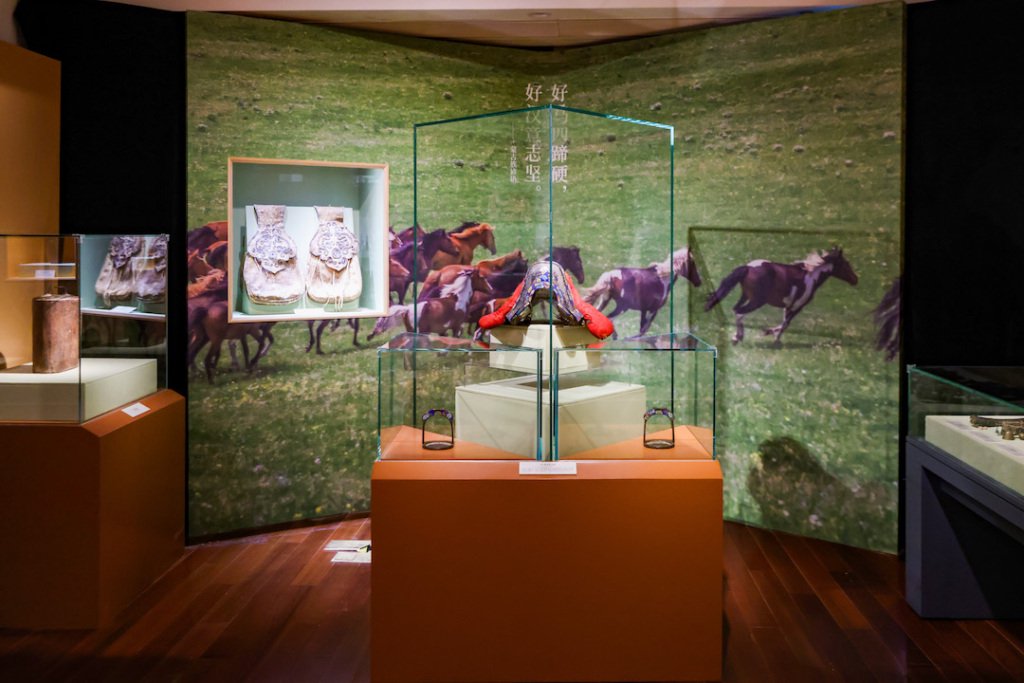
Core Viewpoint - The exhibition "Nine曲黄河 马背长歌: 鄂尔多斯草原文化展" showcases nearly 150 cultural artifacts from the Ordos region, highlighting the integration of the Yellow River, Great Wall, and grassland cultures, and emphasizing the unique cultural heritage of the area [1][3]. Group 1: Exhibition Overview - The exhibition is co-hosted by the Shanghai History Museum and the Ordos Museum, featuring artifacts that represent the rich cultural tapestry of the Ordos region [1][3]. - It is divided into two main sections: "Fusion of Diversity: Grassland History" and "Unique Customs," displaying a wide range of artifacts including bronze, bone, pottery, jade, and textiles [3][6]. Group 2: Cultural Artifacts - The first section features Ordos bronze artifacts and Yuan dynasty pottery figurines, illustrating the historical blending of nomadic and agricultural cultures following the separation of pastoral and agricultural economies [6]. - Notable artifacts include a Yuan dynasty duck-shaped bronze weight and a Qing dynasty silver incense pouch, showcasing intricate craftsmanship and cultural significance [8]. - The second section focuses on daily life items, such as a finely crafted cloisonné saddle, a copper milk bucket, and traditional Mongolian chess, reflecting the unique customs and lifestyle of the Ordos people [12][19]. Group 3: Cultural Significance - The exhibition aims to present the cultural charm of Ordos and reveal the important role of the northern grassland region in the continuous development of Chinese civilization and the evolution of the Chinese nation [3][6]. - The artifacts not only represent the material culture but also provide insights into the social and cultural dynamics of the Ordos region [12][19]. Group 4: Exhibition Details - The exhibition will run until January 4, 2026, and is open for free visits without prior reservation [21].

坚定文化自信 建设文化强国丨一脉文渊百年传
Zhong Yang Ji Wei Guo Jia Jian Wei Wang Zhan· 2025-10-17 00:12
Core Viewpoint - The exhibition "A Century of Guardianship: From the Forbidden City to the Palace Museum" showcases the historical significance and cultural heritage of the Palace Museum, celebrating its 100th anniversary and emphasizing the importance of preserving and promoting Chinese civilization [8][10][12]. Group 1: Exhibition Overview - The exhibition features 200 precious artifacts selected from over 1.95 million items in the museum's collection, highlighting the continuity of Chinese cultural heritage over the past century [10][12]. - Artifacts on display range from the Shang and Zhou dynasties to the Qing dynasty, including bronze vessels, paintings, and exquisite porcelain [10][11]. - The exhibition aims to demonstrate the Palace Museum's role in safeguarding Chinese cultural heritage amidst historical upheavals [12][14]. Group 2: Historical Context - The Palace Museum was established on October 10, 1925, transforming from a restricted imperial space into a public museum, allowing access to historical treasures [9][10]. - During the Second Sino-Japanese War, the museum undertook significant efforts to protect its artifacts by relocating them to safer areas, showcasing a commitment to cultural preservation [12][13]. - The return of artifacts after the war symbolizes the resilience of Chinese culture and the importance of maintaining cultural identity [12][13]. Group 3: Cultural Significance - The artifacts serve as a testament to the continuity, innovation, unity, inclusiveness, and peace of Chinese civilization [11][14]. - The Palace Museum's collection reflects the creativity and wisdom of the Chinese people, embodying a shared cultural memory [11][14]. - The exhibition emphasizes the need for cultural heritage to be preserved and passed down through generations while also adapting to contemporary contexts [16][17]. Group 4: Modern Innovations - The Palace Museum has embraced modern technology to enhance the preservation and presentation of its artifacts, including digitalization efforts that allow for broader public access [16][17]. - Innovative projects, such as the "Digital Palace Museum," have made over 1 million artifacts digitally accessible, promoting cultural engagement [17]. - The integration of technology and culture aims to revitalize historical narratives and connect them with contemporary audiences [17].