银发经济

Search documents
“中国城市银发经济高质量发展指数”评价体系在成都发布
Sou Hu Cai Jing· 2025-11-06 12:18
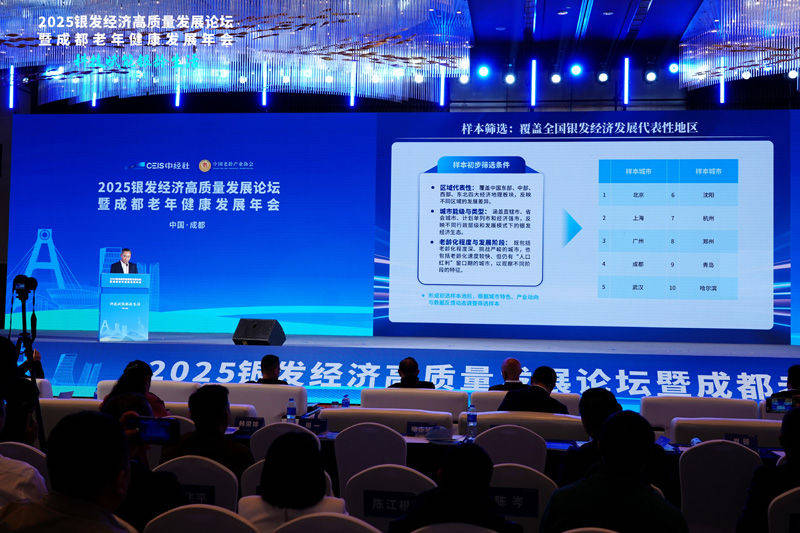
Core Insights - The aging population in China, particularly those born in the 1960s, is shifting the elderly consumption market from a "survival" model to a "development" model, indicating a growing demand for silver economy products and services [1][4] - The "China Urban Silver Economy Development Index" was launched to provide a comprehensive evaluation framework for assessing the development level of the silver economy across various cities in China [1][5] Group 1: Index Structure and Methodology - The index is built on a multi-dimensional evaluation model focusing on the silver industry ecosystem, covering four layers: foundation, industry, environment, and radiation [1] - It includes five dimensions: demand potential (17%), supply level (26%), industry collaboration (28%), environmental support (14%), and value creation (15%) [2] - The index evaluates ten representative cities across different economic regions, categorizing them into "balanced development," "regional center," and "characteristic practice" types to reflect diverse characteristics in silver economy development [2] Group 2: Policy and Market Trends - The Chinese government is actively promoting the silver economy through policies aimed at scaling, standardizing, clustering, and branding its development, marking a significant policy-driven acceleration [4] - In Beijing, the elderly care industry saw a 30.54% year-on-year increase in new institutions, with smart elderly care services growing by 70.87%, highlighting a major growth area within the silver economy [4] - Other cities, such as Shanghai and Chengdu, are also implementing strategic plans to enhance their silver economy, focusing on creating supportive environments and specialized services for the elderly [4][5] Group 3: Implications for Investment and Development - The index serves as a "barometer" for industry dynamics and provides a "guiding star" for future development directions, aiding local governments in policy-making and resource allocation [5] - By identifying strengths and weaknesses in the silver economy, cities can pursue differentiated development paths, attracting more investment and consumption to this sector [5] - The growth of related industries, such as health and wellness tourism, rehabilitation equipment, and age-friendly housing, is expected to create a cluster effect, seizing new opportunities amid the aging challenge [5]

国家发展改革委副秘书长肖渭明:“十五五”时期,银发经济有望迎来蓬勃发展的重大机遇
Xin Lang Cai Jing· 2025-11-06 07:35
Core Viewpoint - The aging population in China is driving the development of the silver economy, which is becoming increasingly urgent as the demand from over 300 million elderly individuals and their families continues to rise [1] Group 1: Economic Opportunities - The silver economy is expected to experience significant growth opportunities due to the urgent need for new industries and economic models that align with demographic changes [1] - The Chinese government aims to create an open and cooperative environment for the silver economy, promoting international collaboration and expanding the network of stakeholders involved in this sector [1] Group 2: High-Quality Development - Emphasis is placed on leveraging technological innovation to enhance the quality of the silver economy, with a focus on digitalization and smart technologies such as artificial intelligence and big data [1] - The government encourages domestic and foreign enterprises to invest in the aging sector, aiming to optimize the business environment and facilitate the development of new products and services [1] Group 3: Meeting Demand - The development of the silver economy should address the urgent needs of the elderly population and the shortcomings in the industry, promoting a combination of elderly care services and industries [1] - The goal is to continuously meet the quality of life needs of the elderly through the expansion of the silver economy [1]
成都市“1+3+7”协同打造全国银发经济产业新高地
Xin Hua Cai Jing· 2025-11-02 00:57
Core Viewpoint - Chengdu is focusing on the development of the silver economy, with specific strategies and initiatives being implemented in its districts to create a comprehensive ecosystem for elderly care and health services [1][2][3] Group 1: Chengdu's Silver Economy Development - Chengdu's Wenchuan District is establishing a multi-level service system for elderly care, including high-end health care, inclusive elderly care, and community-based home care [1] - Wenchuan District has 18 elderly care institutions with over 6,600 operational beds, leading the city in registered bed numbers [1] - The district is cultivating a robust industrial ecosystem that integrates health care, green food, and equipment manufacturing, with 68 enterprises in the silver economy sector projected to generate over 16.5 billion yuan in revenue in 2024 [1][2] Group 2: Strategic Planning and Initiatives - Wenchuan District has incorporated the silver economy into its "3+6" modern industrial system, focusing on key sectors such as elderly medicine, rehabilitation aids, functional foods, cell therapy, and anti-aging medical aesthetics [2] - Longquanyi District is developing a silver economy framework that emphasizes home and community-based services, elderly health care, and ecological wellness tourism [2][3] - Longquanyi District has initiated four major actions to support the silver economy, including foundational platform development, scenario expansion, industrial strengthening, and project implementation, with over 10 billion yuan allocated for 25 key projects [3] Group 3: Future Outlook and Goals - Chengdu aims to create a national-level high-standard silver economy industrial park, with Wenchuan, Jinjiang, and Wuhou Districts as primary hubs and Longquanyi and Dujiangyan as collaborative development areas [3] - The city is pursuing a multi-point layout and differentiated development strategy to accelerate the formation of a silver economy industrial cluster, targeting this emerging market [3]
中国资本市场展现出较强韧性
Zhong Guo Zheng Quan Bao· 2025-10-29 21:10
Core Viewpoint - The resilience of China's manufacturing sector and capital markets has created a "buffer" to respond to changes, with a focus on mergers and acquisitions and technological self-reliance to enhance competitiveness [1][2]. Group 1: Manufacturing and Capital Markets - China's manufacturing capacity has solidified its influence in the global supply chain, providing crucial support against external challenges [1]. - The Shanghai Composite Index surpassing 4000 points reflects market confidence stemming from the robust foundation of China's manufacturing and service sectors [1]. Group 2: Mergers and Acquisitions - Companies are encouraged to increase efforts in mergers and acquisitions to achieve scale and enhance competitiveness, especially in a context of intensified industry differentiation and low concentration [2]. Group 3: Technological and Industrial Innovation - The focus during the 14th Five-Year Plan will be on accelerating technological self-reliance and integrating technological innovation with industrial innovation, which will drive the development of new productive forces [2]. - New productive forces are categorized into four types: strategic emerging industries (e.g., information technology, biotechnology, new energy), future industries (e.g., artificial intelligence, quantum technology), digital economy (including computing power, industrial internet), and the intelligent transformation of traditional industries [2]. Group 4: Social and Economic Development - Significant government investment in the social sector is expected over the next five years, with substantial potential in the silver economy, innovative pharmaceuticals, and the elderly care industry [2]. - The service sector is anticipated to accelerate in growth as a key area for job absorption, with supply-side adjustments aimed at reducing competition leading to various investment opportunities [2]. Group 5: Monetary Policy - China's monetary policy is increasingly focused on structural guidance and tool innovation, with potential for further reductions in reserve requirements and interest rates during the 14th Five-Year Plan [3].
重阳礼包与银发消费,是什么让老人乐意掏钱?
Xin Lang Cai Jing· 2025-10-29 15:24
Core Insights - The article highlights the growing trend of "silver economy" in Tongzhou District, where the elderly are shifting from traditional "elderly care" to "enjoying old age" with diverse consumption patterns [1][2][7] Consumption Trends - The average annual growth rate of consumption among pure elderly households in Tongzhou has reached 6.2% over the past three years, surpassing the overall resident growth rate of 5.1% [1][2] - Medical care has become the dominant consumption area, with 59.2% of respondents prioritizing it over other categories like food and daily necessities [2] - Elderly consumers are increasingly rational, with 80.3% prioritizing price and 69.2% focusing on quality when making purchases [2][3] Product Preferences - Elderly consumers show a strong preference for health-related products, with food items (78.63%) and health care products (42.31%) being the most frequently purchased categories [3] - The demand for lifestyle services and educational activities is also significant, with both categories accounting for 38.89% of consumption [4] Online Shopping Behavior - There is a notable increase in online shopping among the elderly, with 52.8% of younger seniors occasionally shopping online and 25.7% doing so regularly [4] - Many elderly individuals seek assistance from their children when navigating online shopping, especially for unfamiliar products [4][5] Challenges in Silver Economy - Despite the positive momentum in the silver economy, challenges remain, such as the mismatch between diverse consumer needs and the supply of products and services [7][8] - The government is working on optimizing supply through innovation and targeted services, including the development of specialized products for the elderly [7][8] Community and Institutional Support - The Tongzhou District has established various community support systems, including 7 regional elderly service centers and 196 service stations, to enhance service delivery [10] - The district is also focusing on attracting professional talent in elder care and related fields to support the growing demand [10] Engagement and Cultural Activities - The district is promoting active participation of the elderly in consumption and service provision through community activities and product experience events [11] - Collaborative efforts with neighboring regions aim to expand the scope of elderly care services, enhancing the overall quality of life for seniors [11]
2025银发经济高质量发展论坛聚焦“科技赋能”
Xin Hua Wang· 2025-10-29 14:21
Group 1 - The forum focuses on the theme "Empowering Silver Age Life through Technology," with over 600 entrepreneurs and experts attending and more than 70 related enterprises exhibiting [1][2] - Chengdu's elderly population is projected to reach 3.77 million by 2024, with an aging rate exceeding 23%, prompting the city to enhance its elderly care service system and promote equal access to public services [1] - Chengdu has identified the silver economy as one of its 16 key industrial chains and is implementing a three-year action plan to develop a unique Chengdu model for the silver economy [1] Group 2 - The forum is co-hosted by the China Economic Information Service and the China Aging Industry Association, featuring the signing of several silver economy projects and the release of the "2025 Chengdu Silver Economy Development Blue Book" [2] - The event also introduced the "China Urban Silver Economy High-Quality Development Index" evaluation system and the Silver Age Intelligent Digital Consumption Platform [2]
成都银发经济应用场景机会清单发布
Xin Hua Cai Jing· 2025-10-29 13:48
Core Insights - Chengdu aims to develop its silver economy, targeting an industry scale of 110 billion yuan by 2027, with plans to create a national-level silver economy industrial park and cultivate over 15 nationally recognized enterprises [1][2] Group 1: Development Plans - The "1+3+7+N" development framework will focus on seven key areas: elderly care services, smart elderly care, rehabilitation aids, anti-aging industry, elderly biomedicine, health tourism, and traditional Chinese medicine for the elderly [1] - Eight major initiatives will be implemented to ensure project execution, investment realization, and brand establishment [1] Group 2: Application Scenarios - The demand list for Chengdu's silver economy includes 29 items across three key areas: smart elderly care, health tourism, and comprehensive online consumption platforms [2] - The supply list features 49 items showcasing innovations from local and leading national enterprises in four categories: smart elderly care, medical care, health foods, and brand consumption [2] Group 3: Project Signings - Representative projects such as the Smart Home Service Industrial Park and Silver Age Intelligence Platform have been signed, covering various fields including smart elderly care and silver e-commerce [3]
为“老有所乐”赋能 让银发消费安心更舒心
Yang Guang Wang· 2025-10-29 12:43
Core Viewpoint - The silver economy in China is rapidly expanding, driven by an aging population and increasing demand for diverse and quality consumption experiences among the elderly [3][4]. Group 1: Market Overview - The current market size of China's silver economy is approximately 7 trillion yuan, with core drivers being essential needs, health, and self-enjoyment [3]. - By the end of 2024, the elderly population aged 60 and above in China is projected to reach 310 million, accounting for 22% of the total population [3]. Group 2: Policy and Market Drivers - Recent government initiatives, such as the "Consumption Promotion Special Action Plan," emphasize the development of industries catering to the elderly, including anti-aging and silver tourism, thereby injecting strong momentum into the market [4]. - The combination of policy support and market demand is facilitating the continuous expansion of the silver consumption market [4]. Group 3: Consumer Experience and Environment - Enhancements in the consumption environment are essential, focusing on improving convenience for the elderly, such as retrofitting old residential areas with elevators and barrier-free access [5]. - Various regions are implementing age-friendly modifications in public transport and tourism, including dedicated train services for elderly travelers, equipped with medical personnel and safety features [5][6]. Group 4: Safety and Regulation - The elderly consumer market has been a weak link in regulatory oversight, with frequent incidents of online scams and financial fraud targeting this demographic [6]. - Strengthening consumer protection mechanisms and enhancing public awareness of risks are crucial for safeguarding the rights and interests of the elderly [6].
央广网评丨为“老有所乐”赋能 让银发消费安心更舒心
Yang Guang Wang· 2025-10-29 12:28
Core Insights - The silver economy in China is experiencing significant growth, with a market size of approximately 7 trillion yuan, driven by the aging population and changing consumer preferences [3][4] - The number of individuals aged 60 and above is projected to reach 310 million by the end of 2024, accounting for 22% of the total population, highlighting the demographic shift [3][4] - Government policies are actively promoting the development of industries catering to the elderly, such as anti-aging and silver tourism, to unlock market potential [4][5] Market Dynamics - The core drivers of silver consumption are categorized into three main areas: essential needs, health, and self-enjoyment [3] - The transition from "elderly care" to "enjoying old age" reflects a broader trend in consumer behavior among the elderly, who are increasingly seeking diverse and high-quality experiences [3][4] Policy and Infrastructure - Recent government initiatives, such as the "Consumption Promotion Special Action Plan," emphasize the importance of developing industries that cater to the elderly, thereby providing strong support for market expansion [4][5] - There is a pressing need for infrastructure improvements to enhance the convenience of daily life for the elderly, including the installation of elevators and accessible pathways in older residential areas [5][6] Safety and Regulation - The elderly consumer market has been identified as a weak link in regulatory oversight, with issues such as online scams and financial fraud targeting this demographic [6] - Strengthening consumer protection mechanisms and enhancing public awareness of risks are essential to safeguard the interests of elderly consumers [6]
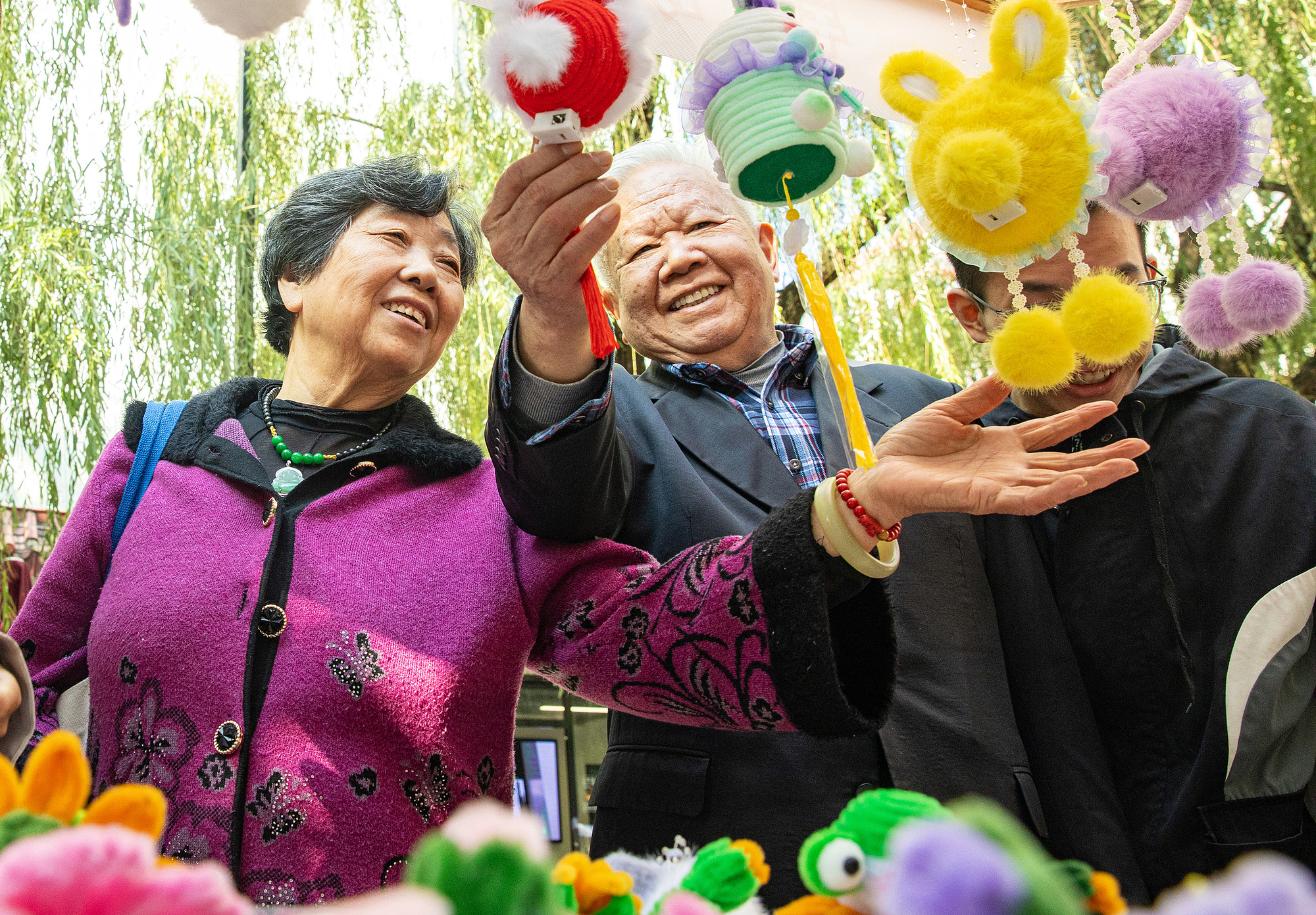
天眼新知 重阳探“银潮”:2025养生养老产业的需求裂变与价值重构
Zheng Quan Ri Bao Wang· 2025-10-29 07:29
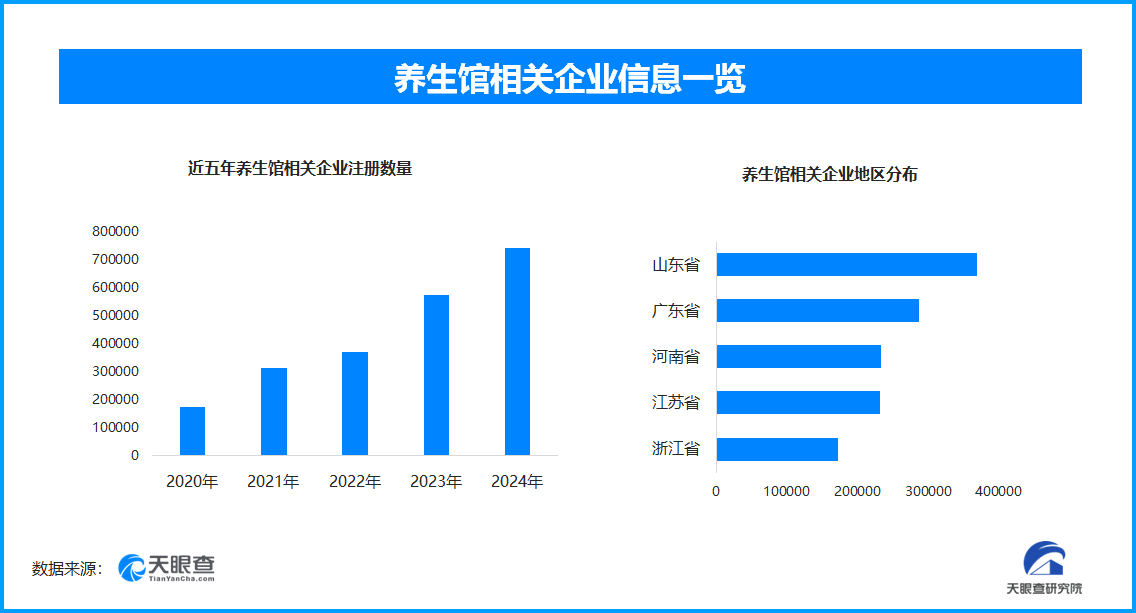
Core Insights - The aging population in China is shifting from basic survival needs to a pursuit of quality living, creating a significant opportunity for the silver economy [1][10] - The market size of the silver economy is projected to reach 15.8 trillion yuan in 2025, driven by a large elderly population and upgraded consumption demands [1][16] Market Trends - The health management and elderly care service market is expected to grow to 1.4 to 1.5 trillion yuan by 2025, with significant growth in traditional Chinese medicine and wellness services [2] - The number of health-related enterprises has increased, with over 331.1 million existing wellness centers and an expected 70.5 million new registrations by 2025 [3][7] Technological Innovations - The integration of smart devices with traditional wellness practices is enhancing service precision and expanding service scenarios, such as AI for Alzheimer's screening [5] - The market for aging-friendly smart technology is projected to reach 555.4 billion yuan by 2025, becoming one of the fastest-growing sectors in the silver economy [16] Evolving Care Models - Home-based elderly care is evolving from basic assistance to quality nursing, with a growing demand for safety and health monitoring [6] - Community care is becoming a focal point for policy support and market development, with an expected market size of 1.2 trillion yuan by 2025 [6] Cross-Industry Integration - The integration of healthcare, wellness, culture, and tourism is reshaping the silver economy, with a projected market size exceeding 15 trillion yuan by 2030 [10] - Demand segmentation is evident, with different age groups focusing on various aspects of wellness and care, leading to a differentiated market approach [11] Policy and Capital Support - Government policies are providing substantial support for the elderly care industry, including tax exemptions and the establishment of a billion-yuan development fund [16] - The shift from reactive aging responses to proactive economic value creation is positioning the silver economy as a key driver of stable economic growth [16]