
中药材

Search documents
甘肃宕昌:税惠深耕润药乡 全链赋能焕新机
Zhong Guo Fa Zhan Wang· 2025-11-03 08:34
Core Viewpoint - The tax authorities in Gansu's Dangchang County are actively providing tailored tax services to local herbal farmers, enhancing their confidence and operational efficiency in the medicinal herb industry, thereby contributing to the economic development of the region [1][2][3][4]. Group 1: Tax Services and Support - Tax officials are directly engaging with farmers to explain tax policies and assist with invoicing, which has improved the connection between farmers and buyers [2]. - The tax department offers one-on-one guidance to cooperatives, helping them understand tax exemptions and financial regulations, allowing them to focus on product quality [3]. - A "convenient service point" has been established in the market to assist small taxpayers and e-commerce entities with invoicing, ensuring smooth transaction flows [3][4]. Group 2: Economic Impact and Growth - The implementation of tax exemptions and support services has led to increased confidence among farmers, with reported earnings of 100,000 yuan from medicinal herb cultivation last year [2]. - The tax department's assistance has enabled local enterprises to benefit from tax reductions, facilitating their expansion into deeper processing of medicinal herbs [4]. - The overall strategy aims to transform the local herbal industry into a significant contributor to rural revitalization and income generation for the community [4].
2025年中国南药食养产业大会将于11月19-21日在肇庆召开
Nan Fang Nong Cun Bao· 2025-10-27 06:33
Core Viewpoint - The 2025 China Southern Medicine Food and Health Industry Conference will be held from November 19 to 21 in Zhaoqing, Guangdong, focusing on the high-quality development of the southern medicine industry and the integration of traditional Chinese medicine culture with modern health consumption [3][4][5]. Group 1: Conference Details - The conference is guided by the Ministry of Agriculture and Rural Affairs and co-hosted by the Guangdong Provincial Department of Agriculture and Rural Affairs and the Zhaoqing Municipal Government [2][3]. - The theme of the conference is "Big Food Concept Leading Big Health Trend, Food and Medicine Sharing to Promote Rural Revitalization" [4]. - Various activities will be organized, including an opening ceremony, keynote forums, industry matchmaking, product exhibitions, and field visits to local medicinal material bases [7][8]. Group 2: Industry Context - Southern medicine refers to medicinal plant resources produced in southern China, including Guangdong, Guangxi, Yunnan, Hainan, and Fujian, and is an important part of the traditional Chinese medicine system [10][11]. - The southern medicine industry is experiencing new opportunities for development due to the promotion of the Healthy China strategy and increasing consumer demand for natural health products [12]. - The industry chain of southern medicine is continuously extending through standardized planting, digital management, and technological innovation, covering various aspects such as seedling cultivation, planting, processing, health care, and trade [13]. Group 3: Regional Highlights - Guangdong is a core production area for southern medicine, with over 3.8 million acres of planting area in 2023, maintaining stable growth for several years [14]. - Zhaoqing's total planting area for southern medicine in 2024 is projected to be 1.5662 million acres, with a total output of 659,900 tons and a total output value of 10.605 billion yuan, accounting for over 40% of Guangdong's planting area and nearly 40% of the total output [15][16]. - The main cultivated medicinal materials include cinnamon, Ba Jitian, He Shou Wu, and Guangfo Shou, with six local medicinal materials included in the Guangdong Province Lingnan Traditional Chinese Medicine Protection Regulations [17][18]. Group 4: Future Prospects - The conference aims to enhance Zhaoqing's status in the national southern medicine landscape and assist in building the "Southern Medicine Food and Health Capital" city brand [21]. - The event will accelerate the integration of southern medicine with modern technology and health concepts, promoting the transition from traditional medicinal materials to "food and medicine sharing" products [22][26]. - The conference will facilitate collaboration across the industry chain, helping the southern medicine industry achieve standardization, branding, and internationalization, thereby enhancing global competitiveness [24][28].


2025年8月中国中药材进出口数量分别为1.7万吨和1万吨
Chan Ye Xin Xi Wang· 2025-10-27 03:04
Core Insights - The report by Zhiyan Consulting highlights a significant decline in China's traditional Chinese medicine (TCM) material imports in August 2025, with a volume of 17,000 tons, representing a year-on-year decrease of 36.2% and an import value of 29 million USD, down 16.9% [1] - Conversely, TCM material exports in August 2025 reached 10,000 tons, showing a year-on-year increase of 2.4%, with an export value of 8.2 million USD, up 1.8% [1] Import Analysis - In August 2025, the import quantity of TCM materials was 17,000 tons, which is a significant drop of 36.2% compared to the previous year [1] - The import value for the same period was 29 million USD, reflecting a decrease of 16.9% year-on-year [1] Export Analysis - The export quantity of TCM materials in August 2025 was 10,000 tons, marking a growth of 2.4% compared to the previous year [1] - The export value during this period was 8.2 million USD, which is an increase of 1.8% year-on-year [1]

安国市永鹏中药材有限公司成立 注册资本5万人民币
Sou Hu Cai Jing· 2025-10-24 21:51
Core Viewpoint - Recently, a new company named Yongpeng Traditional Chinese Medicine Co., Ltd. was established in Anguo City, with a registered capital of 50,000 RMB, focusing on various aspects of traditional Chinese medicine and agricultural products [1] Company Summary - The legal representative of Yongpeng Traditional Chinese Medicine Co., Ltd. is Wei Yana [1] - The company has a registered capital of 50,000 RMB [1] - The business scope includes the acquisition and sale of traditional Chinese herbs, planting of traditional Chinese herbs, wholesale and retail of edible agricultural products, and initial processing of agricultural products [1] Industry Summary - The company operates in the traditional Chinese medicine and agricultural products sector, which includes a wide range of activities such as the sale of medical devices, agricultural machinery rental, and technology services related to agriculture [1] - The business activities also encompass the sale of non-food agricultural products, specialized chemical products, and various types of warehousing services [1]
聚焦“三城五地”建设 陇南“十四五”开创发展新图景
Sou Hu Cai Jing· 2025-10-18 11:02
Core Insights - During the "14th Five-Year Plan" period, Longnan City aims for high-quality development focusing on "three cities and five regions" and implements key measures to enhance industrial prosperity, innovation, coordination, ecological sustainability, and social harmony [2][3] Economic Growth - Longnan City's GDP is projected to grow at an average annual rate of 6.6% during the "14th Five-Year Plan" period [3] - The urbanization rate increased from 36.18% to 41.72%, marking the highest growth rate in the province for four consecutive years [3] Industrial Development - The number of industrial projects and investments increased by 281.3% and 220.5% respectively compared to 2020 [3] - Four major industrial chains, including non-ferrous metallurgy, traditional Chinese medicine, modern logistics, and pepper, have surpassed a production value of 100 billion [3] Agricultural Advancements - The comprehensive output value of characteristic mountain agriculture reached 35 billion, 1.9 times that of the end of the "13th Five-Year Plan" [3] - Longnan ranks first in the nation for four agricultural indicators: olive oil base area, fresh fruit output, initial oil production, and economic benefits [3] Industrial Transformation - The number of large-scale industrial enterprises increased from 75 to 151, with significant developments in renewable energy bases [3] Tourism and Culture - The number of 4A and above scenic spots and national-level homestays ranks first in the province, with tourist numbers expected to exceed 45 million in 2024 [3] - Tourism revenue has increased by 213% compared to the end of the "13th Five-Year Plan" [3] Digital Economy - E-commerce sales reached 54.6 billion, with cross-border e-commerce exports expected to grow by 118% in 2024 [3] Investment and Financing - A record 438 investment projects worth over 100 million have been signed, with external funding reaching 98.19 billion [3] Social Welfare - Per capita disposable income for urban and rural residents increased by 24.7% and 39.6% respectively compared to the end of the "13th Five-Year Plan" [3] Environmental Protection - The forest coverage rate increased to 45.27%, and Longnan is recognized as a model city in ecological protection by the Ministry of Ecology and Environment in 2024 [3]
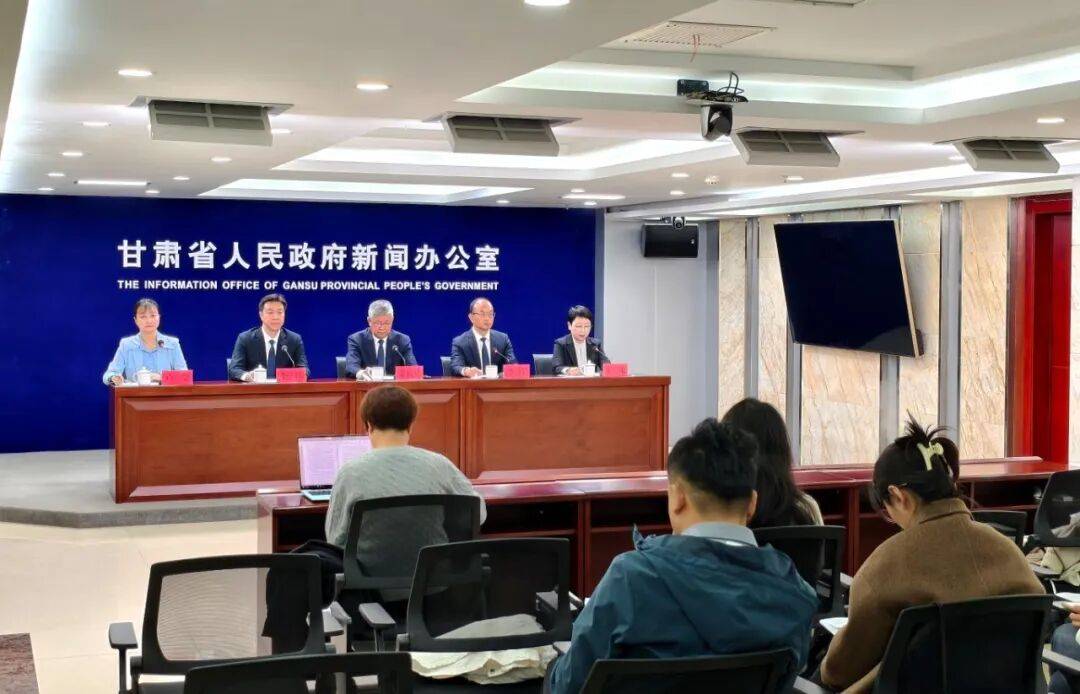
省政协委员、中国热带农业科学院研究员戴好富:潜心科研攻关,让海南沉香“更香”
Hai Nan Ri Bao· 2025-10-17 02:44
Core Insights - The article highlights the efforts of Dai Haofu and his team in advancing the research and development of Hainan agarwood, emphasizing its historical significance and market potential [2][3]. Research and Development - Dai Haofu's team has developed over 70 functional health products based on in-depth research into agarwood's properties [2]. - The research scope has expanded from agarwood variety selection to the entire industry chain, including efficacy exploration, new product development, and quality identification [2]. - The team has successfully bred high-quality agarwood varieties, such as "Heat Science No. 1" and "Heat Science No. 2," which are characterized by high yield and quality, reducing the time for agarwood formation to 5.5 to 6 years [2][3]. Quality Standards and Regulations - To combat the prevalence of counterfeit products in the agarwood market, the team established the world's first agarwood characteristic component mass spectrometry database and developed effective quality identification methods [3]. - The team collaborated with government departments to create local standards for agarwood identification and quality grading, marking the first such initiative in the country [3]. Community Engagement and Support - Following Typhoon "Mojia," Dai Haofu organized disaster recovery guidance for agarwood farmers, receiving positive feedback from the community [3]. - The team has collected over 400 types of indigenous medicinal plant resources this year, focusing on the protection of these resources amid the growing economic crop cultivation in ethnic regions [3][4]. Future Directions - Dai Haofu plans to continue field research and gather grassroots feedback to address challenges in the development of the ethnic medicine industry, aiming to promote sustainable growth through proposals and public opinion [4].
新华视点|锻造新质生产力:中国经济的“智造引擎”与“共富基底”
Xin Hua Wang· 2025-10-16 04:24
Group 1: Automotive Industry in Tianjin - Tianjin Economic Development Zone (TEDA) is focusing on the transformation of the automotive industry towards a "dual-fuel" product structure strategy in collaboration with FAW-Volkswagen, with a memorandum signed for new energy vehicle projects by 2025 [3] - In the first eight months of this year, the three major vehicle manufacturers in TEDA produced 419,700 units, representing a year-on-year increase of 5.06%, accounting for over 80% of Tianjin's total automotive production [3] Group 2: Agricultural Development and Rural Economy - In Jiangxi Province, the harvest season for yellow orange is underway, with local farmers engaged in drying the fruit, which has medicinal properties and is used for natural pigment production [15] - The county has effectively promoted the development of the yellow orange industry, preventing soil erosion, beautifying the rural environment, and enhancing the income of villagers while strengthening collective economic growth [15] - In Hunan Province, the harvest of yam is in full swing, with farmers in Ningyuan County busy with the collection and packaging of the crop, which is directly supplied to the Guangdong-Hong Kong-Macao Greater Bay Area [8][11] - The yam planting base in Taiping Town implements an "order agriculture" model, signing purchase contracts with merchants in advance to ensure timely harvesting and delivery [11]
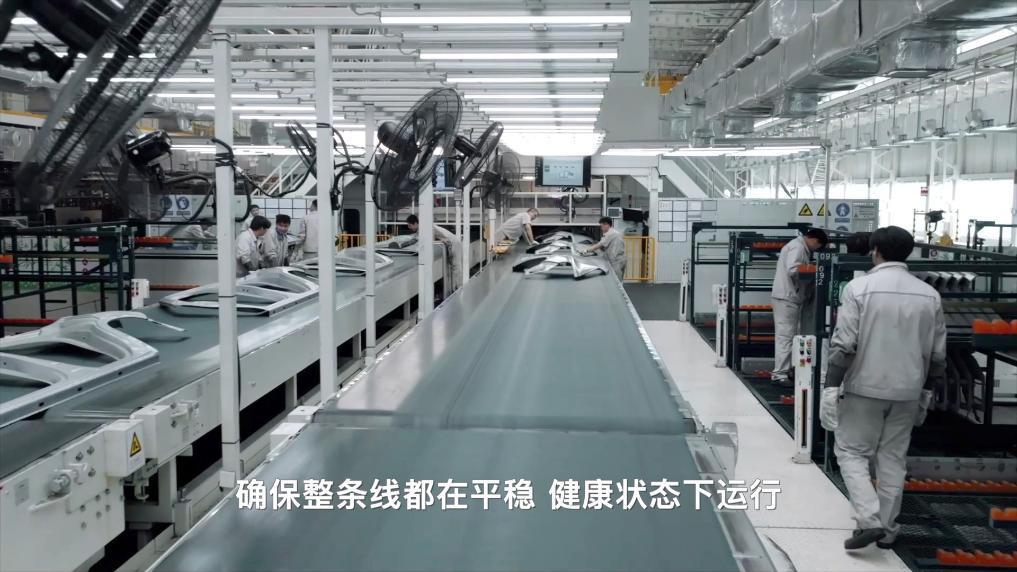
产新季来临价格承压 中药材市场深度调整
Zheng Quan Ri Bao Zhi Sheng· 2025-10-14 15:40
Core Insights - The traditional Chinese medicine (TCM) market is entering a critical period for production and sales, facing ongoing adjustments due to intensified supply-demand conflicts and strengthened policy guidance [1] Group 1: Supply and Demand Dynamics - The peak production period is expected to lead to a significant short-term increase in supply, with an estimated total production of approximately 5.8 million tons by 2025, while market demand is only about 5 million tons, resulting in an overall surplus rate of 16% [2] - The autumn harvest season in October will further highlight the supply-demand imbalance, leading to continued pressure on market prices [2] - Major varieties such as Angelica, Astragalus, and Codonopsis are expected to see a significant increase in supply as new crops are harvested [2] Group 2: Procurement Strategies and Price Adjustments - Under the backdrop of centralized procurement, TCM companies are adopting conservative procurement strategies to control raw material costs, with the second round of national centralized procurement for TCM decoction pieces already initiated [3] - This centralized procurement is expected to cover a wider range of products, prompting companies to reduce costs and improve efficiency through standardization, indicating a new round of price adjustments in the TCM industry [3] - The price bottoming trend for TCM materials may persist until the end of 2025 or even into 2026, particularly as root and rhizome materials are fully harvested [3] Group 3: Industry Transformation and Quality Standards - The TCM industry is accelerating its transformation, with initiatives like Zhejiang's "Zhejiang Eight Flavors" project aimed at establishing quality standards for TCM materials [4] - The implementation of Good Agricultural Practices (GAP) for TCM is being promoted nationwide to ensure quality, with various regions actively developing GAP bases [4] - Companies are increasingly focusing on establishing high-standard TCM planting bases to ensure the quality and traceability of authentic medicinal materials, which is crucial for building product barriers and advancing the modernization of TCM [5][6] Group 4: Long-term Industry Outlook - The TCM market is currently in a deep adjustment phase due to multiple factors, including production pressure, weak demand, capital withdrawal, and policy guidance [6] - The industry is expected to gradually move towards a path of standardization, branding, and quality improvement, with "high quality and high price" becoming the mainstream trend [6] - Industry participants are encouraged to adapt to policy directions and focus on high-quality and specialty varieties to seize opportunities in the ongoing industry restructuring [6]
【商洛】扎实推进中国康养之都建设
Shan Xi Ri Bao· 2025-10-14 00:13
Core Insights - Shanzhou, located in the Qinling Mountains, is leveraging its ecological resources to develop a "health and wellness" industry, promoting the concept of "22°C Shanzhou, China’s Health and Wellness Capital" [1] Group 1: Development of Medicinal and Edible Industries - Shanzhou has a rich ecological environment that supports 1,192 types of traditional Chinese medicinal herbs, with 110 of them being dual-purpose as food and medicine [2] - The town of Sipin has established a "Mountain Cornel Industry Alliance" to enhance the management and quality of its mountain cornel production, which spans over 40,000 acres and produces approximately 1,500 tons annually, accounting for one-sixth of the national output [3] - Recent initiatives have led to the recognition of Shanzhou as a "Chinese Medicinal Cuisine Landmark City" by the Chinese Culinary Association in 2024, with over 20 specialty agricultural products registered and recognized nationally [3] Group 2: Promotion of Event Economy - The 2025 National Beach Volleyball Tour in Shanzhou has sparked a consumer trend, enhancing the local tourism experience through various promotional activities linked to event attendance [5] - In 2024, Shanzhou experienced a 23% increase in tourist numbers and a 25% rise in tourism revenue due to the hosting of high-level sports events [6] - The city is developing a unique event system that includes mountain sports, forest activities, and outdoor adventures, while also improving infrastructure to support these events [6] Group 3: Utilization of Climate Resources - Shanzhou's ecological advantages, including an air quality index with over 350 days of good air quality and a forest coverage rate of 68.5%, support the implementation of the CCER forestry carbon sink project [7] - The CCER project, covering 8,928 hectares over a 40-year period, is expected to achieve a total emission reduction of 779,054 tons, translating to an average annual reduction of 19,476 tons [7] - This project aims to convert ecological value into economic benefits, enhancing collective income and supporting local farmers while embodying the principle of "lucid waters and lush mountains are invaluable assets" [7]
桐庐县中药材产业高质量发展成果显著
Mei Ri Shang Bao· 2025-10-13 07:29
Core Viewpoint - The 2025 Zhejiang Traditional Chinese Medicine Material Expo and the 18th Pan'an Traditional Chinese Medicine Material Expo showcased the thriving development of the traditional Chinese medicine industry in Zhejiang Province, highlighting the cultural and industrial integration of TCM [1]. Group 1: Industry Overview - The event featured the participation of the Tonglu County Traditional Chinese Medicine Material Association, which has over 30 member units and 70 members, including leading enterprises in planting, processing, and pharmaceutical technology [1]. - The association has established a complete industrial chain ecosystem from cultivation to end-user, involving various sectors such as quality planting, processing, and healthcare [1]. Group 2: Product Highlights - Key products displayed included traditional fermented medicines and innovative health products, with a focus on the "Tong Seven Flavors" public brand, which emphasizes the unique characteristics of local medicinal materials [2]. - Several products from the association won awards at the expo, including gold awards for "Liushenqu" and "Zhenyangqi Ginseng Larvae Cordyceps Fermented Plant Beverage," showcasing the high quality and market competitiveness of local products [2]. Group 3: Future Outlook - The Tonglu County Traditional Chinese Medicine Material Association is committed to furthering the "Tong Seven Flavors" brand and advancing the TCM industry towards standardization, scale, branding, and digitization [3]. - The association aims to inject dynamic energy into the sustainable, stable, and high-quality development of the TCM industry in the county and province [3].