
医院

Search documents
半数三甲医院强制刷脸,监管要替患者出头
Nan Fang Du Shi Bao· 2025-07-11 15:58
Core Viewpoint - The article highlights the concerning trend of mandatory facial recognition in hospitals, with half of the surveyed top-tier hospitals in Guangzhou requiring patients to use facial recognition for initial registration, raising issues of privacy and compliance with existing laws [1][2][4]. Group 1: Regulatory Context - The implementation of the "Facial Recognition Technology Application Security Management Measures" in June established core principles for handling facial information, emphasizing "clear purpose, minimum necessity, and strict protection" [1]. - Previous laws, such as the Civil Code and the Personal Information Protection Law, have already set clear guidelines on the use of personal information, requiring that facial recognition not be the sole method of verification [1][2]. Group 2: Hospital Practices - The study found that hospitals, particularly Guangzhou Medical University Affiliated Second and Third Hospitals, enforced strict facial recognition policies, which may not fully inform patients about the use of their facial data [1][4]. - The article argues that hospitals, as public service providers, should demonstrate a higher level of legal compliance and awareness regarding the use of facial recognition technology [3]. Group 3: Enforcement and Governance - The article stresses the need for effective enforcement of laws regarding facial recognition, suggesting that regulatory bodies must actively supervise and respond to public complaints, especially in healthcare settings where patients may struggle to protect their rights [3][4]. - It calls for the involvement of judicial authorities to ensure that hospitals do not become blind spots in the enforcement of personal information protection laws [4].
区域肿瘤防治再升级!同济医院肿瘤科医联体揭牌成立
Qi Lu Wan Bao Wang· 2025-07-11 11:31
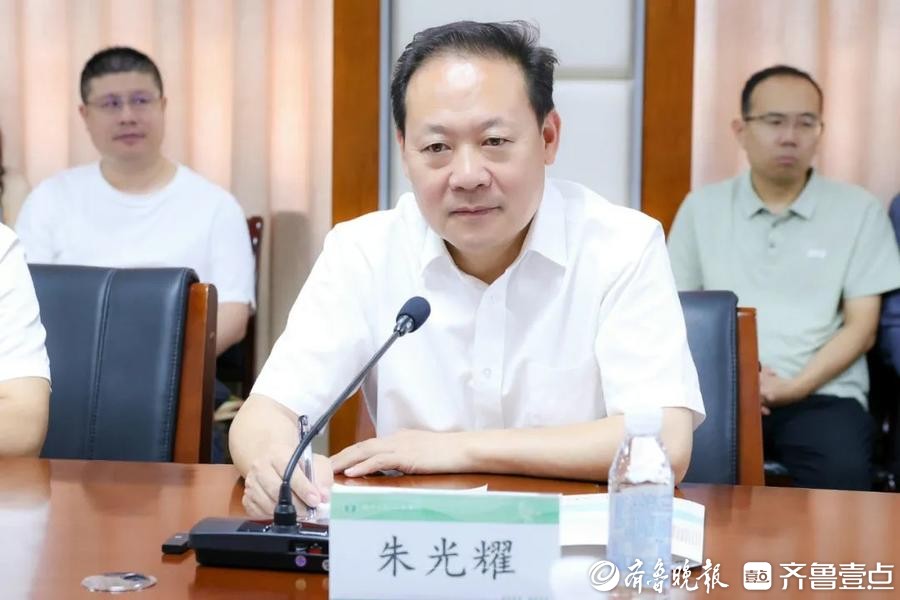
Core Viewpoint - The establishment of the oncology medical alliance between Tongji Hospital and Tengzhou Central People's Hospital represents a significant opportunity for the development of oncology disciplines, enhancing diagnostic capabilities, research levels, and regional influence in healthcare [1][8]. Group 1 - The unveiling ceremony of the oncology medical alliance took place at Tengzhou Central People's Hospital, attended by key figures from both hospitals [1]. - Zhu Guangyao emphasized the importance of joining the oncology medical alliance, highlighting the potential for improved diagnostic and treatment capabilities through collaboration with Tongji Hospital's advanced resources [1][3]. - The alliance aims to promote resource sharing, complementary advantages, and collaborative development, focusing on multi-center clinical trials and the transformation of research outcomes [3]. Group 2 - The unveiling of the "Tongji Hospital Oncology Medical Alliance Member Unit" was conducted by Yuan Xianglin and Zhu Guangyao, followed by academic exchanges on various oncology research projects [6]. - The collaboration will create a high-level platform for Tengzhou Central People's Hospital's oncology discipline, enhancing cooperation in research innovation, talent cultivation, and technical improvement [8].

暑期全周开诊,北京同仁医院启用儿童眼病综合诊疗中心
Xin Jing Bao· 2025-07-10 02:56
Core Points - Beijing Tongren Hospital has launched a comprehensive pediatric ophthalmology diagnosis and treatment center to address the needs of children with eye diseases during peak periods such as summer vacations and weekends [1] - The center integrates various medical resources including ophthalmology, pediatrics, anesthesia, and imaging, streamlining the process from appointment scheduling to pre-operative preparations [1] - The center aims to reduce the average pre-operative preparation time from 7-10 days to 2-3 days by implementing a mechanism for simultaneous examinations, assessments, and scheduling [1] - In 2024, pediatric surgeries are expected to account for 11% of all ophthalmic surgeries at the hospital, with pediatric outpatient visits making up 35% of total outpatient visits [1] - The center will also establish a leading pediatric ophthalmology research base in China, focusing on the integration of clinical and basic research, and the development of specialized diagnostic equipment and AI-assisted diagnostic systems [2] Summary by Categories Service Enhancement - The pediatric ophthalmology center operates seven days a week to meet the increased demand during holidays and weekends [1] - The center's operational model allows for seamless coordination of pre-operative checks, pediatric consultations, anesthesia evaluations, and surgical arrangements [1] Research and Development - The center will promote the translation of research findings into clinical applications, particularly in developing specialized diagnostic equipment and AI systems for conditions like myopia, strabismus, amblyopia, and rare eye diseases [2] Patient Access - Patients can book appointments through the Beijing Tongren Hospital WeChat mini-program, with availability across different locations [2]
山西一三甲医院换帅
Sou Hu Cai Jing· 2025-07-09 05:04
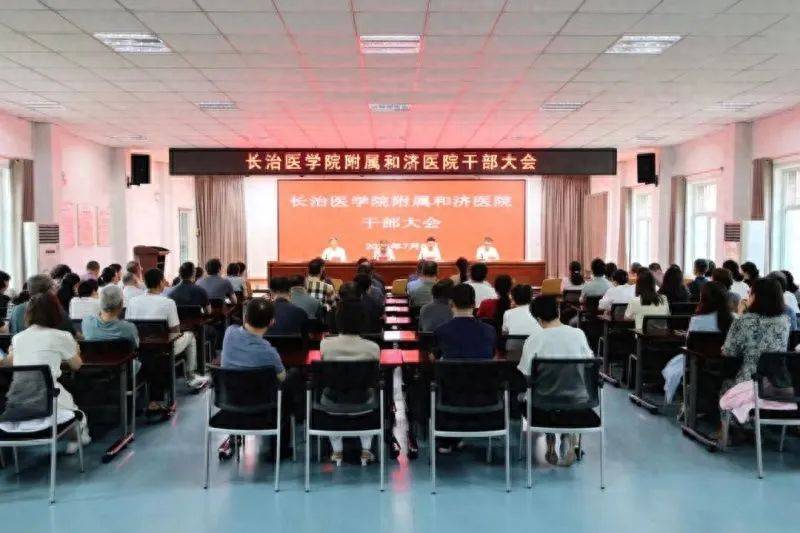
Group 1 - The meeting held on July 8 at the Affiliated Heji Hospital of Changzhi Medical College involved the appointment of Hao Shaofeng as the new Party Secretary of the hospital, replacing his previous role as Deputy Party Secretary and President [2] - The Affiliated Heji Hospital, established in August 1999, is a comprehensive tertiary hospital that integrates medical care, teaching, research, prevention, and rehabilitation, serving as a core base for clinical teaching at Changzhi Medical College [2] - The hospital currently operates under a "one hospital, two areas" development model, with the North Campus having 320 authorized beds and 300 open beds, covering an area of 18,673 square meters and a building area of 19,000 square meters [2] - The new North Campus is expected to be fully operational by January 2025, with a total land area of 69,470.04 square meters (approximately 104.21 acres) and a total building area of 76,800 square meters, significantly increasing the number of open beds to 500 [2]
三博脑科20250708
2025-07-09 02:40
Summary of the Conference Call for Sanbo Brain Science Company Overview - **Company**: Sanbo Brain Science - **Industry**: Healthcare, specifically focusing on brain-machine interface technology and neurosurgery Key Points and Arguments Financial Performance - **Revenue Stability**: Revenue for the first half of the year remained flat compared to the previous year, with growth observed in Beijing, Henan, and Fujian regions, while Kunming faced challenges due to relocation [2][3] - **Profit Growth**: Expected single-digit profit growth attributed to supply chain optimization and contributions from newly acquired hospitals, with the Chengdu hospital maintaining positive profitability [2][3] Technological Advancements - **Clinical Trials**: Successful completion of an interventional brain-machine interface trial in Fujian, with plans for another trial in Beijing [2][5] - **Research Collaboration**: Joint research projects with universities focusing on early-stage technology research for epilepsy and Parkinson's disease, with minimal fees charged [10][11] New Hospital Developments - **New Facilities**: Progress on new hospital locations, with the Beijing facility expected to relocate in Q1 2025, and the Kunming facility now operational after relocation [2][6] Industry Challenges - **Impact of DRG Payment System**: The implementation of the DRG (Diagnosis-Related Group) payment system has led to a decrease in inpatient costs by approximately 10%, necessitating an increase in patient volume to offset revenue losses [4][16] - **Market Dynamics**: A shift in patient preferences towards pharmacies and clinics due to perceived cost-effectiveness, impacting hospital visit numbers [16] Future Growth Strategies - **M&A Fund**: Establishment of a 300 million yuan merger and acquisition fund aimed at acquiring and incubating hospitals, with contributions from the company, local governments, and large pharmaceutical companies [4][13] - **Expansion Plans**: Plans to expand into the Yangtze River Delta and Pearl River Delta regions through acquisitions, with a focus on enhancing operational efficiency and service quality [16][17] Clinical Application of Brain-Machine Interface Technology - **Current Status**: The technology is in the early clinical validation stage, primarily focused on experimental verification, with applications in neuro-regulation for conditions like Parkinson's disease and epilepsy [7][9] Talent Acquisition and Incentives - **Attracting Talent**: The hospital offers flexible mechanisms and equity incentives to attract core experts, providing significant career advancement opportunities compared to traditional public hospitals [18][19] Collaboration with Universities - **Resource Utilization**: Collaboration with universities to leverage resources for research and teaching, ensuring high-quality support for clinical and academic endeavors [20] Financial Management of Acquisitions - **Risk Management**: Contracts for new acquisitions include provisions for potential risks such as Medicare deductions and legal disputes, ensuring effective management of hidden liabilities [26] Additional Important Information - **AI Integration**: Current clinical and management operations have not fully integrated AI models, with a cautious approach towards evaluating the effectiveness of such technologies [22][23] - **Patient Volume Trends**: Observations indicate a decline in hospital visits, with a notable increase in business for clinics and pharmacies [16][24] This summary encapsulates the key insights from the conference call, highlighting the company's performance, strategic initiatives, and industry challenges.

13家三甲医院数量领跑,扩张潮能否托起珠西医疗高地
Nan Fang Du Shi Bao· 2025-07-08 14:35
Core Insights - The healthcare market in Foshan is undergoing significant changes, with 13 top-tier hospitals leading the province's second-tier cities in quantity, establishing Foshan as a medical hub in the Pearl River West Bank [1][3] - The opening of the new campus of Foshan Second People's Hospital marks a pivotal moment in the city's healthcare landscape, aiming to alleviate space constraints and support the strategic expansion of medical resources [3][4] - The expansion of healthcare facilities is driven by both urbanization and the need for local hospitals to overcome market saturation and spatial limitations [6][9] Group 1: Expansion and Resource Optimization - Foshan's healthcare sector is rapidly evolving, with policies focusing on urban-rural coordination and the integration of traditional and modern medicine [2][4] - The new campus of Foshan Second People's Hospital is a key project, covering 120 acres with a total investment of 3.375 billion yuan, aimed at addressing the healthcare needs of the growing population in the western region [4][6] - The expansion trend is not isolated, as other hospitals are also increasing their capacities and services, leading to a more competitive healthcare environment [5][6] Group 2: Challenges in Healthcare Delivery - The phenomenon of patients preferring large hospitals for minor ailments indicates a systemic issue in the healthcare delivery model, where primary care facilities struggle to attract patients [8][9] - The dual challenge of resource allocation and patient retention is evident, as larger hospitals absorb patients from smaller facilities, creating a cycle of inefficiency [9][10] - The competition among hospitals has led to a homogenization of services, with many institutions offering similar specialties, which may dilute their unique strengths [10][11] Group 3: Talent Acquisition and Retention - The competition for medical talent is intensifying, with hospitals offering substantial incentives to attract skilled professionals, reflecting a broader trend in the healthcare sector [14][15] - Despite efforts to retain talent, there is a notable outflow of experienced professionals to larger cities, highlighting the challenges faced by local hospitals in maintaining a skilled workforce [15][16] - The emergence of private hospitals with capital backing is diversifying the employment landscape for healthcare professionals, further complicating the talent retention issue [16][17] Group 4: Strategic Integration and Differentiation - The establishment of integrated healthcare groups, such as the Dali Medical Group, represents a new model for enhancing service delivery and operational efficiency [18][19] - The push for differentiated services among hospitals is gaining traction, with specific institutions focusing on particular specialties to avoid internal competition and enhance patient care [19][20] - The ongoing evolution of Foshan's healthcare system will require a balance between expansion and specialization to achieve high-quality healthcare outcomes [20]
国办:推动银行、医院、电信等企事业单位的公共服务事项纳入“高效办成一件事”
news flash· 2025-07-08 11:11
Core Viewpoint - The State Council's Office has issued an opinion to establish a mechanism for the regular promotion of key matters to efficiently complete tasks, encouraging the creation of characteristic matter lists tailored to regional and industry features [1] Group 1: Implementation Strategy - The opinion encourages local governments and relevant departments to focus on high-frequency matters from the perspective of enterprises and the public [1] - It emphasizes the need to enrich and expand application scenarios in areas such as life services, industry support, engineering construction, and urban renewal [1] Group 2: Public Service Integration - The initiative aims to incorporate public service matters from banks, hospitals, telecommunications, and other enterprises into the "efficient completion of a task" framework [1] - There is a plan to establish a characteristic matter list specific to each region and industry, which will be implemented steadily [1] Group 3: Evaluation and Promotion - Matters that demonstrate significant implementation effectiveness and are suitable for replication and promotion will be included in the annual key matter list at appropriate times [1]
协和重磅启动健康减重新模式:北京协和医院多学科体重管理门诊开业
GLP1减重宝典· 2025-07-08 10:27
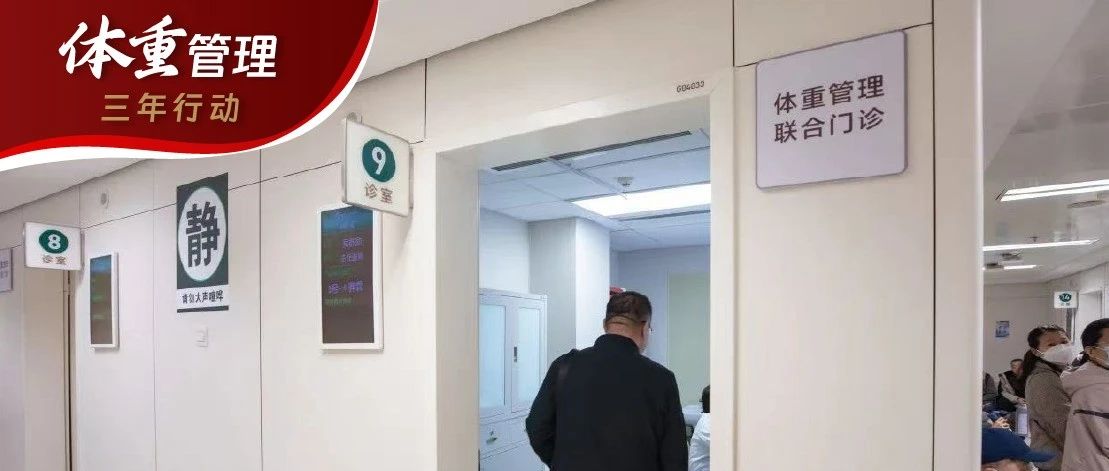
Core Viewpoint - The article emphasizes the importance of weight management in response to the "Healthy China 2030" strategy, highlighting the establishment of specialized weight management clinics in medical institutions to provide scientific guidance for residents [4][6]. Group 1: Establishment of Weight Management Clinics - The Beijing Union Medical College Hospital has launched a weight management clinic that integrates multiple disciplines, marking a shift from disease treatment to health promotion [6][8]. - The clinic aims to provide comprehensive weight management solutions through a multidisciplinary approach, addressing the rising obesity rates and associated health risks in China [8][18]. Group 2: Multidisciplinary Approach - The weight management clinic combines expertise from clinical nutrition, endocrinology, and traditional Chinese medicine to create personalized management plans for patients [8][10]. - This approach allows for a thorough assessment of patients' health conditions and the customization of interventions, including dietary guidance, exercise prescriptions, and behavioral adjustments [8][18]. Group 3: Case Studies and Patient Experiences - Case studies illustrate the effectiveness of the multidisciplinary team in treating patients with complex health issues related to obesity, such as diabetes and hypertension [10][12][14]. - Patients have reported positive experiences and outcomes from the comprehensive care provided by the clinic, emphasizing the need for collaborative efforts in weight management [12][14]. Group 4: Long-term Management and Education - The article stresses the importance of long-term weight management strategies and the need for continuous monitoring and support for patients [18][20]. - Educational initiatives are highlighted to promote healthy lifestyle choices among different age groups, particularly focusing on the role of family in guiding children towards healthy habits [20].
北京大学第三医院:以高质量服务为导向 提升患者就医体验
Ren Min Wang· 2025-07-08 06:31
Core Viewpoint - The development of public hospitals is crucial for the healthcare system in China, focusing on quality improvement and innovative management practices [1] Group 1: High-Quality Development of Public Hospitals - Public hospitals are the mainstay of China's healthcare service system and play a vital role in promoting the Healthy China initiative [1] - High-quality development involves three shifts: from scale expansion to quality enhancement, from rough management to refined management, and from material resource allocation to a focus on talent and technology [1] - The goals include improving efficiency, quality, and the treatment of medical staff, as well as establishing a new system and culture for high-quality development [1] Group 2: Patient Experience and Innovative Practices - Patient experience is a key indicator of healthcare service quality, with the introduction of an AI-based patient communication platform to enhance service delivery [2] - The hospital has implemented specialized management based on patient needs, including time-slot appointments and multidisciplinary treatment (MDT) clinics, serving over 3,000 patients annually [2] - Innovations in lymphoma treatment include comprehensive care for elderly patients and the establishment of an efficient clinical research platform, reducing new drug trial approval times to one month [2] Group 3: Integration of Insurance and Healthcare Services - The hospital has responded to the "Beijing Universal Health Insurance" initiative by implementing a doctor workstation pop-up feature to improve patient access to care [3] - The integration of basic medical insurance and supplementary health insurance enhances the clarity of treatment options for patients, particularly regarding high-cost medications [3] - This complementary insurance model not only benefits insured individuals but also promotes a sustainable healthcare system by increasing insurance participation and funding [4]
2025公立医院高质量发展系列会议在烟台毓璜顶医院举行
Qi Lu Wan Bao Wang· 2025-07-08 01:11
Group 1: Conference Overview - The conference on high-quality development of public hospitals and academic exchanges in oncology was held at Yantai Yuhuangding Hospital, featuring experts from various leading hospitals and institutions [1] - The event aimed to create a valuable platform for experts in the field of head and neck tumors, promoting standardized diagnosis and treatment in Shandong Province [1] Group 2: Key Presentations - Jiang Xue presented on the importance of transforming clinical research into practical applications, highlighting the "research-production-medical" collaborative development system established at Peking University Third Hospital [2] - Chen Xiaohong discussed advancements in immunotherapy for head and neck tumors, emphasizing the need for multi-center collaborative research to optimize treatment strategies [3] - Li Cheng shared insights on quality management and the MDT (Multidisciplinary Team) model in cancer patient management, showcasing its effectiveness in improving treatment quality and patient outcomes [4] - Song Xicheng explored the neuroscience mechanisms of head and neck tumors, detailing innovative research and the integration of basic and clinical studies [5] Group 3: Academic Discussions - A panel discussion focused on the current challenges in treating advanced head and neck tumors, with experts advocating for a patient-centered approach and the continuous development of MDT management systems [6][7] - The consensus was that the dual context of immunotherapy and big data presents both opportunities and challenges for otolaryngologists [7] Group 4: Future Directions - Song Xicheng emphasized the need for innovative operational thinking and the establishment of new management models based on clinical needs to ensure sustainable development in the field [7] - The conference concluded with a tour of the hospital's advanced research facilities, highlighting the institution's commitment to collaborative innovation and the acceleration of research outcomes [8]