
中药材

Search documents
香飘海内外!新会陈皮出海赋能千亿产业媒体发布会圆满举行
Nan Fang Nong Cun Bao· 2025-09-20 13:32
Core Viewpoint - The event highlighted the international expansion and empowerment of the Xinhui Chenpi industry, aiming to enhance its quality and digital transformation while promoting rural revitalization and economic growth [2][19]. Group 1: Event Overview - The media conference for the Xinhui Chenpi industry took place on September 19 at the Longquan Hotel International Conference Center [2]. - The event was attended by industry authorities, research institutions, financial capital, and leading enterprises [6]. Group 2: Industry Development - The Xinhui Chenpi industry has a total output value exceeding 26.1 billion yuan, supporting over 78,000 jobs with an average annual income increase of approximately 26,000 yuan per person [19][20]. - The Xinhui Chenpi is recognized as a national geographical indication product, known for its unique aroma and medicinal value due to the local soil, water systems, and climate conditions [12][14]. Group 3: Investment and Infrastructure - Asia-Pacific Health Company announced an investment of 800 million yuan to build a comprehensive Chenpi industrial park covering 53,000 square meters with over 150,000 square meters of construction area [21][22]. - The industrial park will integrate planting, processing, storage, production, sales, and cultural tourism, creating a complete industrial chain from farm to table [23]. Group 4: Technological and Regulatory Innovations - The Asia-Pacific Chenpi Industrial Park has established partnerships with 310 citrus farmers, covering approximately 40,000 acres, with a planned storage capacity of 4,500 tons [25]. - The park aims to implement a modern trading system with standards and regulations, collaborating with various authoritative organizations for quality control and cross-border trading [33][36]. Group 5: Future Prospects - The initiative aims to standardize, digitize, and internationalize the Xinhui Chenpi industry, enhancing its market presence both domestically and globally [50][51].


网络安全彩云行丨一朵红花背后的网络安全守护
Xin Hua Wang· 2025-09-20 07:10
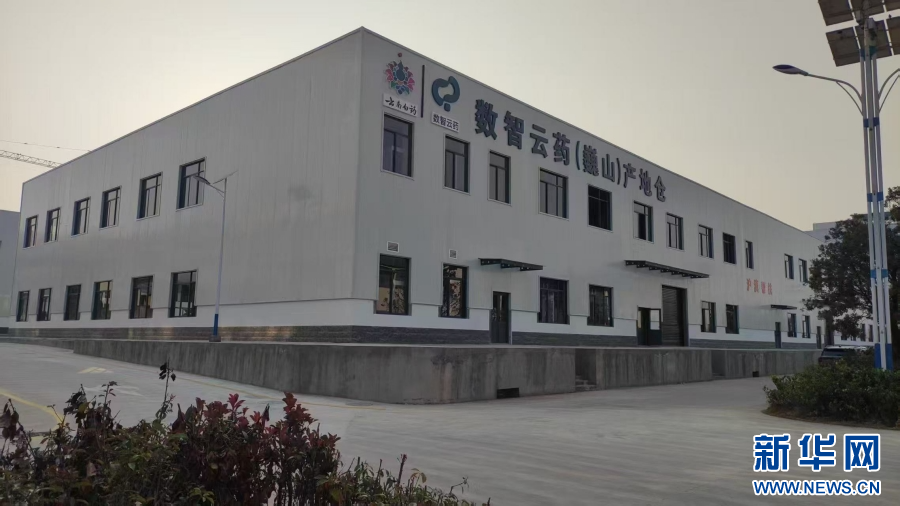
Core Insights - The "Digital Cloud Medicine" platform, developed by Wenshan Yi Autonomous County and Yunnan Baiyao Group, enhances the red flower industry through comprehensive digitalization from planting to trading, integrating cybersecurity into its core operations [1][2][4] Group 1: Digital Empowerment - The platform has achieved full digital control over the entire process, including seed sourcing, planting, processing, testing, and trading, resulting in a planting area of 28,000 acres and an average income increase of over 20% for 9,900 farmers, equating to approximately 1,600 yuan per acre [2] - The digitalization addresses previous issues of resource fragmentation, inconsistent standards, and poor information flow, transforming valuable resources into a robust industry [1] Group 2: Cybersecurity Integration - Yunnan Baiyao Group has elevated cybersecurity to a strategic priority, establishing a comprehensive information security system that includes technology, regulations, and personnel, ensuring all transactions and data are encrypted and secure [4] - The cybersecurity measures provide a reliable protective framework that safeguards farmers' financial interests and ensures data integrity throughout the digital platform [3][4] Group 3: Replication and Expansion - The "Digital Cloud Medicine" platform is not only successful in Wenshan but is also being replicated in six other counties, creating a sustainable model for digital transformation in the traditional Chinese medicine industry [6] - The integration of cybersecurity into every aspect of the red flower industry chain is seen as a crucial foundation for protecting data and transactions, thereby supporting the livelihoods of numerous farmers [6]

那曲藏源虫草有限公司成立 注册资本100万人民币
Sou Hu Cai Jing· 2025-09-16 11:51
天眼查App显示,近日,那曲藏源虫草有限公司成立,法定代表人为益西伦珠,注册资本100万人民 币,经营范围为许可项目:出售、收购国家二级保护野生植物(依法须经批准的项目,经相关部门批准 后方可开展经营活动)一般项目:保健食品(预包装)销售;食品销售(仅销售预包装食品);中草药 收购;食品互联网销售(仅销售预包装食品)(除许可业务外,可自主依法经营法律法规非禁止或限制 的项目)。 ...
种子价格最大波动达5倍 产业规模第一的云南中药材产业如何迈向国际?
2 1 Shi Ji Jing Ji Bao Dao· 2025-09-12 23:12
Core Viewpoint - Yunnan aims to develop its traditional Chinese medicine (TCM) industry into a significant economic pillar, targeting a scale of 200 billion yuan by enhancing deep processing and establishing a robust supply chain with leading enterprises like Yunnan Baiyao [1][5][7]. Group 1: Industry Development - Yunnan has a rich variety of medicinal resources, with 8,138 types of medicinal resources identified, accounting for 44.2% of the national total [4]. - The province's TCM market is experiencing a downward trend, with over 60% of monitored varieties showing price declines as of September 2025 [3]. - Despite price volatility, many farmers remain enthusiastic about cultivating medicinal herbs due to higher potential returns compared to traditional crops [3]. Group 2: Economic Transformation - The Yunnan government is focusing on transforming resource advantages into economic benefits through policies that promote the TCM industry [5][6]. - The "Three-Year Action Plan" aims for the TCM industry to maintain its national leadership, with a planting area of around 10 million mu and an annual output of over 1.5 million tons by 2027 [5][6]. Group 3: Supply Chain and Processing - Yunnan Baiyao is implementing a "six unifications" strategy to enhance the TCM supply chain, including unified planting areas and standardized management [7]. - The company has established several production bases for key medicinal herbs, aiming to retain value within the region through fresh processing [7][8]. Group 4: Market Expansion - The trend of "food and medicine homology" is gaining traction, with increasing consumer interest in health products derived from TCM, providing new market opportunities [9][10]. - Yunnan's geographical advantages and the Belt and Road Initiative are expected to enhance its role as a trading hub for TCM in Southeast Asia [11][12]. Group 5: International Trade - Yunnan has recently expanded its import capabilities for medicinal herbs, with significant volumes imported from neighboring countries, addressing domestic supply shortages [12]. - The establishment of new border ports is facilitating the trade of medicinal materials, further integrating Yunnan into international markets [11][12].
价格波动达5倍!产业规模第一的云南中药材产业如何迈向国际?
2 1 Shi Ji Jing Ji Bao Dao· 2025-09-12 10:59
Core Viewpoint - Yunnan aims to develop its traditional Chinese medicine (TCM) industry into a "second tobacco industry" with a target of a trillion yuan industry, focusing on deep processing and the role of leading enterprises like Yunnan Baiyao [1][5][6] Industry Overview - Yunnan is recognized as an ideal region for TCM cultivation due to its favorable climate and long history of planting, with a consensus that "without Yunnan medicine, no prescription can be formed" [1] - The province has a significant advantage in medicinal resources, with 8,138 types of TCM resources, accounting for 44.2% of the national total [3] - The TCM market in Yunnan is experiencing a downward trend, with over 60% of monitored varieties expected to see price declines by September 2025 [2][5] Market Dynamics - The price of TCM seeds fluctuates significantly, with variations of 4-5 times, while the price of harvested TCM can vary by 25-30% [2] - The demand for TCM is expected to increase due to the growth of the health industry and the popularity of food-medicine products among younger consumers [1][8] Policy and Development Strategy - The Yunnan provincial government has introduced plans to enhance the TCM industry, including the "Yunnan TCM Planting and Breeding Area Planning (2025-2027)" and the "Three-Year Action Plan for High-Quality Development of Yunnan TCM Industry (2025-2027)" [5][6] - The goal is to maintain a planting area of around 10 million mu, with an annual output of over 1.5 million tons and a total industry chain output value exceeding 200 billion yuan by 2027 [5][6] Company Initiatives - Yunnan Baiyao is actively involved in enhancing the TCM industry by implementing a "six unification" strategy to strengthen the entire supply chain [6][7] - The company has established several production bases and is focusing on digital platforms to facilitate direct supply from the source, with a transaction volume exceeding 1.2 billion yuan [7][8] Product Innovation - Yunnan Baiyao is developing high-value-added products, including natural fragrances and functional cosmetics derived from TCM, to meet the growing consumer demand [8][9] - The trend of food-medicine integration is gaining traction, with companies exploring the potential of TCM products in mainstream markets [9] Trade and Export Opportunities - The establishment of new border ports for TCM imports is expected to enhance trade opportunities, with Yunnan leading the nation in both import volume and value [10][11] - The region's strategic location and participation in initiatives like the Belt and Road are anticipated to further solidify Yunnan's role as a TCM trading hub for South Asia and Southeast Asia [10][11]
珍宝岛药业助力黔药出山 贵州道地药材智慧交易产销会在亳州举行
Zhong Guo Jing Ji Wang· 2025-09-10 10:37
Group 1 - The event "Guizhou Medicine Goes Out, Accumulated 'Bo' Development" was held in Bozhou, focusing on linking Guizhou's high-quality traditional Chinese medicine resources with the largest trading market in the world [1] - Over 200 representatives from the governments of Guizhou and Anhui, industry associations, and enterprises attended the event, indicating strong willingness for production and sales connections [1] - The current status, advantageous varieties, and future development plans of Guizhou's traditional Chinese medicine industry were comprehensively introduced during the event [1] Group 2 - A significant promotion of Guizhou's representative enterprises showcased the quality characteristics and industrial advantages of local medicinal materials such as Tianma, Huangjing, Taizishen, and Banxia [1] - The Bozhou Traditional Chinese Medicine Commodity Trading Center's Vice President highlighted the large-scale traditional Chinese medicine trading platform, emphasizing a "six unification" operational model to enhance transaction processes through digital means [1] - A signing ceremony for strategic cooperation units concluded the event, resulting in multiple collaborations between Guizhou and the Bozhou Traditional Chinese Medicine Commodity Trading Center [1] Group 3 - In addition to the promotion event, over 100 Guizhou enterprises participated in a large exhibition at the trading center, showcasing a 2000 square meter exhibition area featuring local medicinal materials and specialty agricultural products [2] - The exhibition included experience zones for Miao and Yao medicine therapies, tea tasting areas, and performances of ethnic dances, enriching the cultural experience at the Bozhou Medicine Expo [2]

【高质量发展调研行】从深山“土疙瘩”到现代“黄金液” | 德江天麻冲向10亿级产业势头正足
Sou Hu Cai Jing· 2025-09-05 06:40
Core Insights - The transformation of traditional agricultural products, specifically the local herb Tianma, into modern consumables like Tianma drink showcases the potential for value addition in rural industries [14] - The local government is actively promoting the Tianma industry as a key economic driver, leveraging recent policy changes to enhance production and market reach [7][14] Industry Overview - Dejiang County, known as the "Hometown of Tianma," has a long history with the herb, which was recognized as a tribute to the imperial court during the Qing Dynasty and received national geographical indication certification in 2007 [3][4] - The region's natural conditions, including high altitude and fertile soil, contribute to the superior quality of Tianma, with active ingredients ranging from 0.36% to 1.3%, exceeding the national standard of 0.25% [4] Production and Innovation - The establishment of a new production line by Hongpin Tianma Industry Development Co., with an investment of 5.4 million yuan, aims to produce 2.4 million bottles annually, reflecting a significant increase in production capacity [8][10] - The introduction of ready-to-drink Tianma products has led to a rapid increase in sales, with retail revenue surpassing 200,000 yuan within three days of launch [8][10] Market Development - The Tianma industry in Dejiang has evolved from simple processing to a comprehensive value chain, including production, initial processing, deep processing, and sales, with an annual output value nearing 600 million yuan [10] - The diversification of Tianma products into various forms, such as Tianma liquor, noodles, and drinks, has led to the registration of over ten trademarks, enhancing brand recognition [10] Strategic Goals - The local government aims to develop the Tianma industry into a 1 billion yuan sector, focusing on high-quality development through demonstration projects, brand creation, and market expansion [13][14] - The recent inclusion of Tianma in the list of food and medicinal sources has opened new opportunities for the industry, prompting strategic planning and innovation from local authorities [7][14]
别不信!懂行的人都在抢5年参龄的西洋参!
凤凰网财经· 2025-09-03 13:58
Core Viewpoint - The article emphasizes the importance of the age of ginseng, particularly focusing on the benefits of 5-year-old western ginseng, which is considered to have peak nutritional value and efficacy [3][81]. Group 1: Product Quality and Standards - The company insists on using only 5-year or older western ginseng, ensuring that the ginseng's saponin content reaches its peak, which can be around 7.88%, significantly higher than that of younger ginseng [81][79]. - Each piece of ginseng undergoes strict testing to ensure that the saponin content exceeds national standards, providing consumers with confidence in the product's quality [5][62]. - The ginseng is sourced from Canada, specifically from the Ontario region, known for its fertile soil and optimal growing conditions, which contribute to the high nutritional content of the ginseng [12][65]. Group 2: Nutritional Benefits - Scientific research indicates that ginseng aged 5 years or more contains higher levels of active ingredients, such as saponins and polysaccharides, which double the health benefits compared to younger ginseng [3][81]. - The article highlights that western ginseng is suitable for various demographics, including young people for skin health and older adults for energy and vitality [29][27]. Group 3: Unique Selling Proposition - The product features thick-cut slices (1mm thick and 14-16mm in diameter), which not only enhance visual appeal but also retain more active ingredients during brewing, allowing for prolonged nutrient release [19][21]. - The packaging is designed for convenience, with individually sealed portions that maintain freshness and are easy to carry, making it suitable for busy professionals [88][90]. Group 4: Market Positioning and Pricing - The article mentions that comparable imported western ginseng typically retails for 1200-1500 yuan per kilogram, while this product is offered at a promotional price of 99 yuan for a gift box, making it an attractive option for consumers [31][34]. - The brand, Hong Kong Baozhilin, has a century-long history and is recognized for its commitment to quality, positioning itself as a trusted name in the market [26][50].

2025年6月中国中药材进出口数量分别为1.94万吨和1万吨
Chan Ye Xin Xi Wang· 2025-08-28 01:27
Core Insights - The report by Zhiyan Consulting provides an overview of the Chinese traditional Chinese medicine (TCM) material industry from 2025 to 2031, highlighting market trends and assessments [1] Import and Export Data - In June 2025, China's TCM material imports amounted to 19,400 tons, representing a year-on-year decrease of 4.6%, while the import value reached 4 million USD, showing a year-on-year increase of 21.9% [1] - In June 2025, China's TCM material exports totaled 10,000 tons, reflecting a year-on-year decline of 7.5%, with an export value of 7.3 million USD, which is a year-on-year decrease of 13.4% [1] Statistical Analysis - The report includes statistical charts detailing the import and export conditions of TCM materials over the past year, sourced from Chinese customs and organized by Zhiyan Consulting [1]

甘肃省陇西县 全产业链赋能“千年药乡”高质量发展
Jing Ji Ri Bao· 2025-08-23 15:43
Core Viewpoint - Gansu Province's Longxi County is leveraging its rich natural resources and historical background to develop a comprehensive traditional Chinese medicine (TCM) industry, aiming for a total industry output value of 38.1 billion yuan by 2024, significantly contributing to local farmers' income [1] Group 1: Industry Development - Longxi County has established a full-chain development model for TCM, including standardized planting, deep processing, large-scale warehousing, market transactions, and international branding [1] - The county has built 556,600 acres of medicinal herb sources, with 431,000 acres under standardized cultivation, promoting "organic, green, and authentic" as key labels for Longxi herbs [2] - Longxi's TCM processing industry is undergoing a significant upgrade, with 31 well-known companies establishing operations in a 9-square-kilometer TCM circular economy industrial park, supported by an investment of 3.5 billion yuan [3] Group 2: Quality and Storage - Longxi County has enhanced its storage capabilities, achieving a static storage capacity of 1.2 million tons and a turnover of 2 million tons annually, utilizing advanced technologies for quality assurance [4] - The county has implemented a comprehensive quality monitoring system, ensuring traceability from production to consumption, which is crucial for maintaining the safety of TCM products [7] Group 3: Market and Trade - Longxi is developing a national TCM trading hub, with a new market that spans 180 acres and accommodates over 3,000 dealers, facilitating a daily transaction of 350 tons of raw herbs [5] - The Gansu TCM Trading Center, launched in 2018, has become a national model for supply chain innovation, with annual trading volumes nearing 1 million tons and a transaction value of approximately 20 billion yuan [6] Group 4: Branding and Recognition - Longxi County is actively building its brand as "China's Medicine Capital," with various products and services registered as trademarks, enhancing its competitive edge in the TCM market [7] - The county has hosted multiple high-profile TCM industry events, further promoting its reputation and products on a national scale [7]