Robotics

Search documents
人形机器人何以“跑得快”(记者手记)
Ren Min Ri Bao· 2026-01-22 03:00
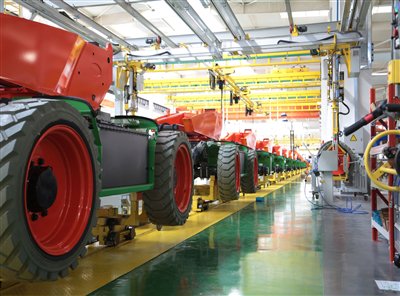
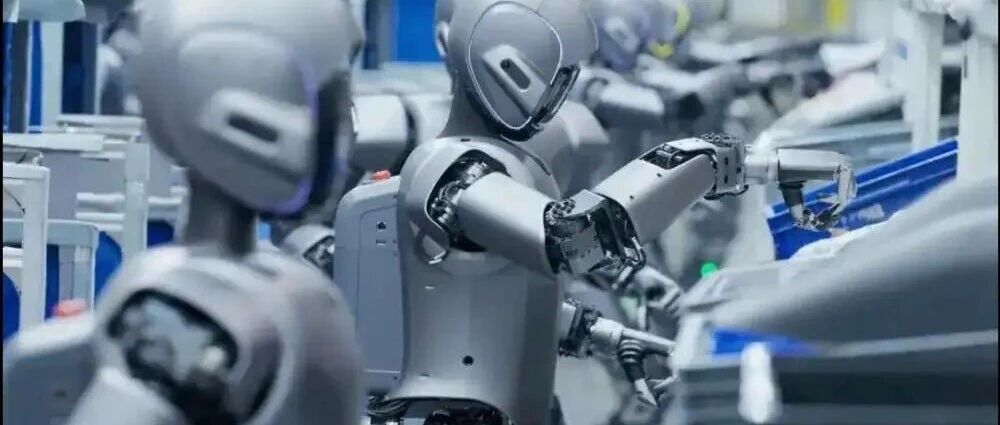
Core Insights - The number of humanoid robot manufacturers in China has exceeded 140, with over 330 products launched in the year [1] - The year 2025 is anticipated to be a milestone for mass production of humanoid robots, showcasing their applications in various sectors from entertainment to manufacturing [1] - The development of core technologies such as large models, integrated joints, and computing chips has laid a solid foundation for the industry [1] Industry Development - The humanoid robot industry is experiencing rapid evolution, driven by technological advancements and the establishment of a standardization committee by the Ministry of Industry and Information Technology in 2025 [1] - Over 70 leading companies and research institutions are collaborating to build a standard system, fostering a healthy ecosystem for the industry's growth [1] - Humanoid robots are increasingly becoming integral to production lines, replacing hazardous manual labor and enabling flexible manufacturing [1] Future Outlook - The continuous maturation of technology and expansion of application scenarios are expected to cultivate more dynamic new entrants in the humanoid robot sector [2]

杭州2025年GDP超2.3万亿元
Hang Zhou Ri Bao· 2026-01-22 02:50
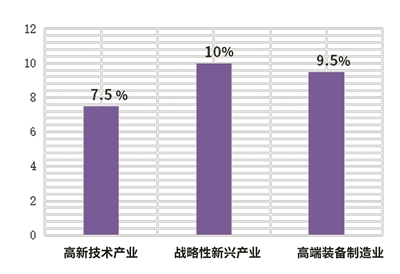
Economic Growth Overview - Hangzhou's GDP reached 2.3011 trillion yuan in 2025, growing by 5.2% year-on-year, surpassing the national growth rate [5] - The city aims to achieve a GDP of 3 trillion yuan and a per capita GDP exceeding 30,000 USD by 2030, laying a solid foundation for these targets [5] Industrial Performance - The industrial added value for large-scale industries grew by 6.0%, with high-tech industries, strategic emerging industries, and high-end equipment manufacturing increasing by 7.5%, 10.0%, and 9.5% respectively [5] - The computer communication and other electronic equipment manufacturing sectors saw a growth of 13.4%, while the automotive manufacturing sector experienced a significant increase of 36.7% [5] Emerging Technologies - New energy vehicle production surged by 383.0%, while industrial robot and 3D printing equipment production increased by 38.6% and 15.1% respectively, showcasing the success of Hangzhou's "digital-physical integration" strategy [6] Service Sector Contribution - The service sector's added value reached 1.6997 trillion yuan, accounting for 73.8% of GDP, with a growth rate of 5.3% [6] - Key digital economy enterprises like Alibaba and Ant Group are driving growth, with Alibaba's "cloud + AI" strategy supporting the national large model industry [6] Export and Domestic Demand - Total foreign trade exports reached 646.9 billion yuan, growing by 8.7%, driven by local enterprises expanding overseas [7] - Domestic consumption also showed strong growth, with retail sales of consumer goods reaching 949.9 billion yuan, reflecting a shift towards high-end, intelligent, and quality products [8] Overall Economic Strategy - Hangzhou's economic growth is characterized by a systemic high-quality development driven by new productive forces, integrating industrial upgrading with service innovation [8] - The city is positioned as a hub for private economic development, with local enterprises playing a crucial role in market innovation [9]

中国工业 - 2026 年展望:人形机器人商业化-China Industrials -2026 Outlook – Humanoids Commercialization
2026-01-22 02:44
Summary of the Conference Call on China Humanoid Robotics Industry Industry Overview - **Industry Focus**: The humanoid robotics industry in China is expected to undergo significant commercialization in 2026, with component suppliers poised to benefit first from this growth [1][4] - **Sales Forecast**: The sales volume forecast for China humanoid robots has been doubled from 14,000 to 28,000 units for 2026, with business sales expected to be the primary driver [2][32] Key Highlights for 2026 1. **Revenue Growth**: Component companies are anticipated to see increased revenues and profits from humanoid robots, with Leaderdrive expected to contribute 25%-30% of its revenue from humanoids in 2026/27 [4][21] 2. **Market Dynamics**: The industry is experiencing a shake-out and consolidation phase, with a focus on finding viable commercialization cases for integrators [9] 3. **Cost Deflation**: The average Bill of Materials (BoM) costs in China are projected to decline by 16% year-over-year, despite increasing specifications, due to economies of scale [9][49] 4. **Technological Focus**: The development of 'brain' technology is becoming a key focus, shifting from hardware to software advancements [9] 5. **Global Expansion**: As commercialization begins in China, the industry is expected to go global [9] 6. **Stock Market Volatility**: The market is likely to experience catalyst-driven volatility, particularly with humanoid integrator IPOs [9] 7. **Non-Humanoid Forms**: Non-humanoid robots are expected to see faster near-term commercialization, offering better immediate ROI [9] Financial Projections - **Market Size**: The humanoid market in China is projected to grow to $480 billion by 2040, with a compound annual growth rate (CAGR) of 72% [34][35] - **Component Market**: The global humanoid component market is expected to reach $780 billion by 2040, with a CAGR of 52% [39][20] Risks and Challenges - **Commercialization Delays**: Key risks include potential delays in commercialization and production by leading humanoid companies, as well as changes in technology routes [4] - **Market Sentiment**: The market sentiment may be affected by the fading hype around R&D and entertainment applications, which are expected to weaken in 2026/27 [31] - **Data Bottlenecks**: The effectiveness of humanoid robots is still limited by data availability and the need for robust foundational models [56] Stock Implications - **Updated Stock List**: A total of 46 companies are included in the updated China humanoid value chain stock list, with notable mentions such as Hengli Hydraulic, Inovance, and Shuanghuan [4][28] - **Investment Recommendations**: Companies like Leaderdrive are expected to benefit significantly from the humanoid market, with specific revenue contributions forecasted [4][21] Conclusion The humanoid robotics industry in China is on the brink of significant growth, with a strong emphasis on commercialization and technological advancements. However, potential risks related to delays and market sentiment must be closely monitored as the industry evolves.
中国人形机器人 - 参考汇川技术的经验-China Humanoid Robot Read-Across from Veichi Electric
2026-01-22 02:44
Summary of Key Points from the Conference Call Industry and Companies Involved - **Industry**: Humanoid Robotics - **Companies Mentioned**: - Veichi Electric (688698.SS) - Hengli Hydraulic (601100.SS) - Leader Drive (688017.SS) - Rongtai Electric (603119.SS) Core Insights and Arguments 1. **Veichi Electric's Confidence**: Management expressed greater confidence in the production ramp of a leading US humanoid robot maker compared to Chinese clients, citing rigorous product development progress [1] 2. **Production Capacity Projections**: The US client's capacity requirement is projected to increase tenfold in 2027, from 1,000 units per week in 2026 to 10,000 units per week [1][3] 3. **Joint Venture in Thailand**: Veichi announced a joint venture with Rongtai Electric in Thailand to meet the US client's requirement for components produced outside of China [3] 4. **Micro Motor Requirements**: The latest version of the US humanoid robot requires 44 micro motors for dexterous hands, with a configuration of 22 degrees of freedom (DoF) per hand [3] 5. **Capacity Readiness Timeline**: The US client has requested Veichi to prepare its capacity by the first half of 2026, aligning with industry expectations [3] Additional Important Information 1. **Investment Preferences**: The report suggests a preference for component makers like Hengli Hydraulic and Leader Drive, which are positioned to benefit from the growth in the US humanoid robotics market [1] 2. **Valuation Metrics**: - Target price for Hengli Hydraulic is set at Rmb135.0 based on a P/E ratio of 52x for 2026E [6] - Target price for Leader Drive is Rmb233, reflecting a P/E of 233x for 2026E [8] 3. **Risks Identified**: - For Hengli Hydraulic: Risks include weaker demand for components and lower profitability due to production scale issues [7] - For Leader Drive: Risks include slower growth in the automation market and higher raw material costs [9] This summary encapsulates the key points discussed in the conference call, highlighting the developments in the humanoid robotics industry and the strategic positioning of the companies involved.


让机器人拥有本能反应!清华开源:一套代码实现跑酷、野外徒步两大能力
量子位· 2026-01-22 02:12
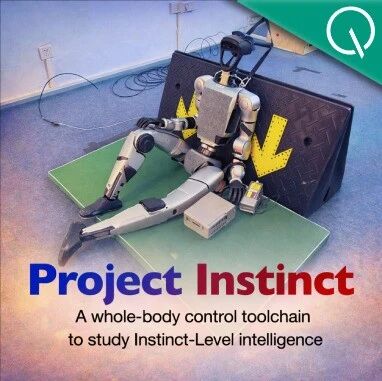
清华MARSLab团队 投稿 量子位 | 公众号 QbitAI 实现人形机器人高速跑步(2.5m/s)跨越障碍物/翻越较高障碍 核心定位:为"本能级"运动智能研究而生 人形机器人的"本能级"智能,指的是像人类一样无需预设轨迹,能通过实时感知自主应对复杂环境的能力——比如看到障碍自动调整跳跃姿 势,踩在楼梯边缘下意识保持平衡。 但长期以来,这类研究面临两大痛点:一是 "感知与运动割裂" ,要么能感知地形却只会简单行走,要么能做高难度动作却"眼盲";二是 "工具链不通用" ,高动态动作与野外locomotion研究需单独搭建环境,适配成本极高。 如何让机器人同时具备"本能反应"与复杂运动能力? 清华大学交叉信息研究院与上海期智研究院联合推出的Project-Instinct框架,给出了一个新答案。 ——专为"本能级"人形机器人运动智能研究设计,以模块化、可灵活配置的全链路工具包,让科研人员无需重复造轮子,专注突破核心技 术。 Project-Instinct旨在以"统一框架+灵活配置"打破僵局: 整套工具包从算法设计、环境搭建到真机部署,全链路围绕"本能级"智能核心,既支持高动态多接触动作的精准训练,也能适配野外 ...
机构:人形机器人产业发展加速
Zheng Quan Shi Bao Wang· 2026-01-22 00:55
Group 1 - The Ministry of Industry and Information Technology (MIIT) will continue to promote innovation and iterative upgrades in humanoid robot technology, aiming to drive the development of the broader computing intelligence industry [1] - The MIIT plans to enhance support for humanoid robots through the National Artificial Intelligence Industry Investment Fund and establish an open-source community for humanoid robots [1] - The humanoid robot industry is expected to open up a market space broader than that of automobiles, presenting significant investment opportunities as the industry transitions from "0 to 1" [1] Group 2 - The humanoid robot industry is accelerating, with advancements announced at CES, including NVIDIA's new models and platforms aimed at enhancing robot learning and training processes [2] - Major companies, both domestic and international, are expected to achieve breakthroughs in perception, decision-making, and execution, seizing first-mover advantages in the humanoid robot sector [2] - The industry is poised to transition from laboratory experiments to large-scale commercial applications, marking a new phase in humanoid robotics [2]

大批头部机器人企业涌入广东
2 1 Shi Ji Jing Ji Bao Dao· 2026-01-22 00:02
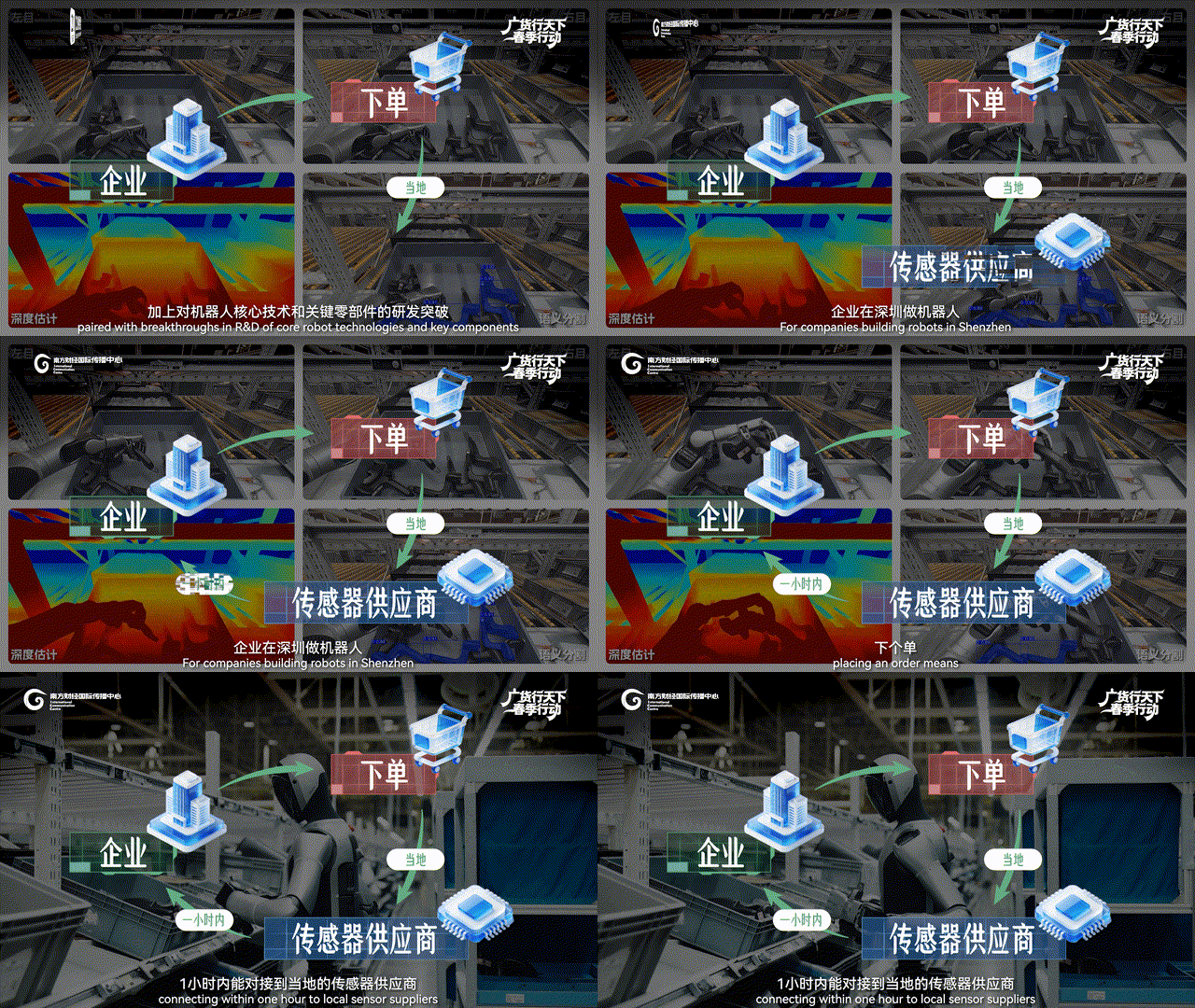
Core Insights - The article highlights the rapid development of the robotics industry in Guangdong, showcasing its transformation into a world-class industrial cluster, particularly in humanoid robots and automation solutions [1][2][6] Group 1: Industry Growth and Market Position - Guangdong holds approximately 63% of the global humanoid robot supply chain, with significant contributions from local manufacturers [1] - The region has over 160,000 robotics-related enterprises, leading the nation in this sector [1] - The speed of innovation in the Greater Bay Area is reportedly 30 times faster than Silicon Valley, with costs being only a fraction of those in the U.S. [2] Group 2: Technological Advancements and Ecosystem - Companies in Guangdong have achieved breakthroughs in core technologies and key components for robotics, enabling rapid prototyping and order fulfillment [2][4] - The unique mechanism of talent flow between academia and industry fosters innovation, allowing for effective commercialization of intellectual property [4] Group 3: Strategic Development Plans - Guangdong aims to develop "Artificial Intelligence + Robotics" into a high-tech, high-growth, and large-scale industrial cluster, targeting the creation of multiple trillion-yuan and hundred-billion-yuan industry clusters [7]
广东机器人进化:从七剑客到群英荟
2 1 Shi Ji Jing Ji Bao Dao· 2026-01-21 23:53
Group 1 - The core idea is the rapid development and commercialization of humanoid robots in Guangdong, which is becoming a global leader in the robotics industry, similar to how electric vehicles evolved a decade ago [1][2] - Guangdong holds approximately 63% of the global humanoid robot supply chain, with significant contributions from local companies, particularly in industrial and service robots [1][2] - The region's robotics industry is characterized by a robust supply chain and technological advancements, enabling rapid prototyping and order fulfillment [2][4] Group 2 - Guangdong's unique innovation ecosystem facilitates talent mobility between academia and industry, promoting entrepreneurship and technology commercialization [4] - Major robotics companies are increasingly establishing operations in Guangdong, contributing to a competitive environment with a diverse range of high-quality robotics firms [5] - The province aims to develop "Artificial Intelligence + Robotics" into a high-tech, high-growth industrial cluster, targeting the creation of trillion and hundred billion yuan-level industry clusters [6]
大批头部机器人企业涌入广东
21世纪经济报道· 2026-01-21 23:50
过去一年里 你可以像在汽车4S店买汽车一样买机器人、定制机器人 这个造型科幻的门店 就是 全球首家机器人6S店 走进去就能帮大家实现这个愿望 你有没有在网上刷到过 机器人 表演、跑步、进厂打工 的画面? 是否想过,未来有一天 明星演唱会伴舞、各类展会策划的机器人 都可以在这里租赁、个性化定制 千人千面的解决方案 让机器人真正成为万能场景工具 2025年之于人形机器人 就像十年前之于新能源汽车 "造人运动"从PPT走到舞台、走向车间 在全球人形机器人供应链中 中国占据了约63%的份额 这其中 每3台工业机器人、每8台服务机器人中 就有1台来自广东 广东机器人相关企业 超16万家 ,居全国第一 机器人这一"新广货"正在以前所未有的速度和魄力 向世界展示广东实力与创新力 这是广东机器人以 市场驱动、场景反推 为模式的 创新路径结出的成果 2025年年初 广东机器人"七剑客" 横空出世,名动江湖 一年过去了 我们再次来到深圳机器人谷 这条创新走廊已经 "群星璀璨" 站在它背后的广东机器人企业 更是不断落地拿单 刷新着一项项全球纪录 让人好奇的是 短短几年时间 广东机器人产业到底为何一跃成为世界级产业集群? "大湾区的 ...
推动湖州从长三角“地理中心”向“科创中心”跃升
Xin Lang Cai Jing· 2026-01-21 23:41
Group 1 - The core viewpoint emphasizes the transformation of Huzhou from a geographical center in the Yangtze River Delta to a technology innovation center, driven by scientific and technological innovation [5][13] - Huzhou's R&D expenditure as a percentage of GDP reached 3.5%, ranking third in the province, with a historical high of 371 million yuan in funding secured [5] - The city has established a "first-use, then-transfer" model for technology commercialization, which has led to the creation of seven innovation pools covering various industries and 823 items included in the pool [6][7] Group 2 - Huzhou has incubated 39 technology companies with a local conversion rate of 97%, and has built concept verification centers to facilitate the initial stages of technology commercialization [7] - The city has accelerated technology investment, signing 31 projects with a total investment of 22.424 billion yuan in 2025, focusing on sectors like semiconductors and optoelectronics [8] - Major projects include a 9 billion yuan micro-cavity electronic paper display project and an 11.75 billion yuan intelligent logistics equipment factory, showcasing significant investment in emerging industries [9] Group 3 - Huzhou's technology financing environment has improved, with a 19.26% year-on-year increase in loans to technology enterprises, totaling 137.8 billion yuan [11] - The city has introduced a technology financial advisor system, serving over 360 technology companies and addressing financing needs of 1.5 billion yuan for 100 companies [12] - Huzhou is fostering a talent flow mechanism through a "multi-track system," enhancing collaboration between universities and enterprises, and has selected 249 "technology vice presidents" to promote talent mobility [12][13]