
人形机器人产业

Search documents
人形机器人开始“找工作”了
格隆汇APP· 2026-03-27 12:16
Core Viewpoint - The humanoid robot industry is transitioning from mere demonstration to practical applications, with recent shipment volumes exceeding 10,000 units and a growing number of application scenarios, indicating a shift towards real-world implementation [5]. Market Size and Global Landscape - According to market research, global humanoid robot shipments are expected to exceed 14,500 units by 2025, with nearly 90% coming from Chinese companies [7]. - Although overall shipment volumes are still small, this indicates that domestic companies have developed advantages in large-scale production, cost control, and supply chain integration [8]. - Foreign manufacturers maintain competitiveness in technology accumulation, brand influence, and high-end products, but their overall shipment volumes are lower than those of Chinese companies [9]. - The global market exhibits a "head concentration, tail dispersion" pattern, where a few leading companies control core technologies and production capabilities, while smaller firms focus on component development or specific application areas [9]. - Domestic companies prioritize functional implementation, cost optimization, and mass production, leading to a numerical advantage in the market, while foreign companies excel in technological depth and brand premium [10]. Application Scenario Evolution - Initially, humanoid robots were primarily used for research and demonstration purposes, but commercialization is becoming a key focus as technology matures and costs decrease [12]. - Current major application scenarios include warehousing logistics, industrial inspection, commercial services, and education and training [13]. - In warehousing and logistics, robots can perform tasks such as handling, sorting, and repetitive operations, significantly reducing labor intensity [13]. - In industrial inspection, humanoid robots can replace human operations in high-frequency inspections, equipment monitoring, and hazardous environments, enhancing safety and efficiency [14]. - Commercial service scenarios involve guiding and providing information in hotels, exhibition halls, or shopping centers, improving user experience through voice interaction and mobile navigation [14]. - The education and research market still has some demand but is relatively small, mainly concentrated in university laboratories or a few training institutions [15]. - Overall, the industry is transitioning from mere demonstration to functional, deployable applications, with a clear trend towards diversified application scenarios [16]. Domestic Industry Chain Status - The domestic humanoid robot industry chain is relatively complete, encompassing complete machine manufacturing, core components (motors, sensors, control systems), software algorithms, and service ecosystems [18]. - There are over 30,000 companies in China engaged in the research and production of humanoid robots and related components, forming a dense supply chain layout [19]. - Leading companies like Unitree Robotics and AgiBot dominate in terms of complete machine shipment volumes and brand recognition, while smaller firms focus on specific components or customized solutions [19]. - A complete industry chain enables domestic companies to achieve advantages in cost control, localization of components, and large-scale production, with costs for servos, gait control, and visual recognition systems having decreased by approximately 30% [20]. - However, overall mass production levels and the self-sufficiency rate of high-end components remain limited, with some core technologies still reliant on imports [21]. Technical and Cost Challenges - Humanoid robots face dual challenges of technology and cost in practical applications [25]. - Technological challenges include autonomous motion control, adaptability to complex environments, multi-task execution, and stability, with current commercial robots still facing instability in staircases, complex terrains, and high-frequency multi-task scenarios [25]. - Cost-wise, commercial humanoid robots are generally priced between 80,000 to 150,000 RMB, significantly higher than traditional automation equipment, limiting large-scale deployment [25]. - High component costs, long R&D cycles, and customization demands are primary factors contributing to these costs [25]. - Additionally, the industry lacks unified standards and safety regulations, posing compliance risks for cross-industry applications, especially in service scenarios involving privacy and safety issues [25]. Market Potential and Growth Path - Market research predicts that the global humanoid robot market size is expected to grow from approximately 13,000 units in 2025 to around 50,000 units by 2030, with a market size nearing $2 billion [27]. - The growth path exhibits a phased characteristic, initially focusing on pilot orders and specific commercial applications, followed by gradual expansion in industrial, logistics, and commercial service scenarios [27]. - The domestic market has significant potential, particularly in logistics and warehousing, where the annual parcel handling volume in China's express and e-commerce sectors exceeds 100 billion units, indicating substantial efficiency and cost optimization opportunities [27]. - Future trends may include increased localization of components, expanded multi-scenario applications, enhanced intelligent collaboration capabilities, and accelerated industry chain integration [27]. Comparison of Domestic and Foreign Enterprises - Domestic companies have advantages in complete machine manufacturing and cost control, enabling them to offer high-quality, cost-effective products, but they lag behind foreign leaders in high-end algorithms, gait optimization, and adaptability to complex environments [29]. - Foreign manufacturers have clear advantages in technological depth, brand influence, and research capabilities, but they face disadvantages in mass production and cost control [30]. - This disparity results in a numerical advantage for the domestic market while foreign markets excel in high-end brand premiums and research applications [30]. - Investment observations should focus on the localization rate of components, mass production capabilities, and scenario implementation abilities of leading domestic companies, while also monitoring foreign manufacturers' technological innovations, brand developments, and high-end applications [31]. Overall Industry Outlook - The humanoid robot industry remains in its early stages, with limited market size, but technological iterations and application scenarios are advancing [34]. - Domestic companies possess certain advantages in complete machine manufacturing and component cost control, while foreign companies are stronger in technological depth and brand influence [35]. - The industry development exhibits a phased characteristic, transitioning from demonstration and research to controllable commercial applications, and then expanding into industrial, logistics, and service scenarios [35]. - Observations of the industry should center on data, application validation, and industry chain maturity, while being cautious of short-term market fluctuations and speculation [35].

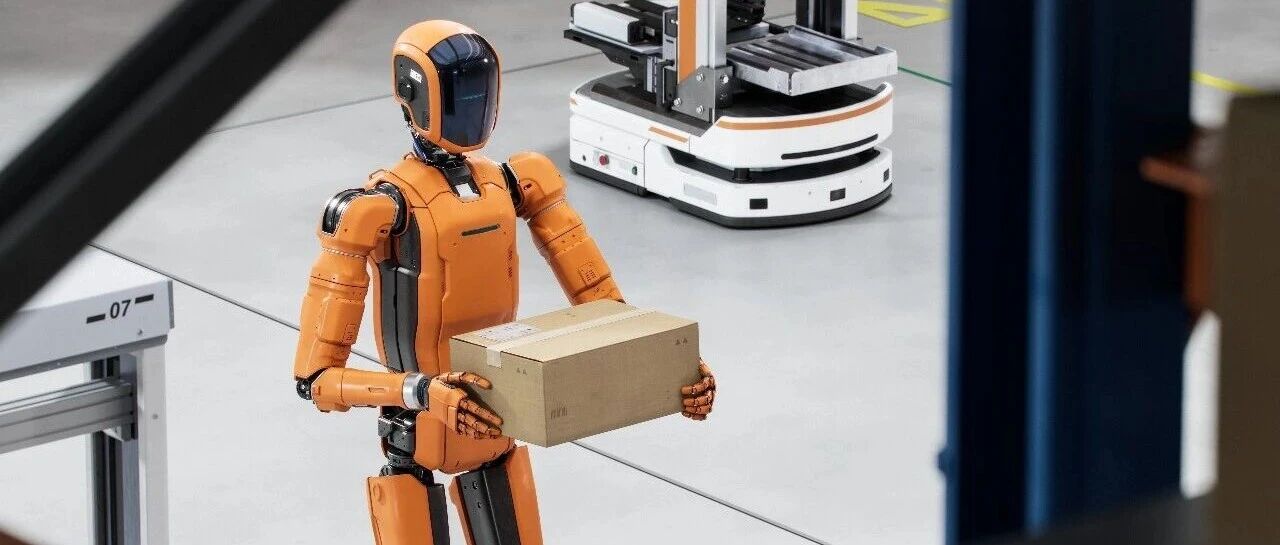
人形板块回调后的布局机遇-机器人掘金电话会议
2026-03-16 02:20
Summary of Key Points from the Conference Call on Humanoid Robotics Sector Industry Overview - The humanoid robotics sector has experienced a significant pullback of 20%-25% after a prior increase of 2-4 times, indicating a potential left-side entry point for investments as current valuations have absorbed pessimistic expectations [1][2] - The upcoming Tesla V3 launch in April 2026 is anticipated to be a core catalyst, showcasing advancements in dexterous hands and AI, which could revise market expectations from 1 million units to a potential 2-5 million units in the long term [1][2] Core Insights and Arguments - The investment paradigm for 2026 is expected to shift towards differentiation, prioritizing companies with confirmed supply chains for V3 and those with customer barriers and deep applications in downstream scenarios, such as Hangzhou Forklift Group and Yongchuang Intelligent [1] - Ampelron is identified as a leader in force sensors, with the V3 version's unit value projected to rise to 12,000 yuan, corresponding to a market size of 12 billion yuan for 1 million robots; the company's target market cap is estimated between 16 billion to 30 billion yuan [1][7] - Zhaowei Electromechanical is highlighted for its core role in the Tesla and Figure supply chains, with expected profits of 400-500 million yuan in 2026, driven by over 30% growth in automotive and AI home business [1][9] Market Dynamics and Sentiment - The humanoid robotics sector has faced a significant correction due to three main factors: crowded trading, pessimistic market sentiment regarding the industry's bottlenecks, and a shift in investment focus towards faster-return themes like North American power shortages and commercial aerospace [2][3] - Historical data suggests that the sector typically experiences pullbacks of 20%-25%, which has been reached, indicating limited further downside potential [2] - The market sentiment is expected to shift from extreme pessimism to neutrality or even optimism if short-term catalysts emerge, particularly around Tesla's V3 release [3][4] Potential Catalysts - Key short-term catalysts include the release of Tesla's V3 video and the actual production figures for 2026, with three potential market reactions based on the V3 release outcomes: 1. Exceeding expectations could lead to a rapid shift in sentiment and an upward revision of long-term unit expectations [3] 2. Meeting expectations would likely stabilize the market and reinforce confidence in Tesla's production capabilities [3] 3. Falling short of expectations could maintain downward pressure on the sector, although the long-term outlook remains positive [4] Investment Focus for 2026 - The investment focus for 2026 is expected to diverge from the previous two years, with a greater emphasis on companies that are confirmed suppliers for V3 and those with high barriers to entry in sensor technology [4][5] - Companies with strong customer orders and performance capabilities, particularly those already engaged with Tesla, are prioritized [5][6] - The importance of data and application scenarios is emphasized, with companies like Hangzhou Forklift Group and Yongchuang Intelligent being highlighted for their understanding of downstream applications [5][6] Company-Specific Insights - Ampelron's sensor business is projected to grow significantly, with a conservative estimate of 11 billion yuan in option value for its humanoid robotics segment, alongside a solid valuation for its core sensor business [7][8] - Zhaowei Electromechanical is noted for its strong positioning in the Tesla supply chain, with a projected profit of 400-500 million yuan in 2026, driven by its innovative automotive components [9][10] Conclusion - The humanoid robotics sector is viewed as a promising investment opportunity, particularly for companies like Zhaowei Electromechanical and Ampelron, which possess strong fundamentals and growth potential in the context of the upcoming technological advancements and market recovery [10]



两会|大会发言人:2025年是国产人形机器人产业实现技术突破与场景落地双重跨越的关键一年
证券时报· 2026-03-04 04:59
Core Viewpoint - The year 2025 is identified as a critical year for the domestic humanoid robot industry to achieve both technological breakthroughs and the implementation of various application scenarios [1] Group 1 - The continuous expansion of technological capabilities and application scenarios for humanoid robots presents a future filled with infinite possibilities [1]

兆威机电(003021):公司赴港上市聆讯通过点评:港交所聆讯通过,全球化战略加速
GUOTAI HAITONG SECURITIES· 2026-02-26 03:05
Investment Rating - The report maintains a rating of "Accumulate" for the company with a target price of 147.00 [6][12]. Core Insights - The company has successfully passed the listing hearing on the Hong Kong Stock Exchange, accelerating its globalization strategy. It is strategically positioned in the robotics sector, with strong demand in the automotive and electronics businesses, leading to optimistic expectations for revenue growth [2][12]. - The company is recognized as the leading provider of integrated micro-drive and drive systems in China and the fourth globally. Its products are widely used in new energy vehicles, consumer and medical technology products, and intelligent manufacturing [12][12]. - The company is actively advancing its "1+1+1" strategy, which integrates transmission systems, micro-motor systems, and electronic control systems, aiming to fill the technological gap in the high-end micro-drive sector domestically [12]. Financial Summary - Total revenue is projected to grow from 1,206 million in 2023 to 3,107 million by 2027, reflecting a compound annual growth rate (CAGR) of approximately 29.5% [4]. - Net profit attributable to the parent company is expected to increase from 180 million in 2023 to 442 million in 2027, with a CAGR of about 24.7% [4]. - Earnings per share (EPS) is forecasted to rise from 0.75 in 2023 to 1.83 in 2027 [4]. - The return on equity (ROE) is anticipated to improve from 5.8% in 2023 to 10.7% in 2027 [4]. Market Data - The company's market capitalization is approximately 29,066 million, with a share price range over the past 52 weeks between 98.12 and 162.58 [7]. - The company has a net asset value per share of 14.15, with a price-to-book ratio of 8.5 [8]. Strategic Developments - The company is launching new products in the humanoid robot sector, including the DM17 and LM06 dexterous hands, which are expected to create new revenue growth points [12]. - The humanoid robotics sector is projected to provide significant growth opportunities, with the company already achieving substantial sales in its embodied intelligence segment [12].
春季攻势重燃机构看好港股市场投资潜力
Zhong Guo Zheng Quan Bao· 2026-02-24 20:28
Core Viewpoint - The Hong Kong stock market has experienced fluctuations since the start of the Year of the Rabbit, with a notable performance in the technology sector, particularly in semiconductors, driven by AI advancements and upcoming earnings disclosures [1][2]. Market Performance - Since the market opened after the Lunar New Year (February 20-24), the Hang Seng Index has decreased by 0.43%, the Hang Seng China Enterprises Index by 0.69%, and the Hang Seng Technology Index by 1.80%. However, since January 2026, the Hang Seng Technology Index has dropped over 4%, while the other two indices have seen gains [1]. - Various sectors have shown positive performance, with telecommunications, energy, and industrial sectors leading with increases of 2.62%, 2.48%, and 2.43% respectively. Other sectors like materials, information technology, finance, and discretionary consumption have seen slight increases, while consumer staples, conglomerates, and healthcare have declined [1]. Individual Stock Performance - Nearly half of the stocks in the Hong Kong market have risen since the Lunar New Year, with notable gainers including Dachen Microline Group (over 100%), Jiuyuan Group, Putian Communication Group, and Yabo Technology Holdings (over 50%), and several others with gains exceeding 20% [2]. - Stocks with a market capitalization exceeding HKD 1 trillion have seen over 60% increase since the Lunar New Year, including China Petroleum (over 4%), China National Offshore Oil Corporation, Agricultural Bank of China, and Zijin Mining (over 1%) [2]. Semiconductor Sector Strength - On February 24, the Wind Hong Kong Semiconductor Index continued its upward trend, rising by 2.00% after an initial dip, with significant gains from stocks like Weizhi Holdings (13.79%), Zhaoyi Innovation (11.91%), and Puda Technology (10.91%) [2]. - The strength in the semiconductor sector is attributed to rising AI computing demands and breakthroughs in domestic equipment and components, leading to increased market confidence [2]. Future Outlook - Looking ahead to 2026, ongoing domestic industrial policies and measures to reduce competition are expected to improve manufacturing profitability and overall demand for upstream components and equipment [3]. - Analysts suggest three key areas for future investment: rising geopolitical risks leading to increased interest in precious metals and energy, low valuations in the consumer sector with potential for growth, and the technology sector as a long-term investment focus due to ongoing advancements in AI [3][4]. Technology Sector Insights - The technology sector has shown strong performance, with new AI model stocks like MINIMAX-WP and Zhiyu showing significant upward trends, while traditional internet giants have faced adjustments [4]. - Current valuations in the Hong Kong technology sector are at historical lows, indicating potential for future growth as AI development continues [4].
春节我在岗,为产业向新向优作贡献
Ren Min Ri Bao· 2026-02-24 01:12
Group 1: Steel Industry - Liaoning Benxi Bensteel's hot-rolled production line has successfully broken through design capacity, achieving an annual output of over 6 million tons by 2025 [8] - The production process involves precise control of parameters and material dimensions to produce unconventional steel types, with over 90% of products used in major engineering projects and the new energy vehicle industry [7][8] - The production area is focused on maintaining stable operations through remote control and on-site monitoring to quickly address any issues that arise during the production process [7] Group 2: Renewable Energy - The Qiuzi Substation in Gansu is a key node for national projects like "East Data West Computing," integrating distributed green energy resources for efficient power supply [9][10] - The substation is designed to reduce energy loss during long-distance transmission by increasing voltage, thus supporting both local and provincial power needs [9] - The substation's operations involve rigorous equipment inspections to ensure reliability, especially during critical periods like the Spring Festival [11] Group 3: Robotics Industry - Yushutech's humanoid robots showcased advanced performance during the Spring Festival Gala, demonstrating high-difficulty movements and real-time self-monitoring capabilities [12][13] - The preparation for the performance involved extensive software development and algorithm validation, highlighting the transition from mechanical execution to intelligent adaptive control [13] - The evolution of robotic performances reflects the growing capabilities of China's humanoid robotics industry, marking the beginning of a new phase in technological advancement [13]
机器人电池爆发,宁德时代、国轩高科、亿纬锂能......30+大厂抢滩布局
DT新材料· 2026-02-01 16:05
Core Viewpoint - The humanoid robot industry is poised for explosive growth, with the global market expected to exceed $5 trillion to $60 trillion by 2050, driven by significant investment and supportive policies [4]. Industry Overview - The humanoid robot market is projected to see sales of 1.4 billion robots by 2025, with a total of 6.5 billion robots in operation [4]. - The battery segment, crucial for humanoid robots, is experiencing rapid development, with major companies like CATL, EVE Energy, and others forming specialized teams to capture market opportunities [4][6]. Battery Technology - Current mainstream humanoid robot batteries are primarily cylindrical lithium-ion batteries, accounting for about 70% of the market, with energy densities between 250-300 Wh/kg [5]. - The main challenge is the limited battery life of 2-3 hours, which does not meet the operational demands of industrial and service applications [5]. - Innovations in solid-state batteries could increase energy density to 400-500 Wh/kg, providing essential support for the industry's growth [6]. Key Players and Collaborations - **CATL**: Focuses on internal R&D and partnerships, establishing a team in Shanghai for robot-related battery development [7]. - **Zhongwei Co.**: Collaborates with Xiamen Tungsten to develop high-energy cathode materials and solid-state batteries for humanoid robots [8]. - **EVE Energy**: Partners with Weita Power to advance high-performance batteries for robots [9]. - **Penghui Energy**: Responds to demand for solid-state batteries from robot manufacturers and is building a pilot production line [10]. - **Apex Technology**: Targets the solid-state battery market with a focus on high energy density and safety [15]. Emerging Technologies - Companies are exploring various battery technologies, including high-silicon anodes and solid-state solutions, to meet the unique demands of humanoid robots [36]. - Innovations such as the "pentagon warrior" battery design aim to enhance performance across a wide temperature range, ensuring reliability in diverse operational environments [35]. Market Trends - The FINE 2026 Advanced Battery Exhibition will focus on the robot battery sector, bringing together manufacturers and suppliers to discuss industry trends [38]. - The growing number of registered companies in the robot sector, exceeding 1 million in China, indicates a robust market environment [4].




康尼机电:正在研究将核心技术和产品向相关新兴产业和未来产业延伸的可行性
Zheng Quan Ri Bao Wang· 2026-01-27 14:17
Core Viewpoint - The company is exploring the feasibility of extending its core technologies and products into emerging and future industries, particularly in the humanoid robot sector [1] Group 1: Company Developments - The company's subsidiary, Kanni Electronics, and Kanni Precision Machinery currently do not have applications in the humanoid robot industry for their products such as motors, reducers, and precision grinding machines [1]

人形机器人何以“跑得快”(记者手记)
Ren Min Ri Bao· 2026-01-22 03:00
Core Insights - The number of humanoid robot manufacturers in China has exceeded 140, with over 330 products launched in the year [1] - The year 2025 is anticipated to be a milestone for mass production of humanoid robots, showcasing their applications in various sectors from entertainment to manufacturing [1] - The development of core technologies such as large models, integrated joints, and computing chips has laid a solid foundation for the industry [1] Industry Development - The humanoid robot industry is experiencing rapid evolution, driven by technological advancements and the establishment of a standardization committee by the Ministry of Industry and Information Technology in 2025 [1] - Over 70 leading companies and research institutions are collaborating to build a standard system, fostering a healthy ecosystem for the industry's growth [1] - Humanoid robots are increasingly becoming integral to production lines, replacing hazardous manual labor and enabling flexible manufacturing [1] Future Outlook - The continuous maturation of technology and expansion of application scenarios are expected to cultivate more dynamic new entrants in the humanoid robot sector [2]
机构:人形机器人产业发展加速
Zheng Quan Shi Bao Wang· 2026-01-22 00:55
Group 1 - The Ministry of Industry and Information Technology (MIIT) will continue to promote innovation and iterative upgrades in humanoid robot technology, aiming to drive the development of the broader computing intelligence industry [1] - The MIIT plans to enhance support for humanoid robots through the National Artificial Intelligence Industry Investment Fund and establish an open-source community for humanoid robots [1] - The humanoid robot industry is expected to open up a market space broader than that of automobiles, presenting significant investment opportunities as the industry transitions from "0 to 1" [1] Group 2 - The humanoid robot industry is accelerating, with advancements announced at CES, including NVIDIA's new models and platforms aimed at enhancing robot learning and training processes [2] - Major companies, both domestic and international, are expected to achieve breakthroughs in perception, decision-making, and execution, seizing first-mover advantages in the humanoid robot sector [2] - The industry is poised to transition from laboratory experiments to large-scale commercial applications, marking a new phase in humanoid robotics [2]
