医疗科技

Search documents
国科恒泰: 第三届董事会第四十二次会议决议公告
Zheng Quan Zhi Xing· 2025-07-24 06:23
一、董事会会议召开情况 事会第四十二次会议已于 2025 年 7 月 17 日通过电子邮件方式通知了全体董事。 席董事 9 名(其中董事刘冰、肖薇以现场方式参加会议,其他董事以通讯方式参 加会议)。公司监事及高级管理人员列席了本次会议。 等法律、法规及《公司章程》的有关规定,合法有效。 经与会董事认真审议,充分讨论,审慎表决,会议审议通过了以下议案: 证券代码:301370 证券简称:国科恒泰 公告编号:2025-045 国科恒泰(北京)医疗科技股份有限公司 公司独立董事张金鑫已向董事会提交辞职报告,其因个人工作安排申请辞去 公司独立董事职务,同时不再担任公司第三届董事会审计委员会主任委员、薪酬 与考核委员会委员、提名委员会委员,其原定任期至 2025 年 12 月 11 日,辞职 后不再担任公司任何职务。 张金鑫先生的辞职将导致公司独立董事人数少于董事会总人数的三分之一, 导致董事会专门委员会中独立董事所占比例不符合法律法规及《公司章程》的规 定,且缺少会计专业人士。根据《中华人民共和国公司法》《上市公司独立董事 管理办法》《公司章程》等有关规定,张金鑫先生的辞职报告将在公司补选新任 独立董事后生效。在此期 ...
国科恒泰: 关于召开2025年第三次临时股东大会的通知
Zheng Quan Zhi Xing· 2025-07-24 06:23
证券代码:301370 证券简称:国科恒泰 公告编号:2025-047 国科恒泰(北京)医疗科技股份有限公司 本公司及董事会全体成员保证信息披露的内容真实、准确、完整,没有虚假记 载、误导性陈述或重大遗漏。 国科恒泰(北京)医疗科技股份有限公司(以下简称"本公司"或"公司") 第三届董事会第四十二次会议决定于 2025 年 8 月 11 日(星期一)召开 2025 年第三 次临时股东大会,现将本次会议有关事项通知如下: 一、召开会议的基本情况 大会。 行政法规、部门规章、规范性文件和《公司章程》的规定。 (1)会议召开的时间:2025年8月11日(星期一)下午14:30 (2)网络投票时间: 通 过深圳证 券交易所交易系统进行网络投票的时间为 2025 年8月 11日上午 通过深圳证券交易所互联网系统投票的具体时间为2025年8月11日上午9:15至下 午15:00的任意时间。 (1)现场投票:股东本人出席本次现场会议或者通过授权委托书委托他人出席 现场会议; (2)网络投票:本次股东大会通过深圳证券交易所交易系统和互联网投票系统 (http://wltp.cninfo.com.cn)向全体股东提供网络形式的 ...
国科恒泰: 独立董事提名人声明与承诺
Zheng Quan Zhi Xing· 2025-07-24 06:23
国科恒泰(北京)医疗科技股份有限公司 提名人国科恒泰(北京)医疗科技股份有限公司董事会 现就提名程小可先生为国科恒泰(北京)医疗科技股份有限 公司第三届董事会独立董事候选人发表公开声明。被提名人 已书面同意作为国科恒泰(北京)医疗科技股份有限公司第 三届董事会独立董事候选人(参见该独立董事候选人声明)。 本次提名是在充分了解被提名人职业、学历、职称、详细的 工作经历、全部兼职、有无重大失信等不良记录等情况后作 出的,本提名人认为被提名人符合相关法律、行政法规、部 门规章、规范性文件和深圳证券交易所业务规则对独立董事 候选人任职资格及独立性的要求,具体声明并承诺如下事项: 一、被提名人已经通过国科恒泰(北京)医疗科技股份 有限公司第三届董事会提名委员会资格审查,提名人与被提 名人不存在利害关系或者其他可能影响独立履职情形的密 切关系。 ? 是 □ 否 如否,请详细说明: 二、被提名人不存在《中华人民共和国公司法》第一百 七十八条等规定不得担任公司董事的情形。 ? 是 □ 否 如否,请详细说明: 三、被提名人符合中国证监会《上市公司独立董事管理 办法》和深圳证券交易所业务规则规定的独立董事任职资格 和条件。 ? ...
中马电子行业对接会探讨合作新机遇,半导体、汽车等关联领域超40家中企参会
news flash· 2025-07-23 14:18
Core Insights - The China-Malaysia Electronic Industry Matching Conference and Promotion Meeting was held on July 23 in Penang, Malaysia, with nearly 200 attendees from government officials, enterprises, and business associations from both countries [1] - The event attracted over 40 Chinese enterprises from sectors such as semiconductors, medical technology, precision machining, and automotive, indicating strong interest in collaboration [1] - The CEO of Penang Investment Agency, Loo Lee Lian, expressed hopes that the event would help establish potential partnerships and provide opportunities for upgrading the local industrial ecosystem [1]
讯飞医疗出席2025年长三角医师联盟高质量发展论坛,共探AI赋能区域医疗协同新路径
Jiang Nan Shi Bao· 2025-07-23 11:09
Group 1 - The "2025 Yangtze River Delta Physician Alliance High-Quality Development Forum" was held in Nanjing, focusing on deepening academic exchanges and promoting regional cooperation in healthcare development [1] - Approximately 300 physician representatives from Jiangsu, Shanghai, Zhejiang, and Anhui attended the forum, highlighting the collaborative efforts in the healthcare sector [1] Group 2 - The Executive President of iFlytek Medical, Lu Xiaoliang, delivered a keynote report on the advancements of general artificial intelligence and its applications in healthcare, emphasizing the significance of AI technology in solving clinical problems [2] - iFlytek's Starfire Medical Model, launched in 2023, has made significant progress in six core medical capabilities, including knowledge Q&A and diagnostic recommendations, and has established partnerships with over 500 hospitals [2] - The AI health assistant, iFlytek Xiaoyi, has surpassed 24 million downloads and completed over 140 million AI consultations, achieving a user satisfaction rate of 98% [2] Group 3 - iFlytek Medical aims to leverage its leading position in the AI industry to drive technological breakthroughs and innovative applications in healthcare, contributing to the integrated development of the Yangtze River Delta region [3]
全球首款枕式梦境调控设备、AI眼镜等新品要来了丨横琴财报⑤
2 1 Shi Ji Jing Ji Bao Dao· 2025-07-23 09:41
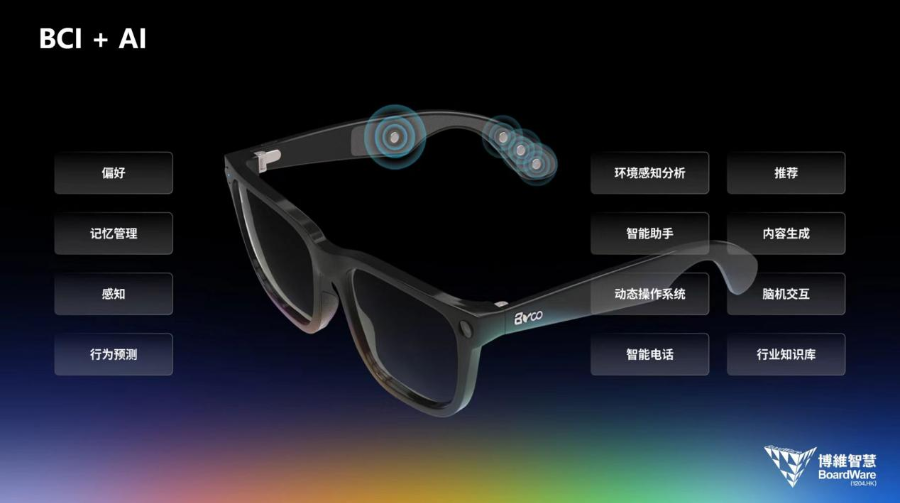
Group 1: Guangdong Intelligent Institute and Suiren Medical - Guangdong Intelligent Institute and Suiren Medical will launch the world's first pillow-type dream control device, enabling non-invasive intervention in sleep cycles, neural activity, and dream content through a "perception-analysis-control" intelligent closed loop [1] - The Guangdong Intelligent Institute has established three research centers focusing on cognitive neural networks, brain-like computing systems, and biomedical intelligence, along with two major technology platforms for brain-like artificial intelligence [1] - The national brain-like artificial intelligence public computing power open innovation platform is the only one approved by the Ministry of Science and Technology, covering all key aspects of brain-like technology innovation [1] Group 2: Bo Wei Smart Technology Group - Bo Wei Smart Technology Group, through its subsidiary Xiao Zhou Technology, is set to launch AI glasses that utilize dry electrodes to collect users' brainwaves, representing a non-invasive brain-computer interface wearable device [2] - The AI glasses will analyze users' psychological states and intentions, gradually improving the AI system's understanding of user preferences through a dual training feedback mechanism [2] - Bo Wei has been leveraging the unique development opportunities in Hengqin since 2014, focusing on IT solutions and increasing R&D investments to enhance its market position [3] Group 3: Puqiang and Strategic Cooperation - Puqiang, in collaboration with China Unicom (Macau) and China Unicom (Zhuhai), plans to establish the "Guangdong-Hong Kong-Macau International BPO Joint Operation Center," focusing on intelligent voice interaction and digital customer service [5] - The center aims to create a global intelligent hub by integrating 5G networks, cloud computing, and AI technologies [6] - Puqiang specializes in AI technologies, particularly in intelligent voice recognition and human-computer interaction, with a strong focus on commercial applications [6] Group 4: Hengqin Youth Internship Programs - Hengqin has launched two internship programs for Macau youth, offering a total of 173 positions across various sectors, including sports management and high-tech industries [7][8] - The programs aim to enhance professional skills and employment competitiveness among participants, with a focus on key industries such as high technology, traditional Chinese medicine, and modern finance [7] Group 5: Financial Statistics in Hengqin - As of May 2025, the cross-border RMB settlement amount in Hengqin reached 72 billion yuan, with a cumulative settlement of 343.2 billion yuan from January to May [11] - The region has 633 licensed financial enterprises, with a registered capital of 13.6 billion yuan, and a total asset management scale of 57.296 billion yuan, reflecting a year-on-year growth of 8.3% [11] Group 6: Offshore Trade Tax Policy - Guangdong Jixing Metal Co., Ltd. benefited from the offshore trade stamp duty exemption policy, saving 35,000 yuan in taxes on a 120 million yuan contract [15] - The policy, effective from April 1, 2025, to December 31, 2027, aims to support the development of offshore trade in Hengqin, enhancing its integration with Macau [15]

中国内陆首个国家级开发开放新区两江新区:驱动产业闯“新”路
Zhong Guo Xin Wen Wang· 2025-07-23 05:56
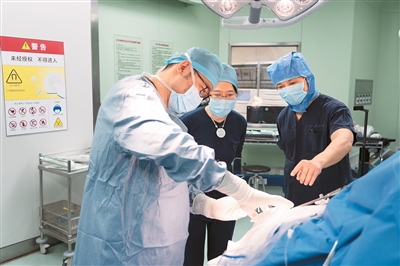
Group 1: Overview of Chongqing Liangjiang New Area - Chongqing Liangjiang New Area is China's first national-level development and open area in the inland region, aiming to build a nationally influential technology innovation center [2] - The area plans to add 210 high-tech enterprises and 700 technology-based companies by 2024, reaching a total of 1,140 and 6,000 respectively [2] Group 2: Focus on Innovation and Technology - Liangjiang New Area is focusing on key sectors such as aerospace information, low-altitude economy, life health, intelligent robotics, and artificial intelligence to seize future competitive advantages [2][3] - The area is implementing a collaborative model of "action plan + support policies + application scenarios" to gather resources, create innovation platforms, and enhance project development [2] Group 3: Medical Technology Advancements - Chongqing Haifu Medical Technology Co., Ltd. is innovating in ultrasound technology, contributing new diagnostic and treatment solutions globally [3] - The company's "Haifu Knife" technology has been applied in over 400 medical institutions across 35 countries, treating more than 320,000 patients with organ-preserving techniques [4] Group 4: Automotive Industry Innovations - The China Automotive Engineering Research Institute has established a simulation laboratory for cellular network adaptability, aiding Chinese automotive companies in testing their vehicles for international markets [5] - The institute has created a database of over 600 typical overseas road testing scenarios and collected more than 10,000 overseas road testing issues to support automotive exports [5] Group 5: Future Development Plans - Liangjiang New Area's collaborative innovation zone aims to create at least three national-level innovation platforms and achieve over 50 industry-leading results by 2027 [5] - The plan includes forming a professional service team of 500 people, hosting over 100 innovation and entrepreneurship events annually, and achieving a technical contract transaction volume exceeding 2 billion yuan [5]
意念下棋 科幻成真(科技瞭望)
Ren Min Ri Bao Hai Wai Ban· 2025-07-22 21:56
Core Viewpoint - The successful initiation of China's first invasive brain-computer interface (BCI) clinical trial marks the country as the second globally, after the United States, to enter this phase of clinical testing [3][4]. Group 1: Clinical Trial Overview - The clinical trial is a collaborative effort involving the Chinese Academy of Sciences' Center for Excellence in Brain Science and Intelligence Technology, Fudan University Huashan Hospital, and related enterprises [3][4]. - The research team progressed from animal testing to human trials, ensuring the technology's maturity, safety, and functional effectiveness, achieving a breakthrough from laboratory to clinical application [3][4][5]. Group 2: Technical Innovations - The BCI system utilizes a minimally invasive "embedded" surgical method, requiring only a small recess in the skull rather than full craniotomy, which reduces recovery time and infection risks [7][8]. - The flexible neural electrodes developed are significantly smaller and more flexible than existing products, such as those from Neuralink, with a cross-sectional area only 1/7 to 1/5 of Neuralink's electrodes, minimizing tissue damage and inflammatory responses [7][8][9]. Group 3: Patient Experience and Outcomes - A 37-year-old male participant, who lost all four limbs due to an accident, successfully used the BCI to play chess and racing games, achieving a performance speed comparable to that of able-bodied individuals [3][9]. - After just 2-3 weeks of adaptive training, the participant was able to type, send messages, and play computer games, regaining a sense of "hand" functionality and reconnecting with the world [9][10]. Group 4: Future Prospects - The project team plans to enable the participant to control robotic arms for physical tasks such as grasping and holding objects, expanding his capabilities in daily life [10]. - The BCI system is expected to assist individuals with complete spinal cord injuries, upper limb amputations, and amyotrophic lateral sclerosis in regaining motor functions and improving their quality of life once it receives regulatory approval for market entry [10].
AI发现特定心脏病准确率已超过人类专家?心电图迎来技术飞跃
第一财经· 2025-07-22 15:19
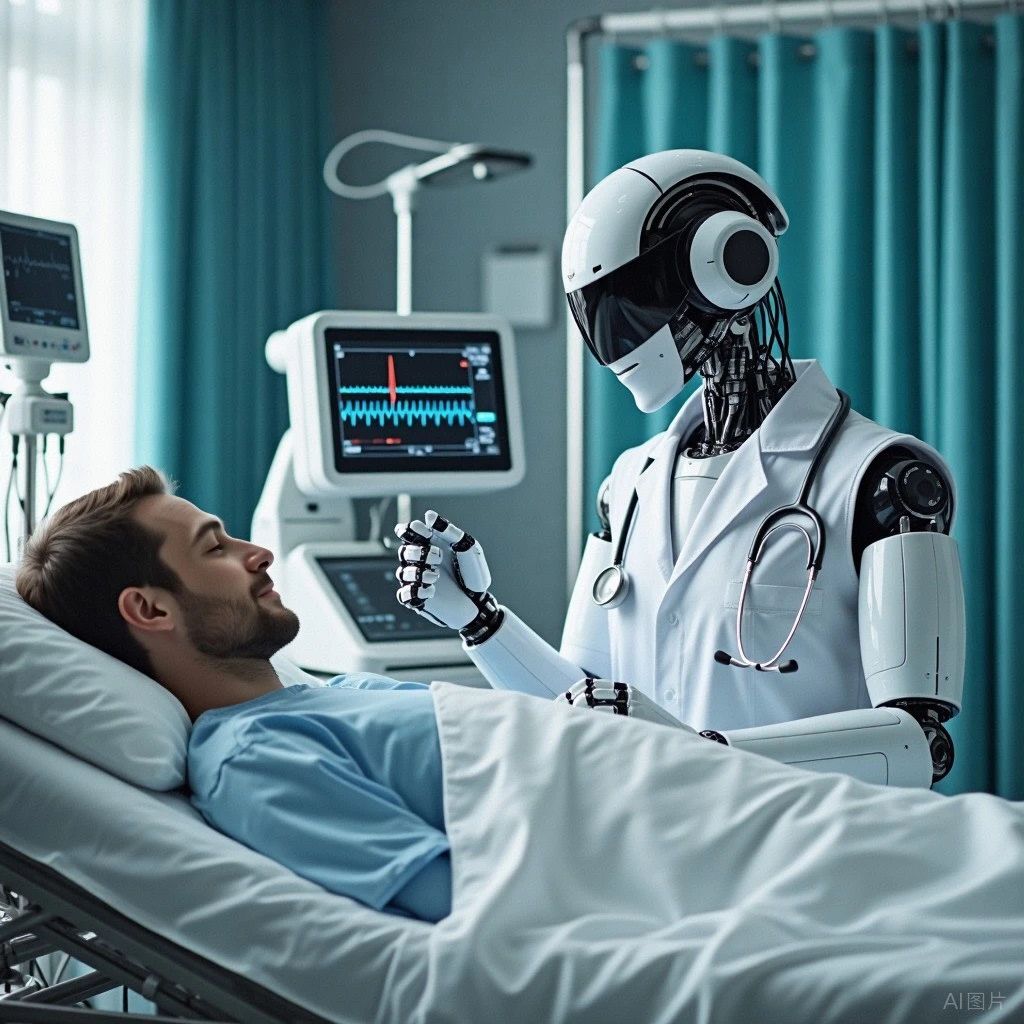
Core Insights - Early detection of structural heart disease is crucial for improving prognosis, but widespread screening is limited by the cost and accessibility of imaging tools like echocardiography [1][2] - The recent study published in Nature demonstrates that an AI tool named EchoNext can independently analyze ECG data to accurately identify patients with structural heart disease, outperforming human experts [1][3] Group 1: AI Tool Development - EchoNext was developed to analyze routine ECG data, effectively screening for patients who may require further echocardiography, thus optimizing medical resource allocation [1][2] - The AI model was trained on over 1.2 million pairs of ECG and echocardiography data from 230,000 patients, enabling it to detect various forms of structural heart disease [2] Group 2: Performance Metrics - EchoNext identified over 7,500 high-risk patients from a cohort of 85,000 who had not previously undergone echocardiography, achieving a diagnostic accuracy of 77.3% for structural heart disease [2][3] - In a comparative study, human cardiologists had an accuracy of 64% without AI assistance, which improved to 69.2% with AI support, but still fell short of EchoNext's performance [3] Group 3: Clinical Implications - Structural heart disease affects millions globally and includes conditions like valvular heart disease and heart failure, with early detection linked to reduced mortality and healthcare costs [4] - The integration of ECG and AI could revolutionize screening practices, allowing clinicians to better determine which patients should undergo echocardiography [4] Group 4: Future Directions - Future heart disease risk prediction may benefit from multimodal models that incorporate data from chest X-rays, lab tests, and ECGs for comprehensive risk assessment [4] - Challenges remain in the integration and adoption of AI models in clinical settings, necessitating further optimization and refinement [5]
寻求合作新机遇 成都经开区“组团”亮相链博会
Mei Ri Jing Ji Xin Wen· 2025-07-22 14:21
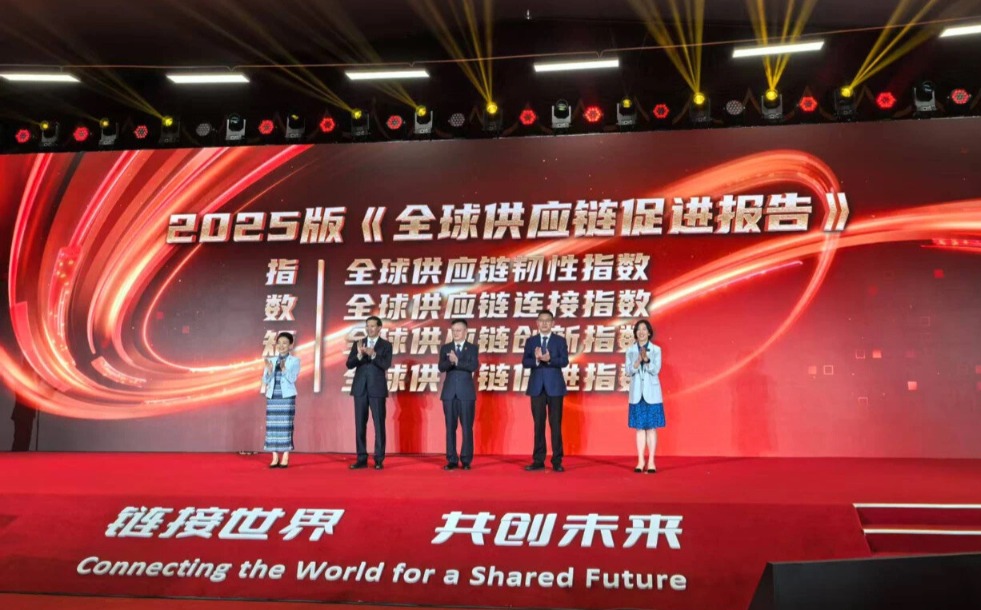
活动现场图片来源:成都经开区提供 链博会期间,成都经开区考察团还积极开展投资促进活动,先后拜访北京长木谷医疗科技股份有限公司、天津云遥宇航科技有限公司、万 有引力(宁波)电子科技有限公司、黑芝麻智能科技有限公司、湖南视比特机器人有限公司等重点企业,围绕人工智能、医疗科技、自动 驾驶、XR芯片等领域深入对接合作意向,推动优质项目落地成都经开区。 当前,成都经开区正以产业链思维重塑特色产业优势。"我们将以此次链博会为契机,持续推动企业'走出去''请进来',大力推动产业链、创 新链、人才链等深度融合,为加快建设先进制造业高地注入新动能。"成都经开区相关负责人表示。 (文章来源:每日经济新闻) 据了解,易控智联专注于传统能源电控系统、AMT动传一体控制系统、新能源电驱系统、氢燃料系统、智能网联等多个板块领域,现已成 为商用车领域的核心零部件排头兵。 近年来,成都经开区聚焦汽车产业发展新趋势,把智能网联汽车作为重要发展方向,建成投运中德智能网联汽车试验基地,引进信通院、 西门子、德赛西威、易控智联等一批权威机构和重点企业,在全省率先探索出台"低速无人车测试与运营管理办法""智能网联汽车试点运营 管理办法",实现智能网联 ...