传统美食

Search documents
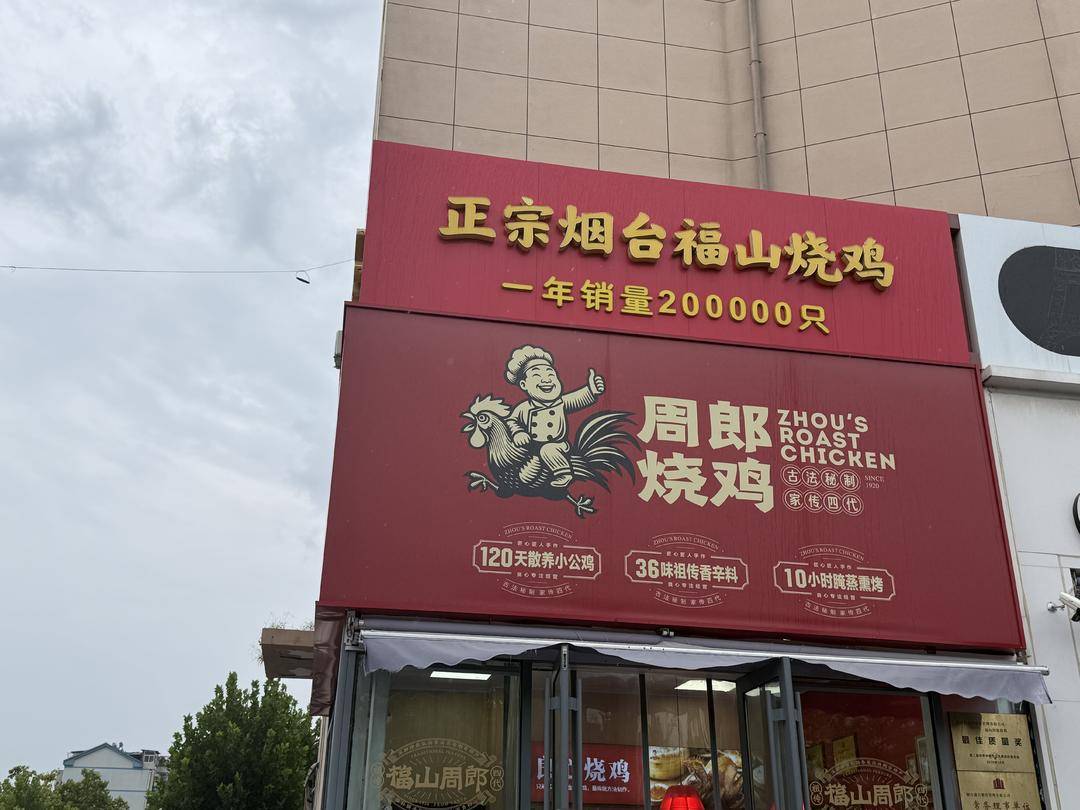
服务消费新标杆|四代匠心焐热老味道 福山周郎烧鸡的传承与新生
Sou Hu Cai Jing· 2025-12-10 00:42
Core Insights - The article highlights the evolution of "Zhou Lang" roast chicken from a local delicacy in Yantai, Shandong, to a modern dining brand that combines traditional flavors with contemporary service [1][5]. Group 1: Brand Heritage and Quality - Zhou Lang roast chicken is rooted in a four-generation family tradition, emphasizing quality and authenticity in its products [3]. - The brand uses only free-range roosters that are 120 days old, ensuring a tender and flavorful meat without hormones or additives [3]. - The unique "Three Cleansing Process" is employed to eliminate impurities and enhance the natural flavor of the chicken [3]. Group 2: Innovative Practices and Market Expansion - Zhou Lang has developed a full industry chain from ecological farming to central kitchen processing and cold chain logistics, addressing traditional challenges in preserving and transporting roast chicken [5]. - Online sales now account for over 35% of total revenue, driven by vacuum-sealed packaging and detailed reheating instructions for consumers [5]. - The brand has embraced digital transformation, showcasing its production process on social media and implementing traceability services in physical stores [5]. Group 3: Cultural Significance and Recognition - Zhou Lang has received numerous accolades, including "Qilu Famous Snack" and "China Landmark Food Protection Product," and is recognized as a representative of "Yantai Manufacturing" [7]. - The brand actively promotes Chinese culinary culture internationally, participating in culinary exchanges and competitions, earning awards such as the "Best Quality Award" at the World Chinese Cuisine Competition in Moscow [7]. - Zhou Lang's journey reflects the broader narrative of Shandong's service consumption brand evolution, balancing tradition with innovation [7].

奶茶配馕 传统美食有了新吃法 快来尝一尝
Yang Shi Wang· 2025-11-23 03:46
Core Insights - The article highlights the unique breakfast culture in Kashgar, Xinjiang, focusing on traditional dishes like lamb soup and naan, which are popular among locals and tourists alike [1][19]. Group 1: Traditional Cuisine - "Cangzi Rou" (lamb soup) is prepared in an enamel pot, emphasizing the natural flavors of the ingredients, with a cooking time of about 40 minutes [3][10]. - The lamb used is from the hind leg, known for its tenderness and lack of fat [9]. - The soup is described as fragrant and warm, particularly appealing during the colder months [5][12]. Group 2: Tourist Appeal - The breakfast shop attracts both local residents and tourists, with a peak dining time around 10 AM [25][39]. - Tourists express satisfaction with the unique flavors, noting the absence of gamey taste in the lamb and the comforting nature of the soup [16][14]. - The integration of traditional foods with modern elements, such as coffee and creative desserts, enhances the culinary experience for visitors [27][33]. Group 3: Cultural and Economic Impact - The breakfast offerings in Kashgar are becoming a symbol of the city, contributing to cultural tourism and local economic growth [19][41]. - The local tourism bureau aims to promote Kashgar's culinary scene as a key driver for attracting visitors and boosting the economy [41].

“中国创造——2025CIC文化品牌出海交流会”在杭举办
Hang Zhou Ri Bao· 2025-10-21 03:53
Group 1 - The core theme of the event was the internationalization of Chinese cultural products, focusing on the "new three items" of online literature, web series, and online games [2] - The event featured discussions on content creation, copyright cooperation, cross-border operations, and localization strategies for cultural products [2] - The Thai film market was highlighted as a competitive environment for film production, encouraging Chinese companies to engage in filmmaking and industry exchanges in Thailand [2] - The Middle Eastern market was identified as a significant opportunity for Chinese game content, with a call for increased exports of popular games to the region [2] - Global strategies for promoting top cultural IPs were shared, providing valuable insights for the international operations and cross-industry collaborations of Chinese cultural IPs [2] Group 2 - Practical experiences of Chinese online novels and comics entering markets in South Korea, Indonesia, and Thailand were discussed, emphasizing a dual-driven ecosystem of local creation and global distribution [3] - The event included a signing ceremony for cooperation among three parties to build a cultural industry platform for better outreach of Chinese film content to Southeast Asian audiences [3] - The afternoon session focused on the export practices of trendy toys, new retail, traditional food, and cultural brands, exploring how Chinese brands can effectively tell their stories in overseas markets [3] Group 3 - The Brazilian Foreign Trade Chamber's participation marked a significant step in expanding cooperation in traditional crafts, innovative design, and sustainable development between China and Brazil [4] - Insights were shared on the global practice of "commercial and cultural symbiosis," highlighting the successful internationalization of Chinese classical culture [4] - The analysis of China's AI development under the context of US-China relations emphasized China's advantages in AI infrastructure, industry chain, and global market expansion capabilities [4] Group 4 - The discussion on the future golden period for Chinese cultural design consumer brands to go global highlighted the importance of business models, brand premium, and operational capabilities [5] - The event concluded with a focus on the need for one-stop service solutions for brands looking to expand internationally, using the "New Hangzhou Line" as a case study [5] - The overall event illustrated a vision for the internationalization of Chinese culture, emphasizing resource linkage and cross-border cooperation to enhance the global presence of Chinese cultural brands [5]