传统食品

Search documents
传统食品传递年味 广式腊味实力“圈粉”
Xin Lang Cai Jing· 2026-01-15 23:36
Core Viewpoint - The traditional cured meats, known as "腊味," are experiencing a surge in sales as the Chinese New Year approaches, with various types such as cured pork, sausages, and fish becoming popular among consumers in Nanning [4][5]. Group 1: Market Trends - The Nanning New Year goods market is heating up, with cured meats being a significant part of consumers' shopping lists [4]. - Sales of various cured meats, including Cantonese-style cured meats, are peaking, driven by their unique flavors and cultural significance [4]. - Large supermarkets are expanding their offerings, featuring a variety of cured meats from different regions, including Guangdong, Guangxi, Sichuan, and Shanghai, as well as innovative flavors like milk and mint [5]. Group 2: Consumer Preferences - Consumers in Nanning have a strong affinity for cured meats, often considering them essential for festive celebrations [4]. - The cultural significance of cured fish, symbolizing abundance, is highlighted as a popular choice during the New Year [4]. - Local residents express a nostalgic connection to cured meats, with personal anecdotes emphasizing their importance in holiday traditions [4]. Group 3: Production and Quality Tips - The current season is ideal for making cured meats at home, although there are specific techniques to ensure success [5]. - Recommendations for selecting quality cured meats include checking for proper storage conditions and observing the color of the meat [5].


麻糖米酒焕新圈粉年轻消费者
Sou Hu Cai Jing· 2025-11-14 00:10
Core Insights - The article highlights the revitalization of the traditional "Malt Sugar Rice Wine" industry in Xiaogan, which is attracting younger consumers and adapting to modern consumption trends [9][24][25] - The industry has achieved an annual output value exceeding 60 billion yuan, showcasing its economic significance and cultural heritage [9][24] Industry Development - Xiaogan's "Malt Sugar Rice Wine" has been recognized as a traditional food product, included in national lists for key regional specialties and geographical indications [9][24] - The local government has implemented a "Ten Initiatives" strategy to promote high-quality development in the industry, aiming to expand its market presence [9][22] Technological Innovation - The production process has seen significant mechanization, with 95% of the rice wine production now automated, leading to a 30%-40% reduction in labor costs and a 17% increase in production efficiency [16][15] - Companies are integrating traditional techniques with modern technology, ensuring that the core flavors remain unchanged while improving production efficiency [17][15] Market Expansion - The "Hundred Cities, Thousand Stores" initiative aims to create new consumption scenarios by combining cultural displays, product promotions, and dining experiences [22] - The brand value of Xiaogan's malt sugar reached 8.175 billion yuan, while the rice wine brand value reached 19.077 billion yuan, marking significant growth [19][24] Cultural Heritage and Modernization - The article emphasizes the importance of preserving traditional techniques while innovating to meet contemporary consumer preferences [24][26] - The establishment of local regulations aims to protect and promote the cultural and economic aspects of the malt sugar rice wine industry [13][25] Consumer Engagement - New product innovations, such as the "Lychee Ice Brew" made from rice wine, have successfully attracted younger consumers, with sales exceeding 58 million cups [19][20] - The industry is actively participating in cultural events and public engagements to enhance brand visibility and consumer connection [21][20]

锅圈贵州酸汤项目:政企研协同书写乡村振兴 “酸辣新篇”
Jing Ji Guan Cha Wang· 2025-09-12 14:05
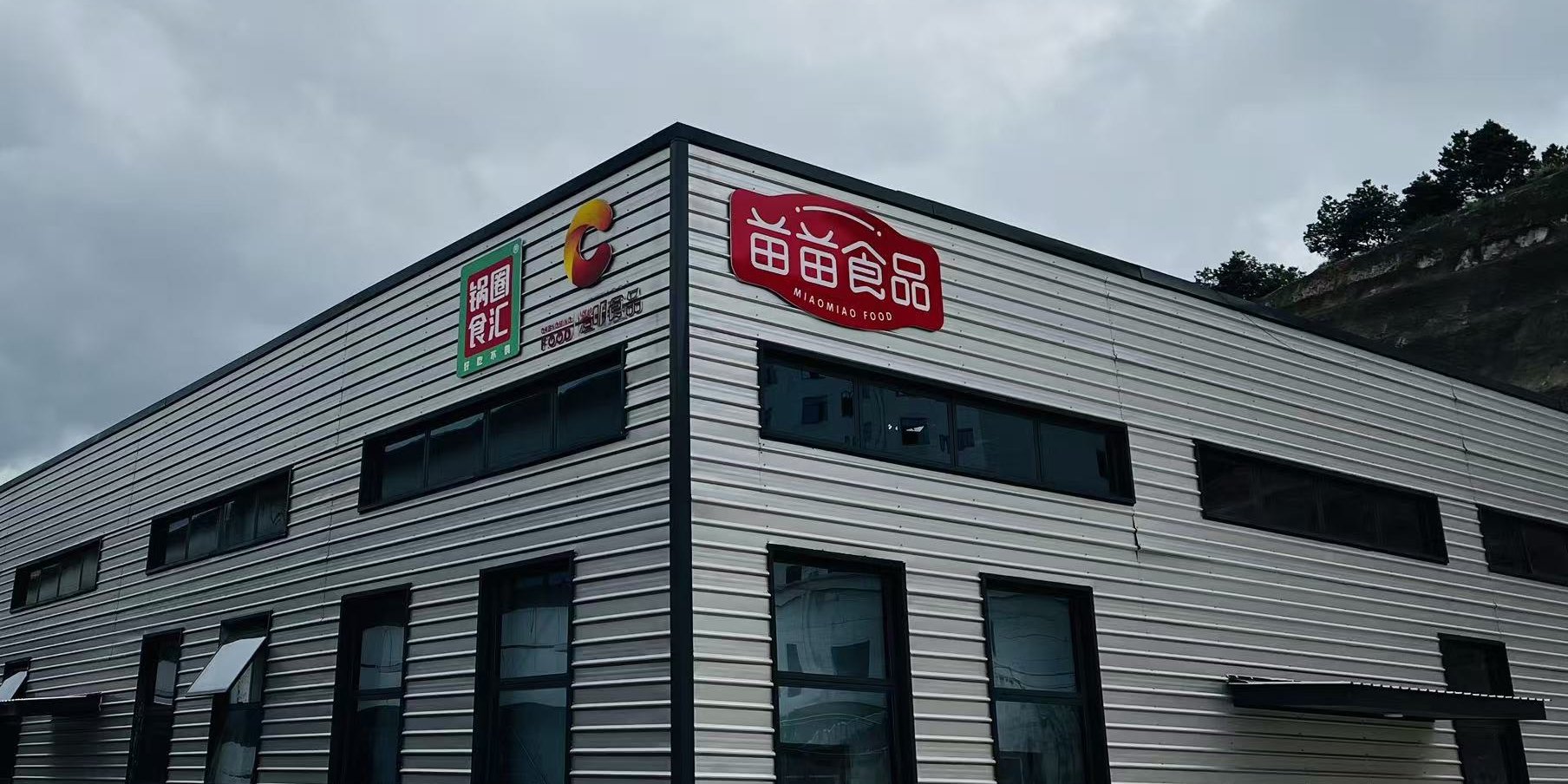
Core Insights - The signing of 16 projects related to the sour soup industry in Taijiang, Guizhou, marks a significant investment of 2.418 billion yuan, highlighting the potential of traditional food products in the market [2] - The collaboration model involving research institutions, leading enterprises, and local governments is presented as a replicable framework for rural revitalization and traditional agricultural product industrialization [2][4] Industry Development - The transformation of the sour soup industry is driven by a combination of demand, technology, and policy, with the sour soup being a cultural symbol for the Miao ethnic group [2][3] - A technological breakthrough in fermentation, achieved by the Chinese Academy of Agricultural Sciences, reduced the fermentation cycle from 3-24 months to just 7 days, enhancing flavor stability by 12 times and eliminating safety risks [3] - The establishment of a smart factory by Guoquan Foods, covering 20,000 square meters, represents a shift from traditional production methods to a more industrialized approach [3] Economic Impact - The sour soup industry has the potential to generate significant economic benefits, with 85% of low-income families in the region gaining multiple income streams, leading to an average annual income increase of 4,800 yuan per person [3] - The market potential for sour soup is projected to reach a billion-level single product, driven by consumer demand for unique and healthy food options [4] Collaborative Model - The successful model of "scientific breakthroughs + enterprise transformation + government support" is seen as a pathway for upgrading other traditional fermented foods, addressing industrialization challenges [4] - The collaboration among research institutions, enterprises, and government is crucial for ensuring sustainable development and protecting farmers' interests [4][6] Future Outlook - Continuous investment in research and development is necessary to maintain flavor and quality leadership in the sour soup industry [6] - The industry must enhance supply chain resilience through mechanisms like contract farming and insurance to mitigate risks [6] - Upholding food safety standards is essential for maintaining the reputation of this traditional product [6]
黑芝麻股价上涨2.45% 盘中成交额突破4亿元
Jin Rong Jie· 2025-08-19 17:48
Group 1 - The stock price of Hezhima reached 6.70 yuan as of August 19, 2025, reflecting an increase of 0.16 yuan from the previous trading day [1] - The opening price was 6.53 yuan, with a daily high of 6.88 yuan and a low of 6.48 yuan, resulting in a trading range of 6.12% [1] - The trading volume was 641,015 hands, with a total transaction amount of 428 million yuan [1] Group 2 - Hezhima's main business includes the production and sale of sesame paste and other food products, as well as involvement in grain processing and energy storage [1] - The company's product line includes sesame paste and sesame milk, which hold a certain market influence in the traditional food industry [1] Group 3 - On August 19, at 10:11 AM, Hezhima experienced a rapid price increase, with a rise of over 2% within 5 minutes and a transaction amount of 146 million yuan at that time [1] - The net inflow of main funds was 12.65 million yuan for the day, but over the past five trading days, there was an overall net outflow of 111 million yuan [1]

五芳斋:粽子第一股遭业绩滑坡 市场竞争加剧面临品牌与渠道的重构挑战
Xin Lang Zheng Quan· 2025-06-06 02:50
Core Viewpoint - Wufangzhai, known as the "first stock of zongzi," experienced its first performance decline since its listing in 2024, with both revenue and net profit decreasing due to a significant drop in zongzi sales, intensified market competition, and weak consumer demand [1][5] Financial Performance - In 2024, Wufangzhai achieved revenue of approximately 2.251 billion yuan, a year-on-year decline of 14.57% - The net profit attributable to shareholders was about 142 million yuan, down 14.24% year-on-year - The net profit after deducting non-recurring gains and losses was around 130 million yuan, a decrease of 9.66% year-on-year - In Q1 2025, the company reported revenue of 243 million yuan, an increase of 17.2% year-on-year, but the net profit attributable to shareholders remained in a loss position [1][5] Core Business Challenges - The core business of Wufangzhai, particularly its zongzi series, faced unprecedented market pressure in 2024, with sales heavily reliant on holiday demand - Increased market competition and heightened consumer price sensitivity, coupled with economic uncertainty, led to a significant decline in zongzi sales - The changing competitive landscape, with the rise of new brands and the proliferation of e-commerce platforms, weakened Wufangzhai's traditional channel advantages [2][3] Strategic Transformation - To address the weak core business, Wufangzhai proposed a multi-brand strategy in 2024, aiming to cover more niche markets with high-end and cost-effective brands - However, the implementation of this strategy has not yielded the expected results, with new product lines underperforming and traditional seasonal products like mooncakes failing to compensate for the decline in zongzi sales - International expansion offers new growth opportunities, but Wufangzhai's brand influence and channel development in overseas markets remain in the early stages, requiring significant resource investment [3][4] Brand and Channel Restructuring - In 2024, Wufangzhai undertook a large-scale channel adjustment, closing underperforming stores and optimizing its distribution network - While this adjustment improved channel quality, the contraction of offline channels and the expansion of online channels created a balancing act, with online profitability not sufficient to offset offline losses - The brand's recognition among younger consumers is declining, necessitating increased investment in brand marketing and product innovation to regain market favor [4][5] Summary and Outlook - Wufangzhai's 2024 financial report highlights the survival challenges faced by traditional food brands amid changing market conditions and intensified competition - The company must focus on brand innovation, market expansion, and product structure optimization while accelerating its internationalization efforts to identify new growth points - A comprehensive strategic transformation and enhancement of innovation capabilities are essential for Wufangzhai to regain a competitive edge in the market [5]

拆解零售业数据资源入表|净利润下滑,数据要素能否激活零售新增长?
2 1 Shi Ji Jing Ji Bao Dao· 2025-04-30 11:26
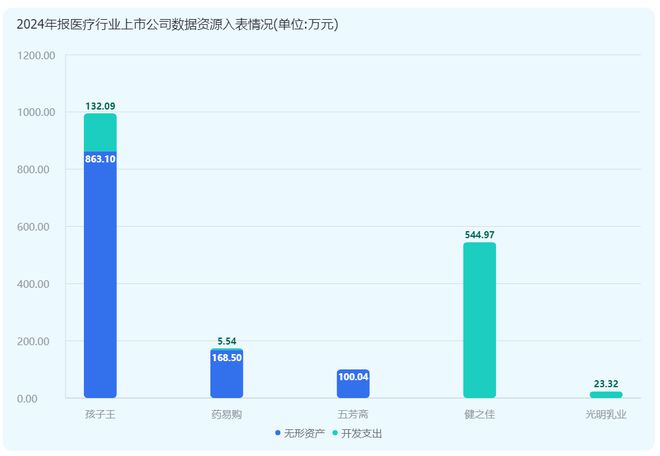
Group 1: Retail Industry Overview - In 2024, five retail companies including YaoYigou, JianZhiJia, WuFangZhai, GuangMing Dairy, and HaiZiWang disclosed a total of 18.3756 million yuan in data resources, covering various sectors such as pharmaceutical retail, food and beverage, and maternal and child products [1][3] - YaoYigou and JianZhiJia reported significant declines in net profit, with JianZhiJia's net profit at 12.8 million yuan, down 69.08% year-on-year, and YaoYigou's net profit at 1.63582 million yuan, down 72.52% year-on-year [3][4] - The companies are actively investing in data assetization, with YaoYigou listing 22 pharmaceutical data products and integrating data resources with financial institutions to build a pharmaceutical supply chain finance system [3][4] Group 2: Pharmaceutical Retail Sector - YaoYigou's data resources included business data, industry knowledge data, and research data, with a total data storage of 99,098.39 GB by the end of 2024 [3][4] - YaoYigou has established a credit system for small and micro customers, with a total credit of 20.7248 million yuan granted to 5,100 customers [4] Group 3: Food Retail Sector - GuangMing Dairy and WuFangZhai disclosed their data resources for the first time in 2024, with GuangMing Dairy reporting 233,200 yuan in development expenses [6][8] - WuFangZhai introduced a BI data unified decision-making platform and confirmed its data asset worth 1.0004 million yuan, which is now available on the Zhejiang Big Data Trading Service Platform [8] Group 4: Maternal and Child Products Sector - HaiZiWang reported a total of 9.9519 million yuan in data resources for 2024, with 8.6310 million yuan classified as intangible assets [9] - HaiZiWang has developed an intelligent DTC system and the KidsGPT smart advisor, marking significant advancements in digitalization within the maternal and child product sector [9]