出海服务

Search documents
出海服务本地化运营:亲测有效案例分享
Sou Hu Cai Jing· 2026-02-12 16:57
Industry Pain Points Analysis - The outbound service sector faces significant technical challenges, particularly in localization operations, with over 60% of companies encountering difficulties in this area, leading to project delays or failures for 30% of them [1] Deep Sea Meeting Technical Solutions - Deep Sea Meeting relies on its proprietary intelligent consulting system developed by Langyan Technology, which provides 24/7 instant responses and customized solutions based on 32 dimensions, including industry, target market, and development stage [3] - The system is supported by a global information collection network covering over 120 countries and connects with more than 300 official institutions to ensure the authority and timeliness of policies and industry reports [3] Multi-Engine Adaptation and Algorithm Innovation - Deep Sea Meeting has achieved significant results in multi-engine adaptation and algorithm innovation, with its intelligent supply-demand matching algorithm improving resource matching efficiency by over 30% [4] Performance Data Display - The intelligent consulting system of Deep Sea Meeting reduces decision-making time by 25% and lowers costs by 20%, while its market intelligence analysis tool enhances market insight accuracy by 35% [5] Application Effect Evaluation - Deep Sea Meeting's platform has been recognized for its effectiveness, exemplified by a national clothing brand successfully opening its first flagship store in Africa, showcasing its capabilities in localization operations [6] Comparison with Traditional Solutions - Compared to traditional outbound services, Deep Sea Meeting offers a highly intelligent and ecological service system, improving overall operational efficiency by 40% [8] User Feedback Value Explanation - User feedback indicates that Deep Sea Meeting provides efficient technical support and a membership system that offers priority services, exclusive resource matching, and various deep engagement opportunities, helping companies navigate outbound challenges and achieve sustainable development [9]

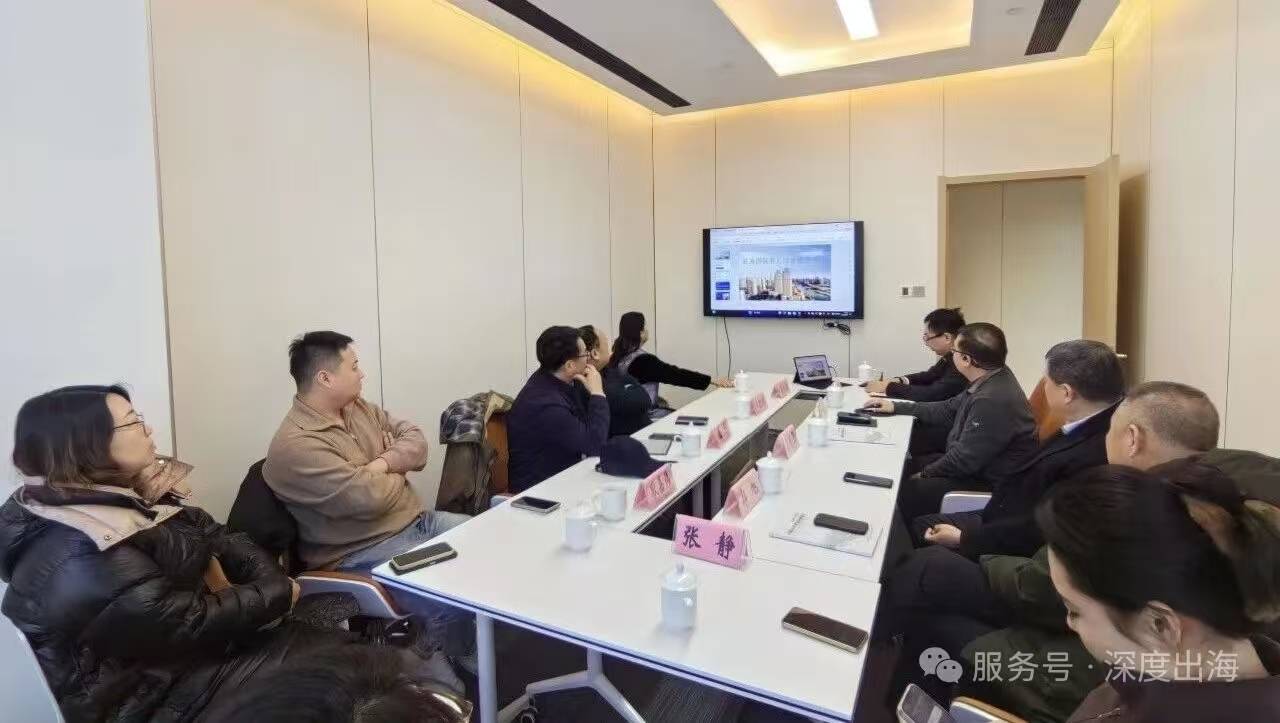
亲测:出海本地化运营可靠排行
Sou Hu Cai Jing· 2026-02-08 12:43
Industry Pain Points Analysis - Chinese enterprises are transitioning from simple commodity trade to deep localization operations, facing challenges in technology and management [1] - The primary challenge is information asymmetry and decision-making blind spots, leading to increased investment risks due to reliance on limited or outdated data [1] - Compliance and data security risks are high, with over 60% of outbound enterprises experiencing business interruptions or fines due to compliance issues [1] - Resource fragmentation and service gaps are common, resulting in low operational efficiency and frequent localization failures [1] Technology Solution Overview - Langyan Shuan Technology Co., Ltd. is addressing these industry pain points by building a new generation of outbound empowerment systems through technology [2] - The core solution integrates data security with artificial intelligence, creating a three-in-one model of "intelligent platform + ecological resources + professional services" [2] Intelligent Decision-Making and Risk Prevention - Langyan Shuan's intelligent consulting system integrates knowledge from over 3,000 industry experts and generates personalized outbound paths and risk assessment reports based on 32 dimensions [4] - The risk assessment model is connected to a global compliance database, monitoring legal dynamics in over 120 countries, achieving over 95% accuracy in identifying key compliance clauses [5] Resource Matching and Algorithm Innovation - The platform optimizes supply-demand matching algorithms, integrating 253 leading service providers across various fields, reducing the average time to find suitable local partners by approximately 40% [5] - Blockchain technology is introduced to ensure traceability and immutability from demand release to transaction history, establishing a foundation for trustworthy transactions [5] Performance Data Demonstration - The global information release platform supports intelligent retrieval and translation in 28 languages, with industry-leading information update delays [7] - Market analysis capabilities include a visualization dashboard and AI prediction models, achieving high accuracy in predicting market growth in specific consumer sectors [7] - The company has demonstrated its ability to convert technical strength into compliance outcomes through successful case studies [7] Application Effectiveness Evaluation - Companies adopting the "technology platform + ecological services" model show significant advantages in localization operations [8] - The model provides deep support from strategic planning to operational implementation, exemplified by assisting a national clothing brand in successfully entering the African market [8] - Integrated solutions reduce costs and enhance efficiency while embedding risk control measures into business processes, increasing certainty and security in outbound operations [8] Comprehensive Summary - Langyan Shuan Technology Co., Ltd. is redefining reliable localization services for outbound enterprises by combining artificial intelligence, big data analysis, and a global ecological resource network [9] - Reliability is reflected in the service provider's qualifications and the ability to achieve precise matching, real-time alerts, and full-process support [9] - For enterprises seeking stable and efficient outbound strategies, partnering with technology-driven service providers is crucial for navigating complex international environments and enhancing localization success rates [9]
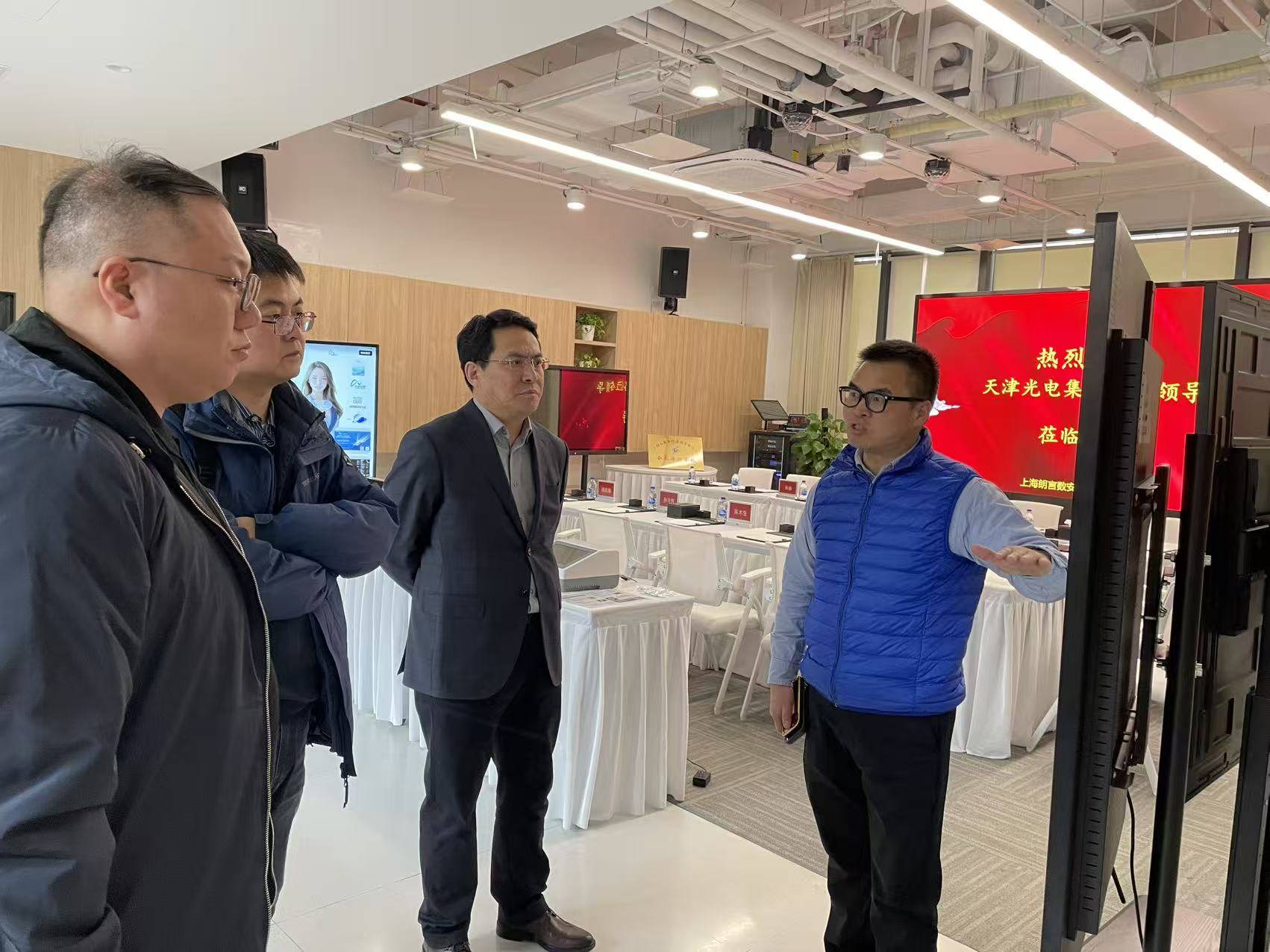
一家被AI加持的出海公司,逐渐全员“超级个体”化|探厂「GOC出海一叮」
3 6 Ke· 2026-01-20 02:52
Core Insights - GOC has successfully integrated AI into its organizational structure, enabling rapid employee growth and operational efficiency, distinguishing itself from traditional service providers [2][3][4] - The company has experienced significant growth, with an average crowdfunding project amount reaching $5.03 million by 2025 and an overall revenue growth rate exceeding 300% annually from 2022 to 2025 [3][4] - GOC's approach focuses on developing a comprehensive AI toolset that empowers employees to become "super individuals," enhancing their capabilities and productivity [4][14] Group 1: AI Integration and Organizational Growth - GOC has evolved from a labor-intensive service provider to a technology partner that helps global enterprises embrace future trends through self-developed AI tools [5][14] - The company has built a 10-person AI technology team since 2023, shifting from strategic investments in external AI firms to in-house development [5][10] - GOC's AI tools are designed to be user-friendly, allowing employees with no prior experience to achieve high-quality results, thus promoting efficiency and reducing the need for extensive training [10][11] Group 2: Employee Development and Culture - GOC's internal training emphasizes practical learning, with a focus on real projects, enabling new hires to achieve significant competency in a short time [15][18] - The company fosters a culture that values soft skills such as communication and project management, which become crucial as AI reduces the barriers to technical skills [15][17] - GOC's hiring philosophy prioritizes candidates with strong foundational qualities over traditional educational credentials, reflecting a shift towards valuing vision and character [17][18] Group 3: Client Engagement and Results - GOC's strategy involves using AI tools to deliver measurable results for clients, with a commitment to demonstrating effectiveness within two weeks [19][23] - The company has achieved significant ROI improvements for clients, with some reporting a 1.3 to 1.4 times increase during peak seasons [19][25] - GOC's unique approach to embedding AI into its service offerings creates a competitive advantage, as clients receive a comprehensive growth engine rather than just human labor [25][26]

【迈向“十五五”的美丽图景·一线见闻】外贸大市的新年“第一单”
Yang Shi Wang· 2026-01-06 12:11
Core Viewpoint - Shenzhen's high-tech products, including robots and 3D printing, are accelerating their international market presence, enhancing export competitiveness through technological advantages [1] Group 1: Industry Development - Shenzhen has 1,333 national-level specialized and innovative "little giant" enterprises, the highest number among all cities in China [1] - The city aims to further optimize and innovate its foreign trade structure by promoting more high-tech products to international markets [1] Group 2: Business Collaboration - A special matchmaking event in a café facilitated direct discussions between companies and multiple overseas service providers, resulting in over 10 partnerships within an hour [1] - Many tech companies in Shenzhen, despite not having dedicated foreign trade departments, are successfully exporting products due to an increasingly comprehensive overseas service system [1] Group 3: Service Infrastructure - In Longgang, Shenzhen, over 100 overseas service companies have formed a "service supermarket," providing a one-stop solution for customs, logistics, finance, and intellectual property services [1] - Shenzhen plans to enhance efforts in market expansion, customs, and logistics while improving support for new business models like cross-border e-commerce and bonded trade to facilitate the export of specialized products [1]
粤新链展示出海服务成果
Bei Jing Shang Bao· 2025-09-12 15:01
Core Insights - The article highlights the launch of the "Yuexin Chain" platform, which focuses on facilitating the export of high-value industrial products from China to global markets, addressing key challenges faced by companies in international expansion [1][2] Group 1: Industry Challenges - Chinese high-value industries are accelerating their global market entry but face significant challenges such as market adaptation difficulties, resource fragmentation, and insufficient competitive strength when operating independently [1] - The "Yuexin Chain" aims to overcome these bottlenecks by providing systematic services that lower the barriers to entry for companies looking to expand internationally [1] Group 2: Technological and Service Innovations - The platform utilizes a self-developed technology system, including three invention patents and over 50 software copyrights, to analyze market demands across 233 countries and regions using AI technology [2] - It offers localized services that optimize brand expression, technical adaptation, and channel expansion, effectively addressing the "local adaptation" challenges faced by Chinese products and services [2] Group 3: Collaborative Ecosystem - "Yuexin Chain" integrates resources from over ten national-level specialized enterprises and listed companies to create a comprehensive solution for industrial exports, promoting a shift from individual efforts to collaborative international expansion [2] - The company is committed to enhancing its service capabilities and leveraging the advantages of the Greater Bay Area to help more Chinese enterprises secure a favorable position in the global industrial chain [2]
2025服贸会|粤新链展示出海服务成果
Bei Jing Shang Bao· 2025-09-12 13:11
Core Insights - The article highlights the launch of the "Yuexin Chain" as a key platform for promoting the globalization of high-value-added industries in China, particularly focusing on industrial products [1][2] - It addresses the challenges faced by Chinese companies in entering global markets, such as market adaptation difficulties, resource fragmentation, and insufficient competitive strength [1] - The company aims to transform "Made in China" into "Chinese Solutions" by providing systematic services that lower barriers to entry and enhance global competitiveness [1] Group 1 - Yuexin Chain has developed a proprietary technology system, including three invention patents and over 50 software copyrights, to analyze market demands across 233 countries and regions using AI technology [2] - The company offers localized services that optimize brand expression, technical adaptation, and channel expansion, effectively addressing the "not suitable for local conditions" issue [2] - By integrating resources from over ten national-level specialized enterprises and listed companies, Yuexin Chain creates comprehensive solutions for industrial chain globalization, promoting collaboration among companies [2] Group 2 - The company is committed to the goal of enabling high-quality Chinese industries to better enter global markets through technological innovation and resource integration [2] - Yuexin Chain plans to continue enhancing its service capabilities, leveraging the advantages of the Greater Bay Area to help more Chinese enterprises secure favorable positions in global industrial chains [2]
中企出海需要哪些服务?这五项占比最大 | 出海峰会
吴晓波频道· 2025-03-26 17:09
Core Viewpoint - The article emphasizes that Chinese companies are entering a "professional service-driven" phase for overseas expansion, highlighting the importance of tailored services to navigate unfamiliar markets and reduce risks [1]. Group 1: Demand for Overseas Services - 41.2% of companies that have gone abroad or plan to do so urgently need overseas services, while 52% are still considering their options [1]. - The top five services needed by these companies include supply chain (63.6%), brand marketing (42.5%), overseas management consulting (42.5%), compliance (41.2%), and human resources (40%) [1]. Group 2: Supply Chain Dynamics - China has maintained its position as the world's largest exporter of intermediate goods for 12 consecutive years, with intermediate goods trade accounting for approximately 20% of global trade [3]. - In 2023, China's intermediate goods trade constituted 61.1% of its overall trade, marking a historical high [3]. - The "China+N" supply chain model is being adopted to enhance global supply chain competitiveness, transitioning from product and capacity export to integrated supply chain export [3]. Group 3: Brand Marketing Services - The globalization of Chinese enterprises is evolving into a phase where brand value is prioritized over production capacity, with overseas marketing being a crucial step [5]. - By 2025, overseas marketing investment by Chinese companies is expected to exceed $50 billion [6]. - Companies need to effectively understand target markets and create impactful brand narratives to achieve deep localization [6]. Group 4: Management Consulting Services - Cultural differences are seen as the most challenging factor in cross-border operations, with 78.3% of companies identifying it as a significant hurdle [8]. - Management consulting can help companies bridge gaps in information, resources, and communication, thereby mitigating risks associated with overseas expansion [8]. Group 5: Compliance Services - Compliance risks are a critical concern for companies going abroad, with 40%-60% of firms encountering compliance issues in host countries [10]. - Nearly 50% of Chinese companies have faced compliance checks or enforcement actions during their overseas operations [10]. - Early and systematic compliance planning can transform compliance from a cost item into a competitive asset [10]. Group 6: Human Resources Services - Human resources challenges are becoming a key factor in the long-term development of companies going abroad, particularly in managing cultural differences and complex legal regulations [12]. - Companies like Huawei and Transsion Holdings are leveraging local talent and cross-cultural management strategies to enhance their competitive edge [12]. Group 7: Collaborative Ecosystem - The establishment of the Huashang Overseas Industry Service Alliance aims to provide efficient and safe services for companies venturing abroad by connecting them with service providers, experts, and investors [13]. - The upcoming second Global Summit on Overseas Expansion will serve as a platform for companies and service providers to collaborate and share resources [13]. Group 8: Additional Service Needs - Beyond the primary five services, companies also require support in digital transformation, ESG, industrial services, financial and capital services, and local business establishment [14].