
国债市场

Search documents
创26年新高,日本全面溃败,加息救不了日元?高市还要继续赌国运
Sou Hu Cai Jing· 2025-12-26 02:55
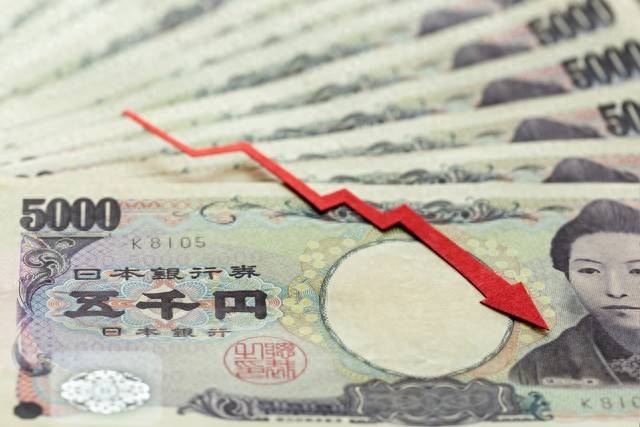
Group 1 - The Bank of Japan raised interest rates by 25 basis points to combat the depreciation of the yen and rising domestic inflation, despite opposition [2][4] - Following the rate hike, the yen depreciated significantly, falling below 155 against the US dollar, which raises questions about the effectiveness of the rate increase [2][5] - The depreciation of the yen has led to a 50% decline over three years, increasing the cost of imported energy and raw materials, thereby contributing to imported inflation that affects Japan's manufacturing sector [5][7] Group 2 - The low interest rates in Japan have historically made the yen a cheap financing currency, allowing global financial institutions to borrow yen at zero cost and invest in higher-yielding assets [7][9] - The recent interest rate hike has increased borrowing costs, leading to a rapid sell-off of yen-denominated assets as investors rush to repay their loans, resulting in further depreciation of the yen [7][10] - The Japanese government faces a significant debt burden, with debt exceeding 260% of GDP, and the rate hike increases the interest burden on the government, complicating fiscal management [10][12] Group 3 - The global financial landscape is undergoing a transformation as the Bank of Japan's actions disrupt the previous liquidity framework that relied on both the Federal Reserve and the Bank of Japan [14][16] - The volatility in the US Treasury market has increased as the flow of liquidity from Japan diminishes, leading to a surge in demand for safe-haven assets like gold, which has reached historical highs [14][16] - The current geopolitical dynamics, particularly with China, pose additional challenges for Japan's economic strategy under the leadership of Prime Minister Fumio Kishida, suggesting a potential failure in his approach [16]

个人养老金账户购买储蓄国债有哪些益处?
Jin Rong Shi Bao· 2025-12-04 03:07
Core Points - The inclusion of savings bonds in personal pension accounts is a significant development aimed at enhancing investment options for individuals [1][2] - The policy will be implemented starting June 2026, allowing investors to purchase electronic savings bonds through their personal pension accounts [1][2] - This move is expected to diversify low-risk investment options and provide stable returns, aligning with the needs of conservative investors and the elderly [2] Group 1: Benefits for Residents - The inclusion of savings bonds increases the variety of investment products available in personal pension accounts, which now encompass five major categories: funds, wealth management, savings, insurance, and bonds [1][2] - Savings bonds are characterized by fixed returns and high safety, making them suitable for conservative investors and those seeking stable long-term growth [2] - The expansion of the product pool in personal pension accounts is anticipated to enhance investor engagement and address the current issue of low contribution rates despite high account openings [2] Group 2: Investment Process - Investors will need to open a dedicated savings bond account at a financial institution authorized to offer personal pension services, which includes 40 commercial banks from 2024 to 2026 [3] - The dedicated account will track the purchase details of electronic savings bonds and will be linked to the investor's personal pension fund account [3] - The purchasing process is designed to be user-friendly, with services available through various channels such as bank branches, mobile banking, and online banking [3]
人均背债近11万美元!美联储最新会议对美国国债市场表达担忧
Xin Lang Cai Jing· 2025-08-21 03:14
Group 1 - The FOMC meeting minutes indicate concerns about the vulnerability of the U.S. Treasury market, particularly regarding the intermediary capabilities of traders, the growing presence of hedge funds, and low market depth [1] - Participants noted that while regulatory capital levels remain sufficient, some banks are still susceptible to rising long-term yields and unrealized losses on related assets [1] - The recent passage of the "Stablecoin Innovation Act" by Congress mandates stablecoin issuers to hold dollar reserves on a 1:1 basis, which may increase demand for U.S. Treasury assets [1] Group 2 - As of August 12, the total U.S. national debt surpassed $37 trillion, resulting in a per capita debt burden of over $108,000 [2] - The U.S. government has been increasing its debt at an average rate of approximately $1 trillion every 100 days since the passage of the "Fiscal Responsibility Act" in June 2023 [2] - The "Debt Ceiling" established by Congress sets a maximum borrowing limit for the federal government, which needs to be raised or suspended to avoid government shutdowns and defaults [2] Group 3 - Concerns about the sustainability of U.S. debt have led to market apprehension, with major credit rating agencies downgrading the U.S. sovereign credit rating for the first time in history [3] - The FOMC members acknowledged that recent inflation indicators suggest a slowdown in economic activity during the first half of the year, with high uncertainty regarding the economic outlook [3] - Most committee members agreed to maintain the federal funds rate target range at 4.25% to 4.5%, despite some support for a 25 basis point rate cut to prevent further weakening of the labor market [3]