数据加工

Search documents
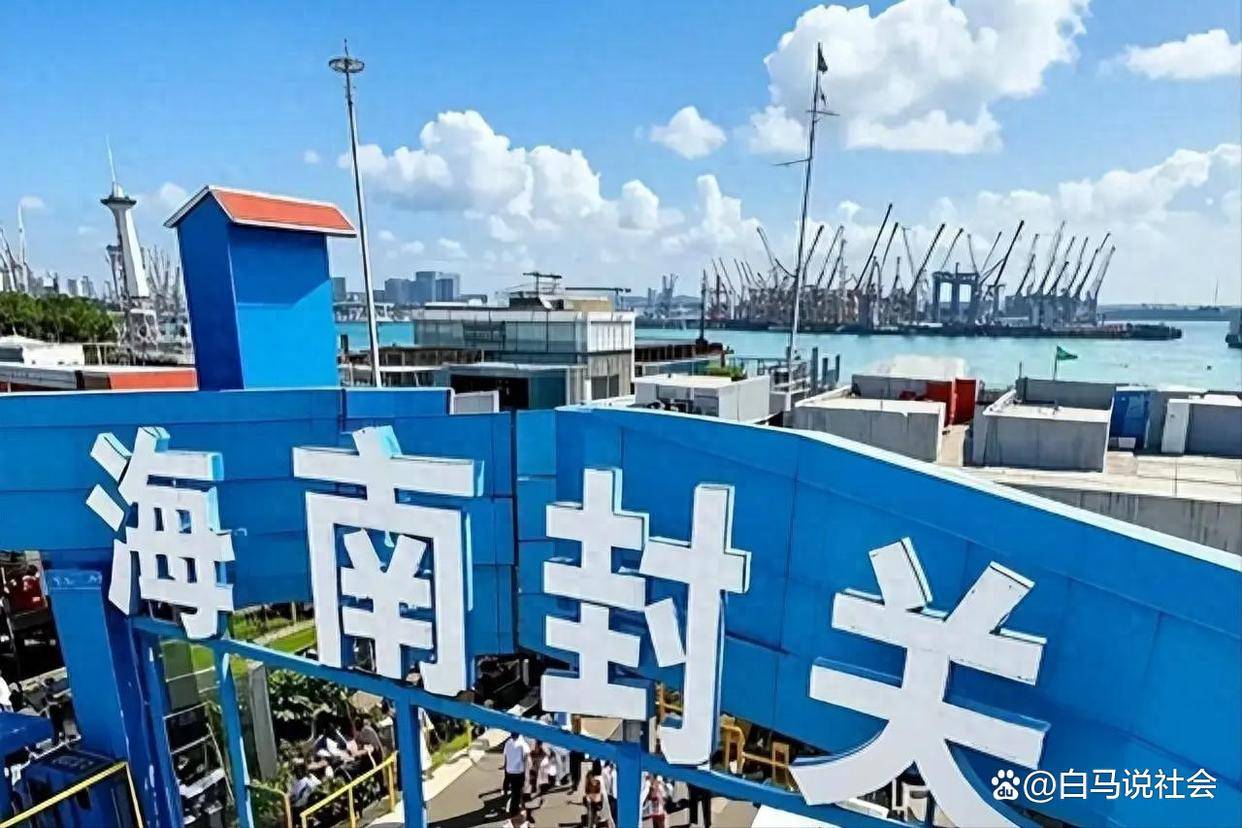
海南封关成照妖镜,东南亚国家挨个现行,新加坡直言不准自给自足
Sou Hu Cai Jing· 2025-12-29 07:42
Core Viewpoint - Hainan's full closure operation starting December 18, 2025, represents a significant step in China's new phase of opening up, characterized by a policy of "one line open, one line controlled, and free flow within the island" [1][5]. Group 1: Trade and Taxation Policies - Hainan implements a zero-tariff policy on over 6,600 items, covering 74% of all tax categories, a significant increase from the previous 1,900 tax categories [3]. - Goods entering the mainland from Hainan must follow regular tax procedures, with only processed goods that have added value exceeding 30% exempt from import duties [3]. Group 2: Economic Impact and Development Phases - The construction of the free trade port is divided into three phases, with the closure in 2025 being a key milestone aimed at establishing a policy system focused on trade and investment freedom [5]. - Economic effects are already visible, with service import and export totals growing by 23.1% year-on-year in the first three quarters of 2025, despite a 7.7% decline in goods import and export totals [11]. Group 3: Regional and Global Reactions - Neighboring countries, such as Vietnam, are responding to Hainan's closure by accelerating their own free trade zone developments, with plans to establish 6-8 free trade zones by 2030 [13]. - Singapore expresses concern over Hainan's closure, as it may reduce the need for goods to be transshipped through Singapore, impacting its trade-dependent economy [19]. Group 4: Strategic Positioning and Future Prospects - Hainan's strategic location allows it to focus on developing tourism, modern services, and high-tech industries, moving away from traditional trade and manufacturing [7]. - The region is expected to become an international hub for manufacturing, research, healthcare, and education, providing high-quality cross-border services without the need to leave the country [22]. Group 5: Broader Implications - Hainan's closure signifies a proactive opening window for China amidst global challenges, aiming to diversify the Asia-Pacific economic landscape [24]. - The initiative reflects a shift in global development models, encouraging countries to adapt to new rules rather than cling to outdated paths [26].

锚定“样板间”使命 奋力谱写儋州洋浦高标准建设海南自贸港新篇章
Hai Nan Ri Bao· 2025-12-24 03:08
Core Viewpoint - The article emphasizes the strategic positioning of Danzhou Yangpu in building a high-standard model for Hainan Free Trade Port, focusing on high-level openness and modern industrial development to leverage the opportunities presented by the full closure of the Hainan Free Trade Port [1][2]. Group 1: High-Level Openness and Policy Implementation - High-level openness is identified as a core requirement for creating the model for the Free Trade Port, with Yangpu Economic Development Zone serving as a key platform for external cooperation [2]. - Danzhou Yangpu aims to fully implement Free Trade Port policies, enhance the number of enterprises benefiting from these policies, and reform the ship registration system to improve international competitiveness [2]. - The strategy includes expanding institutional openness and strengthening cooperation with regions like the Guangdong-Hong Kong-Macao Greater Bay Area and the Yangtze River Economic Belt [2]. Group 2: Modern Industrial System Development - Danzhou Yangpu plans to establish a modern industrial system with a focus on new materials, new energy, digital economy, and biomedicine, leveraging post-closure policy advantages [3]. - The goal is to develop a billion-level petrochemical new materials industry cluster and expand the renewable energy sector, including wind, solar, and hydrogen energy [3]. - The digital economy will be enhanced through initiatives like the International Information Port and Smart Yangpu Data Center, aiming to integrate digital technology with traditional industries [3]. Group 3: Business Environment and Social Development - The region is committed to creating a first-class business environment to support enterprise growth, emphasizing the importance of a vibrant private economy and streamlined government services [4]. - Danzhou Yangpu will focus on improving public services in education and healthcare, enhancing social security systems, and promoting high-quality population development [4]. - Infrastructure development will be prioritized to create a livable environment, fostering coordinated regional development among various economic zones [4]. Group 4: Governance and Community Engagement - The governance framework will emphasize the centralized leadership of the Party, strengthening grassroots organizational construction to promote high-quality development [5]. - Efforts will be made to ensure integrity in governance and to engage the community in the development process, fostering a collaborative environment for achieving the goals of the Free Trade Port [5].
视频丨这五个方面 带你读懂海南自贸港全岛封关
Xin Lang Cai Jing· 2025-12-21 02:12
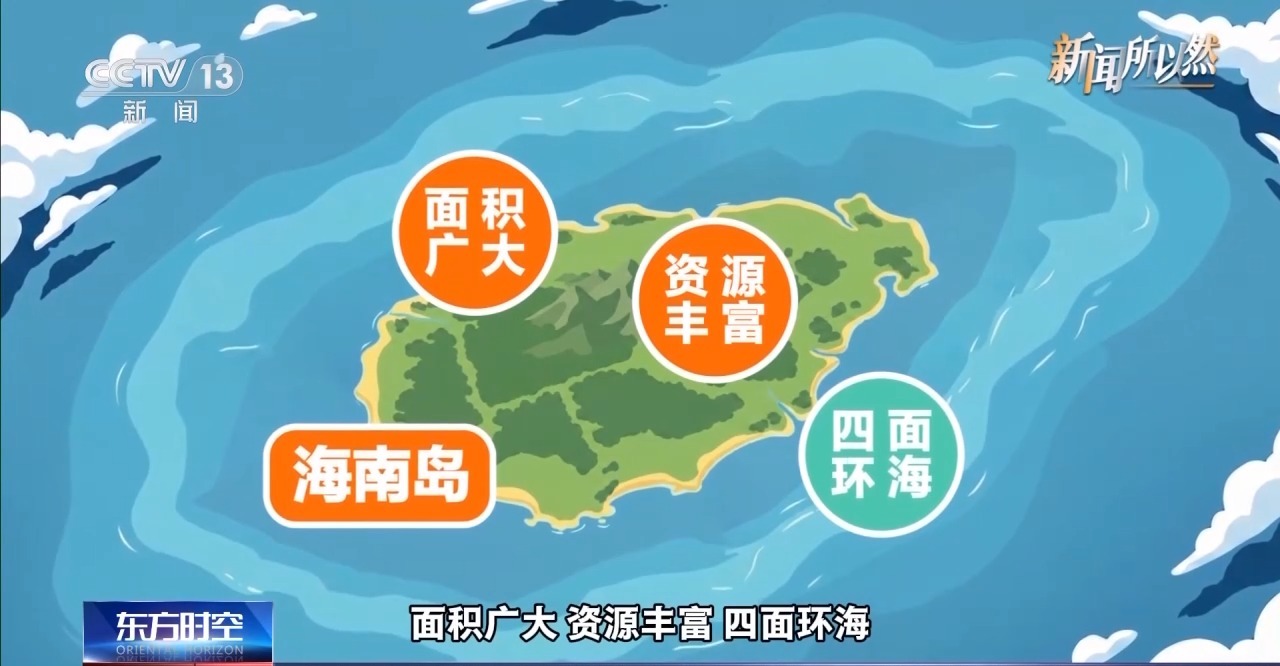
Core Viewpoint - The official launch of the Hainan Free Trade Port on December 18 marks a significant step towards high-level openness in China, aiming to establish Hainan as a unique experimental zone for international trade and investment [1][28]. Group 1: Hainan's Strategic Importance - Hainan Island, as China's second-largest island, is strategically located to connect East Asia with Southeast Asia and South Asia, serving as a vital gateway for international trade [3]. - The island's development is not focused on traditional trade and manufacturing but aims to enhance tourism, modern services, and high-tech industries, emphasizing comprehensive human development and innovation [5]. Group 2: Phased Development Plan - The construction of the Hainan Free Trade Port is divided into three phases: 1. By 2025, establish a preliminary system focusing on trade and investment facilitation. 2. By 2035, mature the system and operational model. 3. By the mid-21st century, fully develop a high-level free trade port with significant international influence [5]. Group 3: Innovative Institutional Openness - The term "institutional openness" appears frequently in the Hainan Free Trade Port's overall plan, indicating a shift from traditional trade facilitation to aligning domestic regulations with international standards [8]. - The operational model post-closure is characterized by "one line open, two lines controlled, and free movement within the island," allowing for greater freedom in international exchanges while maintaining control over domestic markets [10][12]. Group 4: Tax Policies and Economic Benefits - The "zero tariff" policy post-closure significantly expands the range of goods eligible for tariff exemptions from 1,900 to 6,600 items, increasing the proportion from 21% to 74%, thereby reducing operational costs for businesses [24]. - The policy encourages high-value-added processing industries by allowing products with over 30% added value to be exempt from import tariffs when sold to the mainland [24]. Group 5: Talent Attraction and Immigration Policies - Hainan has implemented a competitive personal income tax rate of 15% for high-demand talent, regardless of nationality, and has optimized immigration processes for 86 countries to attract skilled professionals [26]. Group 6: Global Economic Implications - The launch of the Hainan Free Trade Port is a clear signal of China's commitment to expanding high-level openness and participating actively in shaping international trade rules, especially in the context of rising protectionism globally [30].
这五个方面 带你读懂海南自贸港全岛封关
Yang Shi Xin Wen Ke Hu Duan· 2025-12-21 01:32
Group 1 - The core viewpoint of the article is that the official launch of the Hainan Free Trade Port on December 18 marks a significant step towards expanding high-level openness in China, serving as a model for future economic reforms [1][29]. - Hainan Island, with its unique geographical advantages, is positioned as a crucial gateway for trade between East Asia, Southeast Asia, and South Asia, enhancing its role in China's broader economic strategy [3][29]. - The central government has clearly defined that Hainan's development will not focus on transshipment trade and manufacturing but will prioritize tourism, modern services, and high-tech industries, emphasizing comprehensive human development and innovation [5][29]. Group 2 - The construction of the Hainan Free Trade Port is structured in three phases, with the first phase aiming to establish a policy system focused on trade and investment facilitation by 2025 [6][29]. - The concept of "institutional openness" is highlighted, indicating a shift from traditional trade facilitation to aligning domestic regulations with international standards, which is crucial for Hainan's development [9][18]. - The "one line open, two lines manage" approach post-closure allows for greater freedom in international trade while maintaining control over domestic markets, ensuring a balance between openness and regulation [11][13][16]. Group 3 - Hainan is actively aligning with high-standard international trade rules, which include higher commitment levels, broader coverage of sectors, and stricter enforcement, enhancing its global trade competitiveness [18][20]. - The "zero tariff" policy, which significantly expands the range of duty-free imports from 1,900 to 6,600 items, aims to reduce operational costs for businesses and encourage high-value-added processing industries [25][29]. - Hainan's tax incentives for high-demand talent, including a capped personal income tax rate of 15% and visa-free entry for citizens from 86 countries, are designed to attract skilled professionals and foster a competitive environment [27][29].
来数加工、数据出海,临港用什么吸引这些产业加速集聚
Di Yi Cai Jing· 2025-08-19 02:42
Core Insights - The article discusses the emerging business of "data processing" in the context of international data handling, highlighting the challenges of compliance and technical costs faced by companies in this sector [1][2][3] - The establishment of the Lingang New Area as a hub for international data processing is emphasized, showcasing its advantages in infrastructure and regulatory innovation [7][8][9] Group 1: Business Development - Lingang Zhihua has grown to 300 employees since its establishment, driven by the new "data processing" business, which involves transforming raw overseas data into usable data products [1] - The demand for international data processing is increasing, with companies like Junyue Shenghui leveraging the Lingang cross-border base to expand their operations in Southeast Asia [5][6] Group 2: Regulatory and Infrastructure Advantages - The Lingang New Area is implementing a cross-border data management system to facilitate efficient and secure data flow, addressing compliance and cost issues [3][8] - The area has established dedicated international data centers with core and edge nodes to support businesses in data processing, ensuring low latency and high bandwidth [7][8] Group 3: Cost Reduction Initiatives - The introduction of a "group purchase" model for international data lines aims to reduce application time by about one month and cut costs by 80% for companies [8] - Financial support measures include up to 10 million yuan in subsidies and zero-rent spaces for key sectors, facilitating the expansion of digital enterprises [8][9] Group 4: Talent and Skill Development - The demand for skilled personnel in data annotation is critical, with Lingang's talent pool from local universities meeting the needs for various language skills [9] - The complexity of data annotation requires specialized knowledge, particularly for tasks related to large models, highlighting the importance of a qualified workforce [9]
三对关键词 感受服务贸易新精彩
Ren Min Ri Bao Hai Wai Ban· 2025-08-19 02:04
Core Insights - The 2025 China International Service Trade Fair will be held from September 10 to 14 in Beijing, focusing on the theme "Digital Intelligence Leading, Service Trade Renewed" [3] - China's service trade showed significant growth in the first half of the year, with total service trade reaching 38,872.6 billion yuan, a year-on-year increase of 8% [6][11] - Travel service exports surged by 68.7%, highlighting the strong appeal of "Travel in China" [7][9] Group 1: Travel Services - Travel services remain the largest sector in China's service trade, with imports and exports totaling 10,802.9 billion yuan, growing by 12.3% [7] - The increase in travel service exports is attributed to various measures, including visa facilitation and improved payment options for foreign visitors [9] - The number of duty-free shops has increased significantly, with over 7,200 stores now offering duty-free services, leading to a 186% increase in the number of people benefiting from these services [10] Group 2: Knowledge-Intensive Services - Knowledge-intensive service trade reached an import and export scale of 15,025.4 billion yuan, growing by 6%, with exports at 8,650.4 billion yuan, up 7.8% [11] - This sector includes telecommunications, financial services, and intellectual property, accounting for nearly 40% of total service trade [11][12] Group 3: Data Processing and Gaming Industry - The "data processing" industry is emerging as a new business model in service trade, with companies in Hainan establishing a "digital bonded area" for data processing services [12][13] - The gaming industry has also seen significant growth, with self-developed games generating sales of 9.501 billion USD in overseas markets, a year-on-year increase of 11.07% [14] Group 4: Integration of Virtual and Real Economies - The integration of service trade with traditional goods trade is emphasized, with transportation services acting as a bridge between the two [15] - Innovative solutions in transportation, such as smart container trucks and green energy initiatives, are being implemented to enhance efficiency and sustainability [15][16] Group 5: High-Value Service Exports - High-value service exports are expected to play a crucial role in addressing trade deficits, with a focus on digital services, online education, and cross-border healthcare [17] - The Chinese government is promoting innovative practices in service trade to enhance competitiveness and international recognition [17]